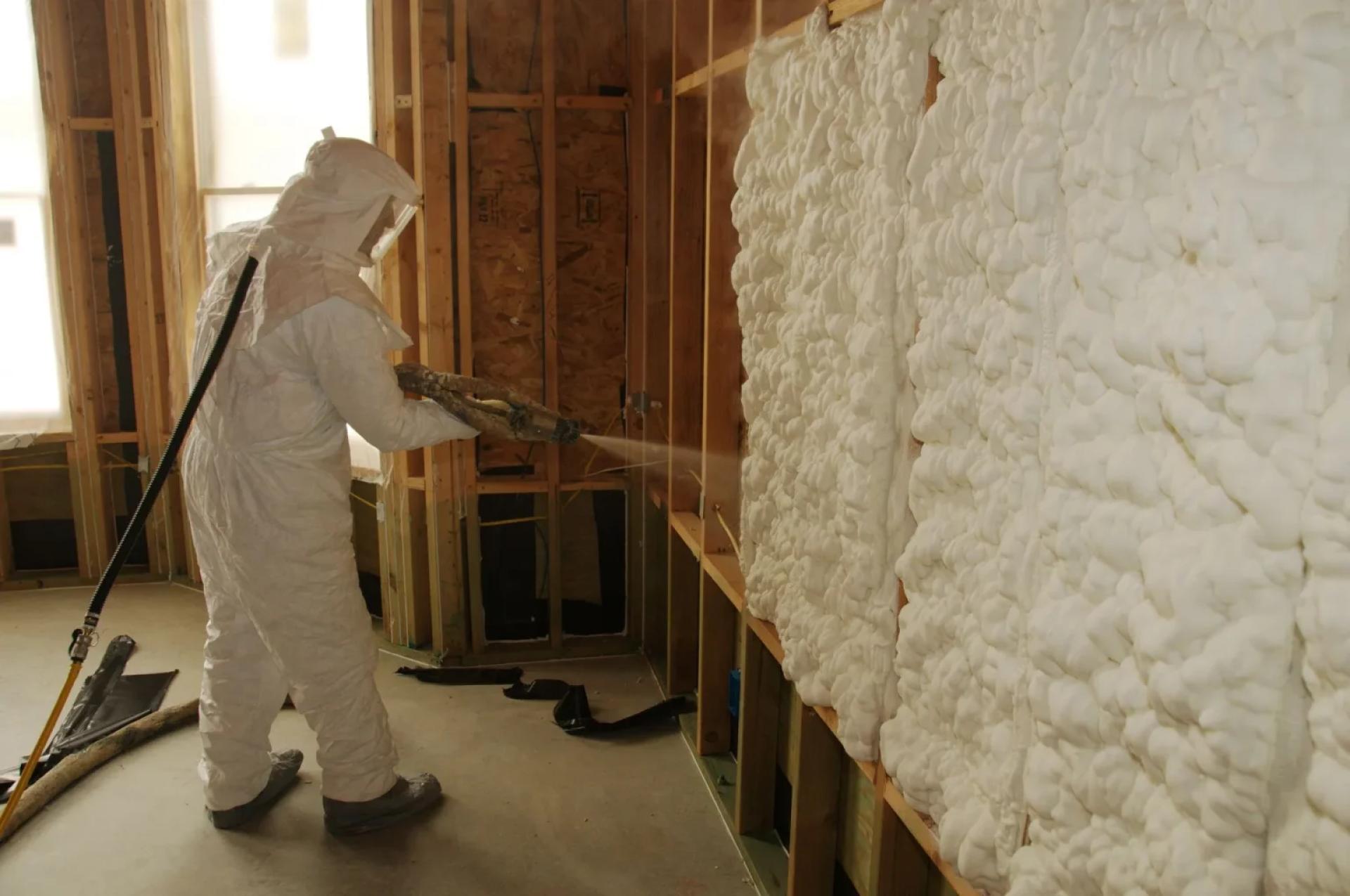
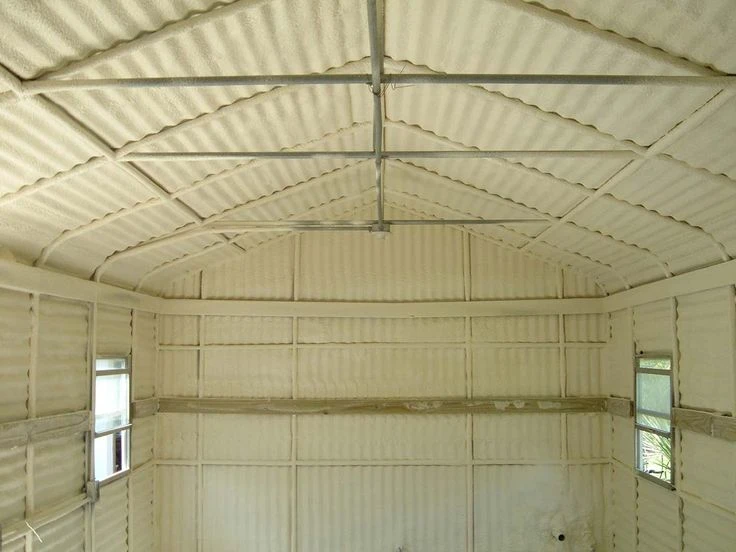
Quality spray foam insulation solutions offer a dual benefit of high thermal resistance and a complete air seal that traditional materials like fiberglass or cellulose cannot match. By expanding to fill gaps and cracks, this material eliminates drafts and significantly reduces the energy required to heat or cool a building. This improvement leads to lower monthly utility costs and a more consistent indoor climate throughout the year regardless of external weather shifts.
Property owners often see an immediate change in comfort once the application is complete. Because the foam acts as both insulation and an air barrier, it addresses the primary cause of energy loss in most structures. This article explores the technical advantages of this technology and how it serves as a long term investment for residential and commercial properties. Industry experts highlight that a well sealed building envelope is the foundation of modern construction efficiency.
Superior Energy Efficiency through Advanced Thermal Barriers
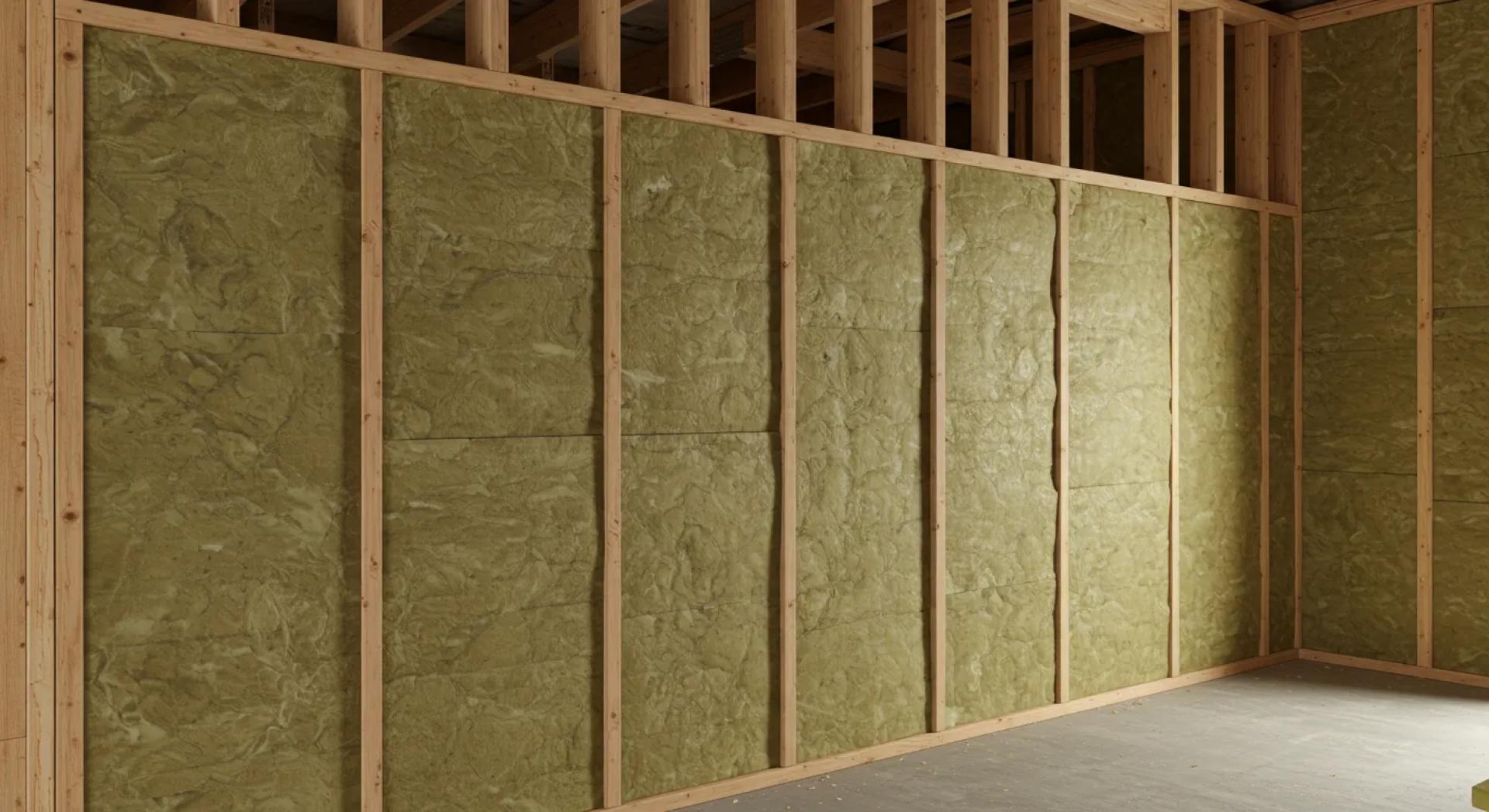
High grade insulation materials are the most effective way to manage indoor temperatures in regions with extreme seasonal changes. In Montana, where winters are harsh and summers can be surprisingly hot, maintaining a steady climate requires a material that blocks heat transfer effectively. Spray foam achieves this by providing a continuous layer of protection that does not sag or settle over time.
Market data suggests that air leakage is responsible for up to 40% of the energy lost in a typical building. Traditional batts often leave small gaps around wires and pipes, but spray foam expands into these spaces to create a tight fit. By sealing these entry points, the material ensures that expensive heated or cooled air stays inside the living area where it belongs.
- Consistent indoor temperatures are maintained even during the coldest winter nights in the Flathead Valley.
- Monthly utility bills often drop significantly after the installation of a high quality air barrier.
- HVAC systems experience less wear and tear because they do not need to run constantly to combat drafts.
- Cold spots near exterior walls and windows are removed, making every square foot of the home usable.
- The high R-value per inch allows for maximum thermal performance even in thin wall cavities.
Understanding R Value and Heat Resistance
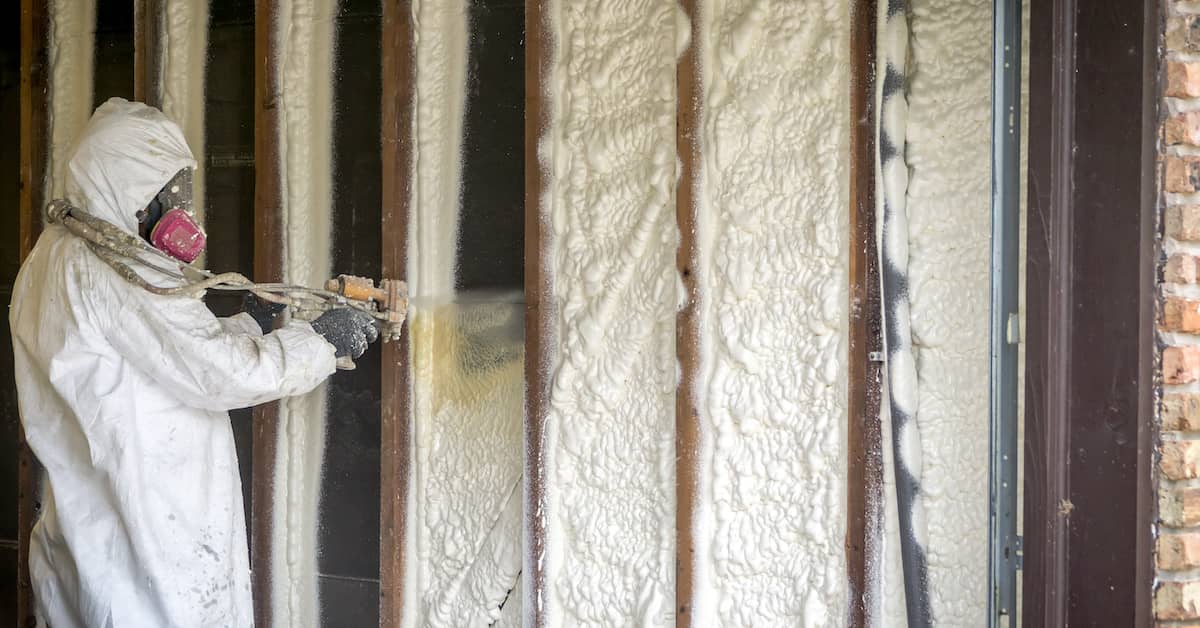
R-value measures how well a material resists the flow of heat through its thickness. Quality spray foam offers some of the highest R-values in the industry, meaning it takes less material to achieve a high level of thermal protection. This is particularly useful in older homes with narrow wall spaces where traditional insulation might not provide enough protection.
Convection Control in Montana Climates
Air movement within a wall cavity can carry heat away even if the material has a high R-value. Spray foam stops this process by preventing air from moving through the insulation itself. This is essential for buildings in Evergreen, MT, where high winds can push cold air through small cracks in the siding or rim joists.
Heat Flow Mitigation
Heat naturally moves from warm areas to cold areas through conduction, convection, and radiation. Spray foam addresses all three types of heat transfer by providing a solid physical barrier and a reflective surface in some specialized applications. This comprehensive approach ensures that the building remains a stable environment for its occupants.
Bonus Tip for Material Selection
When choosing between different types of foam, it is helpful to look at the moisture levels in the area. Closed cell foam is ideal for damp environments like basements or crawl spaces because it does not absorb water. Open cell foam is better for interior walls where sound dampening is the primary goal and moisture is not a concern.
Technical Specifications for Open and Closed Cell Foam
Different projects require different densities to achieve the best results. The table below provides a look at the technical differences between the two main types of spray foam used in modern construction. These specifications help professionals determine which product will offer the best performance for a specific part of a building.
| Feature | Open Cell Foam | Closed Cell Foam |
|---|---|---|
| Density per Cubic Foot | 0.5 lbs | 2.0 lbs |
| R-Value per Inch | 3.5 to 3.7 | 6.0 to 7.0 |
| Air Sealing Ability | High | Very High |
| Structural Support | Minimal | Adds Racking Strength |
| Water Permeability | Permeable | Impermeable |
Long Term Structural and Health Advantages
Investing in quality spray foam solutions provides benefits that go far beyond simple temperature control. The material creates a cleaner indoor environment by blocking the entry of dust, pollen, and other outdoor allergens. This is a significant factor for families with respiratory sensitivities or allergies, as it results in better air quality throughout the home.
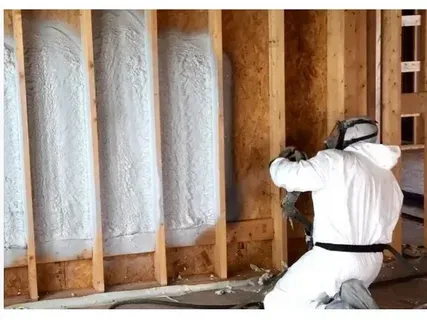
The structural integrity of a building is also enhanced when closed cell foam is used. Because this type of foam is rigid and dense, it actually bonds to the wall studs and exterior sheathing. This increases the racking strength of the walls, which can be an advantage in areas that experience high wind loads or heavy snow on the roof.
- Improved indoor air quality occurs because the tight seal prevents outdoor pollutants from leaking in.
- Pest resistance is a natural side effect as rodents and insects find it difficult to nest in the hardened material.
- Mold growth is discouraged because the foam prevents warm air from condensing on cold interior surfaces.
- Acoustic privacy is increased as the foam absorbs vibrations and blocks noise from neighbors or traffic.
- The lifespan of the building is extended by protecting the wooden framing from moisture and decay.
Moisture Management and Mold Prevention
Condensation is a major cause of structural damage in cold climates. When warm, humid air from inside the house reaches a cold surface, it turns into water, which can lead to rot. Spray foam prevents this by keeping the interior surfaces of the walls at a warmer temperature, effectively moving the dew point outside the structure.
Acoustic Dampening for Peace and Quiet
Noise pollution can disrupt the comfort of a home, especially in growing areas like the Flathead Valley. Open cell spray foam has a soft, sponge-like structure that is excellent at trapping sound waves. This makes it a popular choice for media rooms, home offices, and bedrooms where a quiet atmosphere is a priority.
Building Envelope Integrity
A building is only as efficient as its weakest point. Many homes lose significant amounts of energy through the attic hatch, rim joists, and around light fixtures. Spray foam is unique because it can be applied to these irregular shapes with ease, ensuring that the entire envelope is protected without any gaps.
Bonus Tip for Rim Joists
The area where the house frame meets the foundation is often a major source of air leaks. Using closed cell foam to seal the rim joists is one of the most effective ways to stop cold air from entering the basement or crawl space. This single upgrade can make the floors on the first level feel much warmer during the winter.
Local Code Compliance in Montana
Meeting local energy codes is essential for new construction and significant renovations. Using high quality spray foam often makes it easier to pass inspections because it provides high R-values in a compact space. This allows builders to meet or exceed efficiency requirements without having to build thicker, more expensive walls.
Things to Consider Before Making a Decision
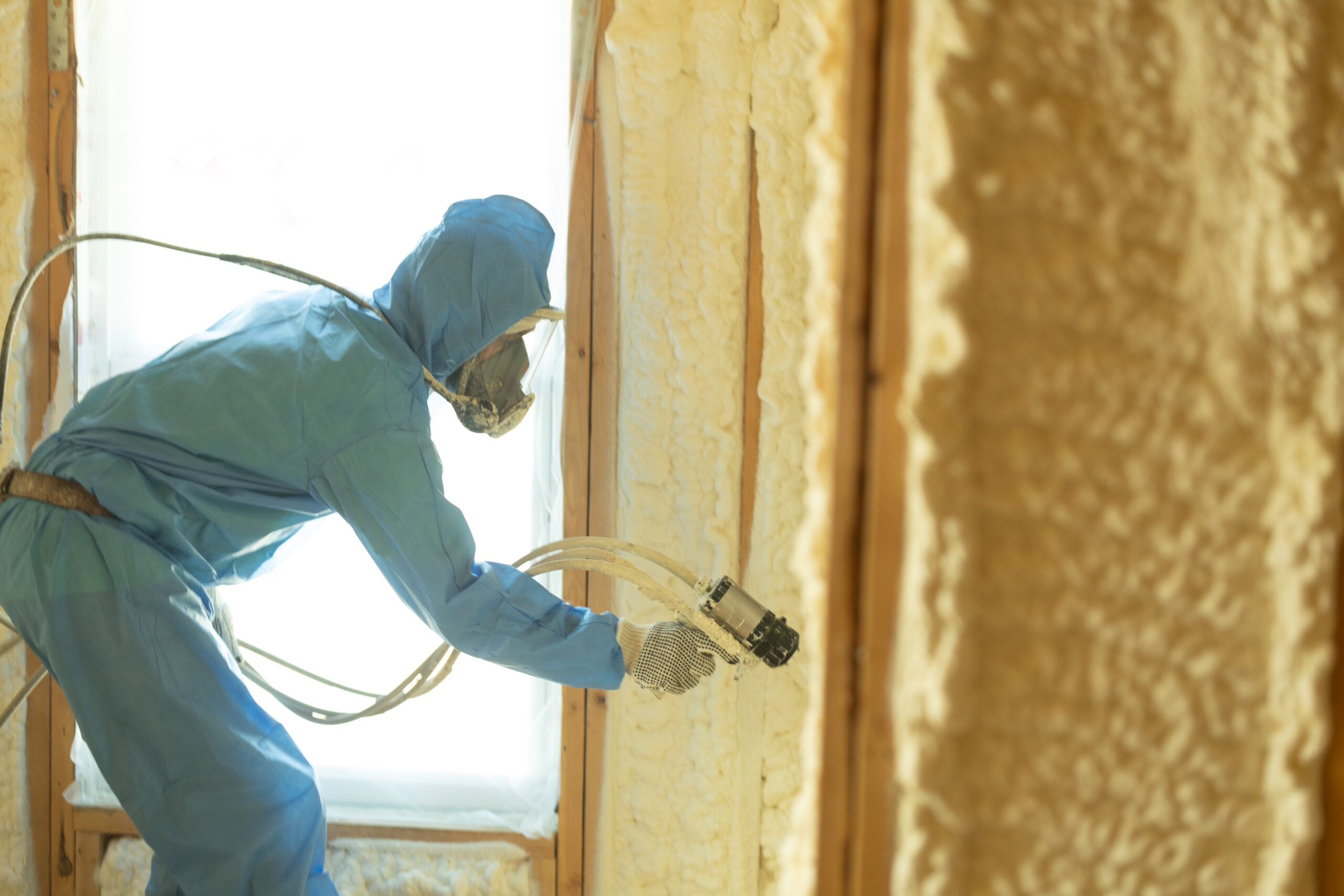
Before moving forward with an insulation project, it is important to assess the specific needs of the building. Factors such as the age of the structure, the existing insulation type, and the local climate all play a role in determining the best path. Professionals suggest a full evaluation of the attic and crawl spaces to identify where the most significant energy losses are occurring.
Cost is an important factor, but property owners should also look at the long term return on the investment. While the initial price for spray foam is higher than for fiberglass batts, the monthly energy savings often pay for the difference in a short period. Additionally, the increased comfort and improved air quality add value to the property that traditional materials cannot provide.
- Assess the ventilation needs of the house to ensure that air stays fresh after the seal is tightened.
- Consider the accessibility of the areas that need insulation to determine the labor required for the job.
- Check for any existing moisture issues that should be addressed before the foam is applied.
- Look at the potential for tax credits or utility rebates that support energy efficiency upgrades.
Questions People Ask About Spray Foam
How long does spray foam insulation last?
Spray foam is designed to last for the life of the building. Unlike some traditional materials that can sag, shrink, or settle over time, foam remains in place and keeps its original shape. This means the R-value and air sealing properties do not degrade, providing consistent performance for decades.
Is the material safe for indoor use?
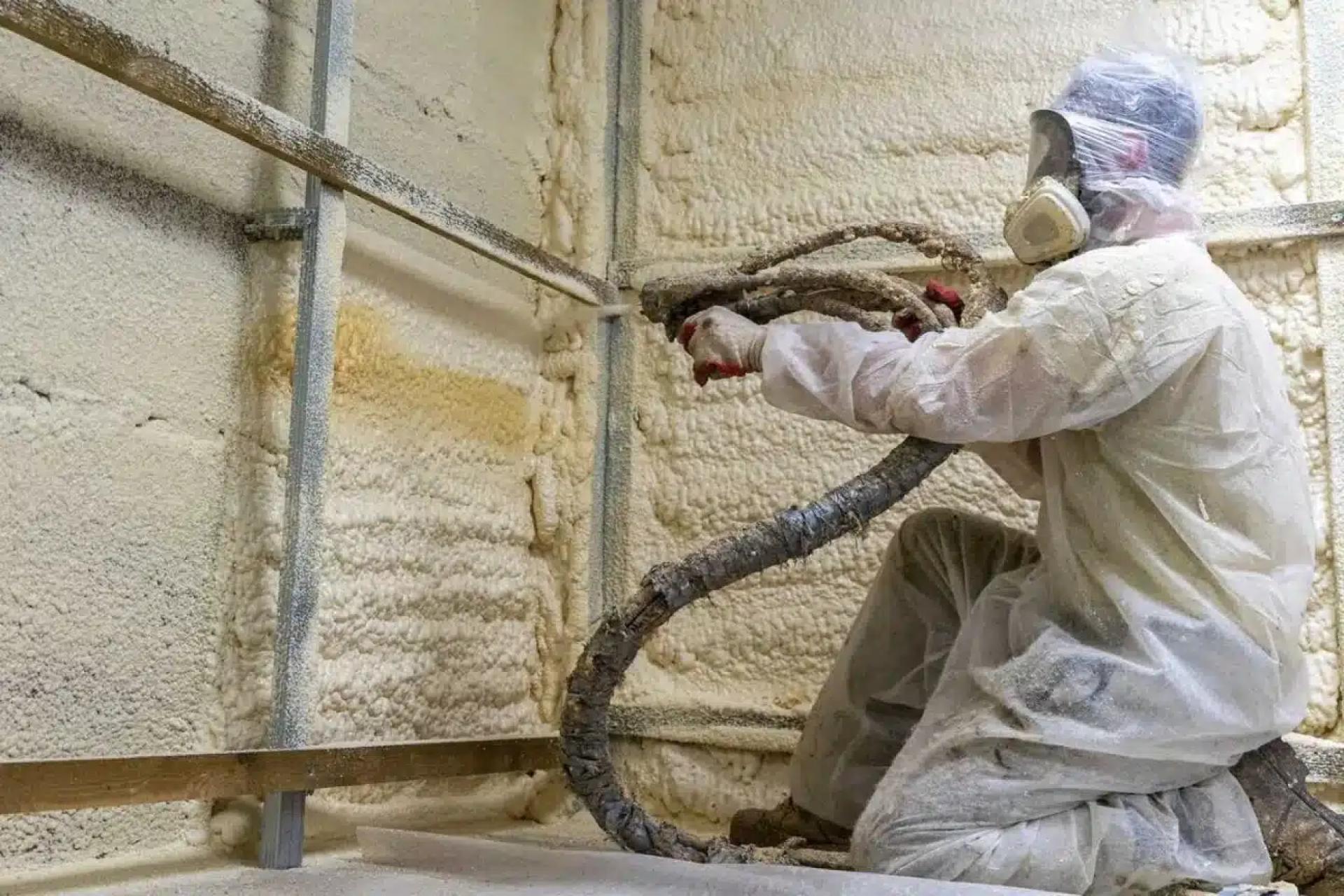
Once the spray foam has fully cured, it is an inert material that does not produce harmful fumes or odors. During the application process, professionals use specialized safety gear and recommend that occupants stay out of the building for a set amount of time to allow the material to set safely.
Can it be applied to an existing home?
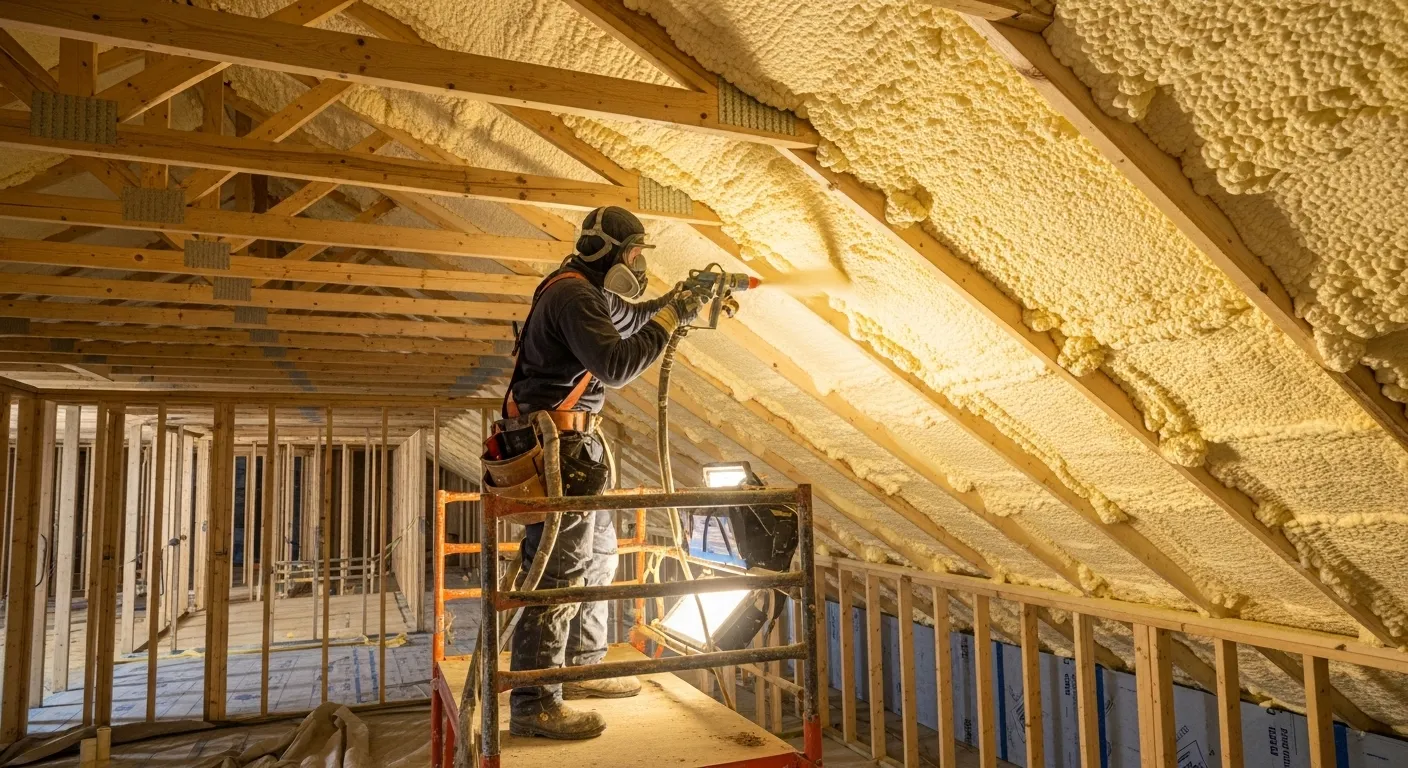
Yes, spray foam can be used in renovations. It is commonly applied in attics, crawl spaces, and rim joists of existing structures. For closed walls, installers can sometimes inject specialized types of foam, but it is most effective when the wall cavities are open during a remodel.
Does spray foam stop all noise?
While it is very effective at reducing airborne noise like talking or music, it does not stop all vibrations. Open cell foam is better for sound absorption than closed cell. Combining foam with other soundproofing techniques can create an almost silent indoor environment.
Will it attract rodents or insects?
Spray foam does not have any food value for pests, so it does not attract them. Furthermore, because it creates a solid barrier and fills the small gaps that pests use to enter a house, it actually helps keep them out more effectively than other insulation types.
Final Assessment of Insulation Quality
Choosing the right insulation is a decision that affects the comfort and cost of a building for many years. Quality spray foam solutions provide a comprehensive answer to the challenges of thermal management and air leakage. By creating a custom fit seal, this material ensures that a property is protected from the elements while maintaining a healthy and quiet indoor environment.
Property owners should evaluate their specific goals and consult with experts who understand the local climate and building codes. Whether the goal is to lower utility bills or simply to remove cold drafts, investing in high performance materials is a reliable way to achieve lasting results. The long term savings and improved quality of life make it a preferred choice for modern homes and businesses.
Professional Assistance for Insulation Projects
For those looking to improve their property's efficiency, working with a local expert is the most reliable way to ensure a successful installation. Wegner Insulation provides high quality spray foam services tailored to the specific needs of buildings in Evergreen and the surrounding areas. They assist with everything from initial assessments to the professional application of the material. To learn more about their services or to discuss a specific project, contact them at (406) 607-8476 or email [email protected] for expert guidance. Their team is dedicated to helping property owners achieve the best possible thermal performance and comfort.
l is a construction professional with experience spanning from his early years. Specializing in spray foam insulation, he has completed extensive training and earned certifications, which led him to start his own company in 2022.
Reviewer: Alexander Davis, with 11 years of experience in spray foam application, provided a review that helped us better address the concerns and goals of companies working on both residential and commercial projects.























Sign in to leave a comment.