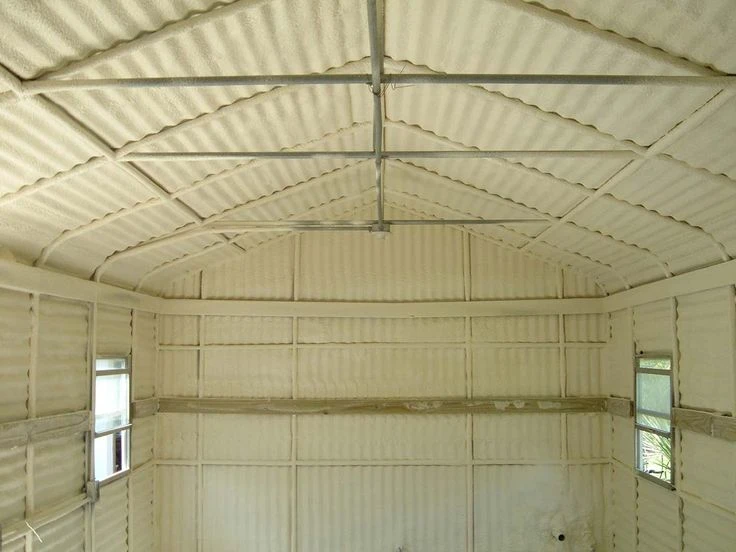

Cold storage only works when temperatures stay steady. One weak wall or ceiling can spoil the product fast. Proper agricultural insulation limits heat gain, controls moisture, and cuts energy waste. That matters more now as energy costs rise and storage demands grow.
Quick Answers That Matter Most
- Insulation slows heat transfer and protects stored crops and goods
- Tight thermal control reduces compressor run time and power use
- Proper systems prevent moisture damage and product loss
Cold Loss = Product Loss
Cold storage units fail when insulation fails. Heat moves in through thin walls, seams, and roofs. That forces cooling systems to work harder and longer. Over time, uneven temperatures shorten shelf life and increase operating costs.
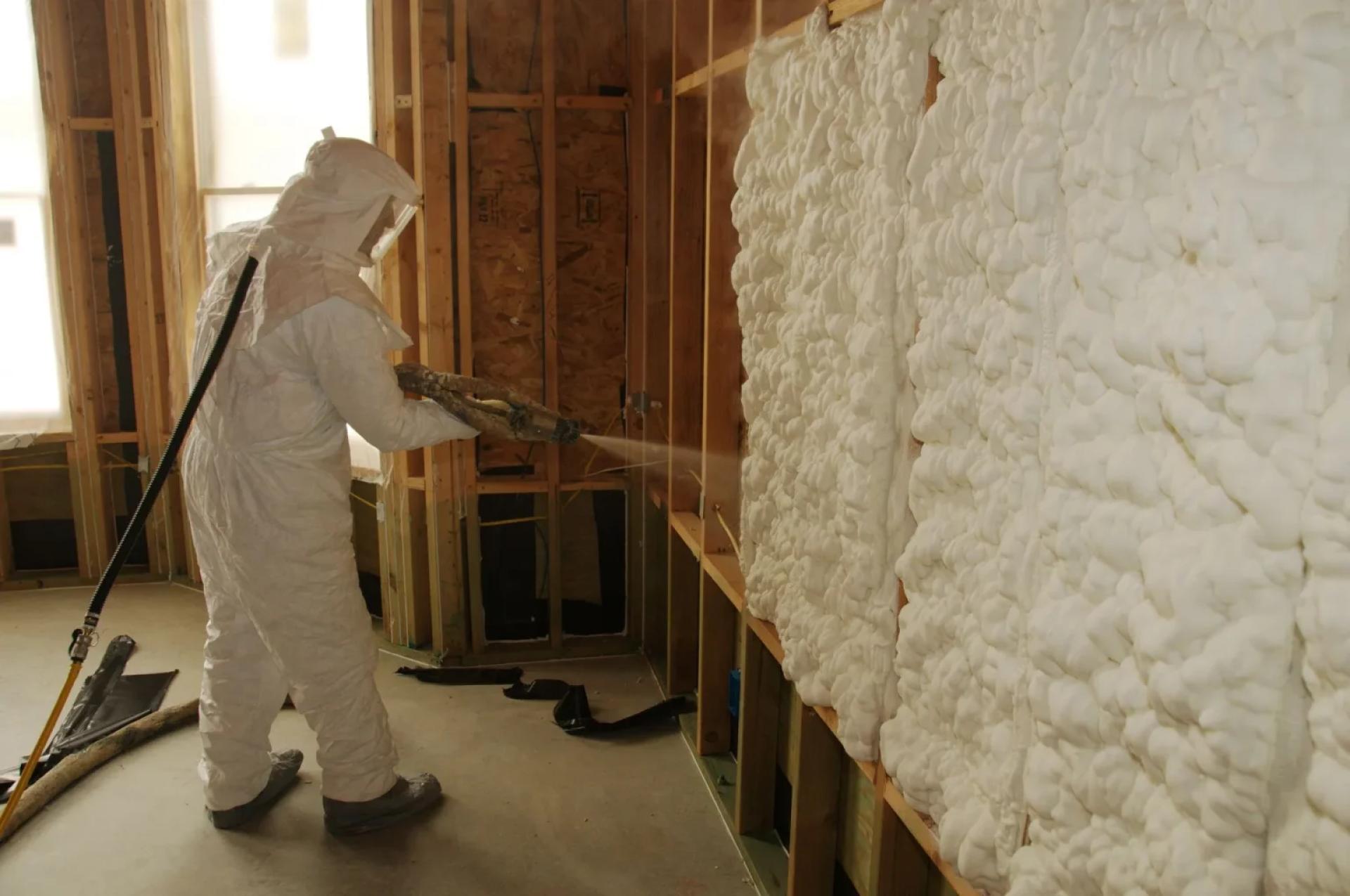
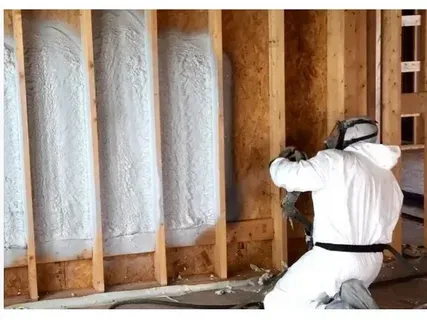
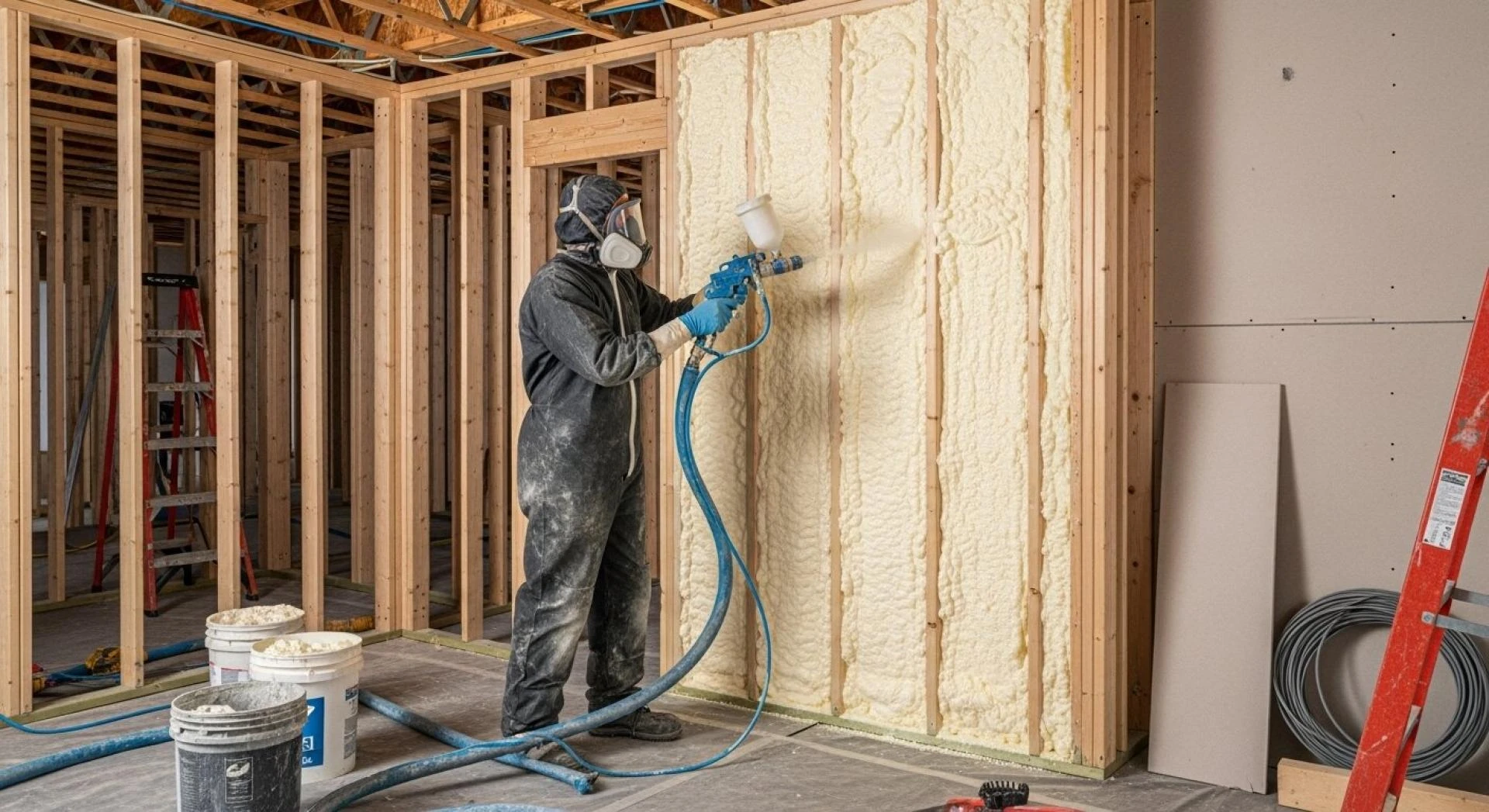
Well-installed spray foam creates a continuous thermal barrier. It fills gaps and seals air leaks in one step. According to guidance from the U.S. Department of Energy, air leakage can account for a major share of unwanted heat gain in temperature-controlled buildings. Stopping that airflow is the first line of defense.
Agricultural buildings face added stress. Large doors open often. Equipment vibrates walls. Moisture loads stay high. Insulation must handle all three without breaking down.

Why Cold Storage Units Struggle Without Proper Insulation
Cold storage is not the same as a home freezer. Large volumes and constant access increase thermal stress. Without the right insulation, temperature swings become common.
Heat Transfer Through Walls and Roofs
Heat always moves toward cold. Thin or poorly bonded insulation lets exterior heat bleed inside. Spray foam limits that movement by creating high R-values in less space.
Air Leaks Drive Energy Use
Gaps around joints and penetrations allow warm, moist air to enter. That air condenses inside the unit. Data published by the U.S. Environmental Protection Agency shows that air sealing is critical for reducing energy waste in conditioned spaces.
Moisture Causes Structural Damage
Condensation leads to corrosion, mold, and rot. Closed-cell spray foam resists water vapor and adds rigidity to walls and ceilings.
How Does Insulation Control Temperature Stability
Insulation works by slowing heat flow and stopping air movement. In cold storage, that balance keeps systems efficient and products safe.
Thermal Resistance Matters
Higher R-values reduce heat gain per square foot. Spray foam delivers consistent coverage without compression or settling.
Air Sealing Protects Setpoints
Stable temperatures reduce compressor cycling. Fewer cycles mean less wear and lower maintenance needs.
Moisture Control Preserves Materials
Building science research from Building Science Corporation explains how air barriers reduce condensation risk by controlling pressure and vapor movement. That principle applies directly to cold storage performance.
Spray Foam vs Traditional Insulation Materials
Performance Comparison Table
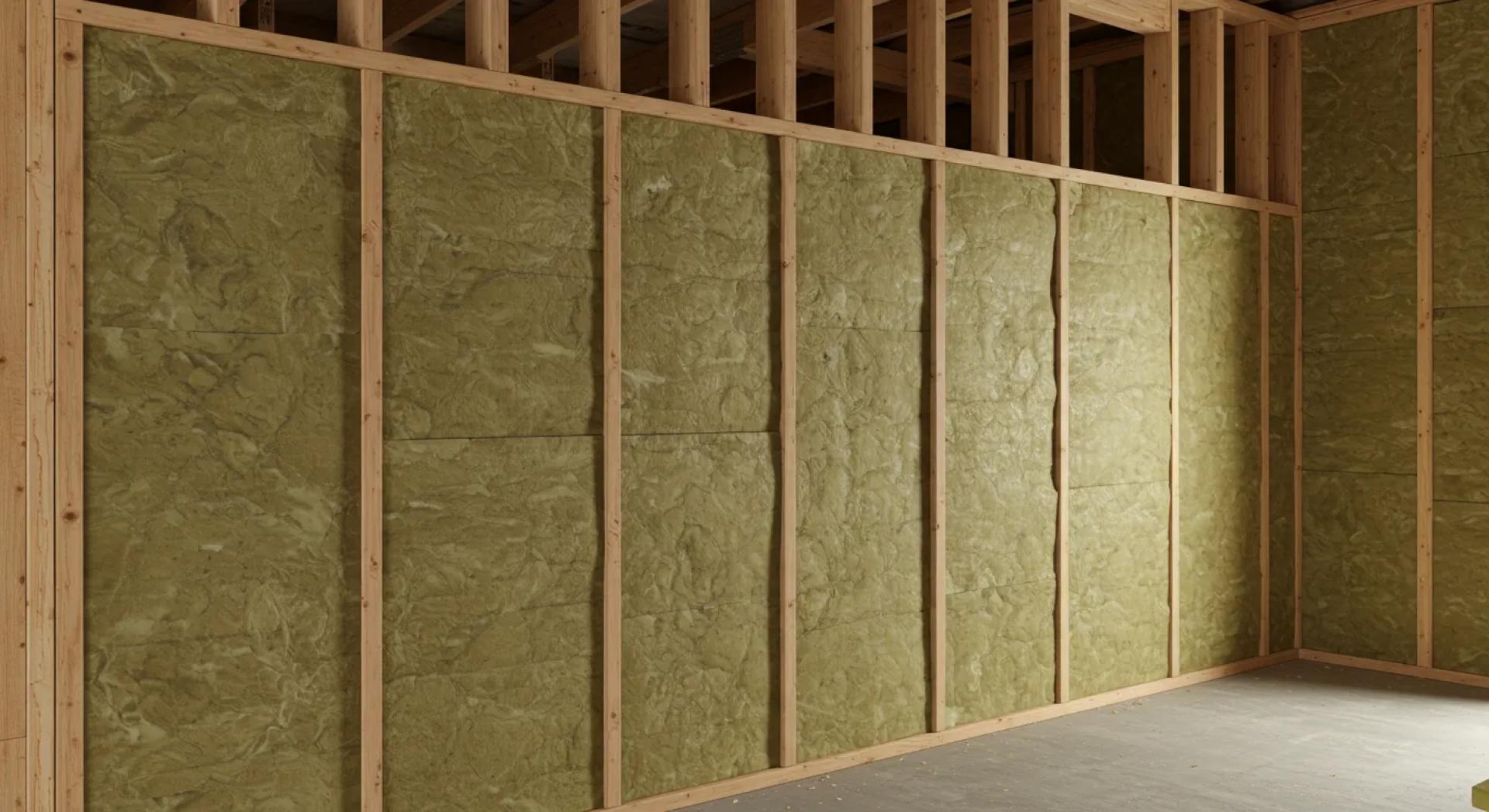
| Feature | Spray Foam Insulation | Fiberglass Batts |
|---|---|---|
| Air Sealing | Fully seals gaps and joints | Requires separate air barrier |
| Moisture Resistance | High | Low |
| Durability | Long service life | Compresses over time |
| Energy Efficiency | Consistent R-value | Performance drops with moisture |
Traditional materials can work in dry, low-use spaces. Cold storage units are neither. Spray foam handles vibration, moisture, and temperature extremes better over time.
Operational Benefits Beyond Energy Savings
Cold storage insulation affects more than utility bills. It impacts workflow and product quality.
Stable temperatures reduce spoilage risk. Workers experience less condensation and icing near doors. Equipment runs smoother with fewer emergency shutdowns.
These outcomes protect long-term investment. Insulation installed once should perform for decades without constant repairs.
Bonus Tips
- Insulate door frames and loading zones first
- Match foam type to temperature range
- Inspect seams yearly for impact damage
Case Studies
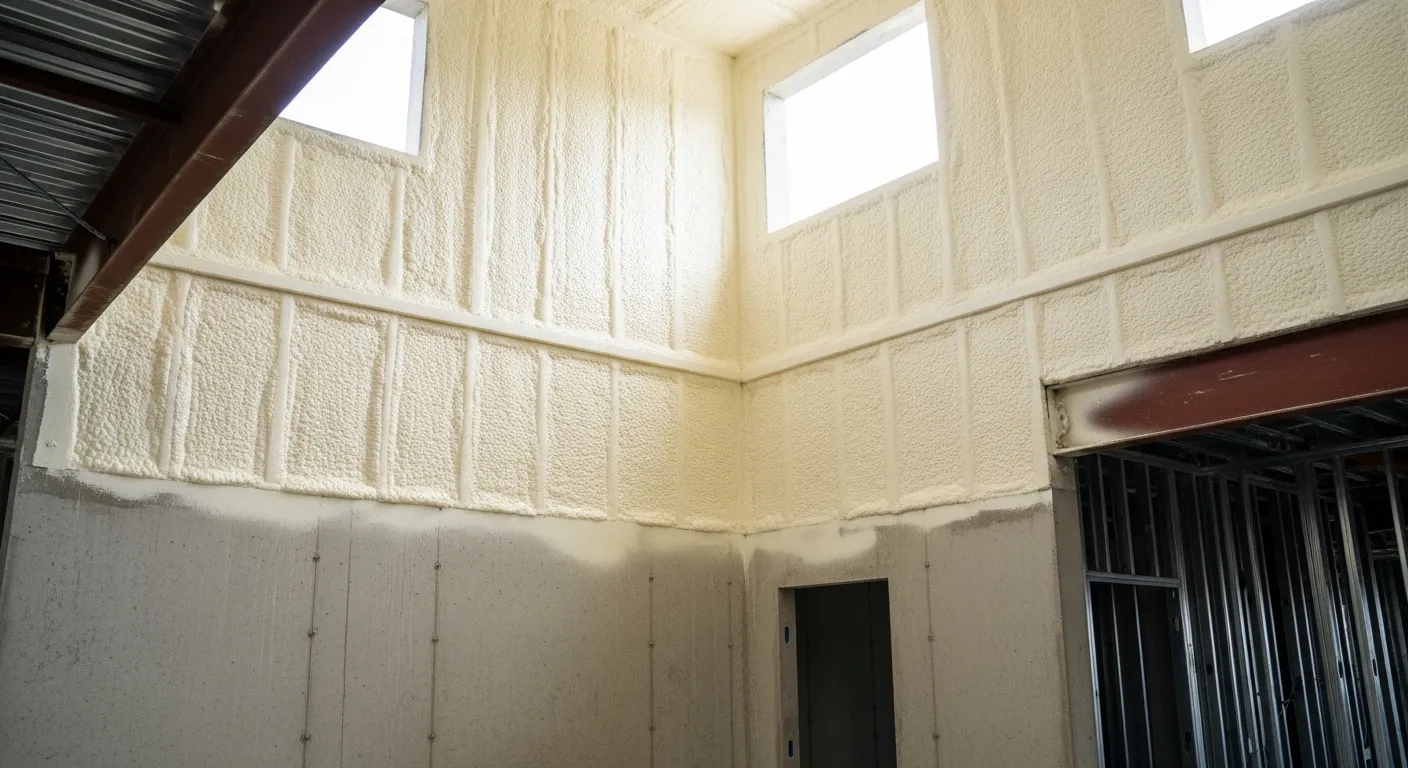
Food storage facilities using continuous spray foam systems have documented lower compressor runtimes and more consistent interior temperatures across seasonal swings, improving product retention and reducing service calls.
Environmental and Long-Term Trade-Offs
Spray foam insulation uses more material upfront. That matters to some operators. The trade-off is long service life and reduced energy demand.
Lower power use cuts emissions tied to refrigeration. Over time, that offset outweighs initial material inputs. In cold storage, durability usually wins over short-term savings.
Conclusion: Why Insulation Choices Matter in Cold Storage
Agricultural cold storage depends on control. Insulation is the system that makes control possible.
- It limits heat gain and moisture intrusion
- It stabilizes temperatures and protects inventory
- It reduces long-term energy and maintenance costs
Informed material choices protect both products and infrastructure. Wegner Insulation supports energy-efficient, performance-focused agricultural projects with systems built for real-world use.
Talk With Wegner Insulation About Cold Storage Performance
Spray foam insulation improves temperature control where it matters most. Wegner Insulation applies systems designed for demanding agricultural environments. They focus on durability, air sealing, and long-term efficiency.
Phone: (406) 607-8476 Email: [email protected]
FAQs for Spray Foam Professionals
How thick should spray foam be in cold storage walls?
Thickness depends on target temperature and climate. Higher R-values in thinner profiles make spray foam effective where wall space is limited.
Does spray foam handle frequent door openings?
Yes. Its air-sealing properties limit heat gain even with regular access cycles.
Can spray foam reduce condensation inside cold rooms?
It can. By stopping warm air intrusion, surface temperatures stay above dew point levels.
Is closed-cell foam better for cold storage?
Closed-cell foam resists moisture and adds structural strength, making it a strong choice for these environments.
How long does spray foam last in agricultural buildings?
When installed correctly, it can perform for decades with minimal degradation.
Author: Richard Hall is a construction professional with experience spanning from his early years. Specializing in spray foam insulation, they completed extensive training and certifications, which led them to start their own company in 2022.
Reviewer: Alexander Davis, with 11 years of experience in spray foam application, reviewed this content and helped address the concerns and goals of teams working on agricultural and cold storage projects.
























Sign in to leave a comment.