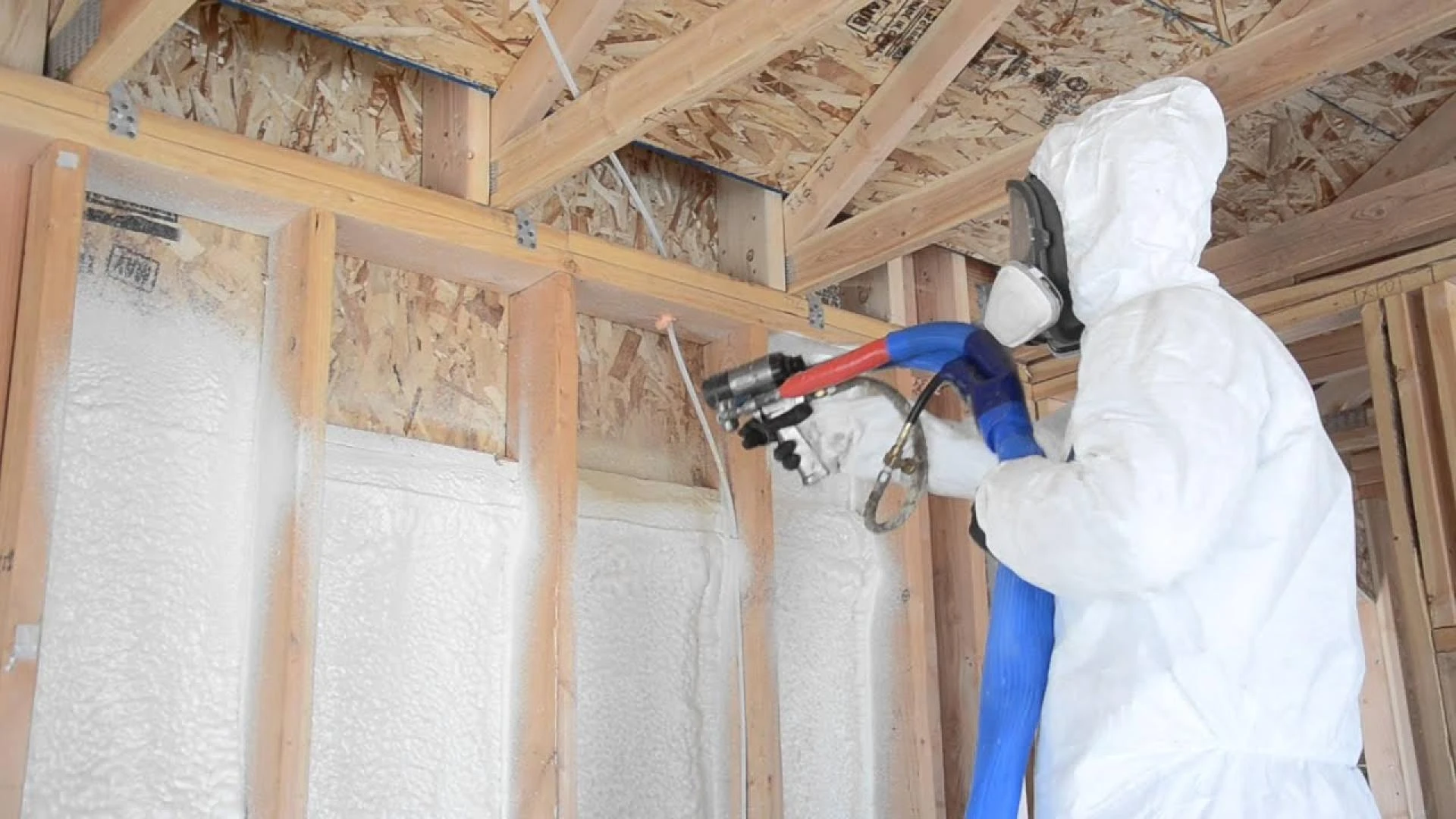
Drafty rooms, uneven temperatures, and rising energy bills are common complaints among property owners in northwest Montana. Libby’s long heating season and sharp temperature shifts expose weak insulation fast. When warm air escapes in winter or humidity sneaks in during summer, comfort drops, and mechanical systems work harder than they should.
Spray foam insulation addresses these issues at their root. Sealing gaps and stabilizing indoor conditions, it helps buildings stay comfortable through every season. This guide breaks down how spray foam upgrades living and working spaces in Libby, what performance benefits matter most, and how a well-planned insulation system supports long-term efficiency.
A Smarter Insulation Upgrade for Libby Properties
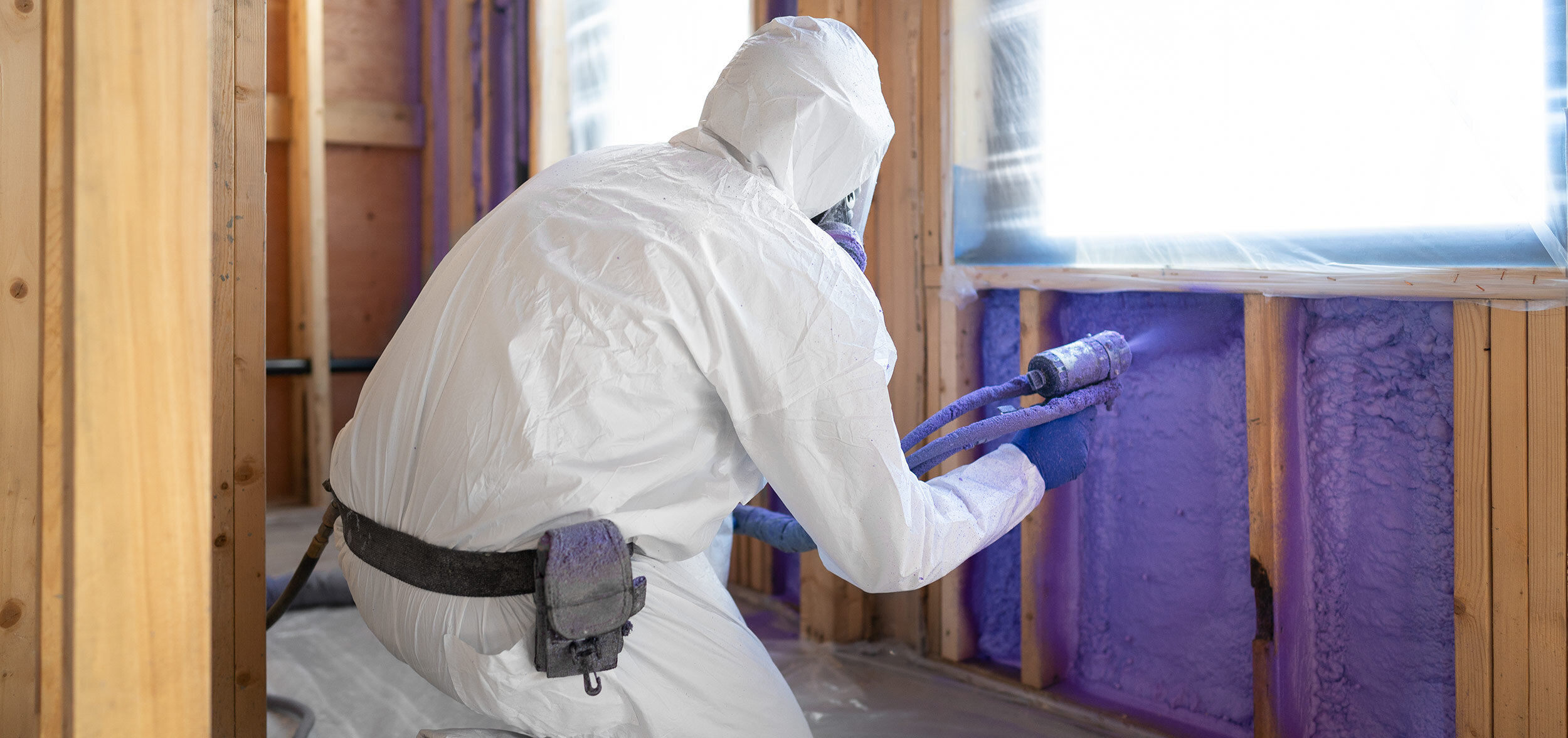
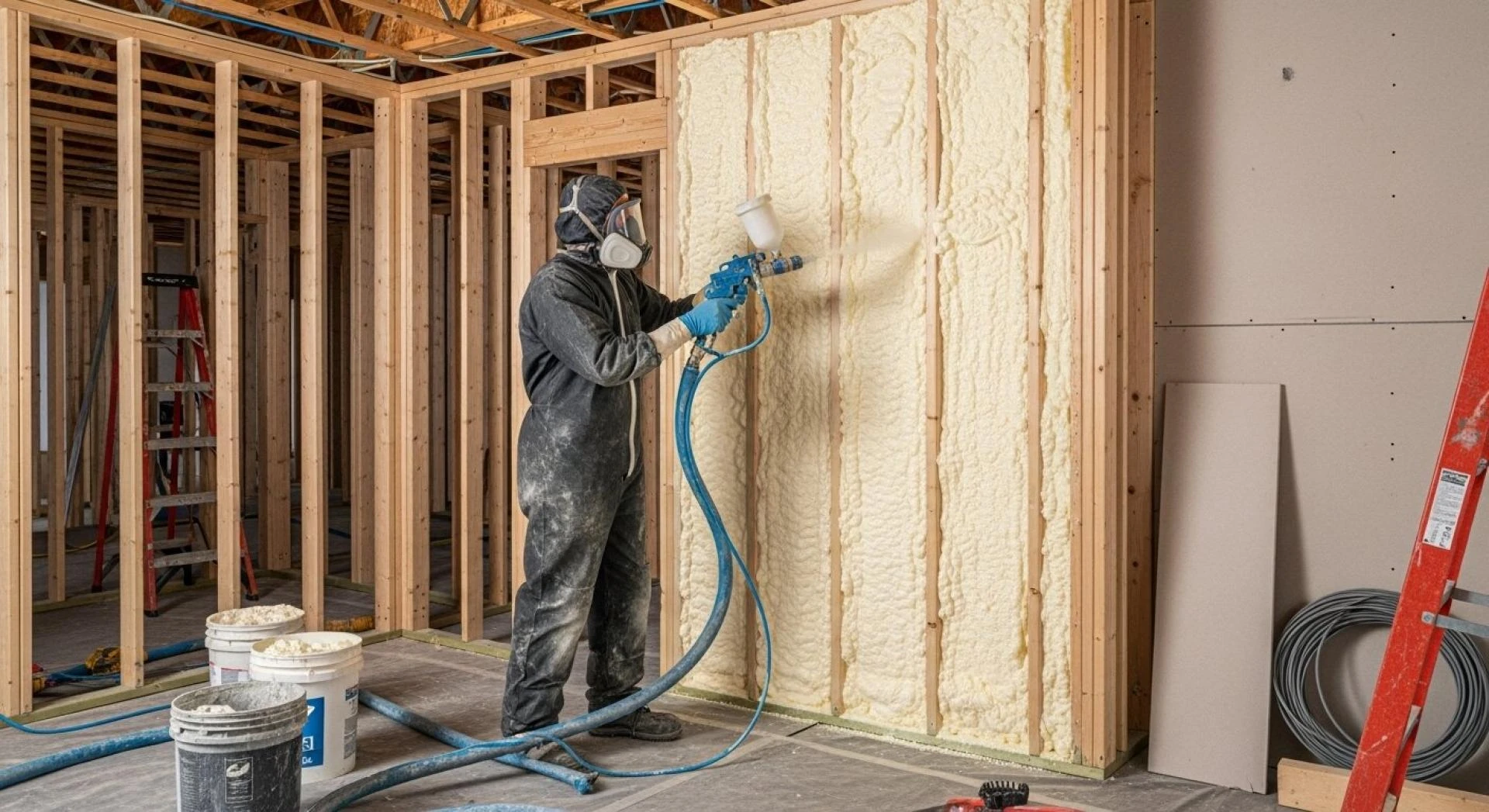
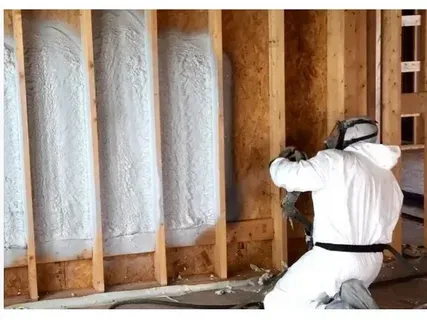
Spray foam insulation improves comfort by controlling airflow, heat transfer, and moisture movement at the same time. Unlike loose-fill or batt materials, it expands into cracks and bonds directly to the structure, creating a continuous barrier.
We apply this approach across residential, commercial, and agricultural buildings throughout the region. This section explains how the system works and why it performs so well in cold-weather communities like Libby.
Why Air Sealing Makes the Biggest Difference
Air leakage causes many comfort issues people blame on heating systems. Gaps around rim joists, wiring penetrations, and roof transitions let conditioned air escape.
According to guidance from the U.S. Department of Energy, spray foam limits both air movement and conductive heat loss, which helps maintain steady indoor temperatures during extended cold periods.
Consistent Temperatures Without Overworking HVAC
When air moves freely through wall and ceiling cavities, rooms heat and cool at different rates. Spray foam reduces that internal air circulation, helping indoor spaces feel more balanced from room to room.
The U.S. Environmental Protection Agency notes that effective air sealing improves comfort while lowering heating and cooling demand, especially in climates with long winters.
Matching Spray Foam to the Building’s Needs
Not every structure benefits from the same insulation strategy. Wall assemblies, rooflines, and foundations all face different exposure levels. Selecting the right spray foam type ensures comfort gains without compromising moisture control or durability.
We evaluate how each building functions before recommending materials or placement. Research from Building Science Corporation shows that material choice plays a critical role in managing vapor and thermal performance in cold climates.
Open Cell and Closed Cell Compared
| Feature | Open Cell Spray Foam | Closed Cell Spray Foam |
|---|---|---|
| Density | Lower | Higher |
| Air Sealing | Excellent | Excellent |
| Vapor Resistance | Limited | Strong |
| Structural Strength | Minimal | Adds rigidity |
| Common Uses | Interior walls, sound control | Exterior walls, basements, roofs |
Both options deliver comfort benefits when applied in the right location.
Retrofit and New Build Applications
Spray foam works well in new construction where the envelope can be designed from the start. In existing buildings, it often solves persistent drafts and cold spots that traditional insulation never fixed.
Complete Insulation Services for Performance-Focused Projects
We support a wide range of insulation needs, each focused on comfort, durability, and building performance.
- Residential Spray Foam Insulation Seals air leaks in walls, attics, and crawlspaces to improve everyday comfort. Helps reduce temperature swings between rooms.
- Commercial Spray Foam Insulation supports stable indoor conditions across large floor plans. Ideal for offices, warehouses, and mixed-use buildings.
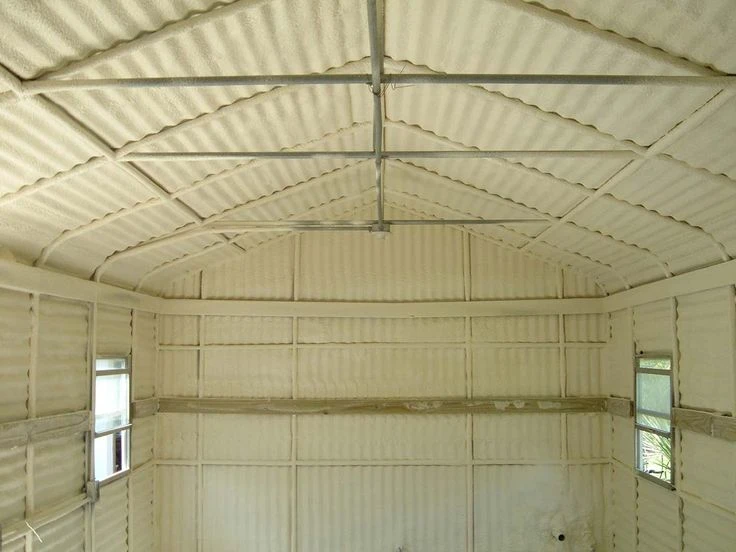
- Closed Cell Spray Foam Insulation provides high thermal resistance and moisture control. Commonly used in foundations, exterior walls, and roof assemblies.
- Open Cell Spray Foam Insulation delivers effective air sealing with sound-dampening benefits. Works well in interior applications.
- Commercial Insulation Designed to support operational efficiency and code compliance. Focuses on long-term building performance.
- Residential Insulation Addresses comfort issues tied to drafts and heat loss. Tailored to each home’s layout.
- Agricultural Insulation helps regulate temperature in barns, shops, and storage buildings. Supports equipment protection and controlled environments.
- Blown-In Insulation fills existing cavities to improve coverage. Useful for targeted upgrades without major disruption.
- Fiberglass Insulation Applied where appropriate to meet insulation requirements. Installed with attention to proper fit and coverage.
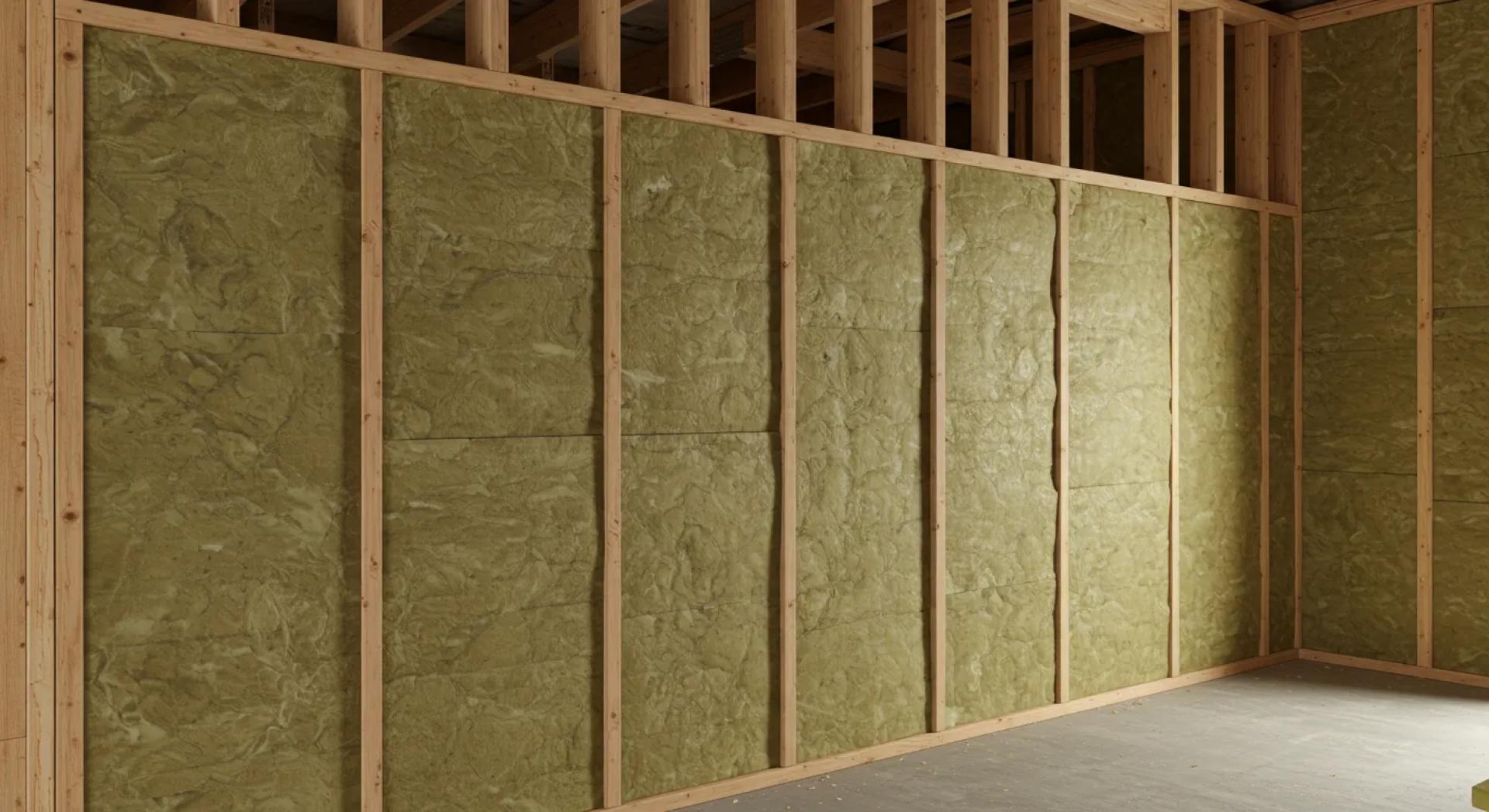
- Mineral Wool Insulation adds fire resistance and acoustic control. Suitable for specific structural needs.
- Air Sealing Targets uncontrolled airflow throughout the building envelope. Often paired with insulation upgrades.
- Exterior Insulation reduces thermal bridging and supports consistent interior temperatures.
- Foundation Insulation Limits heat loss through basement walls and slabs. Improves comfort on lower levels.
- New Construction Insulation is integrated early to support long-term efficiency. Designed around the structure’s performance goals.
- Thermal Barrier Coatings were applied where required for safety and durability. Complements spray foam systems.
Comfort That Lasts Beyond One Season
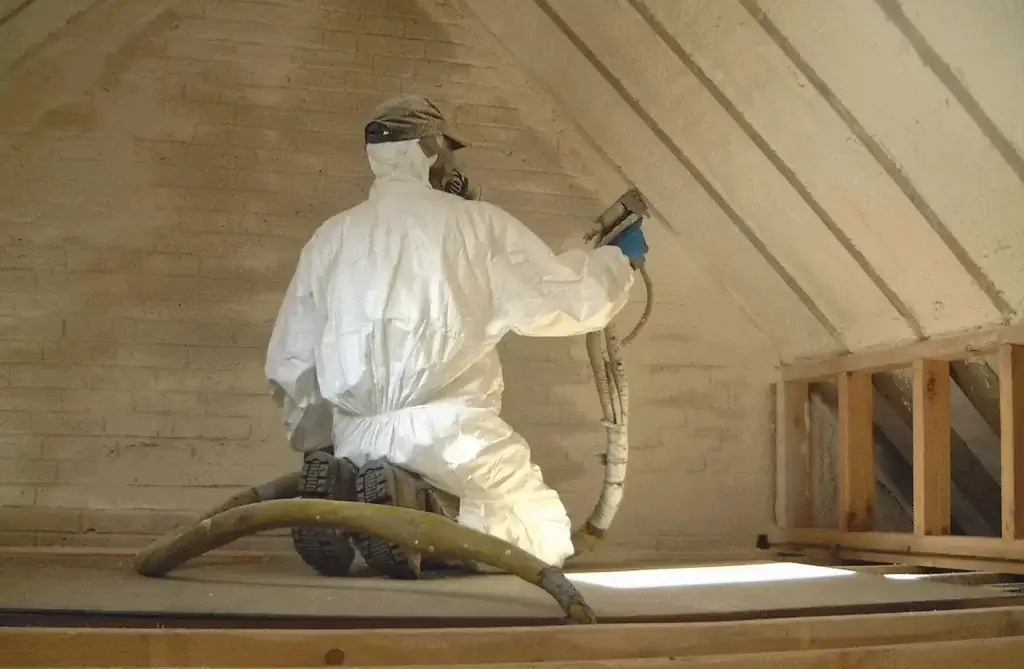
Upgrading insulation is about more than short-term comfort. Spray foam supports stable indoor conditions, protects the building envelope, and reduces stress on mechanical systems. In Libby’s demanding climate, those benefits add up over time.
Take the Next Step Toward Better Building Performance
Insulation plays a direct role in how efficiently a building operates and how comfortable it feels day after day. Wegner Insulation focuses on performance-driven solutions that match real-world use, not one-size-fits-all installs.
To discuss your insulation goals or plan an upgrade, call (406) 607-8476 and speak with our team.
Frequently Asked Questions
How does spray foam perform during extended cold weather?
It limits air leakage and heat loss, helping indoor temperatures stay consistent even during long winter stretches.
Can spray foam reduce drafts in older buildings?
Yes. It expands into gaps and irregular cavities that traditional materials often miss.
Does spray foam help manage moisture indoors?
Closed cell options slow vapor movement and reduce condensation risk in exposed areas.
Where do property owners notice comfort improvements first?
Attics, rim joists, basements, and exterior walls typically show the fastest results.
Is spray foam suitable for mixed-use properties?
It adapts well to residential, commercial, and agricultural settings when matched to the right application.
Sources
- U.S. Department of Energy – Spray Foam Insulation – Federal guidance on spray foam performance and energy efficiency.
- U.S. Environmental Protection Agency – Air Sealing – Data on comfort and efficiency gains from air sealing.
- Building Science Corporation – Understanding Vapor Barriers – Technical research on moisture and thermal control in cold climates.
Author: Richard Hall is a construction professional with experience spanning from his early years. Specializing in spray foam insulation, he has completed extensive training and certifications, leading him to start his own company in 2022.
Reviewer: Alexander Davis, with 11 years in spray foam application, provided a review that helped us better address the concerns and goals of companies working in both residential and commercial projects.


























Sign in to leave a comment.