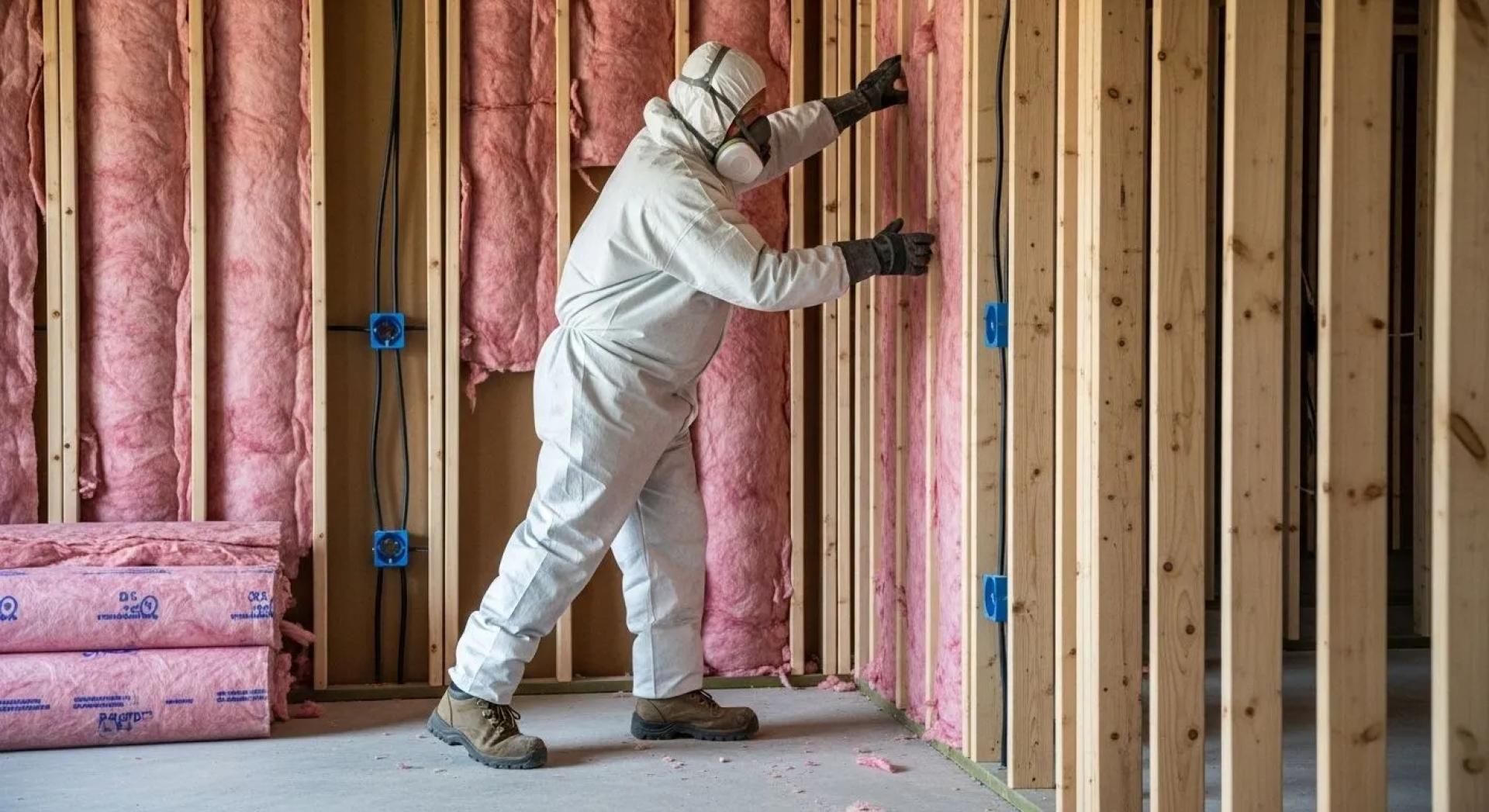

Achieving proper indoor balance requires a home to maintain consistent temperatures and controlled humidity levels regardless of external weather conditions. Fiberglass insulation contributes to this goal by slowing the transfer of conductive heat through walls and ceilings, effectively acting as a thermal blanket that reduces the workload on heating and cooling systems. However, its fibrous nature allows air to pass through, often failing to stop drafts that disrupt the indoor environment's equilibrium.
For decades, fiberglass has served as the standard material for residential construction due to its affordability and availability. While it provides a basic level of thermal resistance, its performance leans heavily on the quality of installation and the presence of a separate air barrier. Understanding how this material interacts with heat, air, and moisture reveals why some homes struggle with hot or cold spots despite having insulated walls.
Thermal Resistance and Airflow Dynamics
Fiberglass works by trapping pockets of air within a matrix of spun glass fibers. These pockets resist the flow of heat, keeping warmth inside during winter and outside during summer. This property is measured as an R-value, which indicates a material's ability to resist heat conduction.
However, R-value only tells part of the story. Indoor balance depends on controlling air movement as much as heat flow. Since fiberglass is air-permeable, it acts like a wool sweater on a windy day; it keeps the wearer warm only if the air is still. If wind cuts through it, the thermal protection drops significantly.
The Impact of Convection
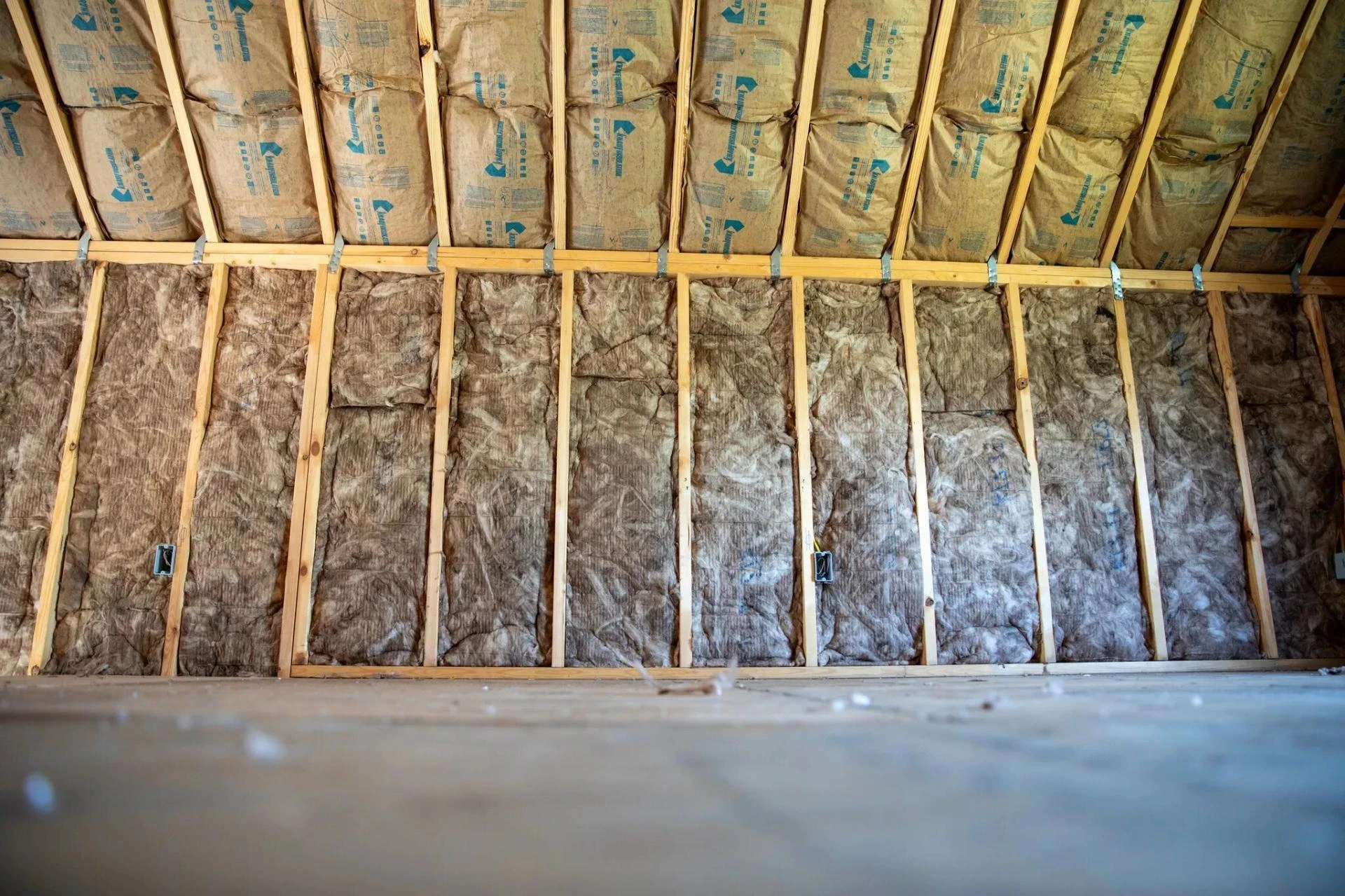
Inside wall cavities, temperature differences between the interior and exterior surfaces create air currents known as convection loops. In fiberglass-insulated walls, air can circulate through the batt, pulling heat away from the drywall and transferring it to the cold exterior sheathing. This internal air movement undermines the system's effective R-value.
- Drafts often enter through electrical outlets and switch plates where the insulation is cut.
- Wind pressure on the exterior pushes cold air through the fibers, cooling the interior walls.
- Poorly fitted batts leave gaps where heat escapes freely, creating unbalanced room temperatures.
Precision Installation is Required
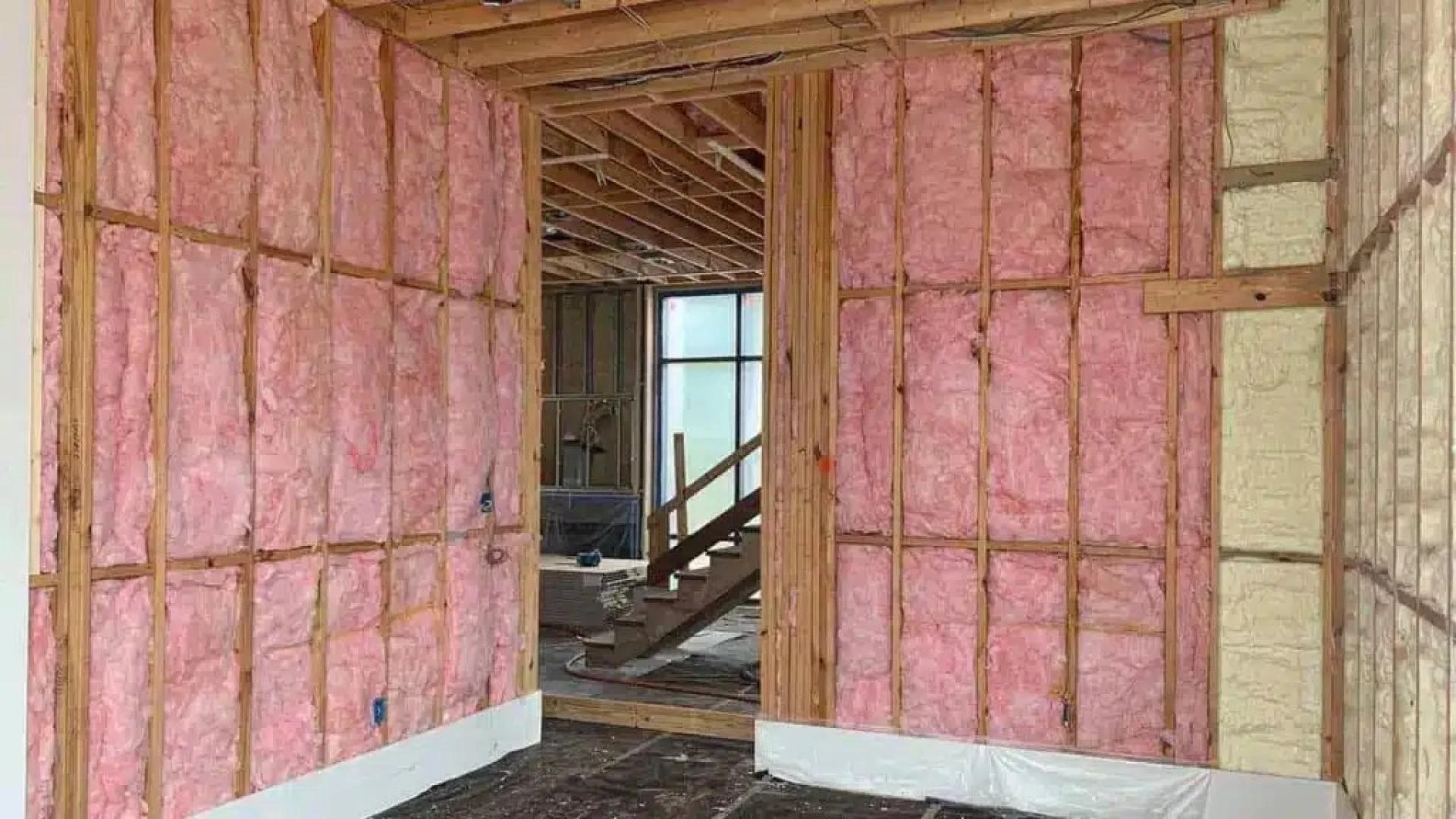
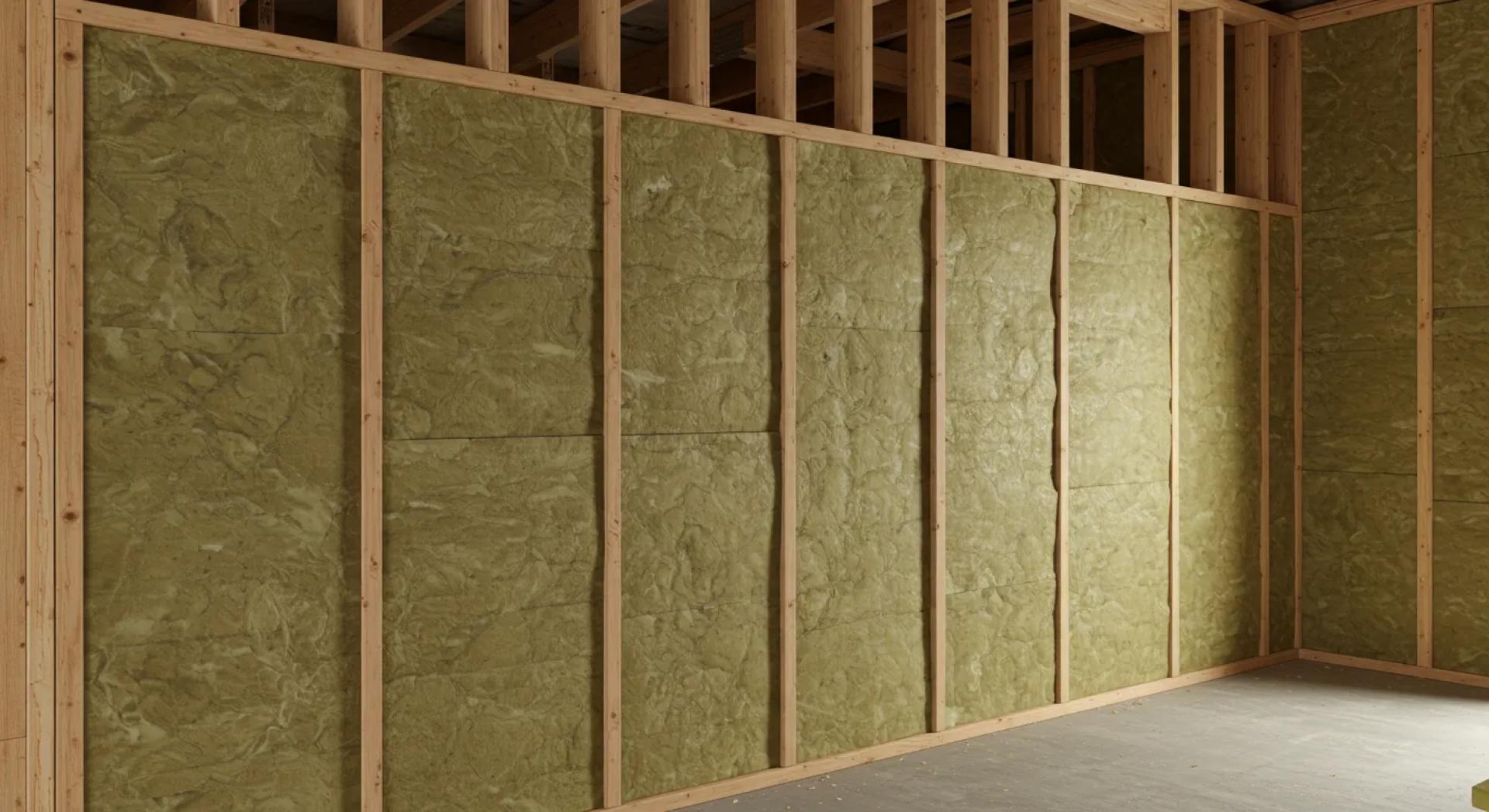
For fiberglass to function correctly, it must contact all six sides of the wall cavity without being compressed. Even a small gap of less than an inch can reduce the wall's thermal performance by over 20 percent. Compression forces the air pockets out, turning the fluffy material into a conductive solid that offers little protection.
Bonus Tip: Inspecting for Gaps
Homeowners can identify poor installation by feeling the wall surface on a cold day. If certain spots feel significantly colder than others, it usually indicates a void or compression in the fiberglass layer behind the drywall.
Moisture Regulation and Comfort
Balancing indoor humidity is as essential as regulating temperature. In regions with significant seasonal changes like Montana, moisture management prevents dry winter air and humid summer conditions from affecting the living space. Fiberglass interacts with moisture in ways that can impact this delicate balance.
Permeability and Vapor Transfer
Fiberglass does not stop water vapor. Moisture from cooking, showering, and breathing passes easily through the material. If this vapor reaches a cold surface inside the wall, it condenses into liquid water. Wet fiberglass loses its insulating ability, leading to a rapid drop in indoor temperature stability.
- Saturated insulation allows heat to bleed through the walls.
- Trapped moisture promotes mold growth, which affects indoor air quality.
- Damp insulation often settles, creating permanent gaps near the ceiling.
Acoustic Balance and Noise Reduction
Beyond temperature, a balanced home feels quiet and peaceful. One area where fiberglass performs well is sound absorption. The density of the glass fibers disrupts sound waves, reducing the transmission of noise between rooms and from outside sources.
Placing fiberglass batts in interior partition walls helps isolate noise from laundry rooms, bathrooms, and media centers. This contributes to a "sensory balance" in the home, allowing different activities to occur simultaneously without disturbance.
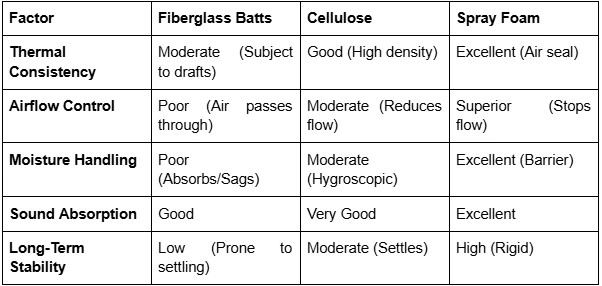
Comparison of Insulation Factors
The following table compares fiberglass with other materials on factors that influence indoor balance.
Things to Consider Before Making a Decision
Choosing fiberglass requires accepting specific trade-offs between cost and performance. Builders often select it to keep upfront construction costs low, but this decision may lead to higher monthly utility bills to maintain a comfortable balance. Property owners must evaluate the local climate; in areas with extreme wind or cold, the air permeability of fiberglass becomes a significant liability.
- Assess the quality of the exterior air barrier (house wrap) to ensure it complements the insulation.
- Consider the long-term energy costs of heating a home with air leakage.
- Verify that the installer understands the importance of cutting around wires and pipes rather than stuffing the material.
Summary
Fiberglass insulation provides a baseline level of thermal resistance that slows heat loss, but it struggles to maintain proper indoor balance because it cannot stop airflow or moisture. While it offers acoustic benefits and affordability, its performance relies heavily on perfect installation and external air barriers. For homes in harsh climates, relying solely on fiberglass often results in fluctuating temperatures and higher energy demands.
Next Steps for Homeowners
Residents experiencing uneven temperatures or high utility bills should consider a professional energy assessment to determine whether their insulation is functioning properly. Wegner Insulation evaluates properties to identify thermal weaknesses and air leakage points. They assist homeowners in determining whether their existing system can be improved or if a more advanced solution is necessary to achieve lasting comfort. To discuss specific needs or schedule an inspection, contact the team at (406) 607-8476 or via email at [email protected].
Questions People Ask About Fiberglass
Homeowners frequently inquire about the capabilities and limitations of this standard material. Clarifying these points helps set realistic expectations for home performance.
Does fiberglass stop drafts?
No. Fiberglass filters air but does not stop it. A separate air barrier or sealant is required to prevent drafts from entering the home through the insulation layer.
Can fiberglass mold?
Glass fibers do not eat, but the dust and organic matter trapped within the fibers serve as a food source for mold if the material gets wet.
How long does fiberglass last?
Ideally, it lasts for the life of the home, but in practice, it often settles or sags over 15 to 20 years, creating gaps that reduce its effectiveness.
Is a higher R-value always better?
Increasing the R-value helps, but if the home leaks air, the extra thickness provides diminishing returns. Air sealing is often more effective than adding more fiberglass.
Can I put new fiberglass over old?
Yes, provided the old insulation is dry and not moldy. However, compressing the new layers to fit into a tight space will lower the overall R-value.
Author: Richard Hall is a construction professional with experience spanning from his early years. Specializing in spray foam insulation, he has completed extensive training and earned certifications, which led him to start his own company in 2022.
Reviewer: Alexander Davis, with 11 years of experience in spray foam application, provided a review that helped us better address the concerns and goals of companies working on both residential and commercial projects.

























Sign in to leave a comment.