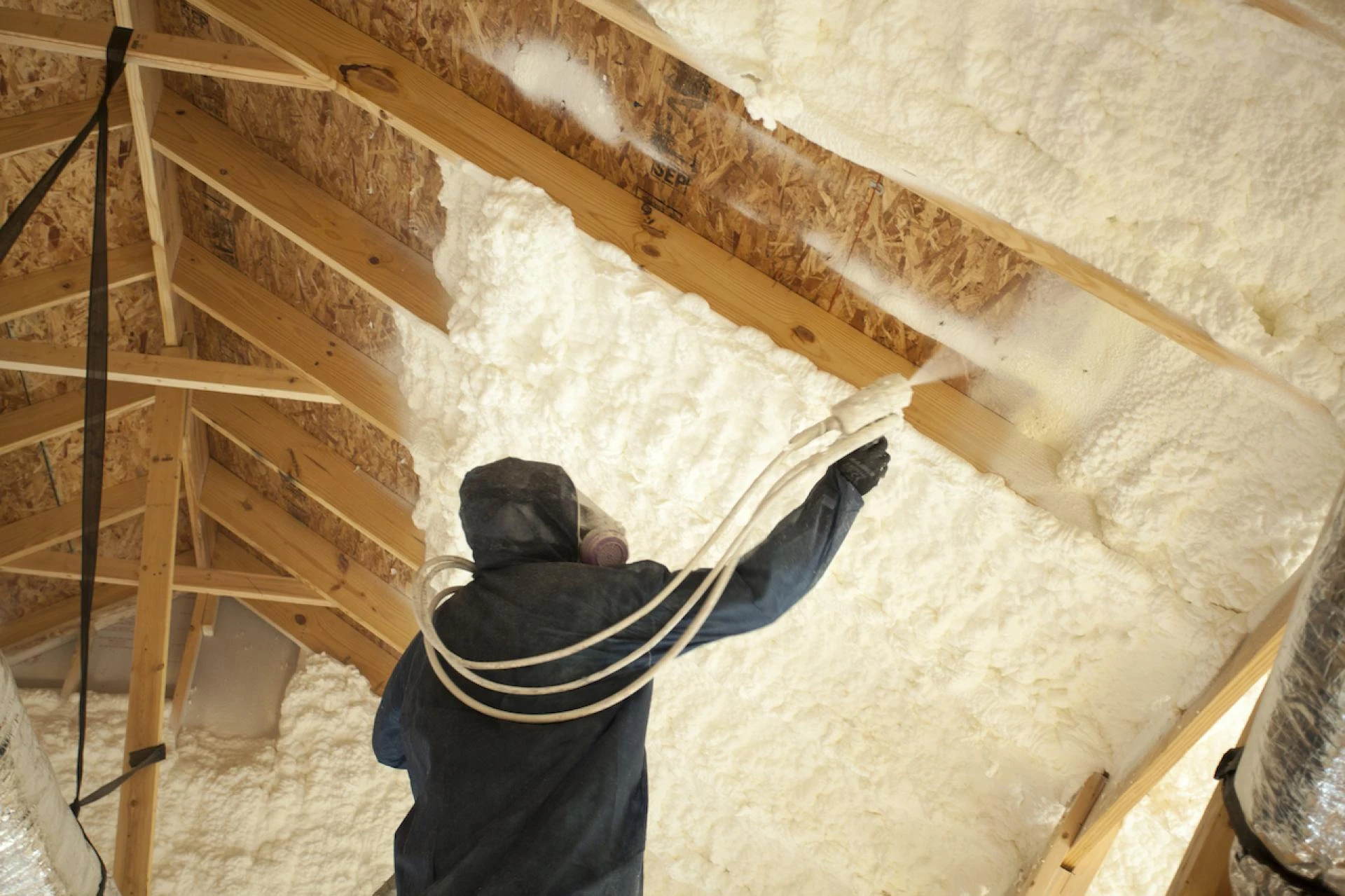

Spray foam insulation improves energy efficiency in homes and commercial buildings throughout Miami, OK by sealing gaps and reducing unwanted air exchange. This airtight barrier helps maintain consistent indoor temperatures year-round, leading to lower energy consumption and reduced utility bills.
This article explains how professional spray foam insulation in Miami, OK works in real homes and buildings. From the science behind energy loss to the installation process and long-term performance, each section supports homeowners and property managers looking for practical, energy-conscious solutions.
How Spray Foam Reduces Energy Waste in Homes and Buildings
Proper insulation blocks the two major causes of energy loss—air leakage and thermal transfer. In Miami’s varied climate, with hot summers and chilly winters, the ability to regulate indoor temperatures directly affects comfort and monthly utility costs.
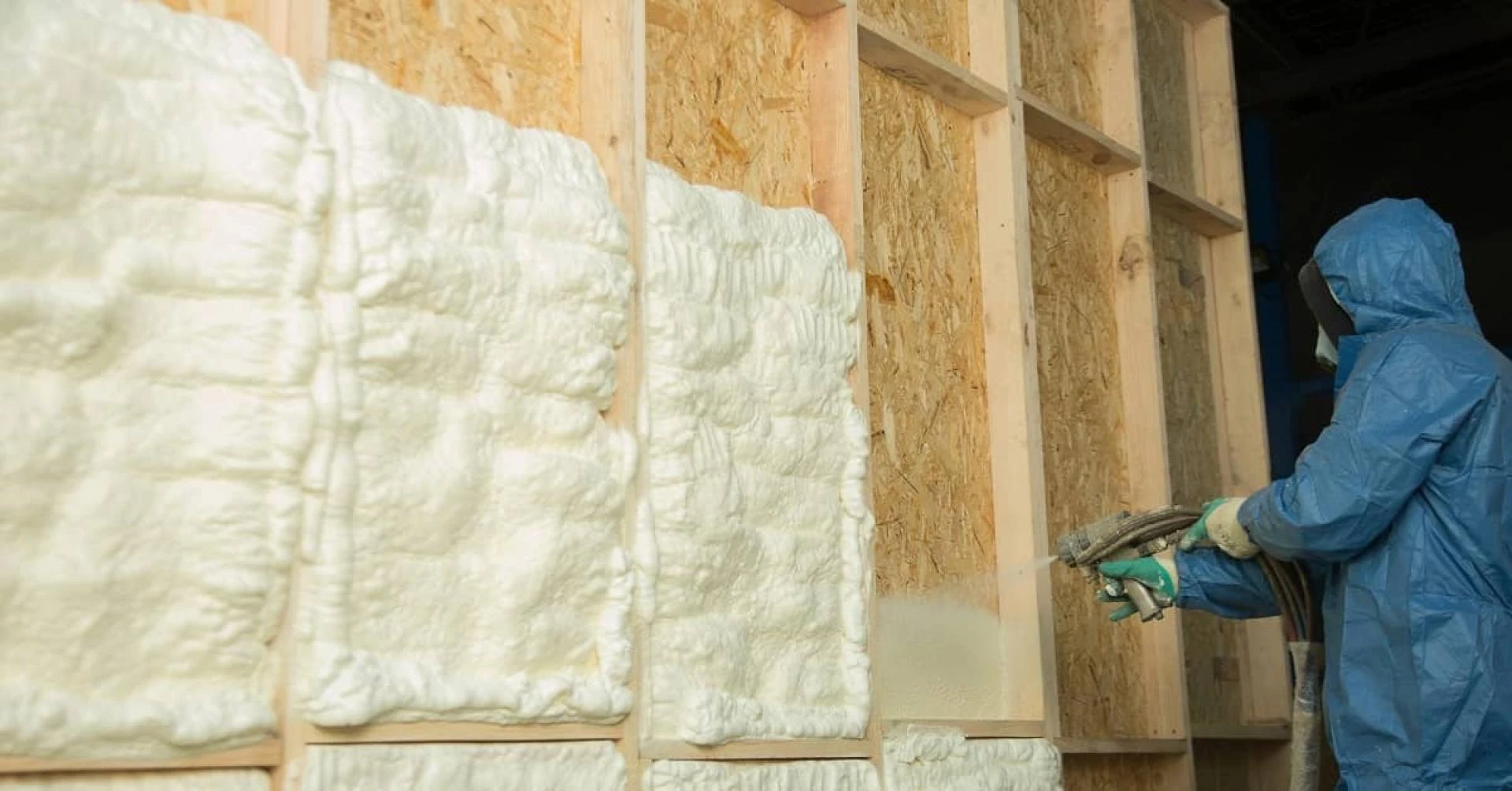
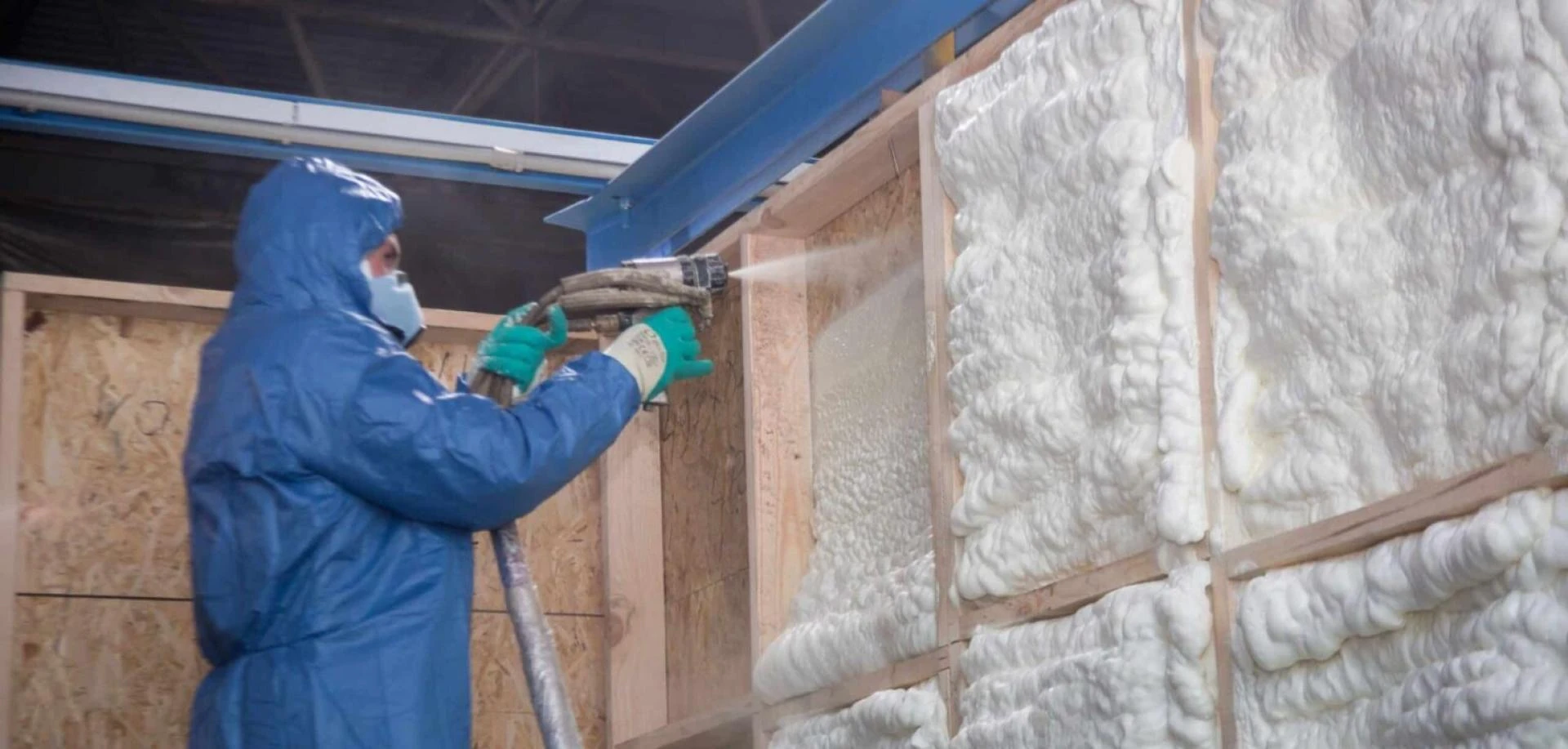
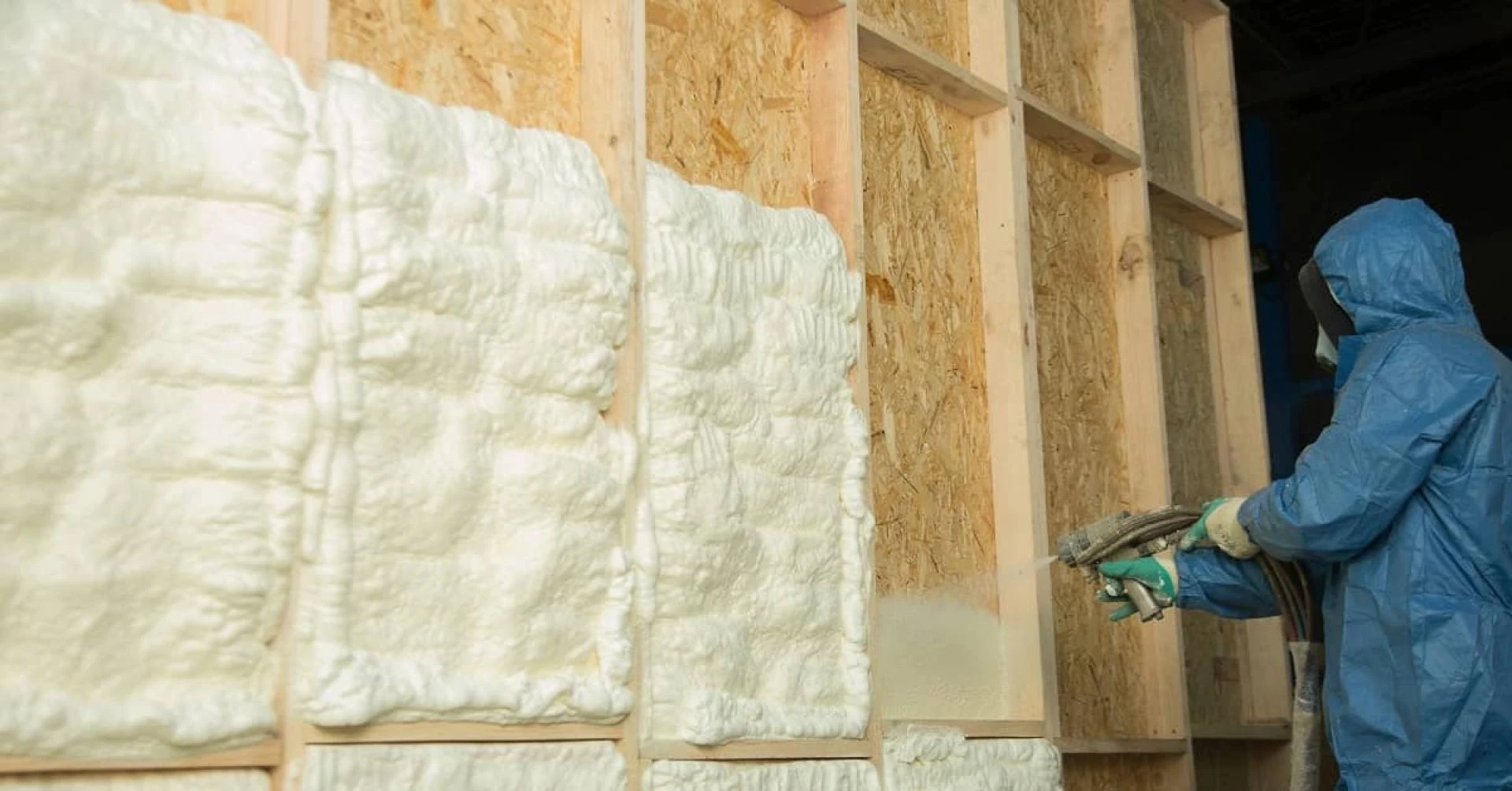
Spray foam expands upon application, filling small cracks and irregular spaces that traditional insulation often misses. This seamless layer works as both an insulator and an air sealant, reducing the load on HVAC systems and helping indoor spaces maintain consistent temperatures.
Air Leakage and Thermal Bridging Control
Air leaks account for a large share of energy waste. Warm air escaping in the winter or entering in the summer forces HVAC systems to work harder, raising energy use. Spray foam forms a solid barrier that minimizes this cycle.
Energy Efficiency Ratings and Long-Term Value
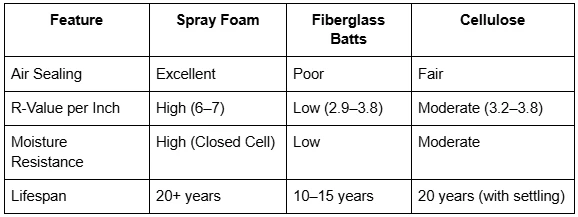
Closed cell spray foam offers a high R-value per inch, meaning better resistance to heat flow. Its dense structure also adds structural integrity to walls, especially useful in older homes or barns around Miami.
Comparing Spray Foam to Other Insulation Types
Spray foam insulation consistently outperforms fiberglass batts and cellulose when it comes to thermal resistance and air sealing. Each material has its place, but spray foam often delivers the best performance for energy-conscious insulation projects.
Where Spray Foam Works Best in Miami Homes
Spray foam isn’t a one-size-fits-all solution. Its best value comes from strategic use in areas with the most energy loss or moisture exposure.
Air leaks are most common in attics, crawl spaces, rim joists, and wall penetrations. Applying spray foam in these spots helps protect both older and new construction properties from inefficiency and premature wear.
Attic and Roofline Coverage
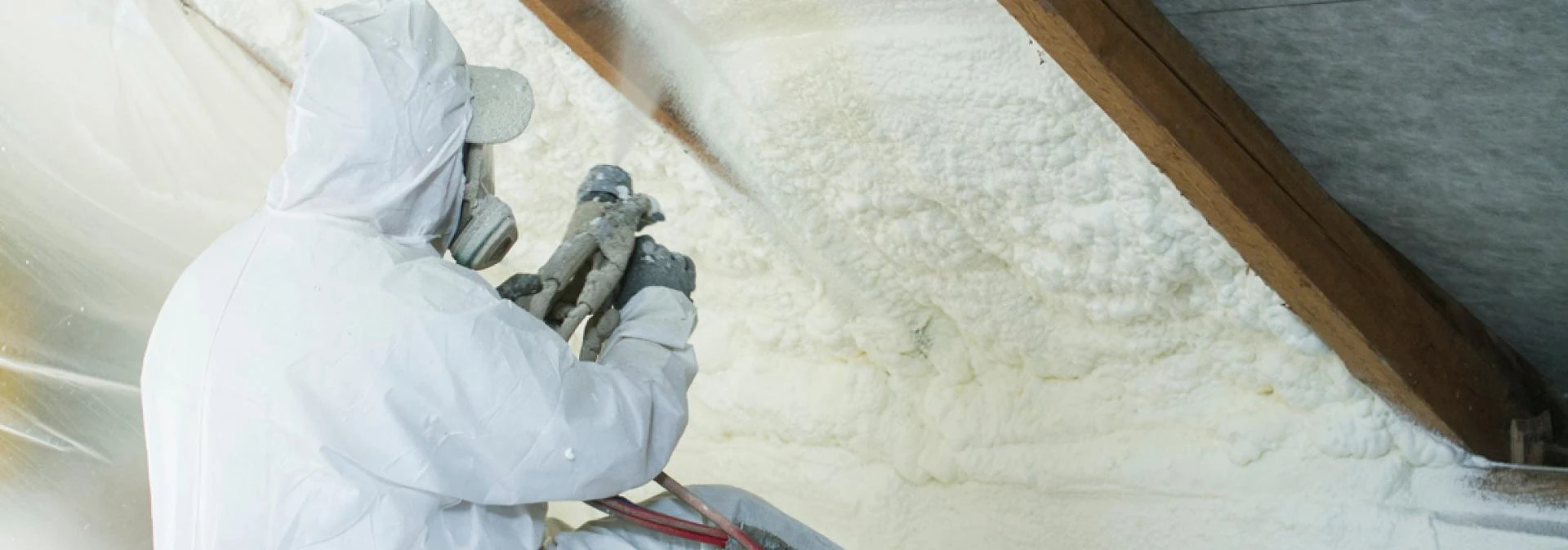
Insulating the underside of a roof deck creates a conditioned attic, protecting HVAC ducts and storage items from extreme temperatures.
Crawl Space Sealing
Spray foam stops cold drafts and moisture from entering through floor joists and foundation vents. This improves indoor air quality and lowers heating demand.
Wall Cavities and Rim Joists
Filling rim joists and wall cavities with spray foam creates a continuous thermal boundary. This is especially effective in Miami homes with fluctuating indoor-outdoor temperature differences.

Installation Matters: Relying on Experienced Professionals
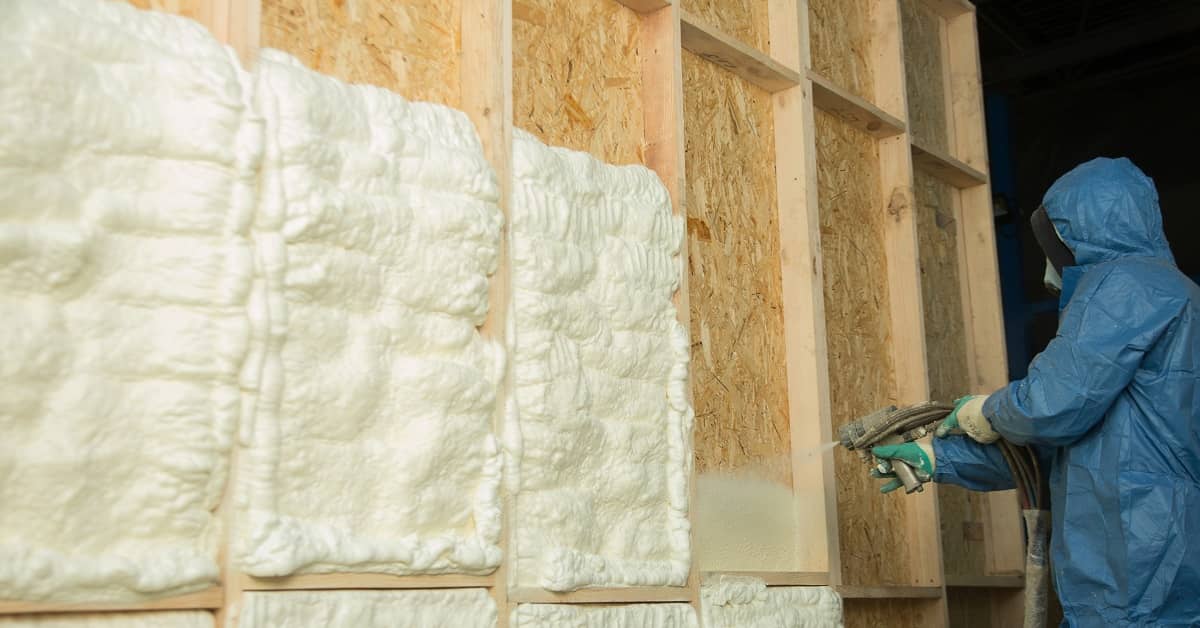
Applying spray foam is a detailed process that requires temperature-controlled environments, proper mixing, and skilled handling of chemicals. A misapplied job can cause poor performance, odor, or long-term issues.
Expert spray foam professionals in Miami understand how to plan and prepare each job site—from substrate inspection to precise layer application. That local knowledge matters when working around Miami’s humidity levels, foundation types, and common building materials.
Signs of a Quality Insulation Team
- Uses trusted spray foam brands with track records in residential and commercial buildings
- Offers both closed cell and open cell foam for different project goals
- Advises based on property type, not just square footage
- Completes full air sealing in combination with insulation
Services Offered by Ozark Eco Foam Insulation
- Residential Spray Foam Protects walls, attics, and crawl spaces with long-lasting insulation that reduces heating and cooling demand.
- Commercial Insulation Custom solutions for offices, retail spaces, and warehouses with high-traffic HVAC zones and demanding energy requirements.
- Closed Cell Spray Foam High-density insulation that resists water and adds strength to walls and roofing systems.
- Open Cell Spray Foam Flexible and cost-effective solution for interior spaces with lower moisture risk.
- Agricultural Spray Foam Used in barns, poultry houses, and storage areas where moisture and temperature control are vital for operations.
- Crawl Space Insulation Helps seal off cold air, reduce mold growth, and increase comfort on the main floor.
- Insulation Removal Prepares homes and buildings for new foam applications by safely removing outdated, compacted, or damaged insulation.
- Air Sealing Targets gaps around windows, outlets, and penetrations to minimize air exchange and maximize insulation performance.
- New Construction Insulation Ensures newly built homes start off energy-efficient by insulating walls, attics, and foundations from day one.
- Pole Barn Insulation Prevents condensation and heat transfer in metal barns and outbuildings used for storage or equipment.
- Attic Insulation Protects against heat buildup and reduces the load on HVAC systems in upper levels of a building.
- Metal Building Insulation Foam is applied to prevent rusting, manage interior temperatures, and reduce sound transfer in metal-framed structures.
Common Questions
How long does spray foam insulation last in a typical Miami home?
Spray foam can last over 20 years when installed correctly. Closed cell varieties are especially durable and resist moisture, mold, and breakdown even in humid or fluctuating climates.
Can spray foam reduce HVAC usage during Miami’s summer heat?
Yes. By sealing off air leaks and providing a thermal barrier, spray foam reduces the strain on HVAC units during high-temperature months, often leading to noticeable drops in cooling bills.
Does spray foam help with moisture control in crawl spaces?
Closed cell spray foam provides a moisture-resistant seal, preventing ground vapor from entering crawl spaces. This reduces mold risks and keeps interior air drier and healthier.
What R-value is recommended for homes in Miami, OK?
The Department of Energy recommends attic insulation with R-values between R-38 and R-60 for this region. Closed cell spray foam offers high R-values per inch, making it easier to meet these targets with less material.
Conclusion
Spray foam insulation helps property owners in Miami, OK save energy by improving building performance where it matters most—air sealing, thermal resistance, and moisture control. When installed by skilled professionals using reliable products, this solution supports year-round comfort and lower utility bills.
Miami’s climate requires insulation that does more than fill space. Spray foam adapts to local building types and weather patterns, giving homes and businesses long-term performance they can rely on.
Ready to Achieve Long-Term Energy Savings?
Ozark Eco Foam Insulation offers professional-grade spray foam installation across residential, commercial, and agricultural buildings in Miami, OK. Every service reflects a focus on air sealing, thermal control, and moisture protection.
Call today to schedule an inspection or request a quote: (620) 383-9092
FAQs
Is open cell or closed cell better for attic insulation?
Closed cell spray foam is better for attics where moisture resistance and higher R-values are needed. Open cell works well for sound dampening and interior walls but offers less thermal resistance.
Can spray foam insulation be added to existing walls?
Yes, but it depends on wall access and materials. Injection foam methods or partial drywall removal may be required to install foam into closed cavities.
Does spray foam insulation affect indoor air quality?
Once cured, spray foam does not release harmful particles or gases. Proper ventilation during installation ensures safety and healthy air quality.
Are energy rebates available for insulation upgrades in Miami?
Energy efficiency programs may offer rebates or tax incentives for insulation improvements. Always check with local utility providers or government agencies before beginning a project.
How long does spray foam take to cure after installation?
Most spray foam sets within minutes and cures fully in 24 hours. Occupancy should be avoided during application to allow proper ventilation and chemical off-gassing.
Author: Jeremy Fields brings over a decade of experience in construction and business to Ozark Eco Foam. With a background in both residential and commercial projects, he focuses on completing each insulation job with accuracy and attention to detail. Ozark Eco Foam reflects his commitment to quality work and practical solutions built on years of hands-on industry knowledge.
Reviewer: Amelia Young contributed insights from 10 years in spray foam insulation. Her review helped sharpen the article’s focus on customer engagement and clear service messaging.



























Sign in to leave a comment.