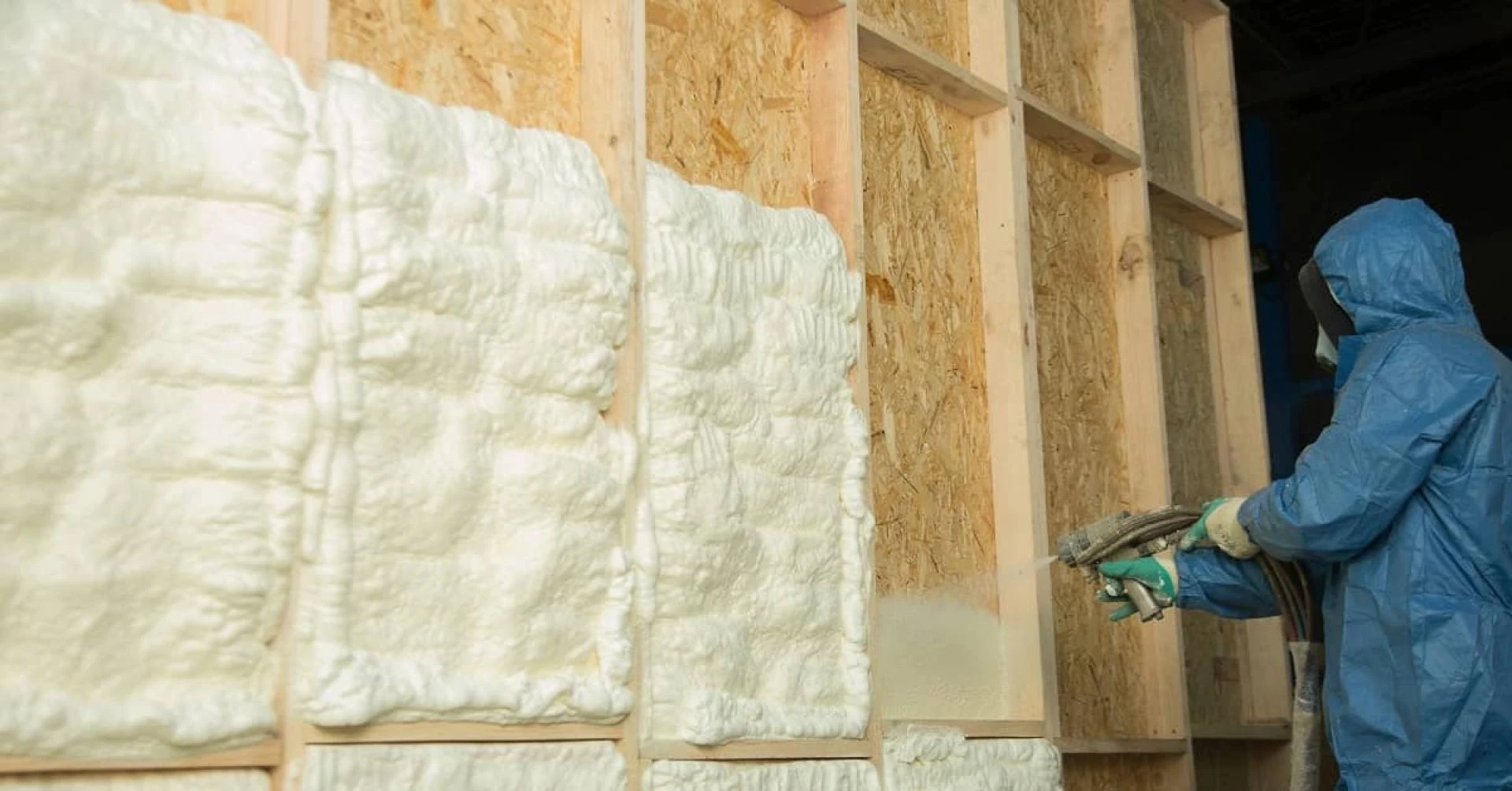

Drafty offices, overheated warehouses, and energy bills that make no sense—sound familiar? Commercial buildings are built to do business, but they’re not always built for comfort or efficiency. If you're managing an office or warehouse, poor insulation is more than just an annoyance. It's a drain on your budget, productivity, and even the equipment inside your building.
This guide is here to help cut through the confusion. Whether you're retrofitting an old space or setting up a new one, an expert commercial insulation contractor can fix uneven temperatures, slash energy waste, and create a more functional workspace—all without becoming a guessing game. Let’s walk through what actually works and why it matters year-round.
Why Commercial Buildings Need Specialized Insulation
Offices and warehouses deal with insulation challenges that homes just don’t. Large spaces, high ceilings, fluctuating occupancy, and sensitive equipment create a complicated thermal load.
These environments require materials and methods that do more than just block heat or cold—they need to regulate airflow, reduce system strain, and help maintain consistent conditions across broad, often segmented spaces.

Temperature Control Challenges in Offices
Office spaces have varied occupancy throughout the day, lots of electronics, and internal heat generation. Poor insulation leads to uneven comfort—some areas freeze while others overheat. Staff productivity takes a hit.
Warehouse Conditions Are Harder to Manage
Warehouses often have metal roofs, high ceilings, and large doors opening all day. That creates rapid temperature swings. Without proper insulation, HVAC systems can’t keep up, and stored materials or inventory may be at risk.
Fun Fact: A poorly insulated warehouse roof can allow over 70% of summer heat to enter directly through the top of the structure.
Which Commercial Insulation Materials Work Best?
Not every insulation material is cut out for commercial use. What works for a small attic often fails in a metal-roof warehouse or multi-zone office.
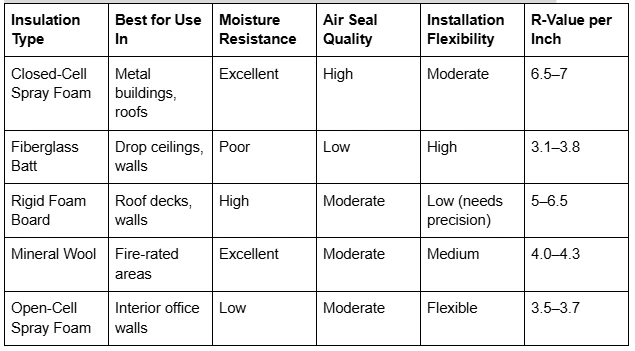
Durability, moisture resistance, air sealing, and fire ratings are critical in these environments. Here's how the most common materials stack up.
Material Comparison and Suitability
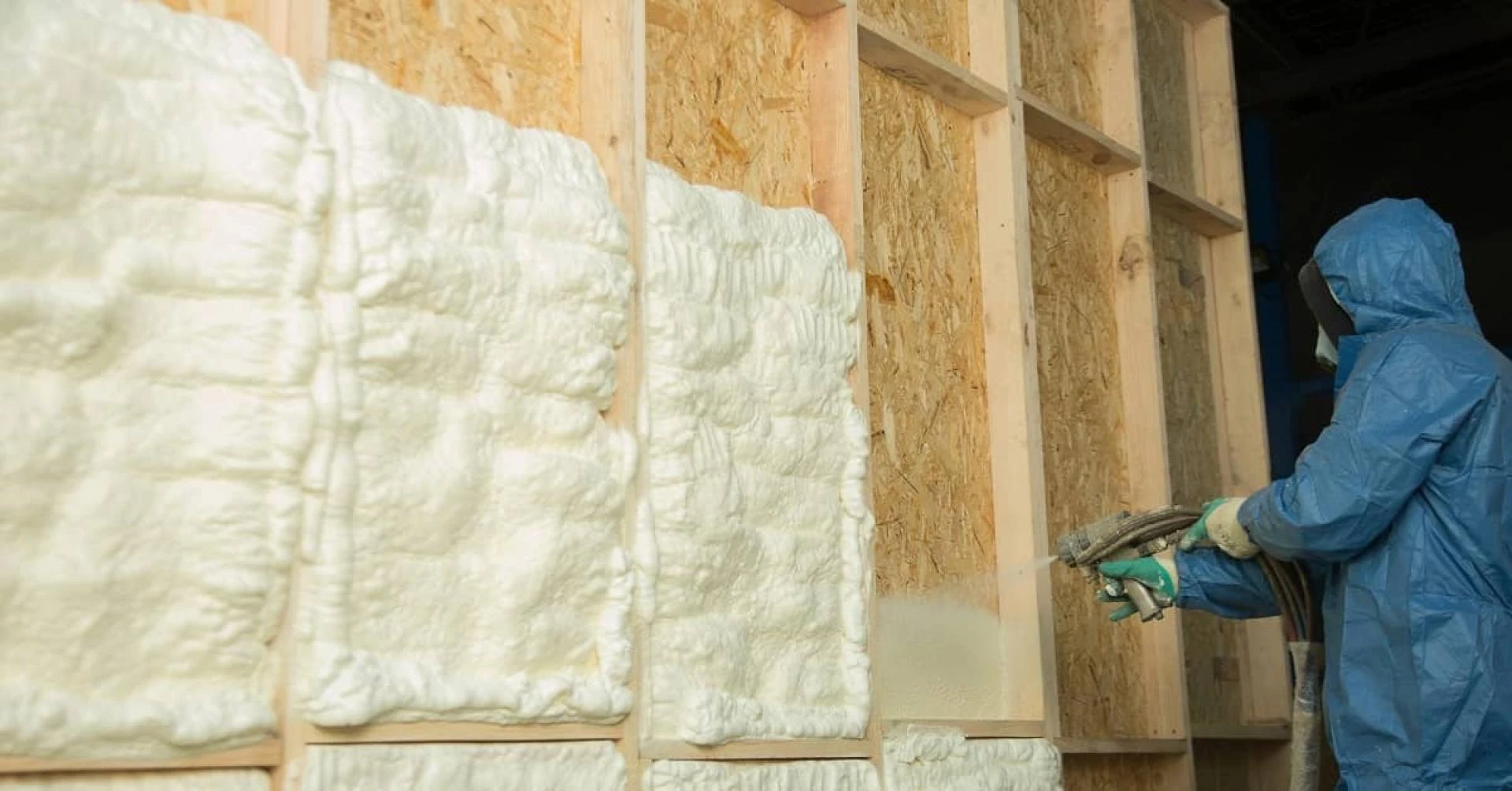
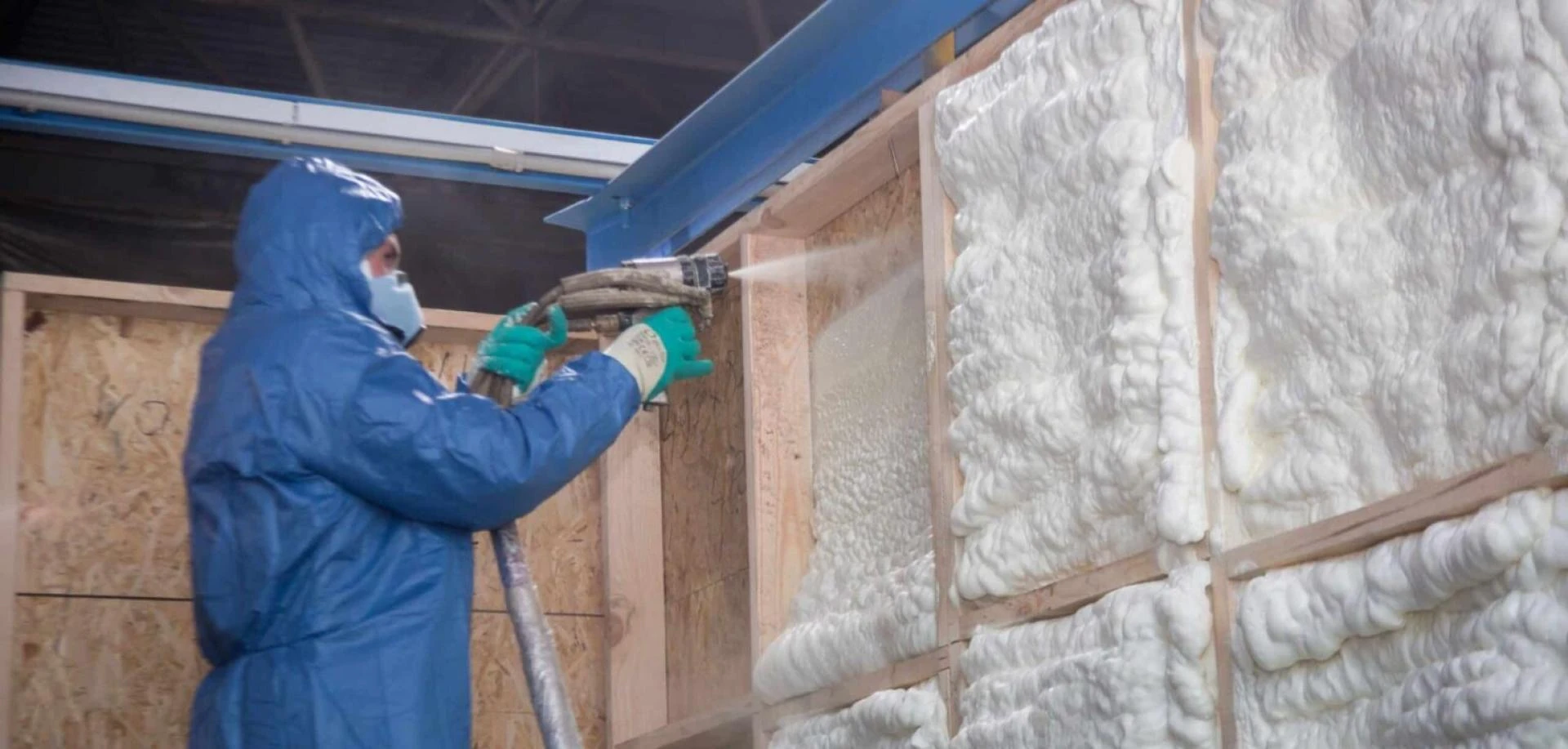
Closed-cell spray foam is a favorite for its high R-value and moisture barrier. Fiberglass is cheaper, but less effective in humid or variable environments. Rigid foam board works well in walls and roofing systems but may require specialized installation.
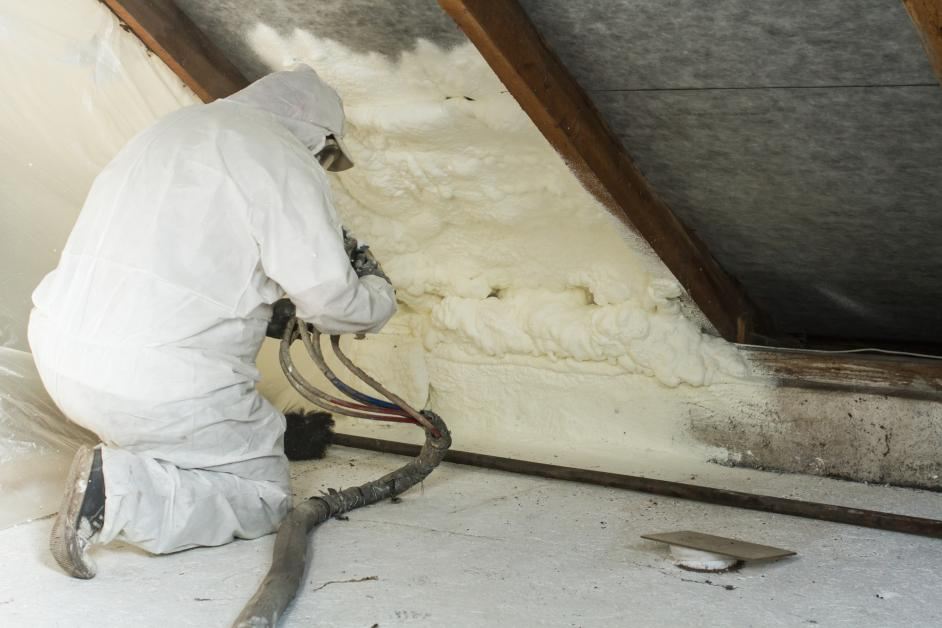
Table: Commercial Insulation Material Performance Overview
How Insulation Impacts HVAC Efficiency and Energy Bills
The size and structure of commercial buildings make HVAC systems a major expense. The right insulation reduces that load dramatically by stabilizing internal temperatures and minimizing air loss.
HVAC Load Reduction
When insulation limits temperature transfer, HVAC systems don't need to cycle as frequently or aggressively. This reduces wear on equipment and keeps indoor air more consistent without peak demand spikes.
Energy Efficiency and Operating Cost Savings
Insulated buildings recover temperature faster and hold it longer. This lowers both heating and cooling needs, which translates directly to lower monthly utility costs—often by 15–30% depending on climate and building use.
Fun Fact: A properly insulated warehouse can reduce HVAC runtime by up to 50% during peak summer days.
Key Areas to Insulate in Offices and Warehouses
Not all square footage is created equal. Some areas bleed energy more than others. Targeting the right zones makes insulation efforts faster, cheaper, and more effective.
Roof and Ceiling Areas
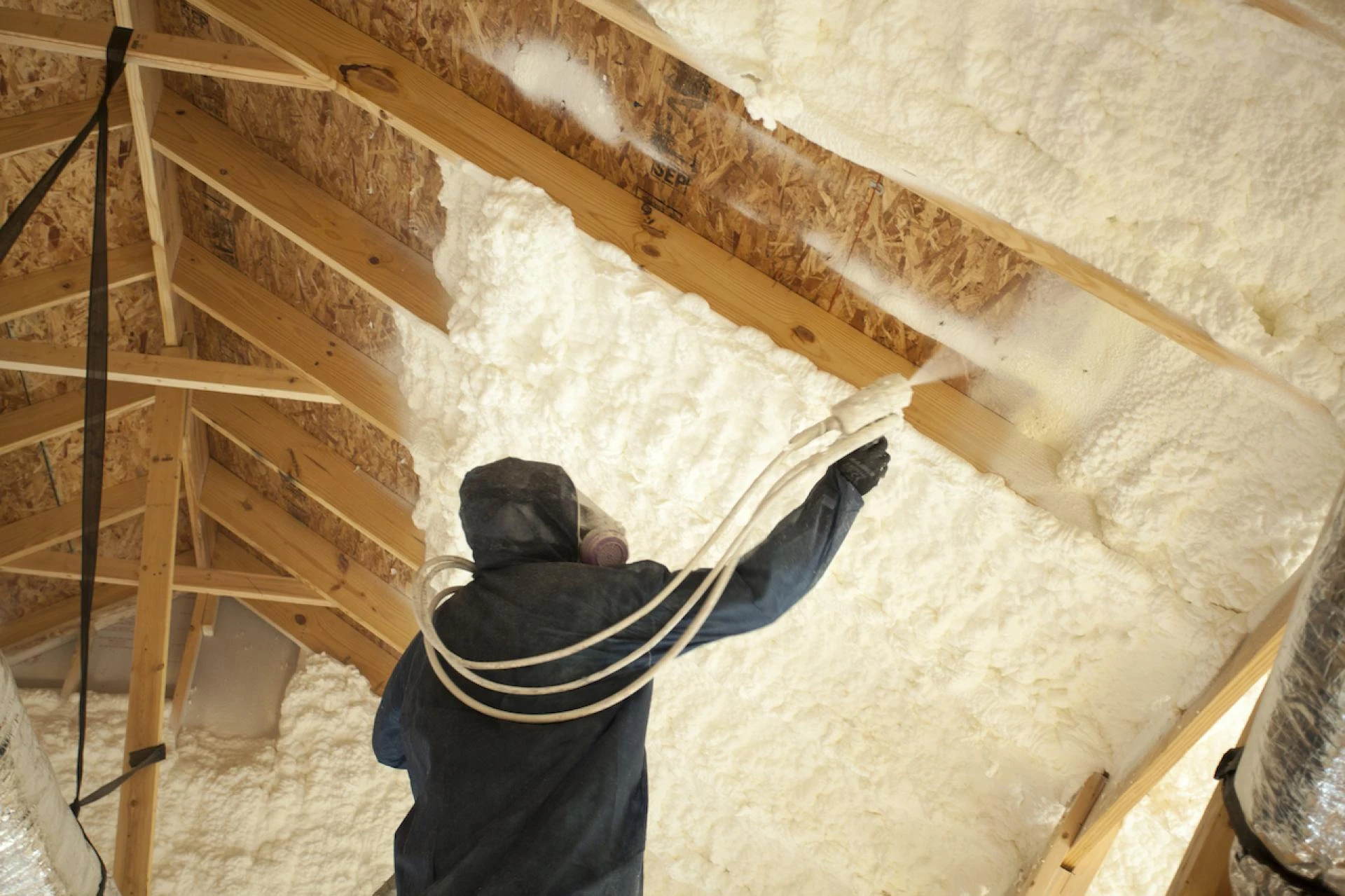
Heat rises—so your roof is the biggest point of loss in winter and gain in summer. Roof insulation, especially with spray foam or rigid board, helps stop this energy exchange.
Walls and Partitioned Spaces
Office walls often have inconsistent or outdated insulation. Adding closed-cell or mineral wool insulation improves comfort and reduces sound transfer between zones.
Warehouse Doors and Loading Docks
Large doors create constant air exchange. Using insulated paneling or applying foam board to nearby walls and ceiling zones minimizes heat movement and protects inventory.
When to Upgrade or Retrofit Existing Insulation
Sometimes insulation is outdated, damaged, or just wasn’t installed well in the first place. Knowing when to act saves long-term maintenance costs and avoids unexpected temperature issues.
Signs Insulation Isn't Working
- Rooms near exterior walls are colder or hotter than internal areas
- HVAC system runs continuously without maintaining set temps
- Utility bills rise without any change in operations
- Condensation or humidity appears in unexpected zones
Benefits of Upgrading During Renovation or Reconfiguration
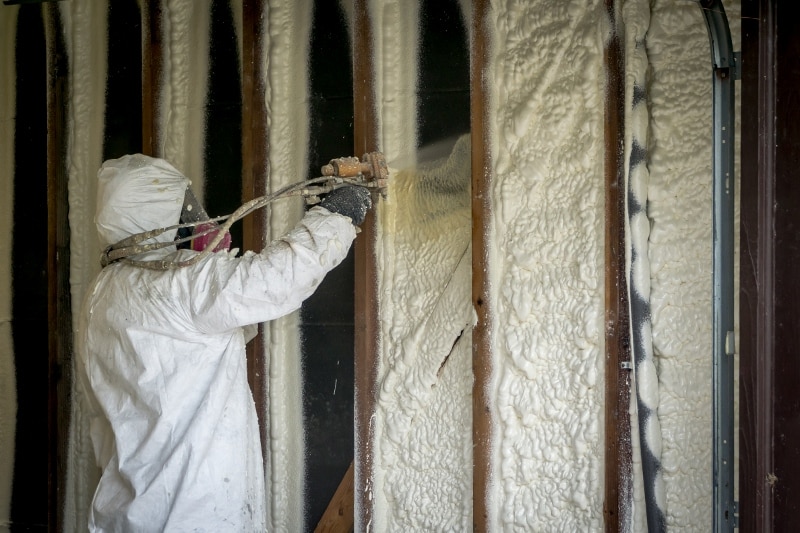
If you're redesigning an office or adjusting warehouse layout, it's the perfect time to upgrade insulation. Installing it during structural changes minimizes disruption and improves ROI on the entire renovation.
Conclusion
Insulation in commercial buildings isn't just about comfort—it’s about control. Controlling costs. Controlling interior environments. Controlling energy waste. Offices and warehouses that invest in high-performance insulation are better equipped to handle changing seasons, utility demands, and space usage.
The difference between “sort-of-insulated” and a professional spray foam insulation service can show up in every utility bill, staff complaint, and equipment issue. If your workspace constantly battles temperature inconsistencies, the answer probably isn’t more AC—it’s better insulation. Choosing the right solution for your structure and usage is the first step toward a building that actually works with you, not against you.
FAQs
Which insulation material is best for a warehouse roof? Closed-cell spray foam is often the top choice. It offers strong R-values, moisture resistance, and creates a tight air seal ideal for large, open metal structures.
Can office insulation really affect productivity? Yes. Uncomfortable temperatures lead to decreased focus, more complaints, and higher HVAC noise. Better insulation maintains stability and reduces distractions.
Does spray foam offer soundproofing for offices? Open-cell spray foam has mild sound-dampening qualities. It reduces air-based sound transfer, making it helpful in busy or shared office spaces.
How long does commercial insulation last? High-quality materials like spray foam or rigid board can last 30–40 years with minimal maintenance. Poorer-quality materials may settle, compress, or degrade within 15–20 years.
What part of a commercial building should be insulated first? Start with the roof. It accounts for the highest share of energy loss. From there, focus on exterior walls and loading docks or door-heavy zones.
Author: Jeremy Fields brings over a decade of experience in construction and business to Ozark Eco Foam. With a background in both residential and commercial projects, he focuses on completing each insulation job with accuracy and attention to detail. Ozark Eco Foam reflects his commitment to quality work and practical solutions built on years of hands-on industry knowledge.
Reviewer: Amelia Young contributed insights from 10 years in spray foam insulation. Her review helped sharpen the article’s focus on customer engagement and clear service messaging.


























Sign in to leave a comment.