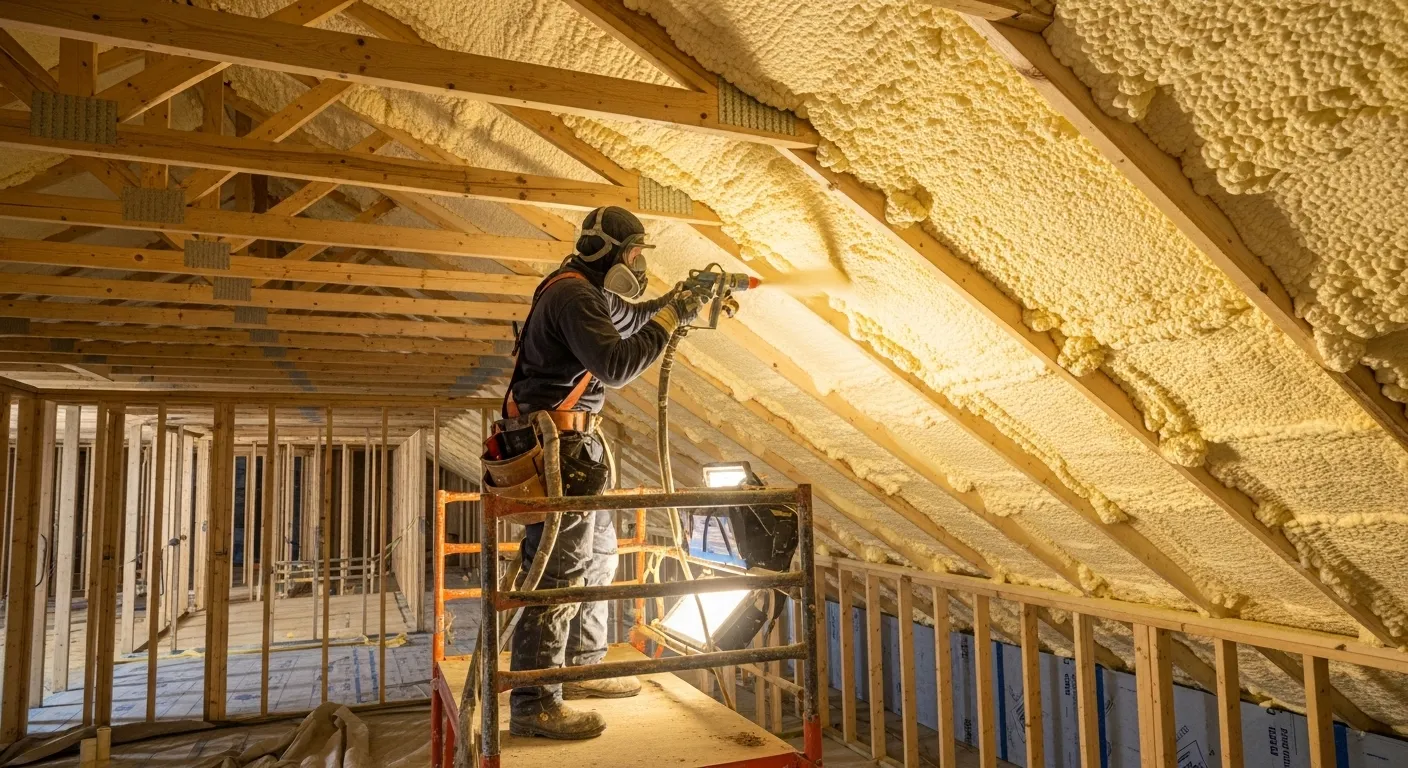

Wyoming homes face some of the most aggressive weather in the country, from freezing mountain winds to intense summer sun. To keep these houses comfortable, property owners need more than just a simple barrier against heat loss; they need a complete air seal. Spray foam insulation solutions solve this by expanding to fill every gap and crack in a building structure, preventing the drafts that traditional fiberglass often fails to stop. By creating a continuous thermal envelope, this material keeps interiors warm during sub-zero winters and cool when summer temperatures spike.
Professionals who work in the high-altitude regions of the Rocky Mountains recognize that standard building materials often fall short in local conditions. Using specialized products like spray polyurethane foam provides a level of performance that matches the demands of a Zone 6 climate. This guide provides an objective look at how this technology works and why it remains a preferred choice for modern residential and commercial structures.
Dealing with the High Plains Environment
The primary challenge for any Wyoming structure is the wind. In many parts of the state, wind speeds frequently exceed 30 or 40 miles per hour. When wind hits a house, it creates pressure differences that force cold air through tiny gaps in siding, around window frames, and through attic vents. This process, known as air infiltration, makes even the most powerful heating systems work harder than necessary.
Standard batts or blown-in materials do not stop air movement; they act like a wool sweater, which provides warmth but lets the wind blow right through. Spray foam insulation acts more like a windbreaker, providing both thermal resistance and a physical barrier. Market data indicates that this type of air leakage can account for up to 40 percent of energy use, but by sealing the building tightly, property owners ensure that the air they pay to heat or cool stays inside the living space.
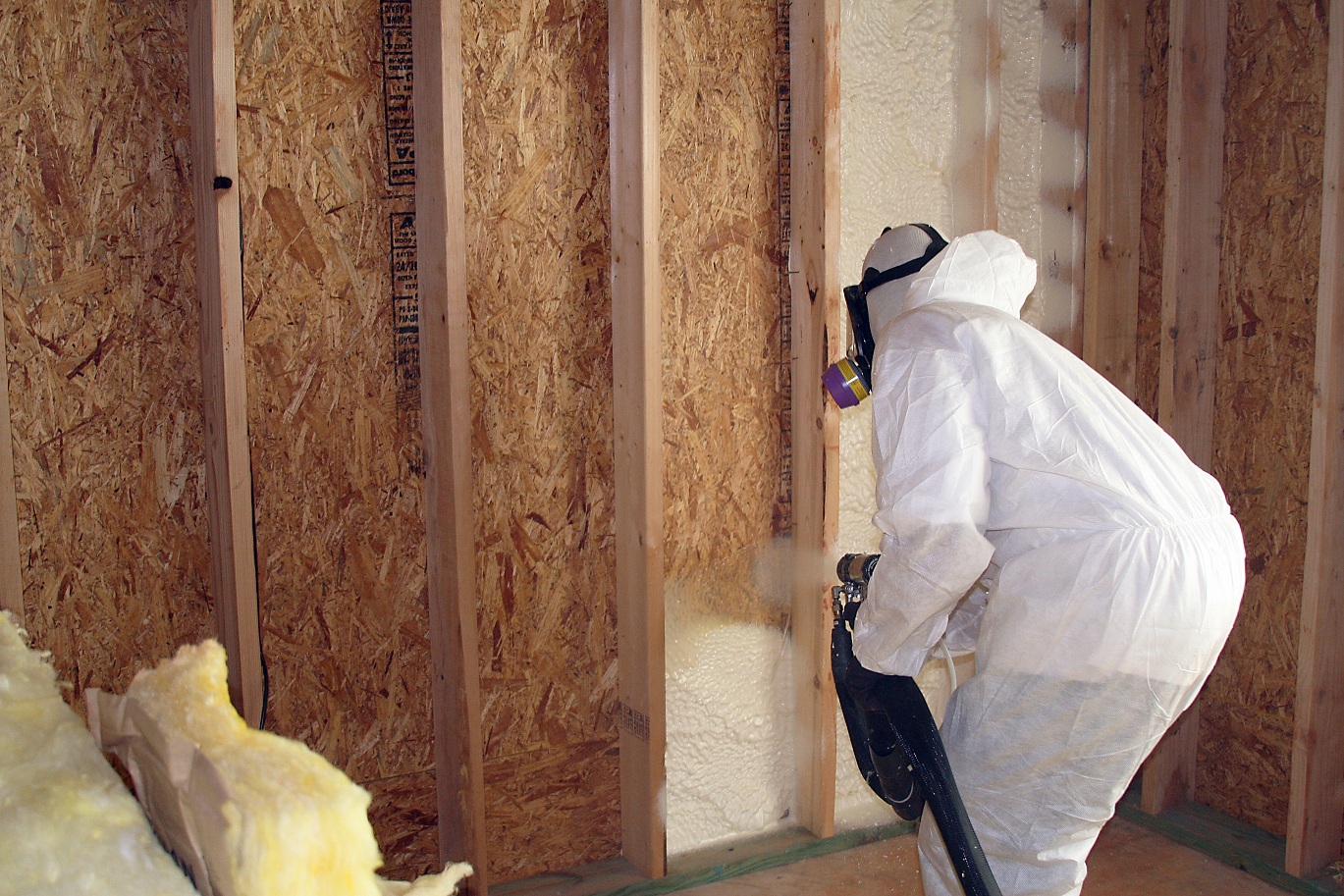
Understanding Thermal Resistance and Air Leakage
Thermal performance is measured by R-value, which indicates how well a material resists heat flow. While Wyoming building codes require high R-values for walls and ceilings, the R-value alone does not tell the whole story. If a material has a high R-value but allows air to pass through it, the effective performance drops significantly.
In a climate where winter temperatures can stay below freezing for weeks, air movement represents a significant financial burden. A professional spray foam insulation company can address this by applying a material that sticks directly to the substrate, leaving no room for air to bypass the insulation and ensuring the R-value is fully realized.
Stopping the Wyoming Wind
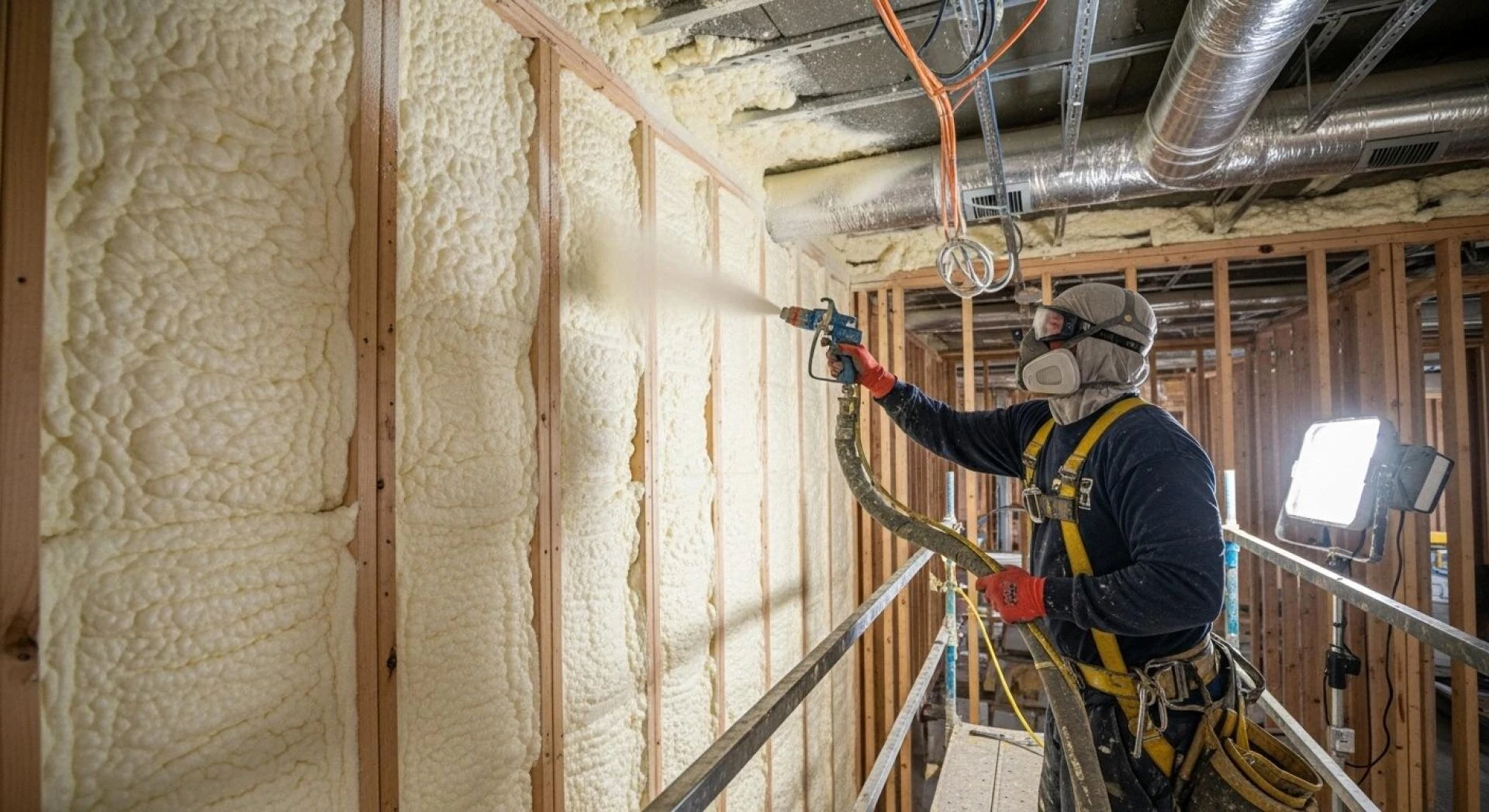
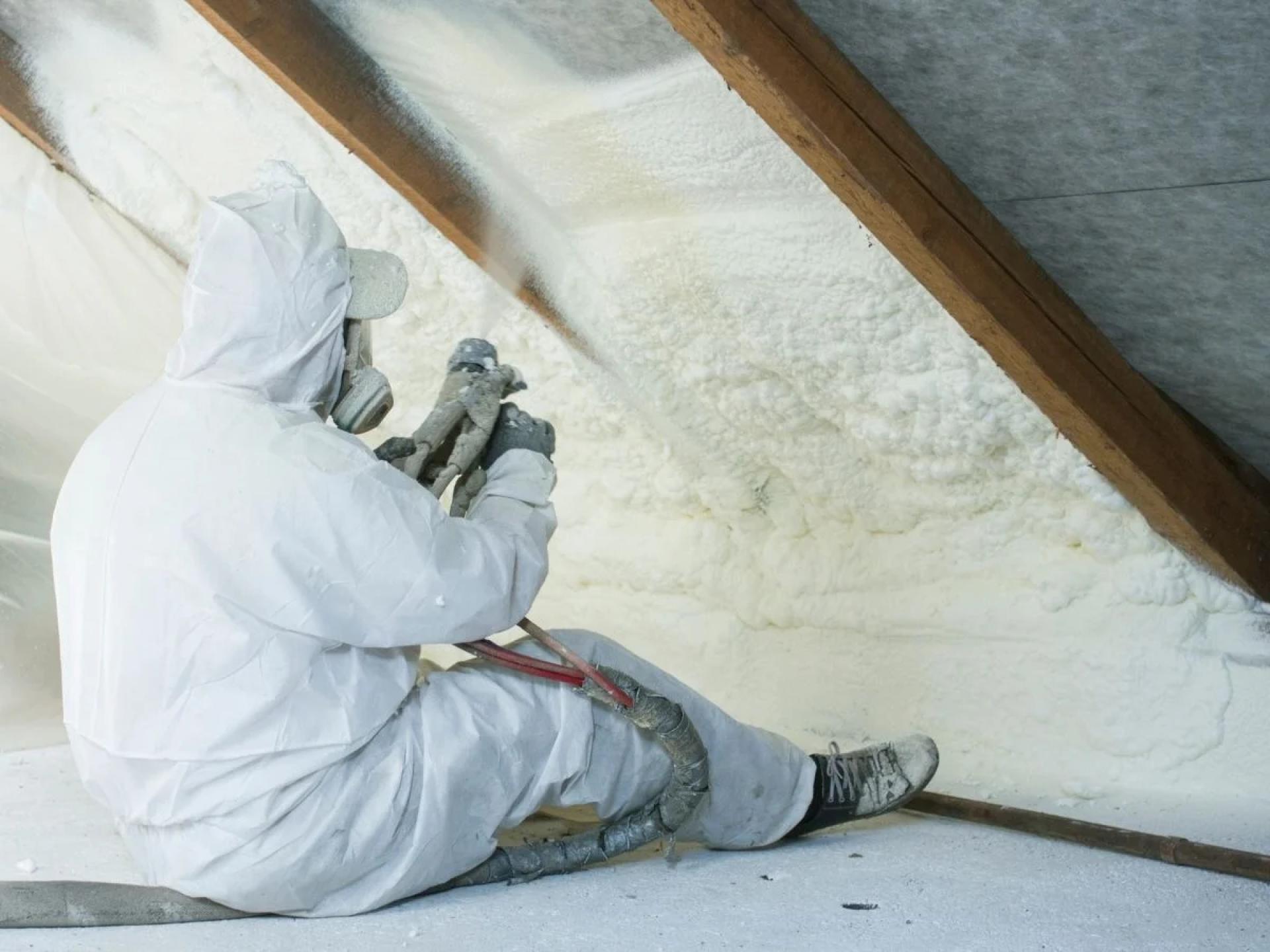
The physical properties of the foam allow it to expand up to 30 to 60 times its liquid volume. This expansion ensures that even the smallest crevices are filled. This is particularly useful in older Wyoming homes with irregular framing or in new builds with complex architectural designs. When the wind picks up in the late afternoon, a foam-sealed home remains quiet and still, whereas a home with traditional insulation might experience whistling windows and cold spots near the floor.
Comparing Insulation Options for Maximum Efficiency
There are two main types of foam used in residential applications. Choosing between them depends on the specific needs of the project, such as whether the goal is to provide structural strength or to allow for some moisture breathability.
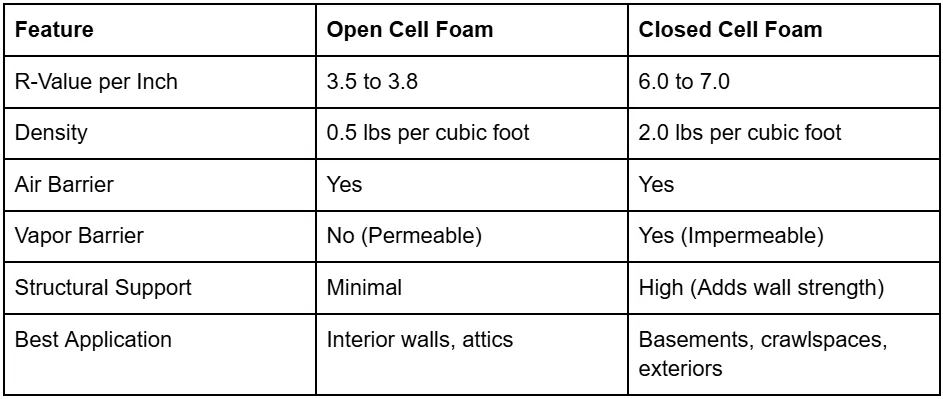
Bonus Tip: In Wyoming’s dry climate, closed-cell foam is often preferred for below-grade applications like basements or crawlspaces. It prevents the cold, damp Wyoming soil from affecting the interior temperature while acting as a barrier against moisture.
Practical Regional Considerations
Wyoming's high altitude means that ultraviolet radiation is stronger and temperature swings are more dramatic. These factors cause building materials to expand and contract more than they would at sea level. Because spray foam insulation is flexible, it moves with the house as it settles and shifts. It does not sag or settle over time like fiberglass or cellulose, which means the protection it provides today will be the same twenty years from now.
Preventing Ice Dams on High Altitude Roofs
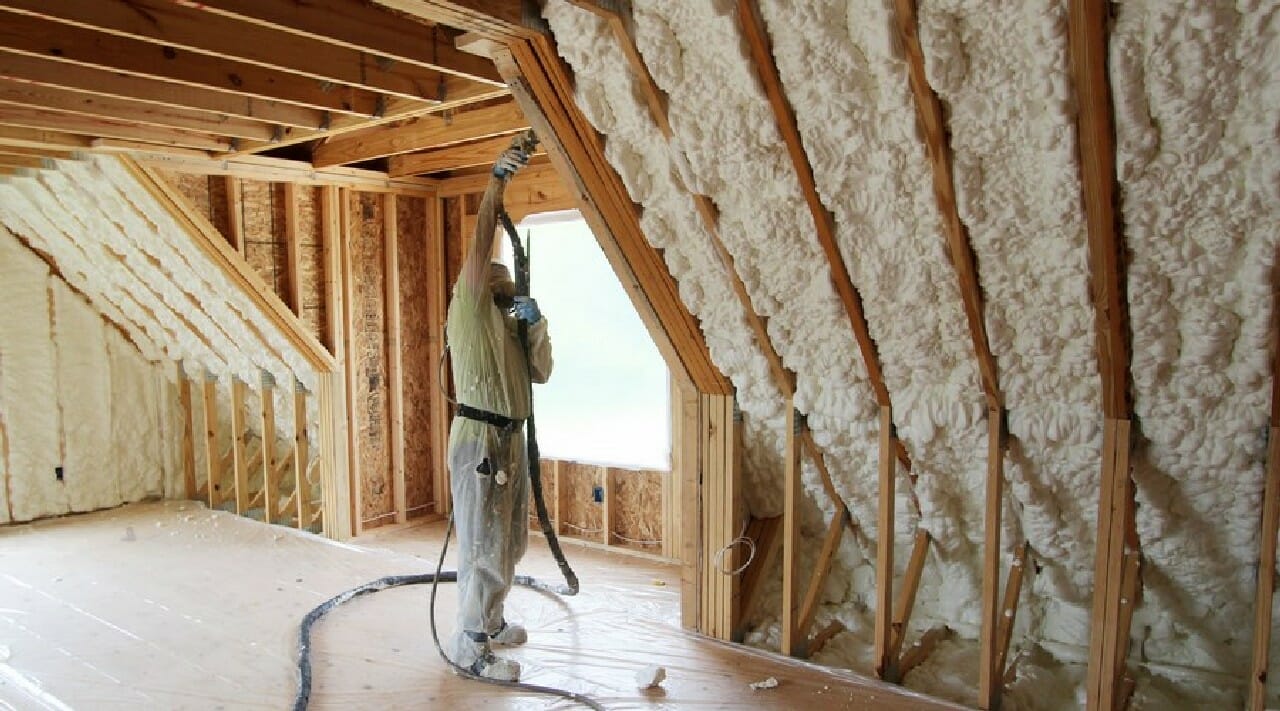
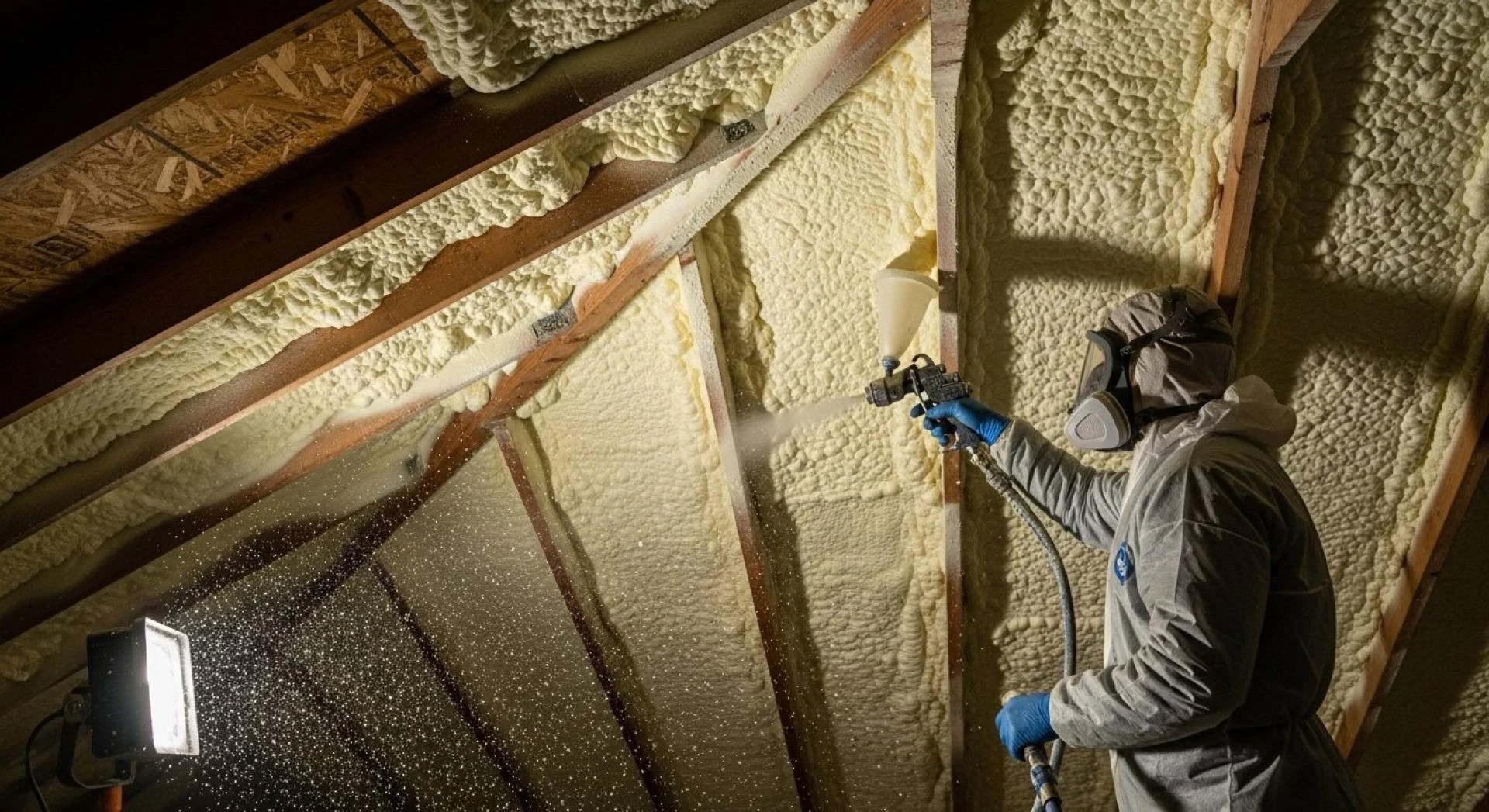
This durability is matched by the material's ability to protect the home's exterior shell from seasonal hazards. For instance, ice dams are a major issue for mountain homes. They occur when heat escapes from the attic and melts snow on the roof. The water then runs down to the cold eaves and refreezes, creating a dam that pushes water back under the shingles. By using spray foam insulation services to create an "unvented attic" or a "hot roof," the attic temperature stays closer to the living space temperature. This prevents the uneven heating of the roof deck and helps eliminate the conditions that cause ice dams to form.
Things to Consider Before Making a Decision
Before hiring spray foam insulation experts, property owners should evaluate several factors that influence the success of the project.
- Access to the Workspace: Spray foam requires clear access to the wall cavities or roof deck. If a home is already finished, this might mean removing drywall or choosing a different method like injection foam.
- Ventilation Requirements: Because foam creates such a tight seal, some homes may need mechanical ventilation systems, such as heat recovery ventilators (HRVs), to ensure fresh air circulates throughout the house.
- Surface Preparation: The foam must be applied to clean, dry surfaces. In Wyoming, this means checking for frost or moisture on the wood before the application begins, especially during the shoulder seasons.
- Occupancy During Installation: Residents typically need to vacate the home for 24 hours while the foam cures and any odors dissipate.
Bonus Tip: Always ask a provider about the specific brand and density of foam they intend to use. Different formulas are designed for different temperature ranges, and using a "warm weather" foam in a Wyoming winter can lead to poor adhesion.
Common Questions About Wyoming Home Insulation
Can spray foam be installed during the cold Wyoming winter?
Yes, it can be installed in cold weather, but it requires specific steps. The liquid components must be kept at a certain temperature, and the surface being sprayed often needs to be pre-heated to ensure the foam bonds correctly. Professional crews use heaters and specialized equipment to maintain these conditions.
Does this material help with noise reduction?
Open-cell foam is particularly good at absorbing sound. This is a great benefit for homes located near busy streets or for people who want to dampen the sound of wind howling against the house. While closed cell foam is too dense to absorb much sound, it still helps by sealing the gaps that let noise travel into the home.
How does the cost compare to traditional fiberglass?
The initial cost is higher than fiberglass or cellulose. However, industry data suggests that the energy savings often pay back the difference within three to five years. Additionally, the increased comfort and protection against ice dams add long-term value to the property that exceeds the upfront price.
Is it safe for the environment?
Modern foams have moved away from ozone-depleting chemicals. Many products now use water-blown agents or other low-impact materials. Because the insulation lasts for the life of the building and reduces energy consumption, it has a positive long-term environmental impact.
Will it attract pests or rodents?
Unlike fiberglass or cellulose, foam does not provide a food source for insects or rodents. Because it seals the small holes that pests use to enter a house, it actually serves as a deterrent to unwanted visitors.
Final Considerations for Home Comfort
Improving a home in a harsh climate requires a focus on both heat retention and air sealing. While many options exist, few provide the comprehensive protection found in modern foam products. By stopping air leaks and providing high thermal resistance, this material ensures that a house remains a sanctuary against the elements while significantly lowering long-term utility costs.
Investing in a high-quality building envelope is about more than just energy savings; it is about protecting the structural longevity of the property. Whether dealing with a new construction project or an older home renovation, understanding how these materials interact with the local environment is the first step toward a more efficient and comfortable living space.
Expert Guidance for Your Insulation Project
For those looking to upgrade their properties, seeking advice from a reputable spray foam insulation experts is a smart step. High Country Solutions offers a wide range of options, including both open and closed cell foam for residential and agricultural needs. They provide services like air sealing and thermal barrier coatings that are specifically designed for the unique demands of the Wyoming climate. To learn more about how to protect a structure from the wind and cold, contact them at (307) 248-9063 or email [email protected]. Their team can help determine the best application for any building type.
























Sign in to leave a comment.