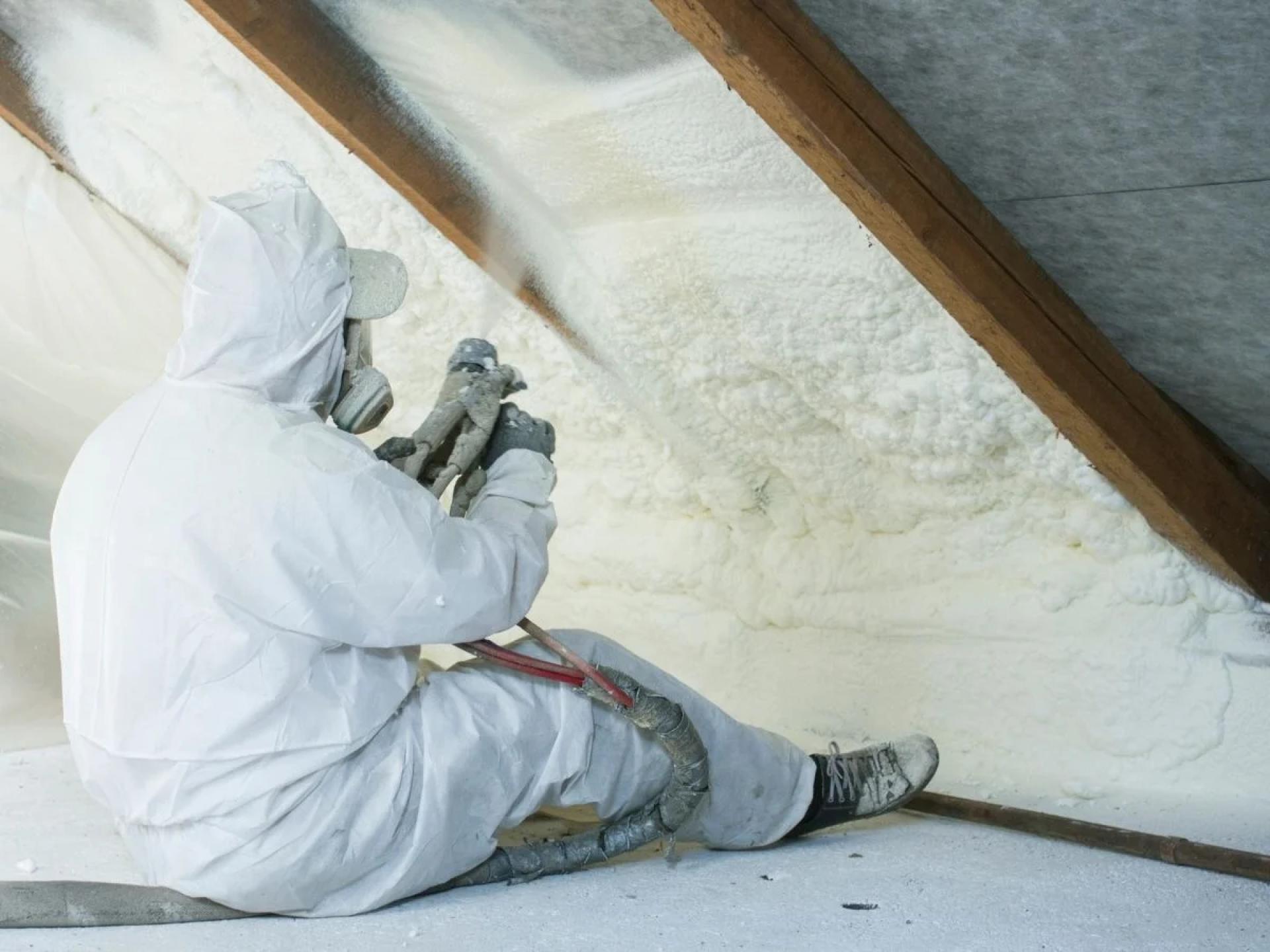

Spray foam creates a custom seal that prevents air from moving through gaps and cracks in a building. It changes how a home feels by keeping heat inside during winter and blocking hot air in summer.
Each room has different needs when it comes to staying comfortable and dry. Professionals use these materials to fix specific problems, such as cold floors or drafty ceilings, throughout the house.
Experts with years of field experience understand that a one-size-fits-all approach does not deliver lasting comfort. This guide explains how professional spray foam insulation services help different areas of a property reach peak performance, improving energy efficiency and overall indoor comfort.
Performance in the Upper Levels of a Home
The attic is often the most important place to start when sealing a house. Warm air naturally rises and tries to escape through the roof during the colder months of the year.
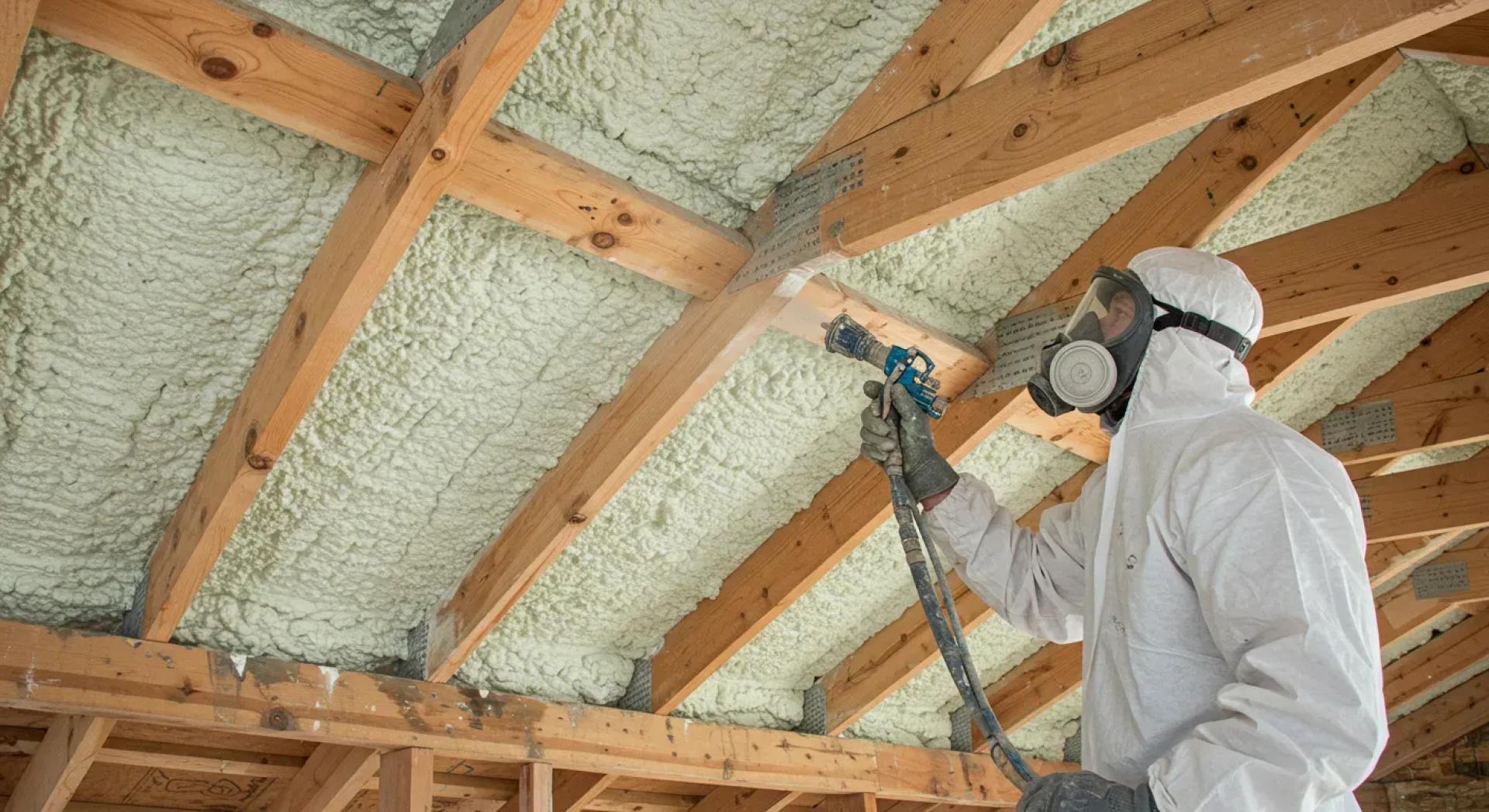
Spray foam stop this air movement by creating a thick barrier right against the roof deck. This keeps the attic temperature much closer to the rest of the home's living space.

Attic Roof Decks
Applying foam to the underside of the roof deck changes the attic from a dusty crawlspace into a clean area. It prevents the extreme summer heat from baking the rooms directly below the ceiling.
This method also protects any HVAC units or pipes that are located in the attic. When these systems sit in a stable climate, they do not have to work as hard to do their jobs.
Hard to Reach Corners
Traditional materials often leave small gaps in the tight corners where the roof meets the walls. These small holes act like straws that suck air out of the building all day long.
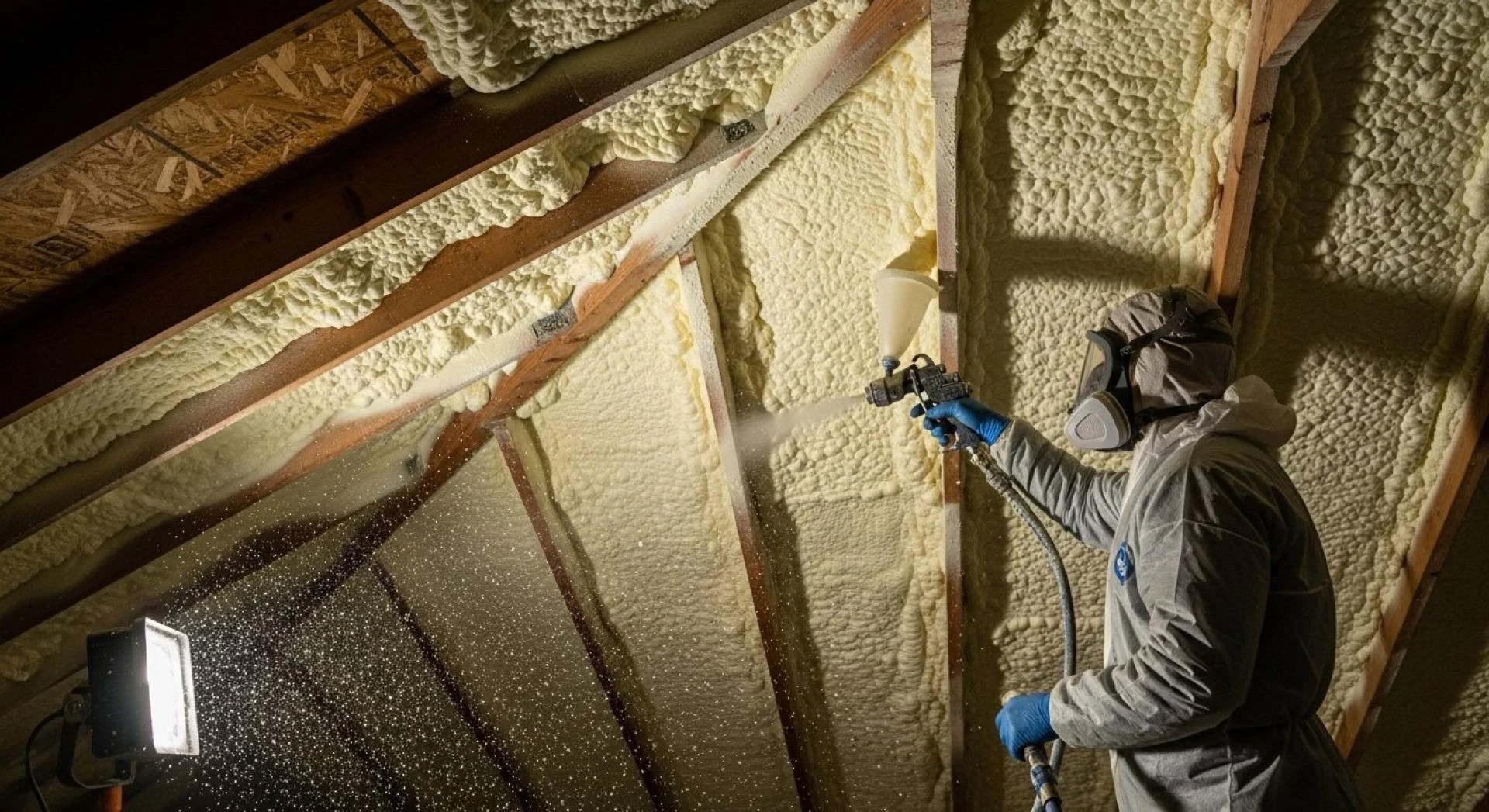
The liquid foam expands into these tiny spaces, creating a complete seal that blocks every leak. This ensures that no energy is wasted through the top of the structure.
Bonus Tip for Attics
Check all light fixtures in the ceiling before starting any work in the attic. Some older lights need space to stay cool, so they may require a special cover before the foam is applied.
Managing Comfort in Living Areas and Bedrooms
Living rooms and bedrooms need a steady temperature to feel cozy for the people inside. High-quality Spray Foam Insulation creates a quieter environment by reducing noise that travels through the walls from the outside.
It also stops the cold drafts that often make people feel chilly even when the heater is running. This makes the entire floor feel more consistent without any sudden cold spots near the windows.
Wall Cavity Application
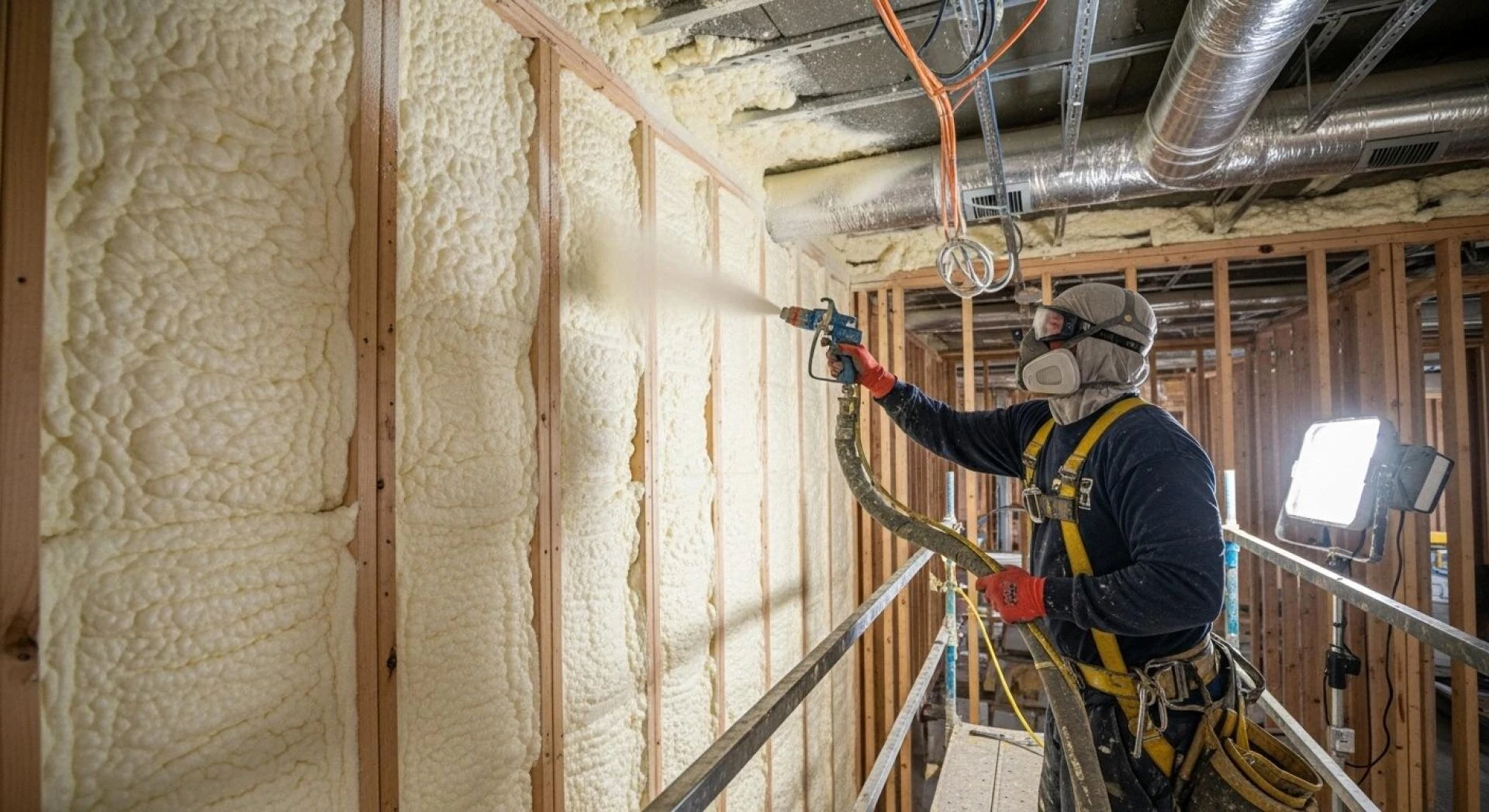
Filling the gaps inside the walls helps maintain a steady climate in every room. It blocks the wind from blowing through the siding and into the electrical outlets or baseboards.
This protection is especially helpful for rooms that face north or are hit by strong winds. It keeps the indoor air still and comfortable regardless of what the weather is doing outside.

Draft Reduction Near Windows
Windows and doors are common places where air leaks into a room. Professionals spray around these frames to close the gaps that builders often miss during the initial construction phase.
This simple step makes a big difference in how much a person spends on cooling costs. Market data shows that air leakage accounts for nearly 40 percent of energy loss in a typical home.
Bonus Tip for Walls
Use open-cell foam for interior walls if the goal is to make the rooms quieter. This type of foam is softer and better at absorbing sound waves from TVs or music.
Protecting the Foundation and Lower Levels
Basements and crawlspaces are often the coldest and dampest parts of a house. Spray foam acts as a barrier, preventing moisture from seeping through concrete or wood into the home.
It also prevents the "stack effect" where cold air is pulled in from the bottom of the house. By sealing the lower levels, the floors on the main level will feel much warmer to the touch.
Crawlspace Sealing
Sealing a crawlspace stops damp air from rotting the wooden floor joists over time. It also keeps pests like bugs and mice from finding a warm place to hide under the house.
This creates a much healthier environment for the entire family. Fact-based reports suggest that a large portion of the air people breathe on the first floor comes directly from the crawlspace.
Rim Joist Sealing
The rim joist is the area where the house frame sits on the foundation. It is one of the most common spots for air to leak into a basement or utility room.
Spray foam is the best way to seal this area because it sticks to the wood and masonry. This creates a permanent seal that will not sag or fall out like older types of insulation.
| Area of Home | Primary Benefit | Common Foam Choice |
|---|---|---|
| Attic | Stops Heat Loss | Open or Closed Cell |
| Walls | Noise Reduction | Open Cell |
| Basement | Moisture Control | Closed Cell |
| Crawlspace | Draft Prevention | Closed Cell |
Things to Consider Before Making a Decision
Before choosing a service, homeowners should look at the age of their house and the local climate. Older homes might have hidden issues like wiring or plumbing that need to be checked first.
The amount of moisture in the soil around the house also plays a role in what material is best. Closed-cell foam is usually better for wet areas because it prevents water from passing through.

Additional Information on Performance
Market facts show that properly sealed homes can see a 15 percent drop in utility bills. This makes the service a smart choice for people looking to save money over the long term.
Summary of Benefits
Each room in a home presents a different challenge for staying comfortable. Spray foam provides a flexible solution that fills gaps in the attic, quiets the bedrooms, and dries out the basement. This material stays in place for a long time and provides a reliable barrier against the weather.
Anyone looking to improve their living space should look at their home as a whole system. It is best to evaluate where the most air is escaping before starting a project. Choosing the right material for each specific room ensures the best results for the property.
Professional Help for Your Home
Homeowners who want to improve their comfort can look to the team at High Country Solutions for assistance. They offer expert advice on which materials work best for different parts of a building to ensure lasting results. To learn more about their services, interested parties can reach out to them via email at [email protected] or call (307) 248-9063. Their staff can help explain the best options for any specific climate or house style.
Questions About Room Performance
Does the foam have a strong smell?
There is a brief period while the material dries which may have a light odor. Professionals ensure proper airflow during the job so the smell dissipates quickly after the work is finished.
Is the cost worth the results?
Most people find that the energy savings cover the service cost over a few years. The added comfort and noise reduction also make the home a much better place to live.
How long does the seal last?
Unlike fiberglass, which can settle or hold moisture, spray foam stays in place for decades. It does not lose its shape or its ability to block air as the house gets older.
Can it be used in old homes?
Yes, it is a great choice for older buildings that have odd-shaped walls or thin framing. It fills gaps that other materials cannot reach, helping modernize the home's comfort.
Does it help with allergies?
By sealing the gaps in the walls and attic, the foam keeps dust and pollen from blowing inside. This results in much cleaner air for people who suffer from seasonal allergies.
Author: Skeeter Aimone, co-founder of High Country Solutions, develops eco-friendly products to improve sustainability in outdoor gear. Brad Morrison leads the company’s technology strategy, creating systems that enhance outdoor experiences while prioritizing environmental responsibility.
Reviewer: Samuel Harris has worked across various roles in spray foam insulation over 11 years. His review focused on how businesses can better present their services to both new and returning clients.


























Sign in to leave a comment.