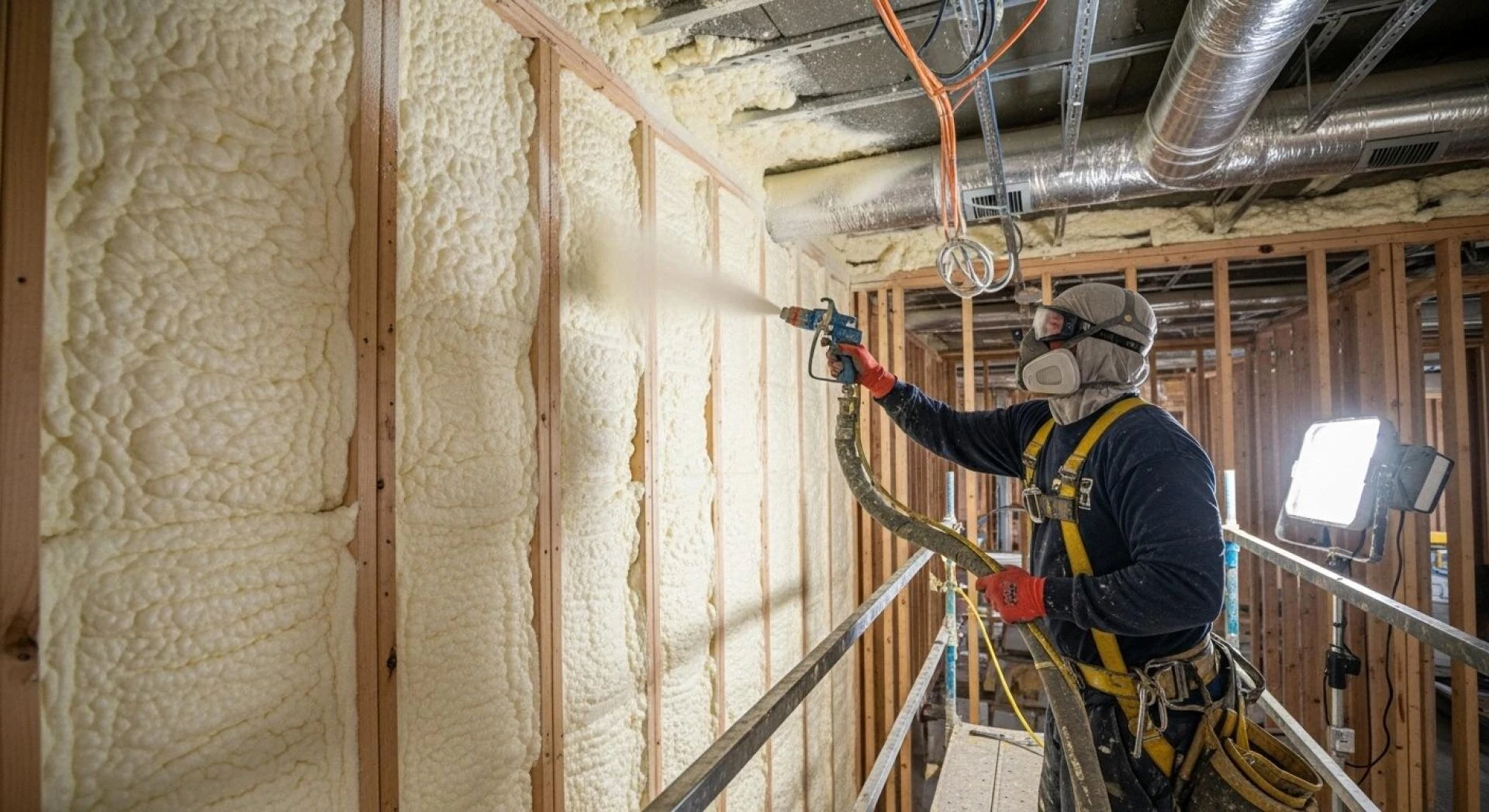

Older houses lose energy through gaps, weak insulation, and aging materials. A spray foam insulation company improves these homes by sealing air leaks, stabilizing indoor temperatures, and supporting long-term structure protection. These upgrades address common comfort and efficiency issues without major rebuilding.
This article explains how spray foam insulation improves older houses step by step. It draws on field experience, market trends, and climate-aware practices to help readers understand where the biggest gains come from and what to review before moving forward.
Why Older Houses Struggle With Energy Control
Most older houses were built before modern efficiency standards. Their insulation systems often fail to meet current performance needs.
Air leakage remains the top issue. Gaps around framing, attics, and foundations allow heated or cooled air to escape.
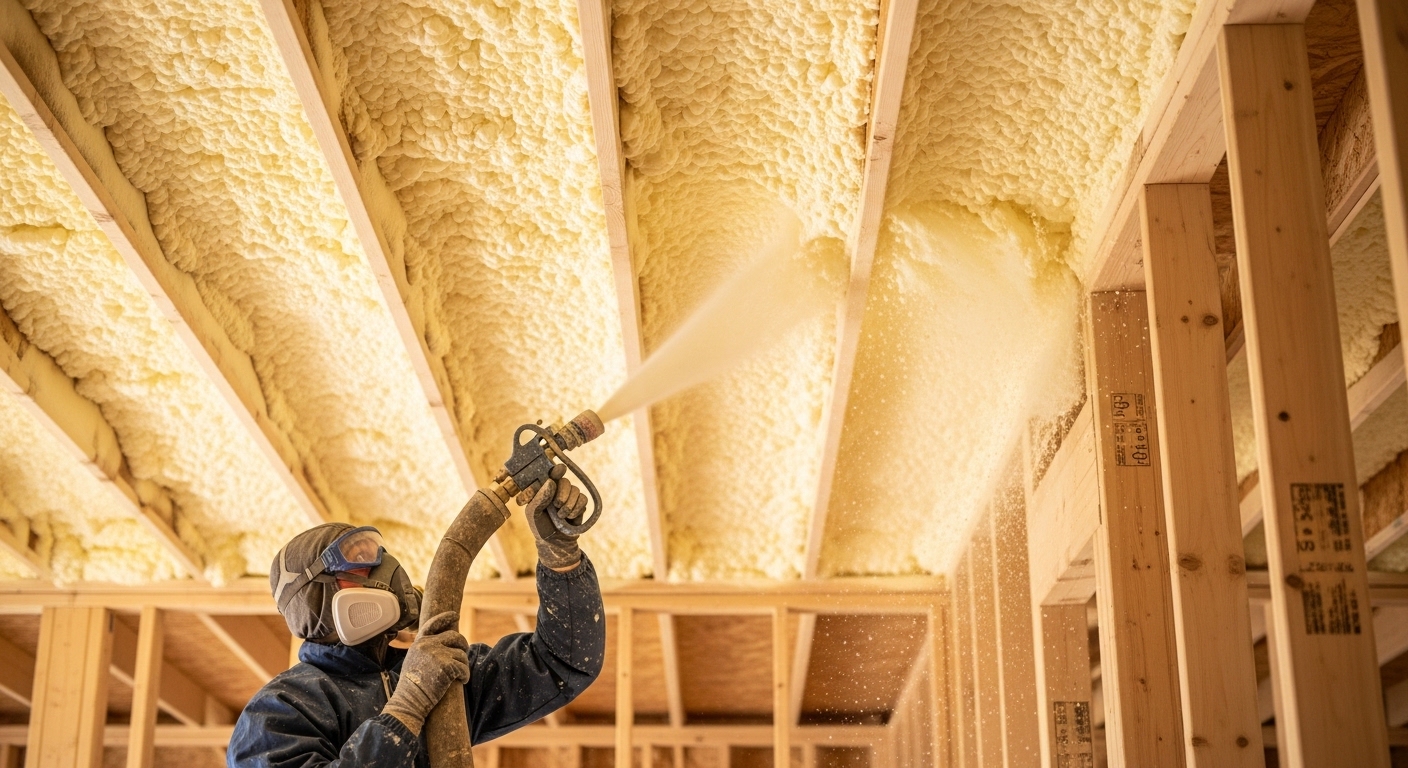
Hidden Gaps Inside Aging Structures
Older framing settles over time. This creates cracks that traditional insulation cannot seal.
Spray foam expands into these gaps and forms a continuous barrier. That directly reduces drafts and uneven temperatures.
Where Energy Loss Commonly Occurs
Problem areas usually include:
- Attics with thin or compacted insulation
- Crawl spaces and rim joists
- Wall cavities with outdated materials
Market Data on Older Home Efficiency
Industry reports show homes built before 1980 can lose up to 30 percent of conditioned air through leakage. Sealing these areas often delivers noticeable comfort improvements within the first season.
How Spray Foam Solves Common Older Home Problems
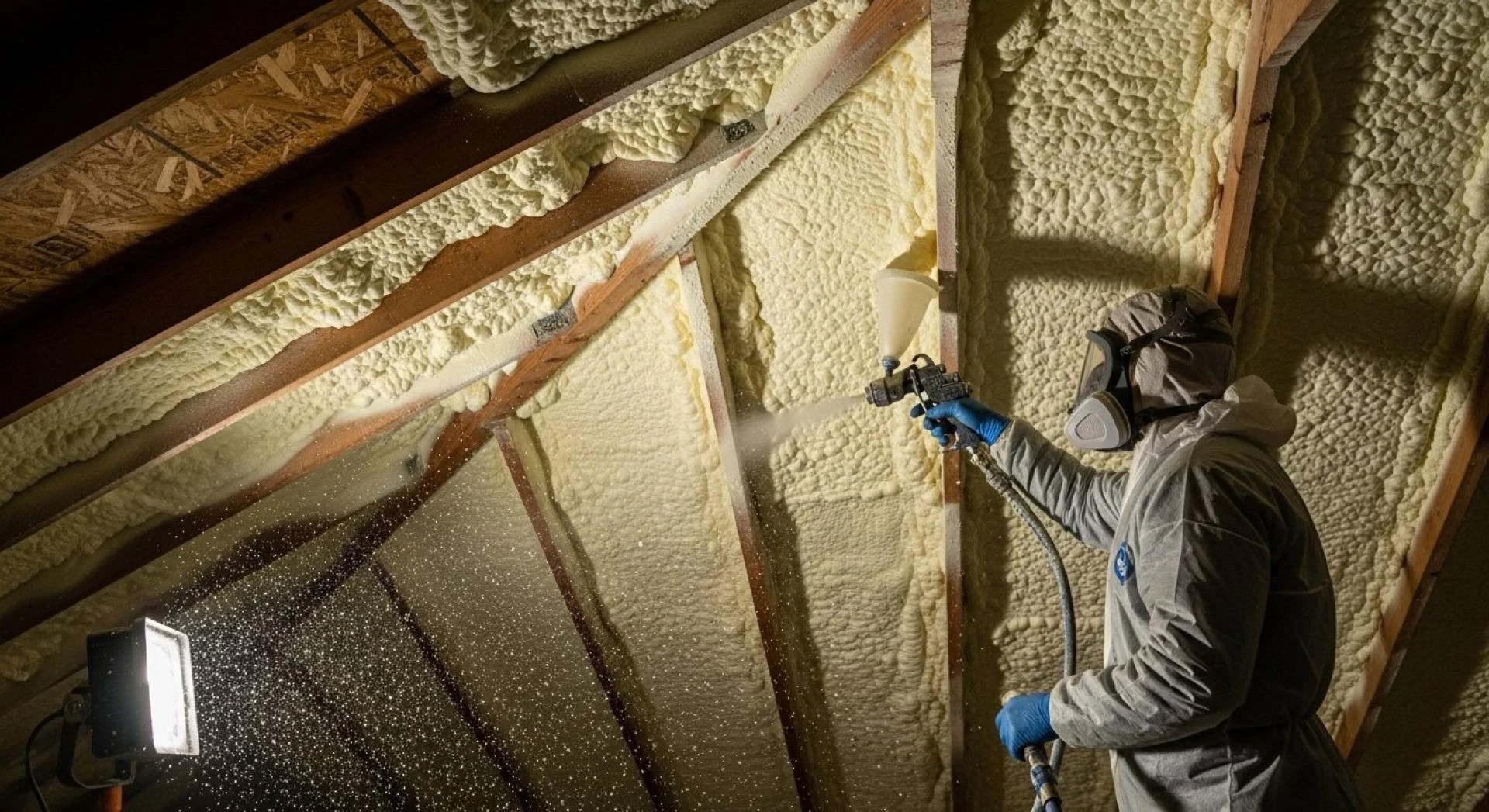
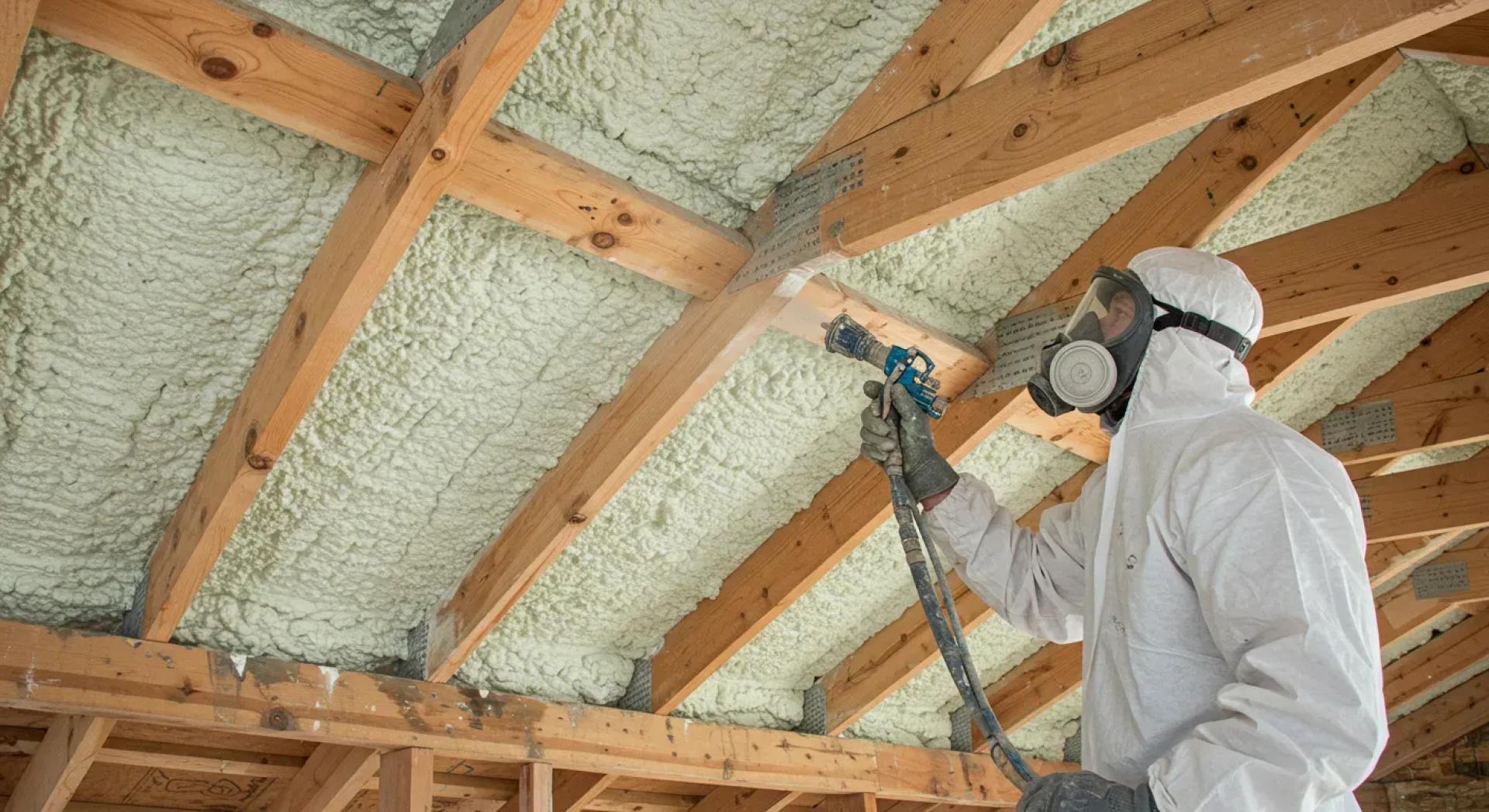
Spray foam works differently from older insulation products. It seals and insulates at the same time.
This dual action matters most in homes with mixed materials and irregular framing.
Air Sealing Without Major Demolition
Spray foam adapts to uneven surfaces. Installers can apply it without removing large sections of walls or ceilings.
This approach limits disruption while still improving thermal control.
Moisture Control in Older Buildings
Many older houses lack modern moisture barriers. Spray foam insulation helps limit moisture movement through walls and foundations.
This reduces condensation risk in cold climates and damp basements.
Performance Comparison With Traditional Insulation
| Feature | Spray Foam | Traditional Insulation |
|---|---|---|
| Air sealing | Built-in | Requires added steps |
| Fit for uneven framing | High | Limited |
| Long-term stability | Consistent | Can shift or settle |
| Moisture resistance | Strong | Varies by material |
Targeted Improvements Room by Room
Older houses benefit most from focused upgrades rather than full replacement.
Spray foam allows targeted application where it matters most.
Attics and Rooflines
Attics account for a large share of heat loss. Spray foam creates a tight seal at the roofline or attic floor.
This helps maintain stable indoor temperatures year-round.
Basements and Crawl Spaces
Cold floors and damp air often start below the living space. Spray foam insulates and seals these areas together.
That improves comfort while supporting foundation durability.
Bonus Tips for Priority Areas
Bonus Tips
- Address attic leaks before wall cavities
- Seal rim joists early for fast gains
- Pair insulation with ventilation review
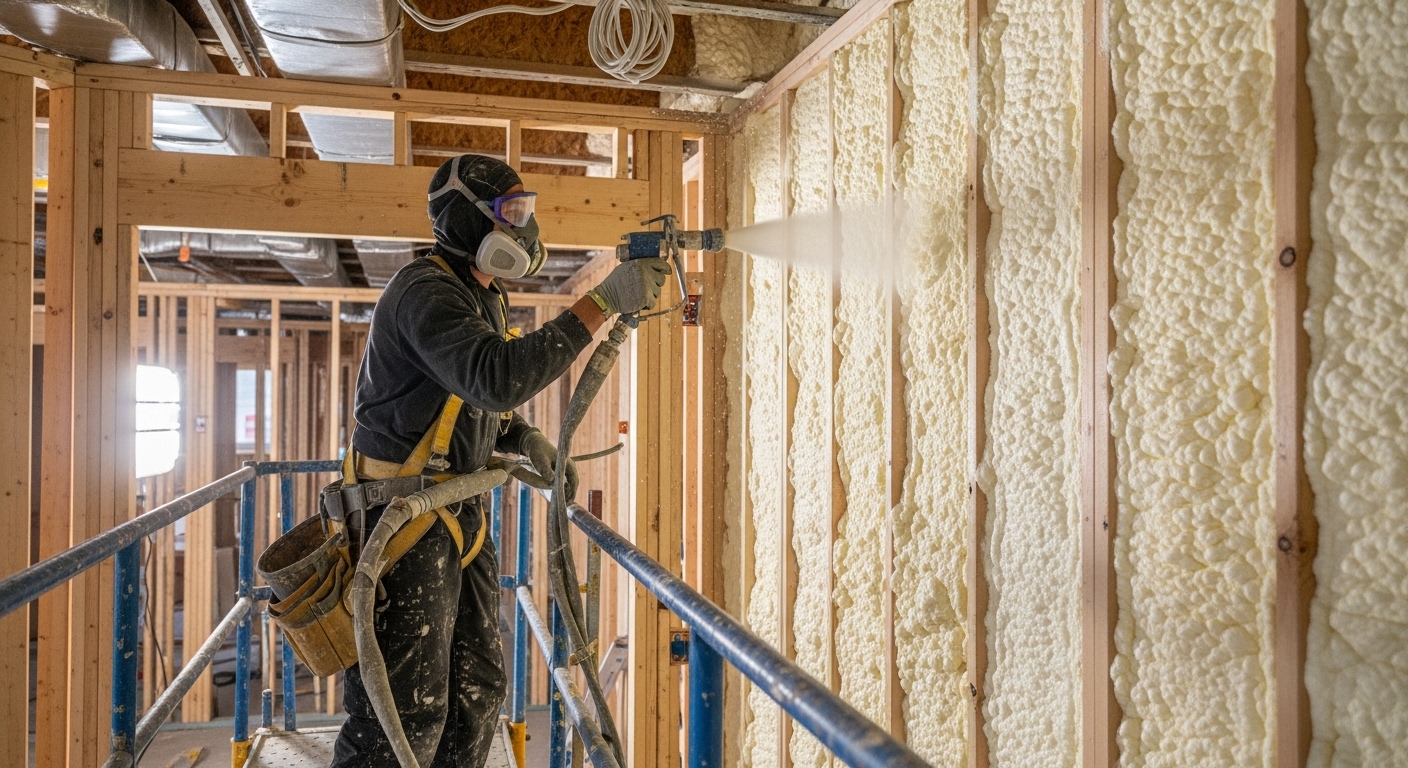
Climate-Specific Benefits for Older Homes
Cold and mixed climates place extra stress on older structures. Spray foam insulation supports consistent indoor conditions during long heating seasons.
It also reduces ice dam risk by limiting warm air escape at the roof.
Seasonal Performance Gains
Market data shows properly sealed older homes can reduce heating demand by 20 percent or more after air sealing upgrades.
These gains matter most during winter months when energy use peaks.
Comfort Improvements Homeowners Notice
Common changes include:
- Fewer drafts
- More even room temperatures
- Quieter indoor spaces
Things to Consider Before Making a Decision
Older houses vary widely in layout and condition. Careful review helps avoid mismatched solutions.
Several factors shape the right insulation plan.
Key points to review include:
- Existing insulation type and condition
- Wall and roof assembly design
- Local climate stress factors
- Ventilation balance after sealing
Projects planned with these factors often see fewer follow-up adjustments and better long-term results.
Bonus Tips
- Schedule an energy review before work
- Confirm access to closed cavities
- Plan ventilation alongside air sealing
Practical Questions Readers Often Ask
Can spray foam be added without removing walls?
In many cases, yes. Access points allow foam to reach cavities with limited surface removal.
Does spray foam work in houses with mixed construction styles?
Yes. Spray foam adapts well to wood, masonry, and hybrid assemblies often found in older homes.
Will sealing an older house cause ventilation problems?
Balanced planning prevents this. Air sealing should align with ventilation needs to maintain indoor air quality.
How long do improvements last in older homes?
Spray foam maintains its shape and sealing ability for decades when applied correctly.
Are upgrades noticeable right away?
Many homeowners report improved comfort during the first heating or cooling cycle.
Key Takeaways for Older Home Improvements
Older houses benefit most from insulation that seals gaps and adapts to irregular framing. Spray foam addresses these needs in a single application.
Readers should review their home’s structure, climate exposure, and long-term goals before choosing an approach. Careful planning supports lasting comfort and energy control.
Helpful Next Steps for Property Owners
Readers exploring insulation upgrades for older houses often benefit from experienced providers who understand aging structures. High Country Solutions supports retrofit projects with careful planning and climate-aware methods. Their team helps evaluate existing conditions and recommend suitable insulation paths. For further details, readers can contact them at [email protected] or call (307) 248-9063.
Author: Skeeter Aimone, co-founder of High Country Solutions, develops eco-friendly products to improve sustainability in outdoor gear. Brad Morrison leads the company’s technology strategy, creating systems that enhance outdoor experiences while prioritizing environmental responsibility. Established in 2018, they bring years of experience to advancing sustainable outdoor living through high-performance, responsible insulation materials.
Reviewer: Samuel Harris has worked across various roles in spray foam insulation over 11 years. His review focused on how businesses can better present their services to both new and returning clients.
























Sign in to leave a comment.