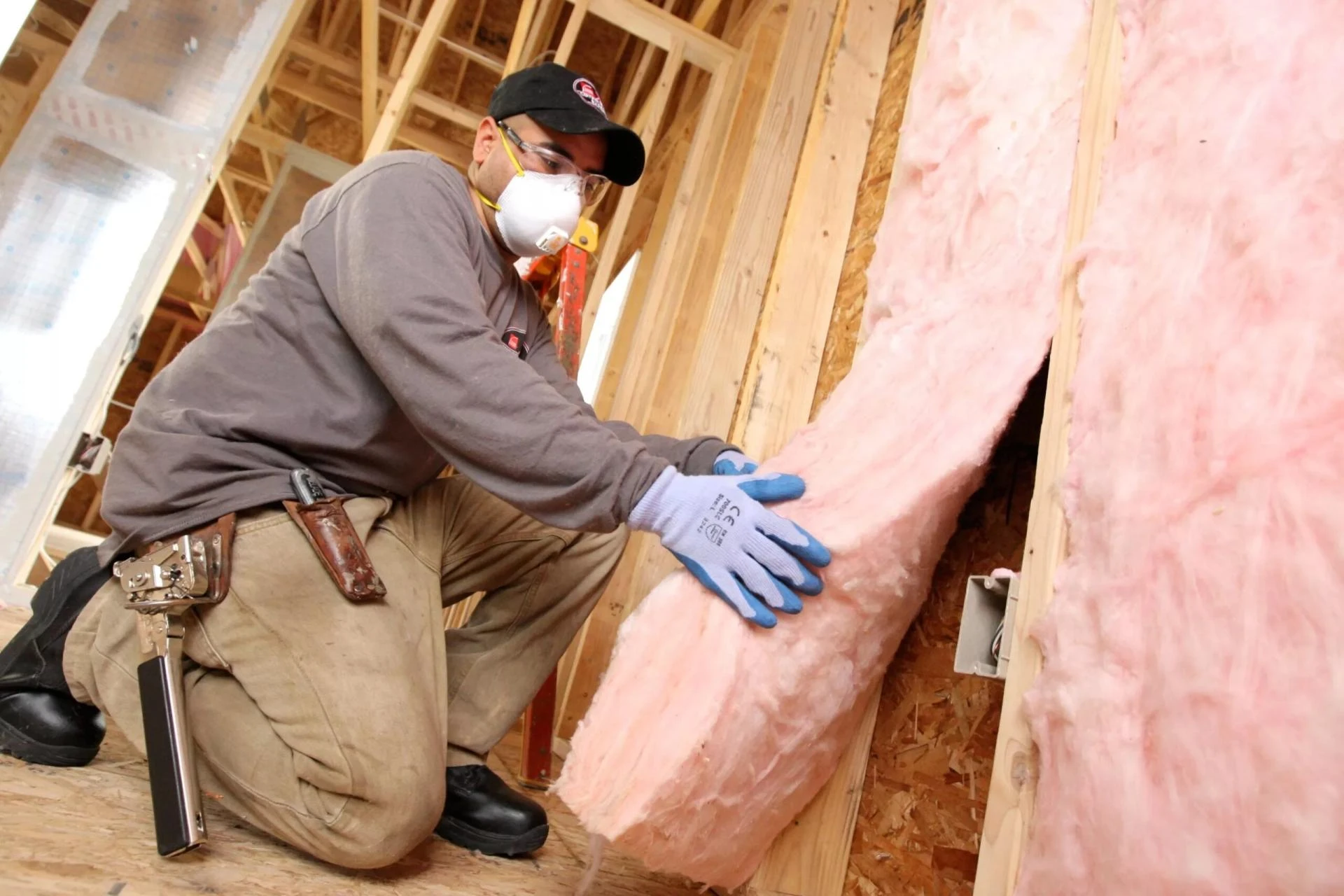

Yes, Fiberglass Insulation can help protect pipes from freezing during winter, but it works best when combined with proper air sealing and correct installation. It slows heat loss and keeps warmer indoor air around plumbing lines. On its own, it may not stop freezing in extreme cold or in unheated spaces.
Winter pipe bursts cause thousands of dollars in damage each year. Insurance industry reports show that frozen pipe claims increase by over 250 percent during severe cold waves. This article explains how fiberglass works, where it performs well, and when extra protection is needed. The information reflects field experience from insulation experts who work in cold climates.
How Fiberglass Insulation Helps Prevent Frozen Pipes
Fiberglass Insulation reduces heat transfer. It traps air within its fibers, which slows down the movement of warm air away from pipes. This helps maintain pipe temperature above freezing in many cases.
When installed correctly, it acts as a thermal buffer. Still, it does not generate heat. It only slows heat loss.
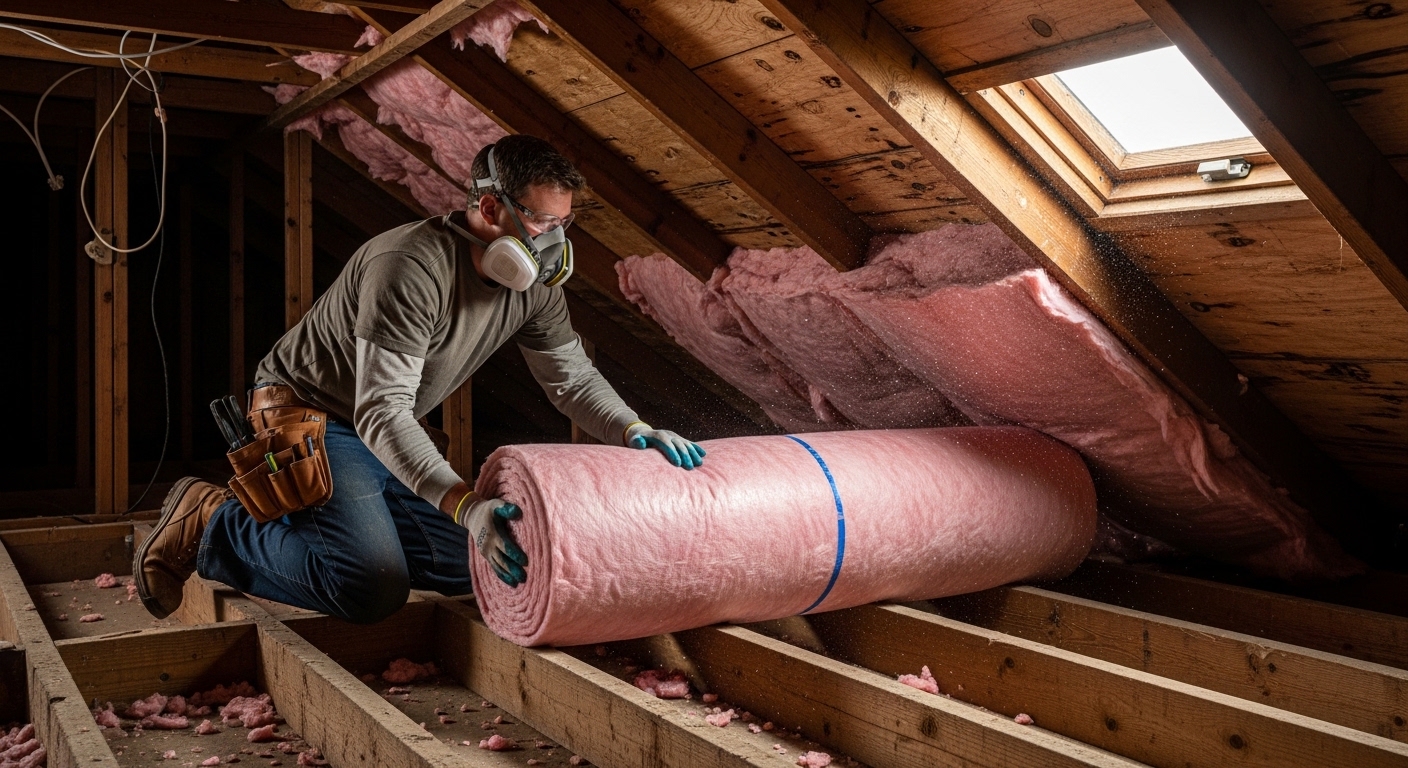
Understanding Heat Retention Around Pipes
Pipes freeze when surrounding temperatures drop below 32°F for several hours. Fiberglass helps by holding warmer air near the pipe surface.
In conditioned basements or interior walls, this added layer often provides enough protection. In exposed crawl spaces, results depend on air movement and moisture levels.
R Value and Pipe Protection
The R value measures resistance to heat flow. Higher R values offer better insulation performance.
Higher R value batts around pipe chases improve winter performance. Still, gaps reduce effectiveness.
Air Sealing Is Just as Important
Air leaks allow cold drafts to reach plumbing. Even thick insulation fails if wind enters wall cavities.
Professionals often pair Fiberglass Insulation services with sealing work. This blocks airflow around rim joists, sill plates, and wall gaps.
Bonus Tips
Seal Before You Insulate
Close cracks and holes before adding insulation. Small openings can let in freezing air.
Keep Pipes Near Warm Spaces
Place pipes on the warm side of walls when possible during remodeling projects.
Where Fiberglass Insulation Works Best
Fiberglass performs well in areas that receive some indoor heat. It is common in residential basements, utility rooms, and interior garages.
The U.S. Department of Energy notes that proper insulation can cut heat loss by up to 20 percent in homes built before 2000. That reduced loss helps maintain pipe temperature.
Interior Wall Cavities
Wall cavities between heated rooms and colder spaces benefit most. Insulation slows temperature drop when outside air dips below freezing.
In regions with long winters, such as northern states, wall insulation plays a large role in pipe safety.
Crawl Spaces and Basements
Crawl spaces require extra attention. Fiberglass batts must stay dry to perform well.
Moisture lowers thermal resistance. In damp areas, adding vapor control layers improves results.
Exposed Outdoor Plumbing
Fiberglass alone may not be enough for outdoor or attic pipes. In these cases, combining insulation with pipe sleeves or heat tape gives stronger protection.

Things to Consider Before Making a Decision
Not every property faces the same freezing risk. Climate, building design, and pipe location all matter.
Property owners should review these factors before choosing Fiberglass Insulation experts or a Fiberglass Insulation Contractor.
- Local winter temperature lows and duration of freezes
- Pipe placement in exterior walls or unheated areas
- Existing insulation condition and thickness
- Signs of air leaks near plumbing runs
- Moisture levels in basements or crawl spaces
Homes in regions where temperatures drop below 10°F for extended periods may need layered protection. Commercial buildings with sprinkler systems also require careful planning.
Market Trends in Insulation Upgrades
Energy retrofit demand has grown by over 15 percent in colder states over the past five years. Many property owners upgrade insulation after a freeze event.
Insurance data shows that a single burst pipe can cause over $5,000 in water damage. Preventive insulation costs far less than repair work.
Additional Information on Climate Zones
Buildings in Zone 5 and above face higher freeze risk. These areas benefit from thicker insulation and tighter air control.
Comparing Fiberglass to Other Pipe Protection Methods
Fiberglass remains one of the most used materials due to cost and availability. Yet it is not the only option.
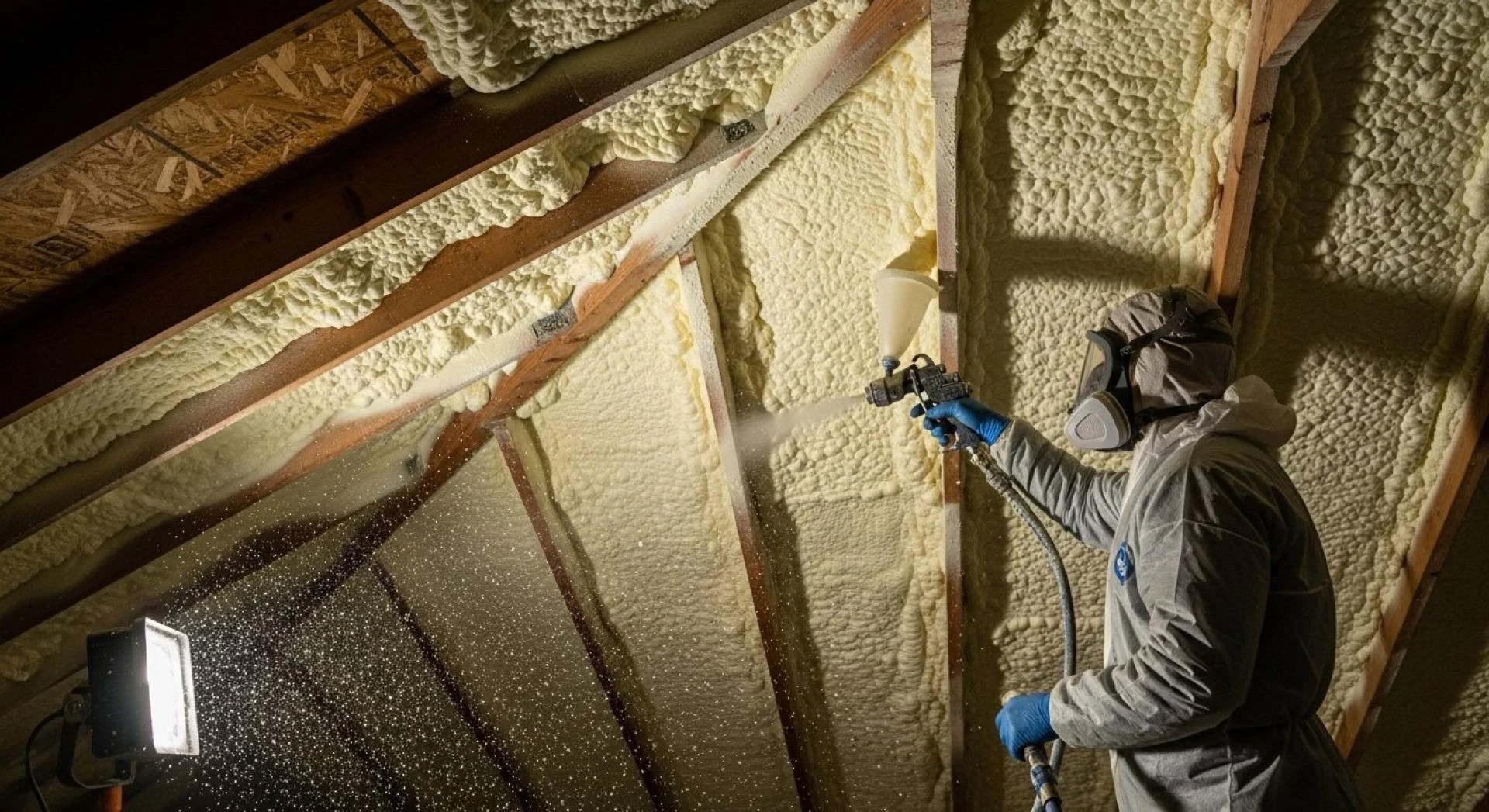
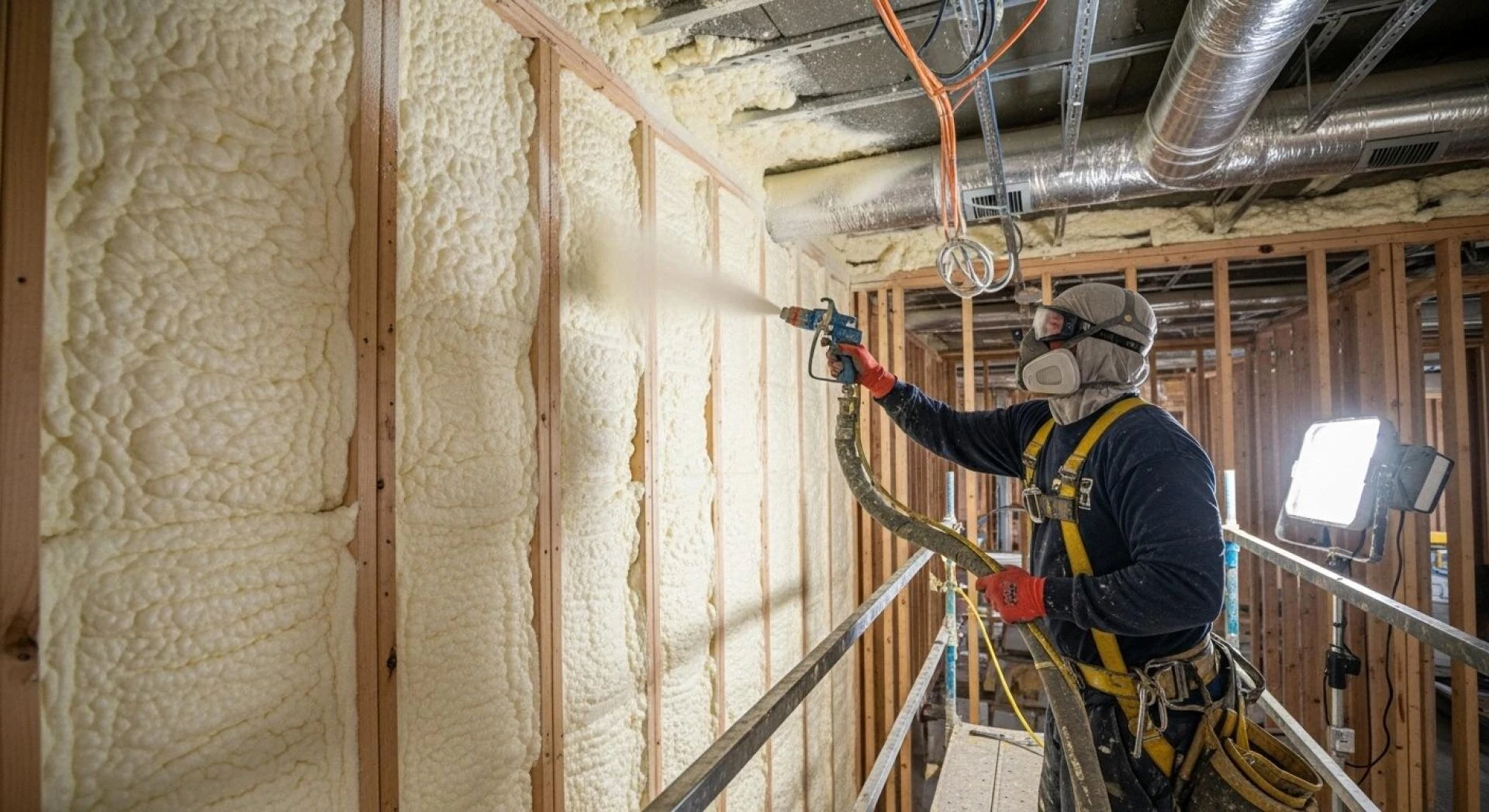
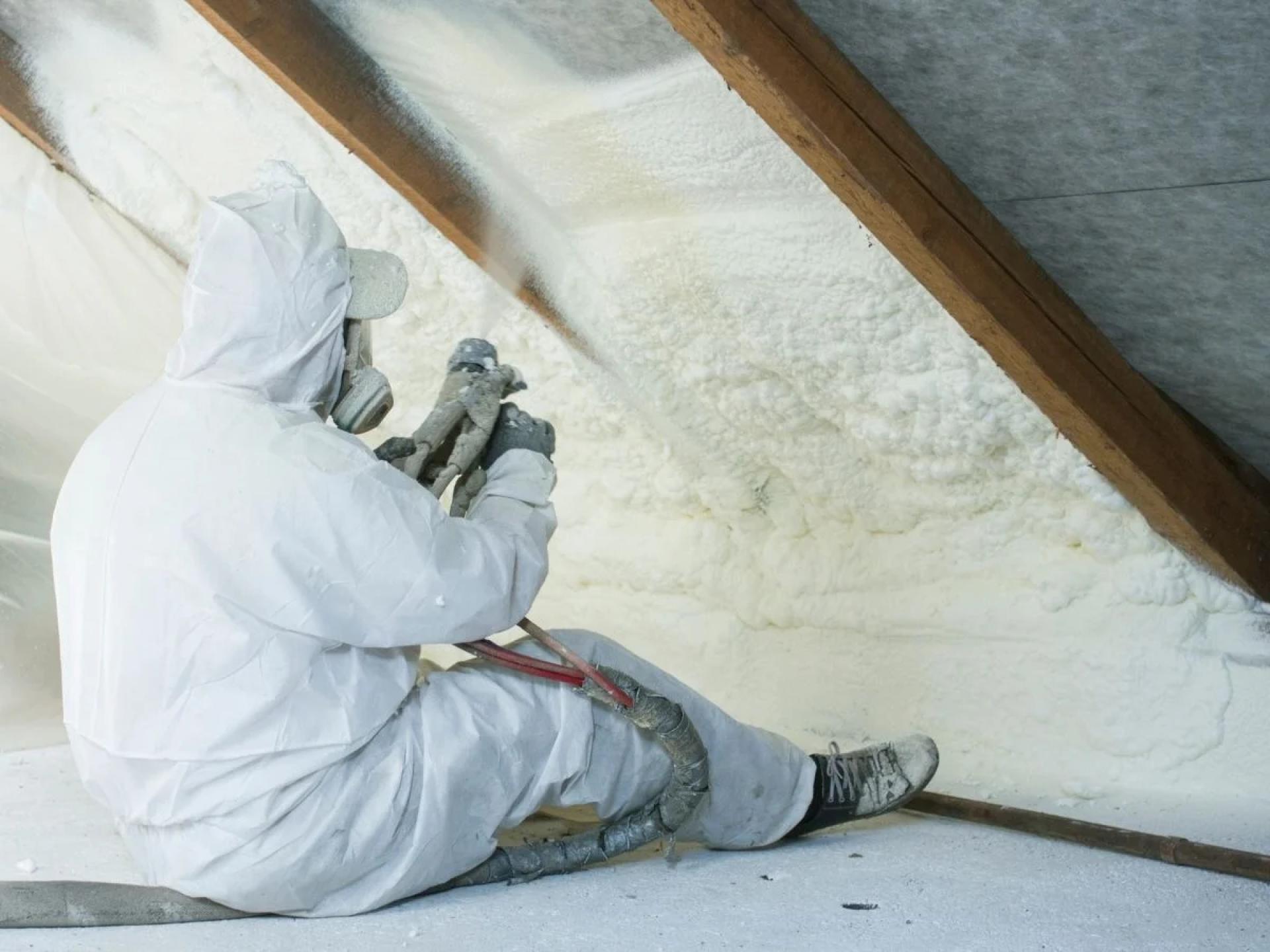
Foam sleeves and spray foam provide tighter seals around pipe surfaces.
Fiberglass Versus Foam Wrap
Fiberglass batts cover larger cavities. Foam sleeves wrap directly around pipes.
Foam resists moisture better, while fiberglass covers wider areas at lower material cost.
Combining Methods for Stronger Results
Many insulation services combine batt insulation with pipe sleeves. This layered approach improves overall thermal resistance.
Bonus Tips
Install insulation snugly but not compressed. Compression reduces R value.
Inspect insulation yearly before winter. Replace damaged or wet sections quickly.
When Professional Installation Matters
Improper installation leads to gaps and weak spots. Skilled Fiberglass Insulation Company teams know how to fit batts around plumbing without leaving voids.
They also evaluate airflow, which often causes more freezing than low temperature alone.
Experienced providers understand regional weather patterns. In colder areas, they may recommend thicker batts or added vapor control.
Questions About Fiberglass and Frozen Pipes
How thick should fiberglass be to protect pipes?
Thickness depends on the climate. In colder regions, R 13 to R 19 batts in walls provide better protection. Extra layers may be needed in unheated spaces.
Can fiberglass stop pipes from freezing in extreme cold?
It slows heat loss but does not create heat. During long periods below zero, added protection like pipe sleeves or controlled heating may be required.
Does wet fiberglass still work?
Wet insulation loses performance. Moisture reduces its ability to trap air. Replace damp sections to maintain pipe safety.
Should pipes be insulated or walls?
Both matter. Insulating the surrounding wall cavity protects multiple pipes at once. Direct pipe wrapping adds another layer of security.
Is fiberglass safe around plumbing systems?
Yes. It is widely used in residential and commercial buildings. Proper installation keeps it secure and effective.
Final Thoughts on Winter Pipe Protection
Fiberglass Insulation helps reduce the risk of frozen pipes when installed correctly. It works best in heated spaces and when paired with air sealing. Moisture control and correct thickness also matter.
Property owners should assess climate conditions, pipe placement, and existing insulation levels. Preventive upgrades reduce water damage risk and improve energy efficiency.
Contact a Trusted Insulation Provider
Property owners seeking guidance can contact High Country Solutions for professional evaluation. They provide Fiberglass Insulation services for residential and commercial buildings. Their team assesses pipe exposure, insulation thickness, and air leakage risks.
For more information, reach them at [email protected] or call (307) 248-9063. They offer practical recommendations tailored to regional winter conditions.
Author: Skeeter Aimone, co-founder of High Country Solutions, develops eco-friendly products to improve sustainability in outdoor gear. Brad Morrison leads the company’s technology strategy, creating systems that enhance outdoor experiences while prioritizing environmental responsibility. Established in 2018, they bring years of experience to advancing sustainable outdoor living through high-performance, responsible insulation materials.
Reviewer: Samuel Harris has worked across various roles in spray foam insulation over 11 years. His review focused on how businesses can better present their services to both new and returning clients.
























Sign in to leave a comment.