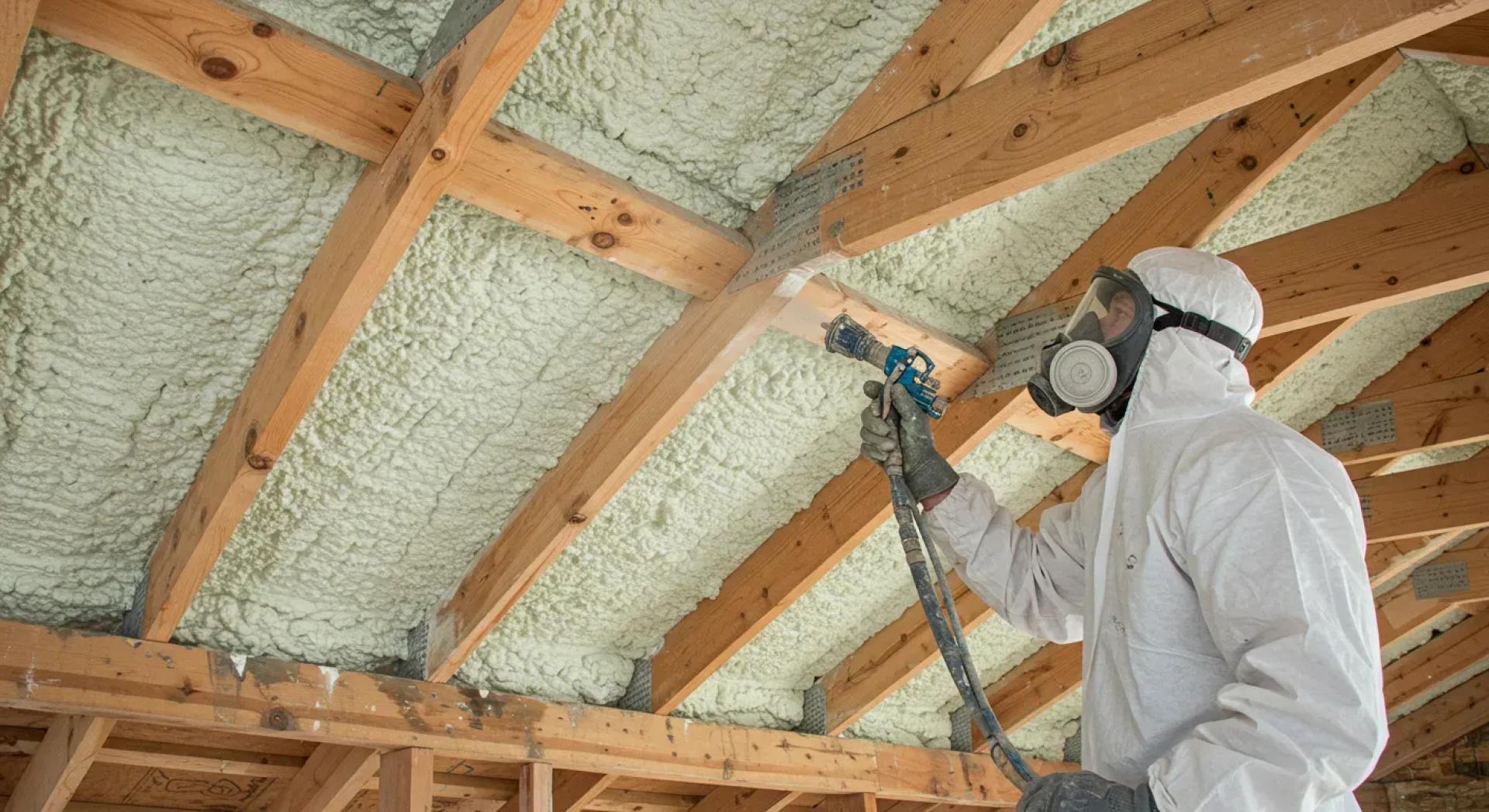

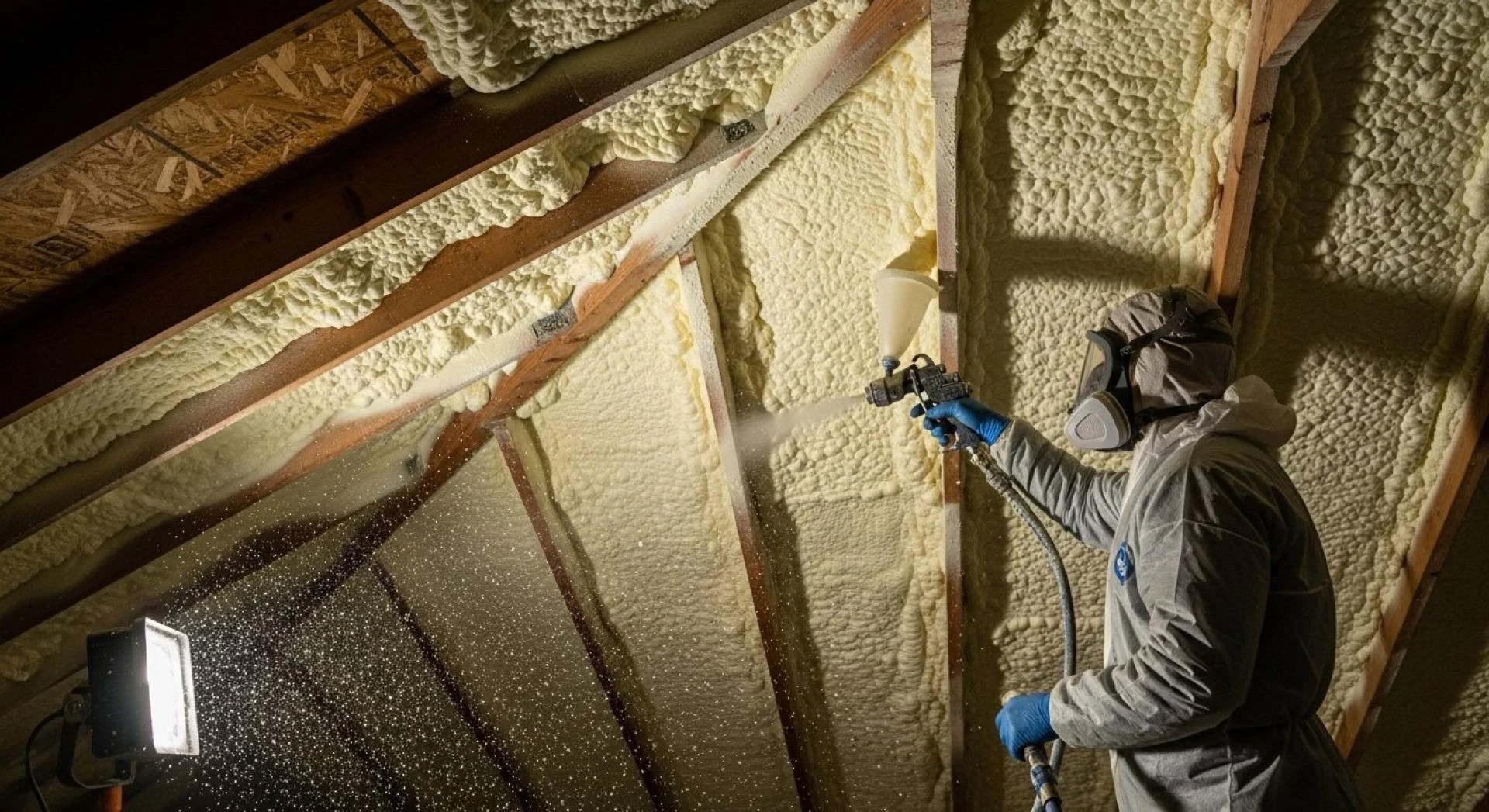
Spray foam insulation creates an airtight seal that prevents drafts and significantly reduces thermal transfer within a building. By expanding into gaps and cracks, it addresses air leakage, which accounts for up to 40% of a home energy loss. This material serves as both an insulator and an air barrier, enabling HVAC systems to operate less while maintaining consistent indoor temperatures year-round.
Industry experts who have spent years studying building science note that air sealing is the most effective way to improve residential energy performance. This guide explores how modern application techniques result in long-term utility savings and improved home comfort. The following sections break down the technical benefits and practical considerations for those looking to upgrade their home efficiency.
Understanding How Air Sealing Lowers Monthly Utility Costs
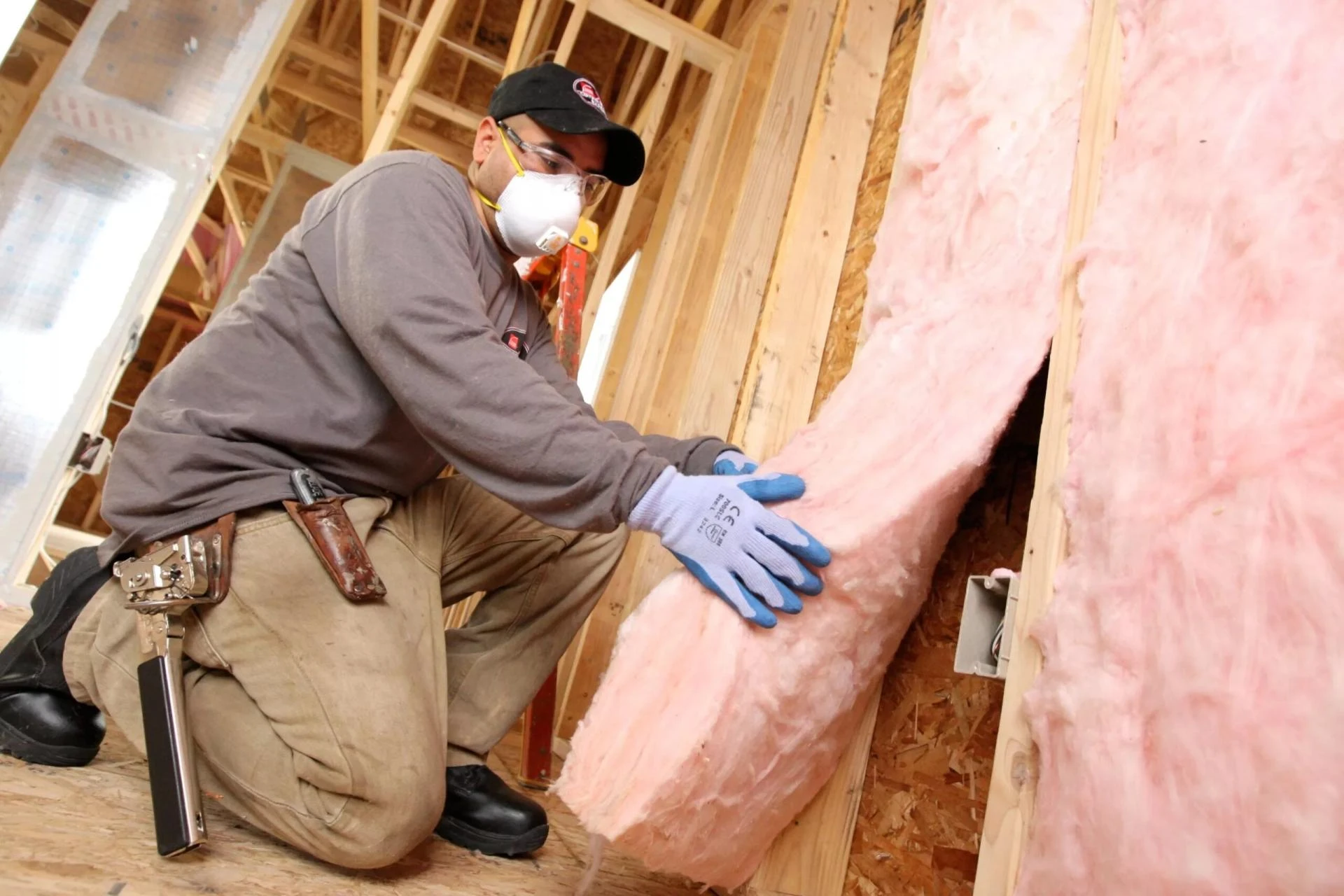
Traditional insulation types like fiberglass often let air pass through small gaps between the batts and the wall studs. Spray foam expands to fill every corner, which blocks the movement of air that carries heat out during winter or into the house during summer. This dual-purpose function simplifies construction by eliminating the need for separate vapor barriers in many applications.

Differences Between Open Cell and Closed Cell Options
Homeowners typically choose between two main types of spray foam based on their specific needs and budget. Open-cell foam is softer and better for sound damping, while closed-cell foam is much denser and adds structural strength to the walls. Both types provide a significant efficiency boost but function differently depending on where they are installed in the home.
Selecting Foam Based on Regional Climate Needs
In colder regions like the Rocky Mountains, closed cell foam is often preferred because it has a higher R-value per inch. This means it offers greater heat resistance in a thinner layer, which is helpful in tight spaces or in older homes with narrow wall cavities. Proper selection ensures the material stands up to extreme temperature swings without losing its effectiveness over time.
Bonus Tip for High Humidity Areas
In coastal or humid regions, using closed cell foam can act as a moisture barrier to help prevent mold growth inside wall cavities. This extra layer of protection keeps the indoor air quality high while protecting the structural integrity of the wood framing. It is a smart choice for basements or crawlspaces where dampness is a frequent concern for property owners.
Efficiency Comparison Across Common Materials
When comparing insulation types, it is helpful to consider how different materials perform in real-world conditions rather than relying on laboratory ratings alone. Spray foam often outperforms alternatives because it addresses both conduction and convection. The table below compares various materials by their primary functions and characteristics.
| Insulation Type | Air Sealing Capability | R-Value Per Inch | Moisture Resistance |
|---|---|---|---|
| Spray Foam (Closed Cell) | High | 6.5 - 7.0 | High |
| Spray Foam (Open Cell) | High | 3.5 - 3.8 | Moderate |
| Fiberglass Batts | Low | 2.9 - 3.8 | Low |
| Cellulose (Blown-in) | Moderate | 3.2 - 3.7 | Moderate |
Practical Benefits of Advanced Insulation Systems
The adoption of spray foam insulation has grown as building codes become more stringent regarding energy usage. Market data shows that homes with high-performance insulation can see reductions in heating and cooling costs of 15% to 50%, depending on the building's previous condition. This makes it a popular choice for both new constructions and major renovation projects.
Improved Indoor Comfort and Air Quality
Beyond just the financial savings, these materials help keep out dust, pollen, and outdoor pollutants by sealing the building envelope. This makes the home a healthier place for people with allergies or respiratory sensitivities. A tightly sealed home also experiences fewer drafts, meaning the temperature remains stable from the floor to the ceiling.
- It reduces the entry of outdoor allergens like ragweed and grass pollen by sealing small cracks around windows and doors.
- The material prevents the stack effect where cold air is pulled in through the basement and warm air escapes through the attic.
- Consistent temperatures across different rooms eliminate hot or cold spots that often occur in houses with traditional insulation.
- The foam's airtight nature helps dampen exterior noise, such as traffic or neighbors, creating a quieter living environment.
Things to Consider Before Making a Decision
While the efficiency gains are significant, homeowners should evaluate several factors before scheduling an installation. Professional installers need to manage ventilation properly during the curing process to ensure the home remains safe for residents. Understanding the preparation required for the project helps ensure the results meet expectations.
- The initial cost is typically higher than fiberglass or cellulose, so it is important to calculate the long-term return on investment.
- Certain areas of the home, like attics or crawlspaces, provide the most immediate impact on energy bills and should be prioritized.
- The age of the home and the condition of the electrical wiring should be checked to ensure the foam does not cover up potential hazards.
- Homeowners should plan for a short period where they may need to be out of the house while the foam sets and the air clears.
Finding the Right Professional for the Job
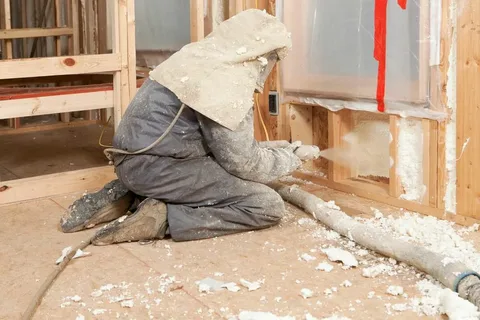
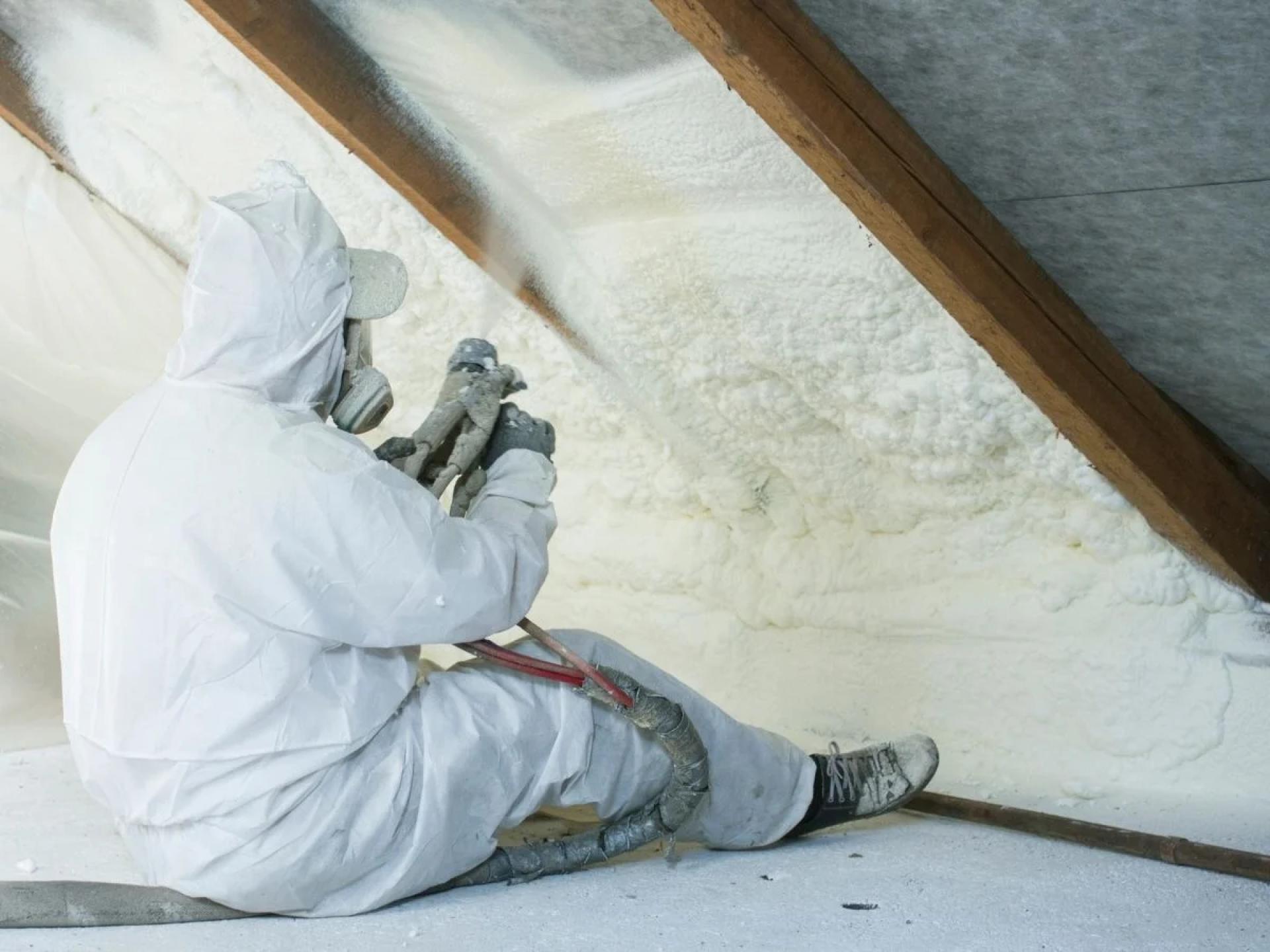
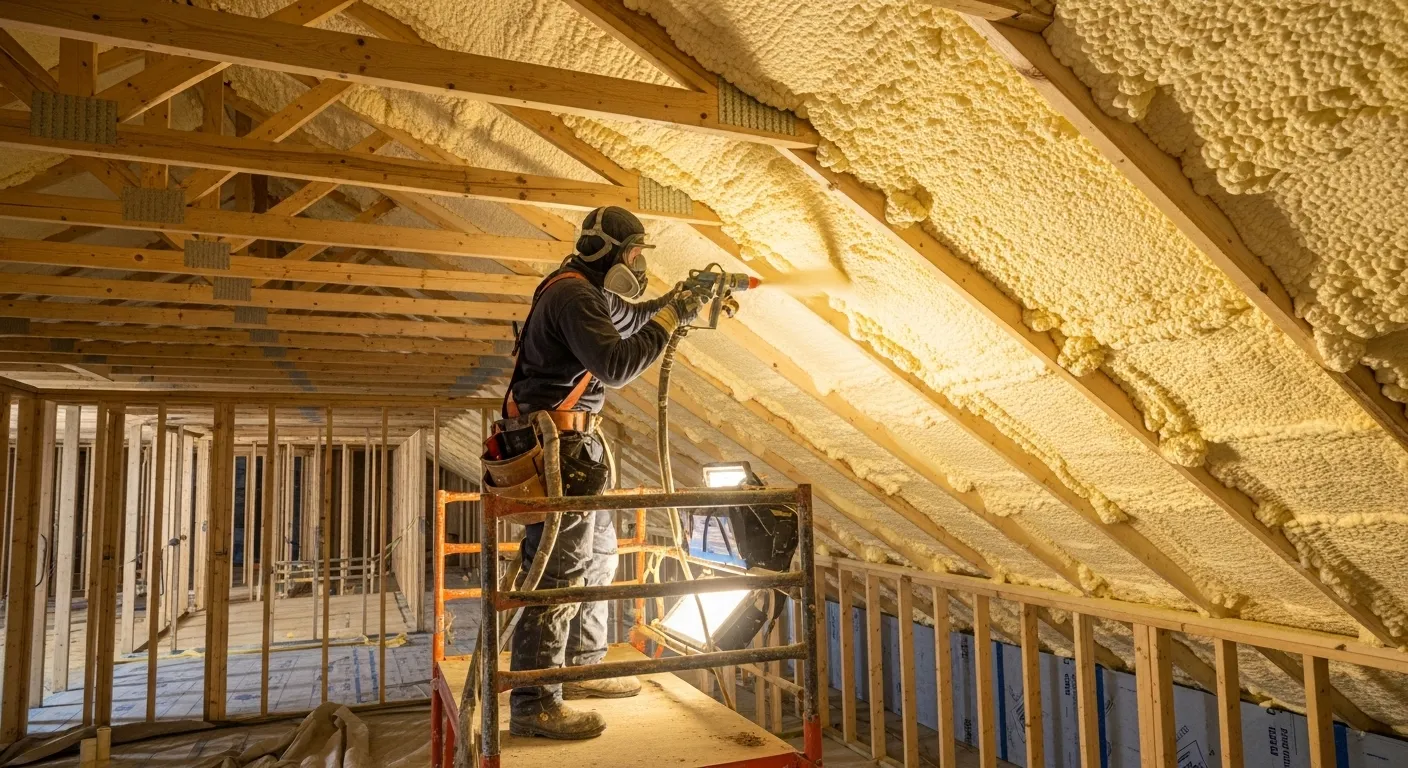
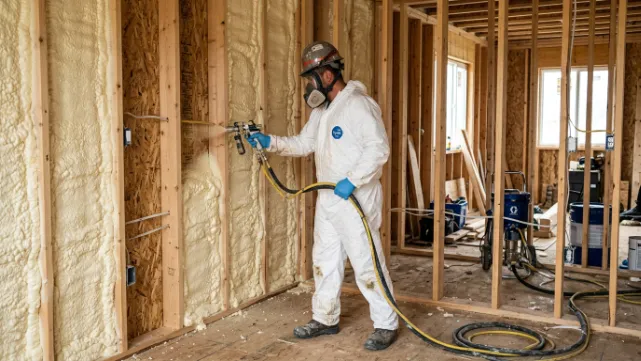
Installation requires specialized equipment and precise mixing of chemicals to achieve the right density and expansion. Homeowners should look for contractors who have training and a history of successful projects in their local area. A quality installation is what ensures the material stays in place and performs as expected for the life of the building.

Bonus Tip for Ventilation Planning
When sealing a home very tightly with spray foam, it is often necessary to look at the mechanical ventilation of the house. An energy recovery ventilator can be added to bring in fresh air without losing the heated or cooled energy already inside. This ensures the air stays fresh while the house remains highly efficient and comfortable.
Measuring Performance After Installation
A blower door test can be conducted after the foam cures to measure exactly how much the air leakage has decreased. This provides a clear metric of the efficiency boost and confirms that the job was done correctly according to industry standards. Many utility companies offer rebates for those who can prove these specific efficiency improvements.
Common Questions About Modern Insulation Efficiency
Understanding the specifics of spray foam helps homeowners make better choices for their property. These questions address common concerns regarding the application and long-term performance of the product. Clear information allows for a smoother transition to a more efficient home environment.
Does spray foam insulation lose its effectiveness over time?
Unlike some materials that settle or sag, spray foam maintains its shape and R-value for decades. Because it adheres directly to the building structure, it does not leave gaps even as the house shifts or settles naturally. This longevity is a primary reason why many consider it a permanent solution for home efficiency.
Can spray foam be installed in an existing home?
Yes, it is possible to add spray foam to existing homes by applying it to accessible areas like attics, basements, or crawlspaces. For finished walls, professional installers can sometimes use specialized injection methods. While it is easier during new construction, the retrofitting process still offers a massive boost in comfort and energy savings.
Is the material safe for indoor air quality?
Once the spray foam has fully cured, which usually takes about 24 to 48 hours, it is inert and does not off-gas. It actually improves indoor air quality by preventing the entry of outdoor pollutants and moisture that could lead to mold. Always ensure the contractor follows all safety protocols during the actual application process.
How does it affect the resale value of a property?
Energy efficiency is an increasingly important factor for home buyers who are looking for lower monthly costs. A home that is fully sealed with spray foam often commands a higher market interest because the work is already done. Documentation of utility bill savings can be a strong selling point when the property hits the market.
Key Points for Homeowners to Remember
Improving a home with spray foam is a reliable way to gain control over the indoor environment and reduce monthly expenses. By sealing the gaps that other materials miss, it provides a superior barrier against both heat loss and air infiltration. Homeowners should look at their specific climate and the current state of their insulation to decide which type of foam fits their goals.
The transition to a more efficient home requires looking at the long-term benefits rather than just the immediate installation tasks. Each property has unique needs, and evaluating the attic and foundation is usually the best place to start. Taking a proactive approach to home efficiency leads to a more sustainable and comfortable living space for years to come.
Discover Efficient Solutions for Your Property
If you are looking to improve your home energy performance, contacting a professional team is the best next step. High Country Solutions provides expertise in creating sustainable and efficient environments through advanced insulation techniques. They help property owners understand which materials will provide the best results for their specific building type and local climate.
You can reach them at (307) 248-9063 or send an email to [email protected] to learn more about their services. By working with High Country Solutions, you can ensure that your insulation project is handled with the care and technical knowledge required for lasting efficiency. Their team is dedicated to helping you achieve a more comfortable and cost-effective home through responsible building practices.
Author: Skeeter Aimone, co-founder of High Country Solutions, develops eco-friendly products to improve sustainability in outdoor gear. Brad Morrison leads the company’s technology strategy, creating systems that enhance outdoor experiences while prioritizing environmental responsibility.
Reviewer: Samuel Harris has worked across various roles in spray foam insulation over 11 years. His review focused on how businesses can better present their services to both new and returning clients.























Sign in to leave a comment.