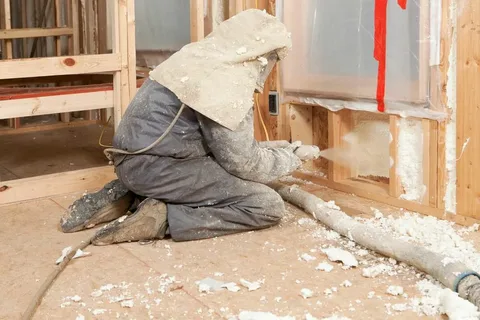

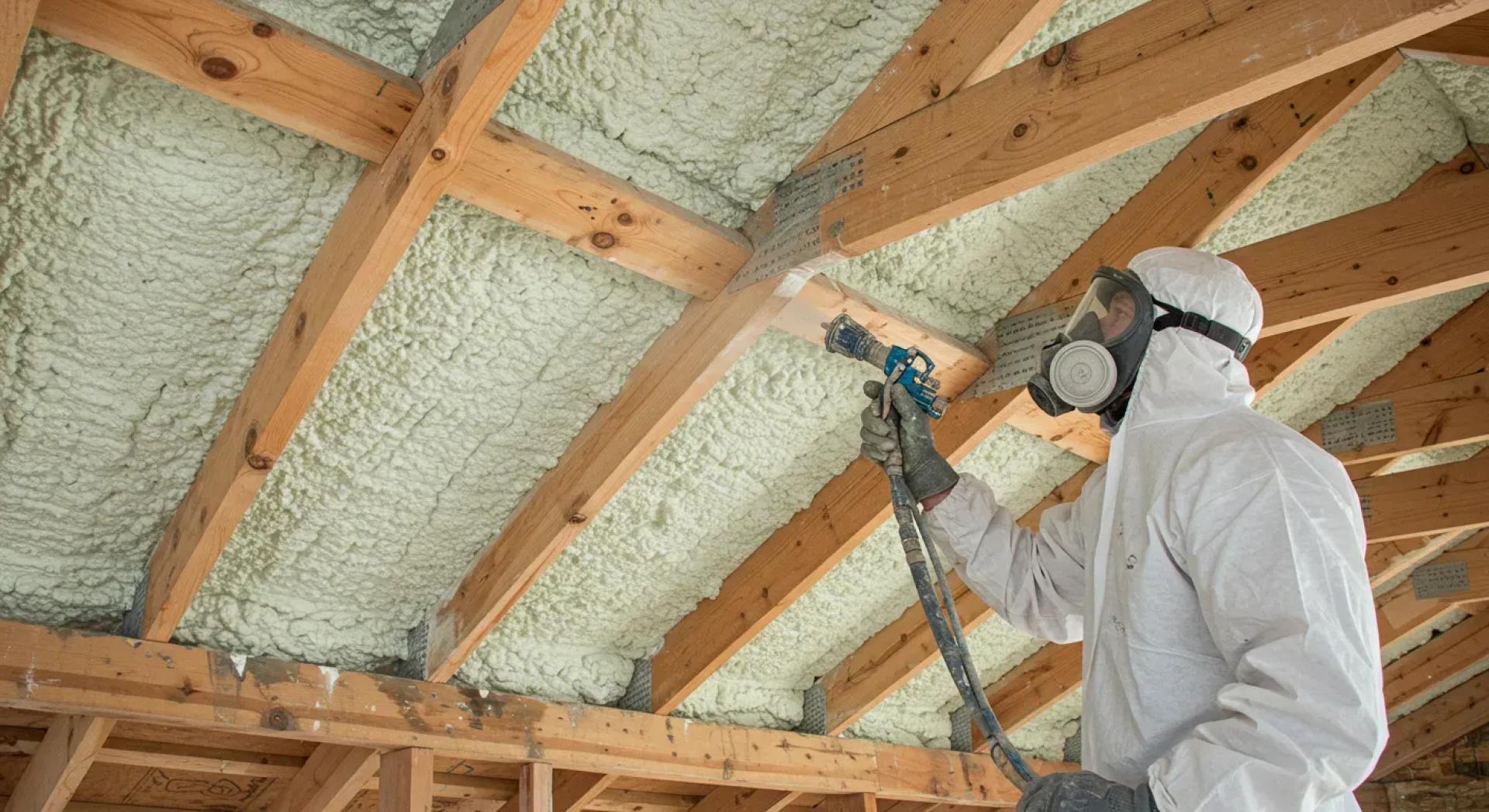
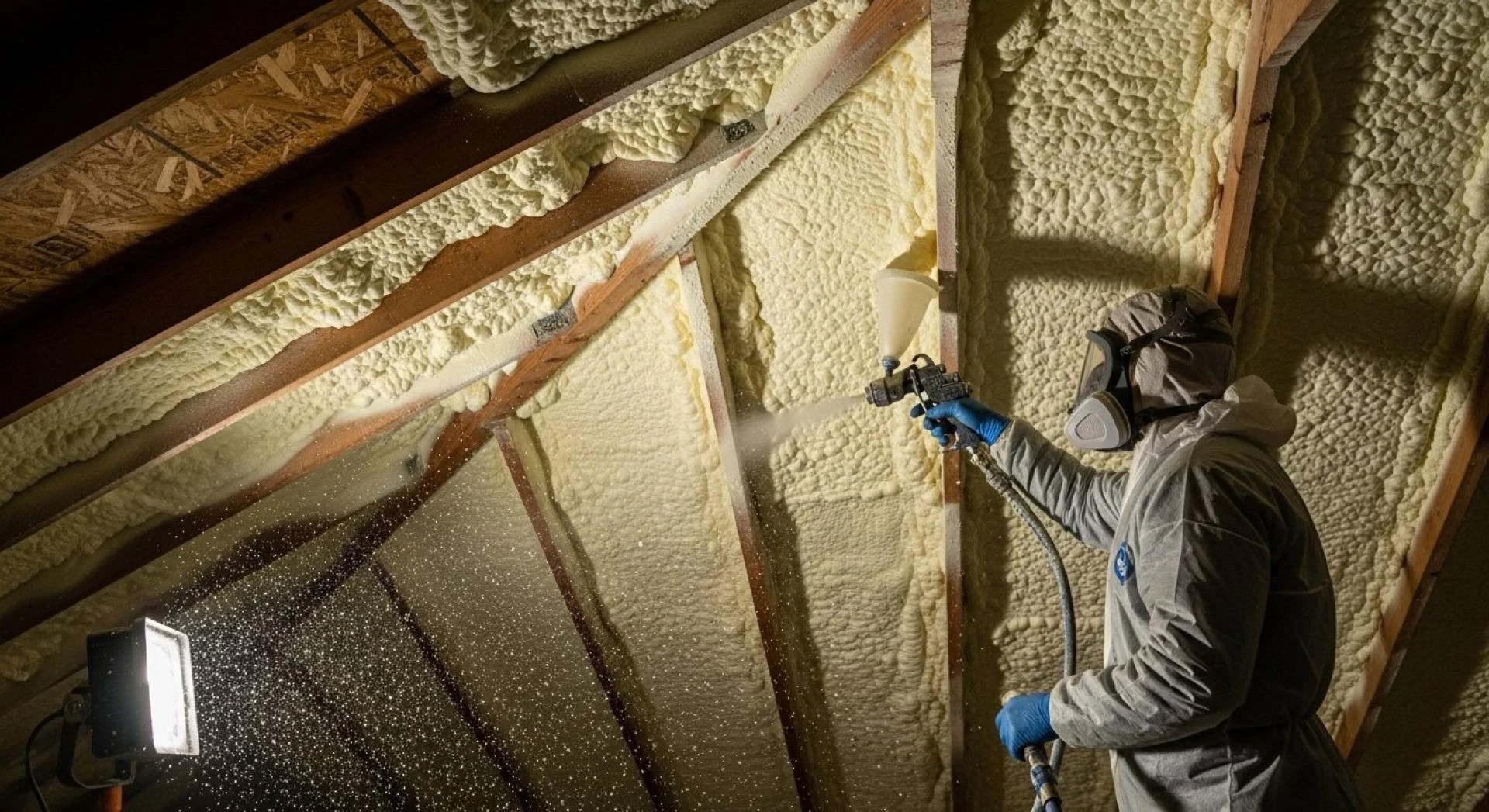
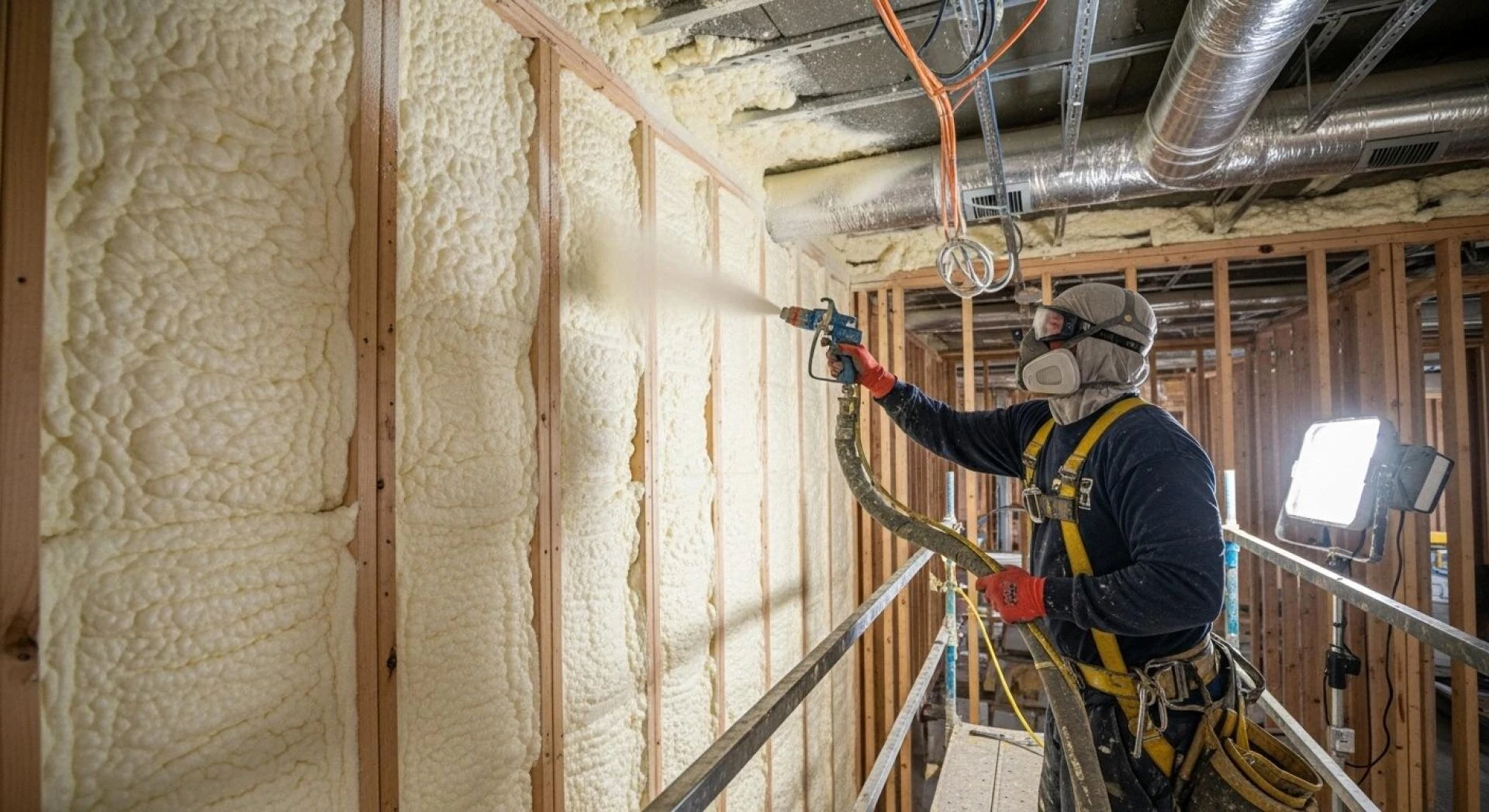
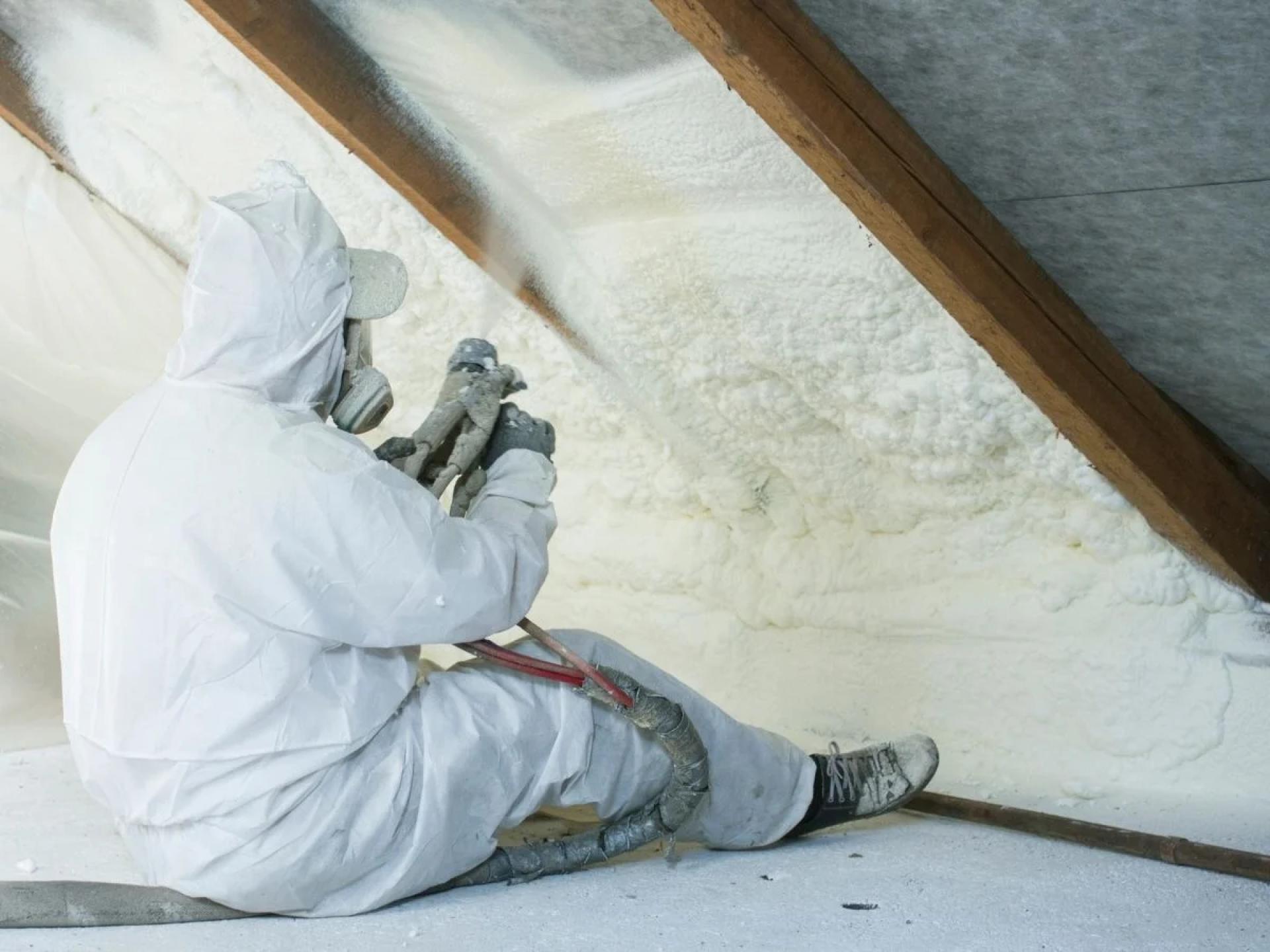
Homeowners prefer spray foam insulation experts because it provides a permanent air seal that traditional materials simply cannot replicate. Unlike fiberglass or cellulose, this product expands to fill every tiny gap and crack, preventing air from moving through the walls and attic. This dual function as both insulation and an air barrier leads to immediate reductions in monthly utility bills and a significant increase in overall home comfort.
This guide outlines the specific advantages that drive residential property owners to choose professional foam applications over other methods. High performance buildings require high performance materials that resist sagging and moisture over decades of use. The following analysis offers expert insight into why this material has become the standard for modern energy efficiency and structural protection.
Enhanced Energy Efficiency and Cost Savings
Reducing energy consumption is the most common reason for selecting this insulation type. Most residential buildings lose a high percentage of their conditioned air through the roof and rim joists. By sealing these areas with foam, property owners can reduce their heating and cooling costs by thirty to fifty percent, depending on the age of the structure.
Structural Integrity and Longevity
Closed-cell foam adds physical strength to a house's walls by acting as a rigid glue between the studs and the exterior sheathing. This added stability helps the building resist high winds and heavy snow loads, which is a major factor in areas with extreme weather patterns. The material does not settle or compress over time, ensuring that the insulation remains effective for the life of the home.
Moisture Management and Mold Prevention
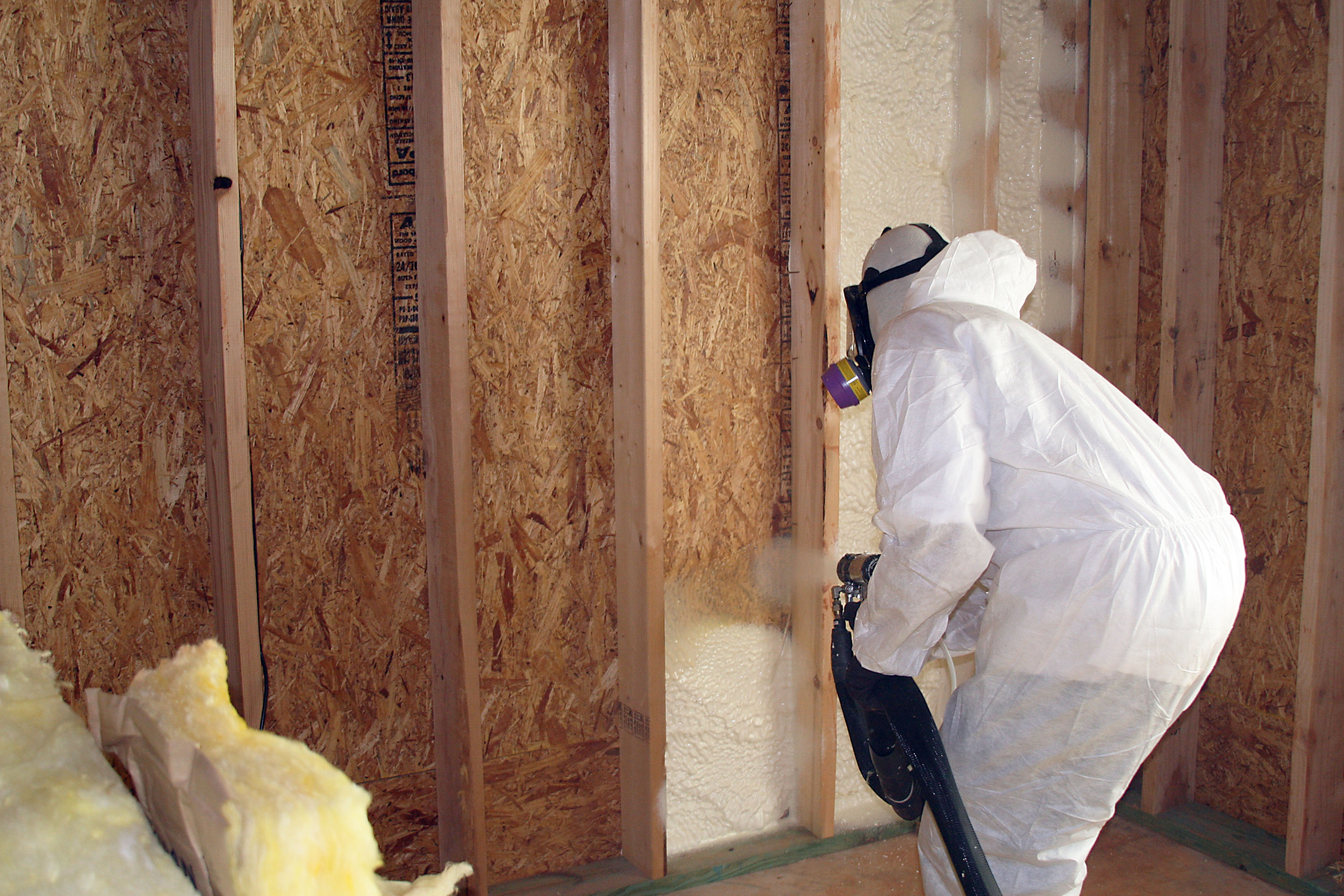
- The airtight seal prevents warm, moist air from hitting cold surfaces inside the wall where it would normally condense.
- Closed-cell varieties act as a vapor barrier, which is essential for protecting the wooden frame of a house from rot.
- A drywall cavity prevents mold and mildew growth, leading to a much healthier environment for the family.
- By keeping water out of the insulation material, the product maintains its R-value even in humid conditions.
Superior Pest Deterrence
- The hardened surface of the foam does not provide a food source for rodents or insects like paper-based cellulose does.
- Because every small opening is filled, pests find it much harder to gain entry into the home through the foundation or attic.
- Homeowners report fewer issues with spiders and ants once the gaps around pipes and wires are completely sealed.
- The lack of nesting materials inside the walls makes the home far less attractive to mice and squirrels.
Bonus Tip for Smart Homeowners
It is helpful to check the attic during the hottest part of the summer to see if the temperature is significantly higher than the living space. If so, the home likely suffers from air leakage, which could be addressed with a professional foam application to the roof deck.
Specific Details on Material Curing
Proper application requires the chemical mixture to reach a specific temperature range to ensure the foam expands and hardens correctly. Professional service providers monitor the humidity and surface temperature of the wood to ensure a strong bond that will not peel over time.
Comparison of Performance Standards
When evaluating insulation, looking at thermal resistance and air-sealing capabilities together provides the clearest picture of value. Traditional materials often leave gaps that allow "thermal bridging," where heat travels through the wood studs rather than staying inside. The following table highlights how spray foam compares to other common residential choices.
| Feature | Spray Foam (Closed Cell) | Fiberglass Batts | Blown-in Cellulose |
|---|---|---|---|
| R-Value per Inch | 6.5 to 7.0 | 3.1 to 3.4 | 3.2 to 3.8 |
| Air Barrier | Excellent (Built-in) | Poor (None) | Low |
| Moisture Resistance | Very High | Low | Low |
| Life Expectancy | 50 Plus Years | 15 to 25 Years | 20 to 30 Years |
| Structural Strength | Adds Rigidity | None | None |
Improved Indoor Air Quality and Noise Reduction
Homeowners who live near busy streets or suffer from allergies often prioritize foam because it blocks outdoor pollutants and noise. The material creates a physical barrier that keeps dust, pollen, and vehicle exhaust from seeping through the walls. This leads to a cleaner interior environment and a much quieter living space for the residents.
Sound Dampening Properties
Open cell foam is particularly effective at absorbing sound waves, which is why it is frequently used in media rooms and bedrooms. It reduces the "echo" inside a house and prevents sound from traveling between floors or through exterior walls. This feature significantly improves the quality of life for families living in high-traffic areas.
Allergen and Pollutant Filtration
- The seal prevents outdoor allergens from being pulled into the home by the vacuum effect created by the HVAC system.
- A cleaner attic means fewer dust particles are circulated through the ductwork and into the living areas.
- Homeowners often notice that they need to change their air filters less frequently after sealing the building envelope.
- Blocking outdoor humidity helps keep the indoor environment stable, which prevents the spread of airborne irritants.
Bonus Tip for Better Air
Property owners should consider installing a small heat recovery ventilator after sealing their home with foam. Since the house becomes so airtight, this device helps bring in fresh, filtered air while maintaining the building's energy efficiency.
Advanced Chemical Stability
Once the foam has fully cured, it becomes an inert material that does not release particles or gases into the home. This stability is why many healthcare facilities and schools choose this product to maintain high indoor air quality standards for their occupants.
Things to Consider Before Making a Decision
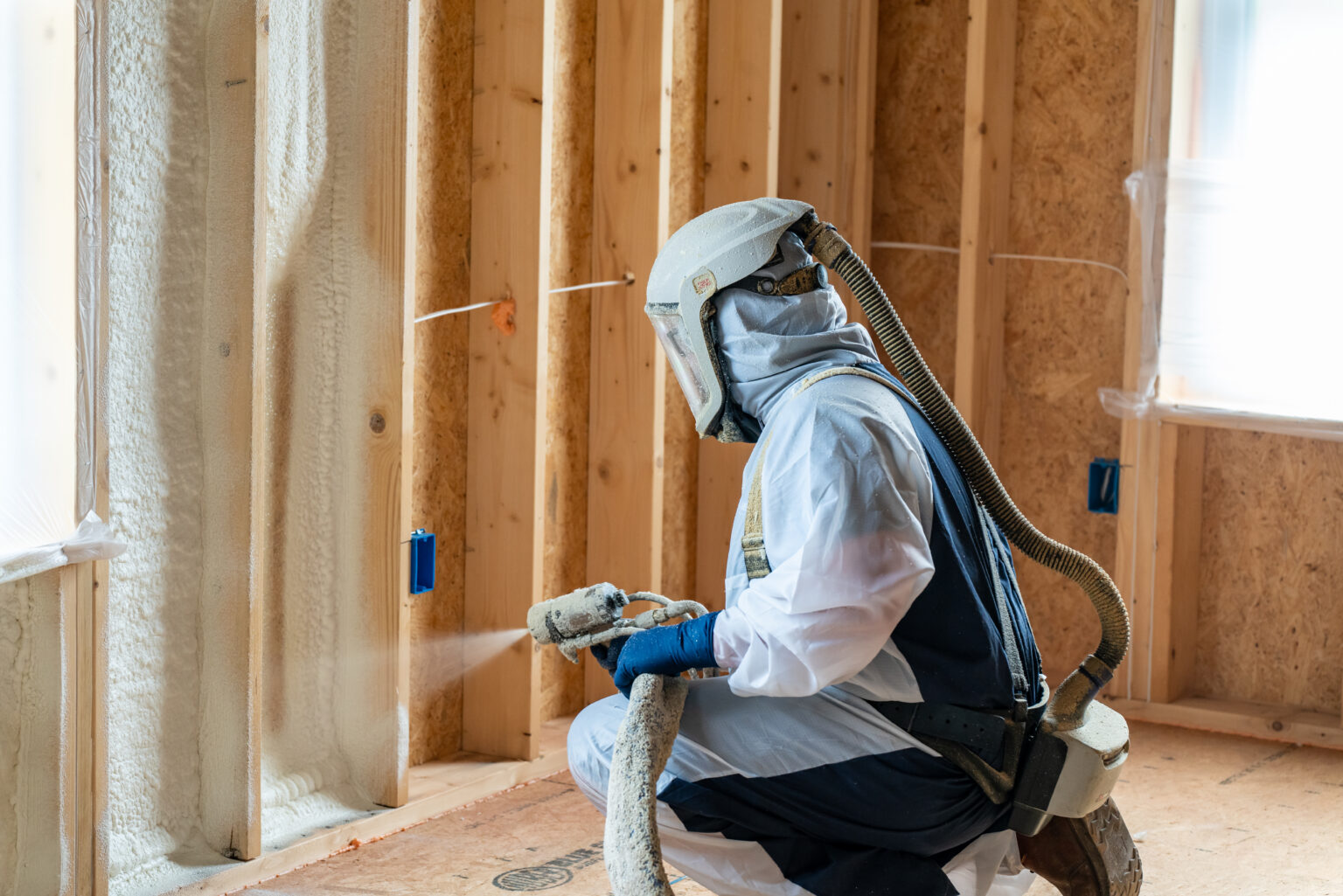
Before moving forward with an insulation project, it is helpful to look at the current state of the building and the long term goals for the property. A professional inspection can identify the areas of the home that are losing the most energy and determine if the structure is ready for a permanent seal.
- Verify that the roof and walls are in good repair with no active leaks that could trap moisture behind the foam.
- Determine if the goal is maximum energy savings or if sound dampening is the higher priority for the specific space.
- Look for a service provider that uses high-quality materials and has a strong reputation for safe and practical applications.
- Evaluate the potential for tax credits or local energy rebates that can help offset the initial investment in high performance insulation.
Answers to Common Questions
Does spray foam lose its effectiveness over time?
No, the material is designed to maintain its R-value and air sealing properties for the entire life of the building. Unlike fiberglass which can sag or cellulose which settles, spray foam remains firmly attached to the substrate. This means the energy savings seen in the first year will continue for decades.
Is the insulation safe for families with pets?
Modern foam products are entirely safe for pets and children once the initial twenty four hour curing period is finished. The material becomes a solid plastic that does not shed fibers or harbor bacteria. Many families find that their pets are more comfortable at home because the floors stay warmer in winter.
Can it be applied to an existing home?
Spray foam is very effective for retrofit projects, particularly in attics, crawl spaces, and basements. While it is harder to put inside finished walls without removing drywall, sealing the top and bottom of the house usually provides the biggest boost in efficiency. Most professionals can complete an attic upgrade in a single day.
Will the foam cause the wood to rot?
If applied correctly to a dry surface, the foam actually protects the wood by keeping it away from moist air. Closed-cell foam acts as a vapor barrier, preventing water from reaching the wooden studs. It is important to ensure the building has no external water leaks before the foam is installed.
How does it affect the resale value of a home?
A house with a fully sealed building envelope is highly attractive to buyers because it guarantees low utility costs and a comfortable environment. Home inspectors often note the presence of high quality foam as a premium feature. Property owners can often recover a large portion of the cost through a higher selling price.
Evaluating the Investment for Your Home
The choice to use spray foam is a decision to invest in the future of the property. While the upfront cost is higher than traditional batts, the return on investment through energy savings and structural protection makes it the more economical choice over time. Residents should carefully weigh the immediate benefits of comfort and health against the initial price to see the true value of a permanent air seal.
Professional Solutions for Property Owners
For those ready to improve their home performance, High Country Solutions provides a comprehensive range of insulation services. They help property owners select the right materials for their specific climate and building type to ensure long term success. Contacting High Country Solutions at (307) 248-9063 is an excellent way to get expert advice on any insulation project. The team also accepts inquiries via email at [email protected] for those who prefer to share project details electronically. High Country Solutions remains a trusted resource for those seeking a more efficient and comfortable living environment.
Author: Skeeter Aimone, co-founder of High Country Solutions, develops eco-friendly products to improve sustainability in outdoor gear. Brad Morrison leads the company’s technology strategy, creating systems that enhance outdoor experiences while prioritizing environmental responsibility. Established in 2018, they bring years of experience to advancing sustainable outdoor living through high-performance, responsible insulation materials.
Reviewer: Samuel Harris has worked across various roles in spray foam insulation over 11 years. His review focused on how businesses can better present their services to both new and returning clients.





















Sign in to leave a comment.