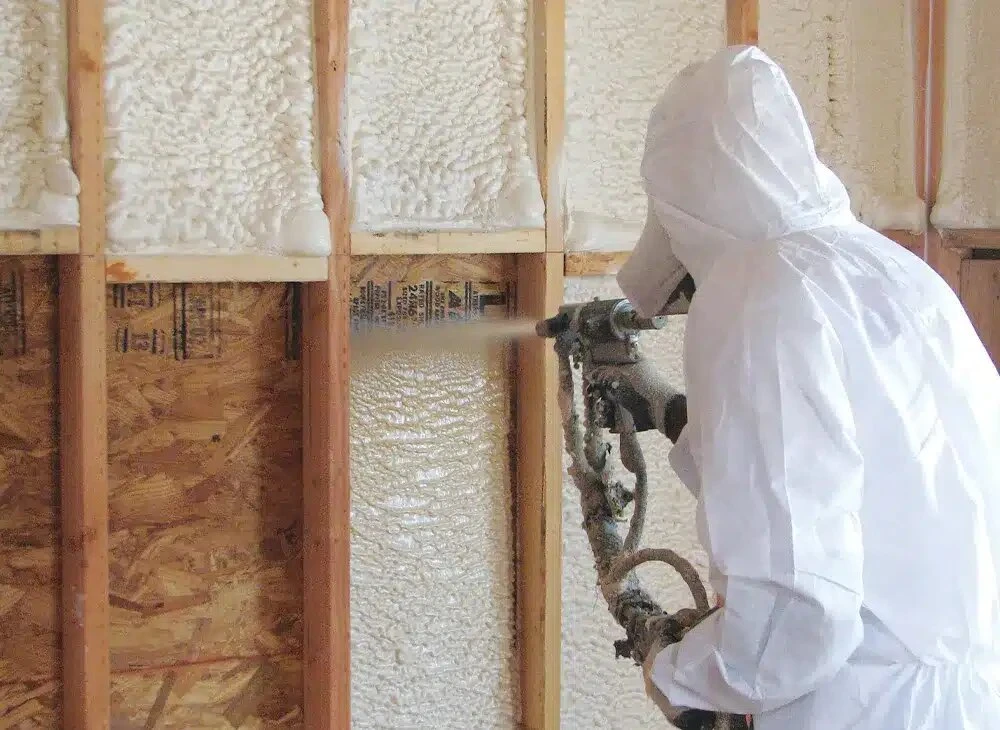

Living in Lincoln, ID, means navigating a climate that demands resilience from your property. From biting winter winds to the intense summer sun, your home or commercial building faces a constant battle to maintain internal temperatures. If you rely on outdated materials like fiberglass batting, you likely experience drafts, fluctuating room temperatures, and escalating utility bills. Spray foam insulation in Lincoln, ID provides a long-term solution to these challenges, creating a seamless air barrier that fully seals your building envelope and delivers consistent indoor comfort year-round.
This guide explores how upgrading your insulation transforms your property’s performance, focusing on the specific benefits of air sealing and thermal resistance. We break down the crucial differences between open and closed-cell foam, the importance of insulating agricultural and commercial structures, and how foundation waterproofing protects your investment. You will find a detailed comparison of insulation materials, an overview of our specialized services, and answers to the most pressing questions regarding high-performance insulation.
Transforming Lincoln Properties With Advanced Thermal Solutions
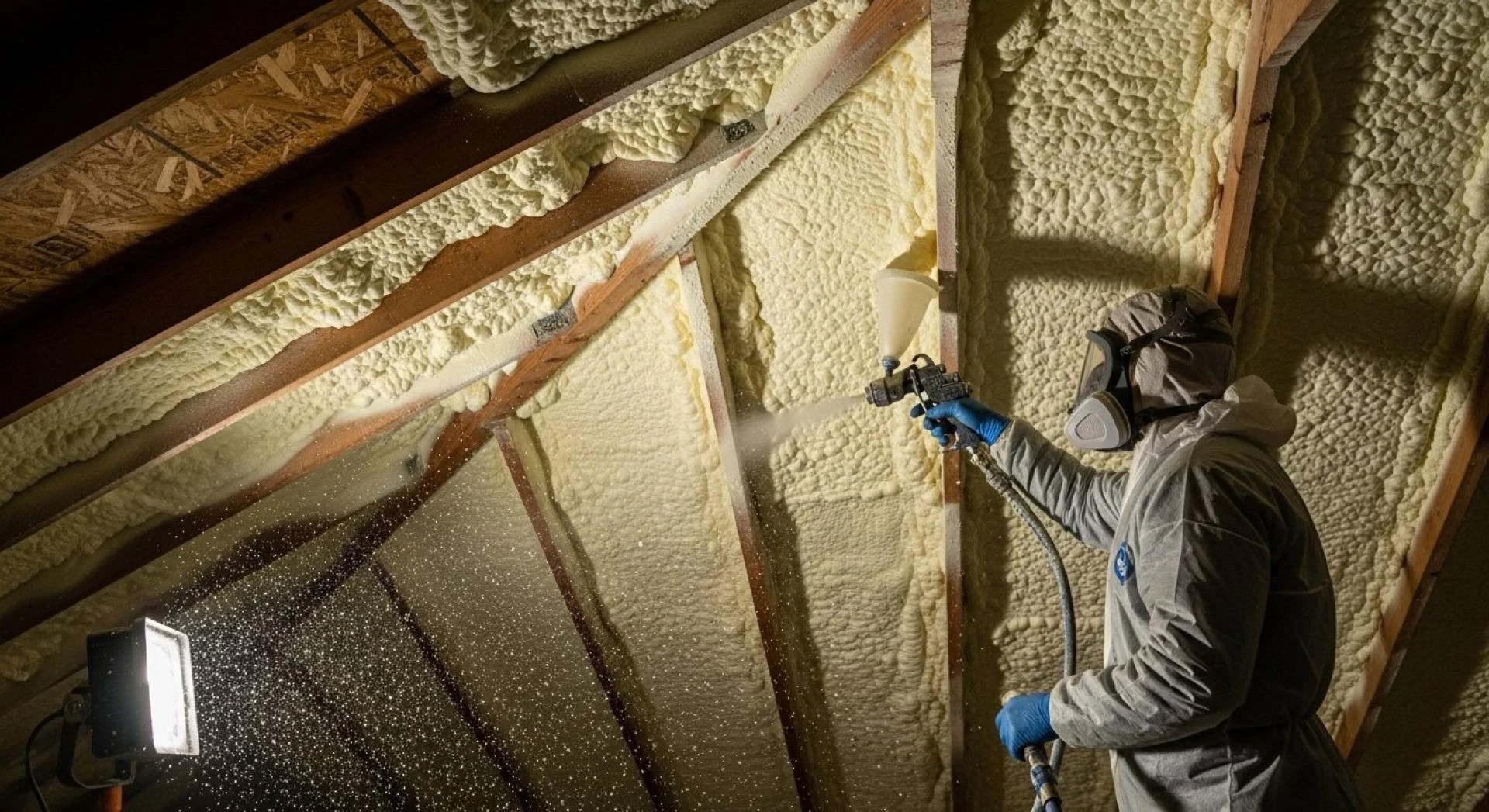
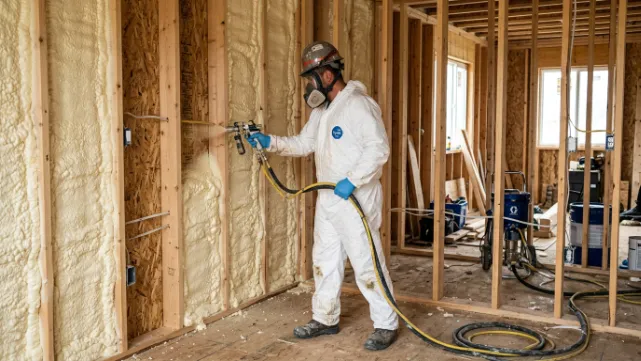
We provide a comprehensive approach to building science that goes beyond simple stuffing or rolling of material. In Lincoln, ID, the primary culprit for energy loss is not just poor R-value, but air leakage. Traditional materials allow air to pass through gaps, carrying heat out in winter and humidity in during summer. Our spray foam insulation expands upon application, filling every crack, crevice, and void to create a monolithic air barrier. This seamless seal is the foundation of a high-performance home, ensuring that your HVAC system operates efficiently without fighting constant thermal bridging.
Eliminating the Stack Effect in Residential Homes
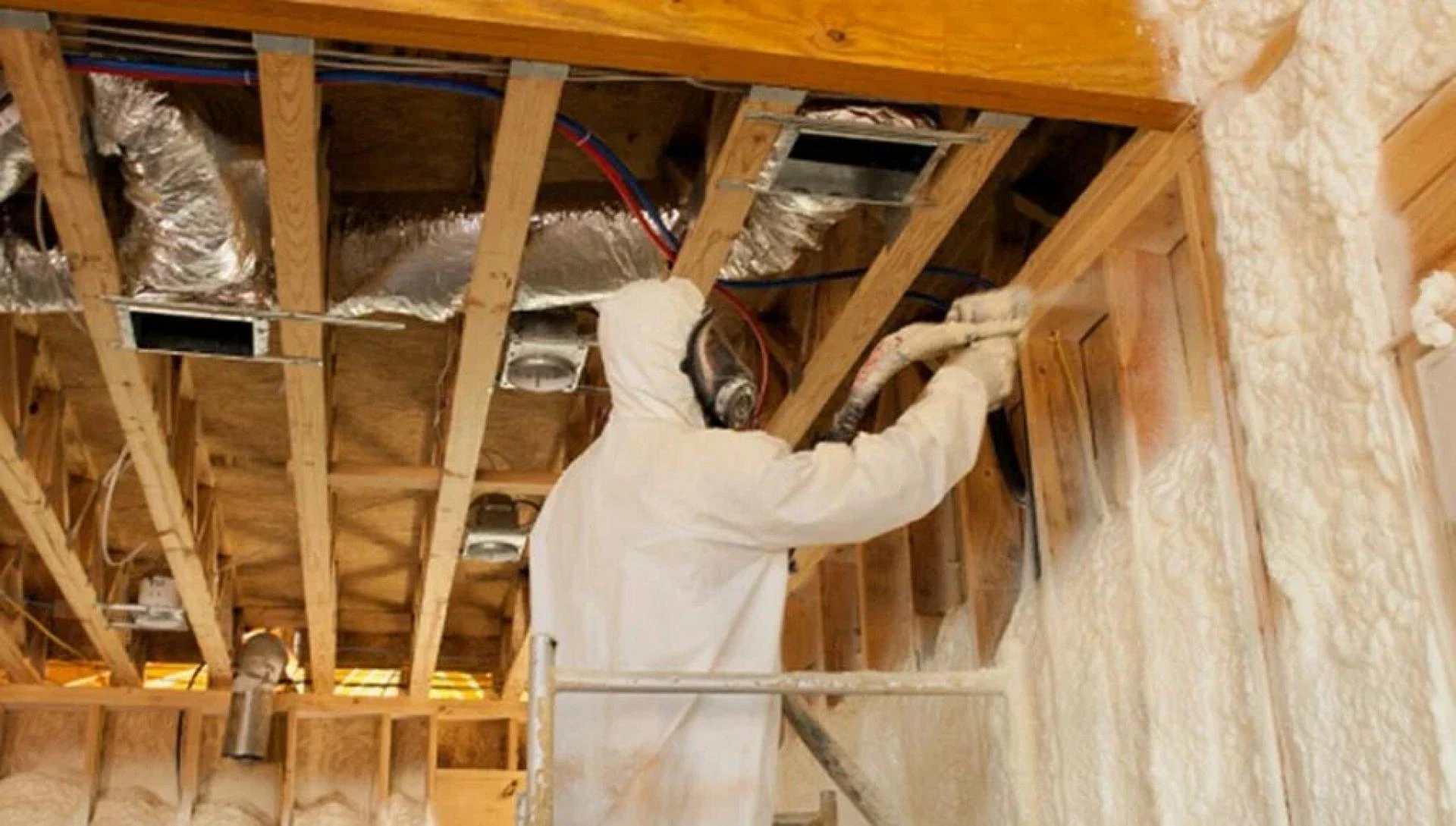
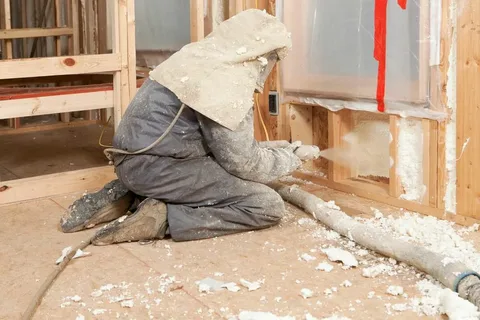
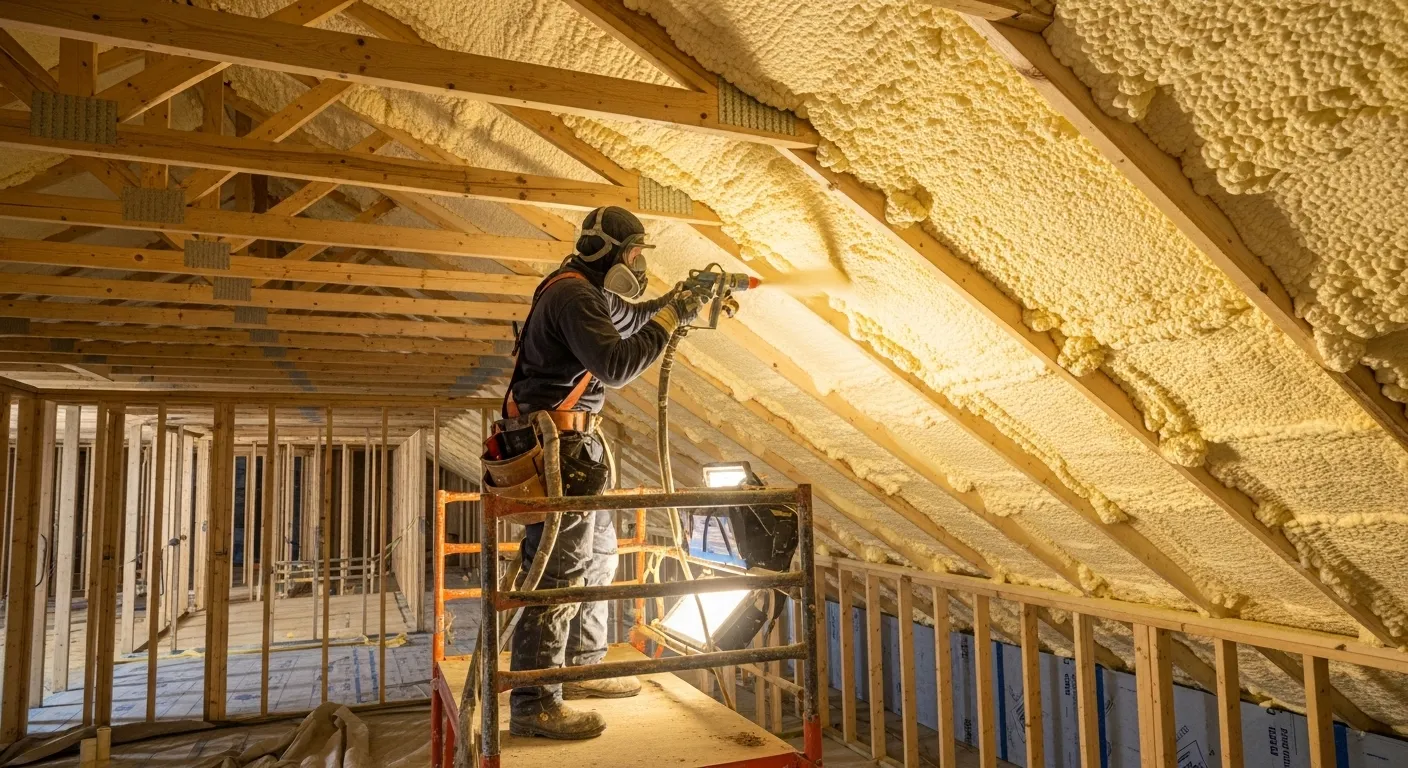
Many homeowners in Lincoln suffer from the "stack effect" without realizing it. This phenomenon occurs when warm air rises and escapes through the attic, creating a vacuum that pulls cold, unconditioned air in through the crawl space or foundation. We address this by applying spray foam to the underside of the roof deck and the rim joists in the basement. This process effectively caps the building, neutralizing the stack effect. By stopping this airflow cycle, we stabilize the indoor climate, meaning your thermostat setting actually matches the temperature in every room of the house.
Reducing HVAC Load and Maintenance
When your home leaks air, your heating and cooling systems must work overtime to compensate. This constant cycling accelerates wear and tear on your mechanical equipment. By creating a sealed thermal envelope, our insulation significantly reduces the heating and cooling load required to maintain comfort. This reduction allows your HVAC equipment to run less frequently and for shorter durations, extending the lifespan of furnaces and air conditioners while drastically lowering monthly energy consumption.
Comprehensive Insulation Applications for Every Structure
Versatility makes spray foam the superior choice for the diverse architecture found throughout Lincoln, ID. Whether you are constructing a custom home, managing a large commercial facility, or retrofitting an existing agricultural building, the application method adapts to the structure’s needs. We approach every project with a focus on structural reinforcement and moisture management, ensuring the selected insulation integrates perfectly with the building's framing and exterior sheathing.
Commercial and Agricultural Performance
Commercial buildings and agricultural structures face unique challenges regarding moisture control and temperature regulation. Metal buildings, common in agricultural settings, are prone to condensation ("sweating") which can damage crops, equipment, or livestock. We utilize closed-cell spray foam to bond directly to the metal substrate, eliminating the air gap where condensation forms. For commercial facilities, this adds significant structural rigidity to the building while providing a high R-value per inch, maximizing usable interior space without sacrificing thermal performance.
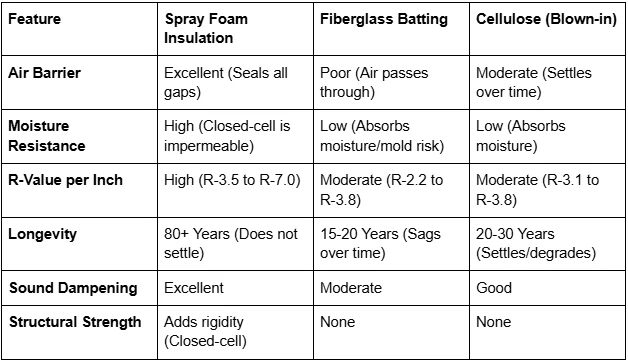
Comparison of Insulation Materials
To make an informed decision, it is vital to understand how spray foam stacks up against traditional options available in the market.
The Technical Edge: Open Cell vs. Closed Cell Foam
Understanding the distinction between open-cell and closed-cell spray foam is critical for selecting the right material for your specific project in Lincoln. While both provide superior insulation compared to traditional materials, they behave differently regarding moisture permeability and density. We analyze the specific building assembly—roofline, wall depth, and exterior climate exposure to determine which formulation delivers the optimal balance of breathability and protection.
Closed Cell for Structural Integrity and Vapor Control
Closed-cell spray foam is dense, rigid, and acts as a Class II vapor retarder. In the harsh winters of Lincoln, ID, managing moisture drive is essential to prevent mold growth within wall cavities. Closed-cell foam creates a barrier that prevents warm, moist interior air from reaching cold exterior sheathing, where it would otherwise condense. Additionally, its high density adds racking strength to walls and roofs, making it the ideal choice for exterior walls, pole barns, and areas prone to flooding or high humidity.
Open Cell for Sound Attenuation and Interior Comfort
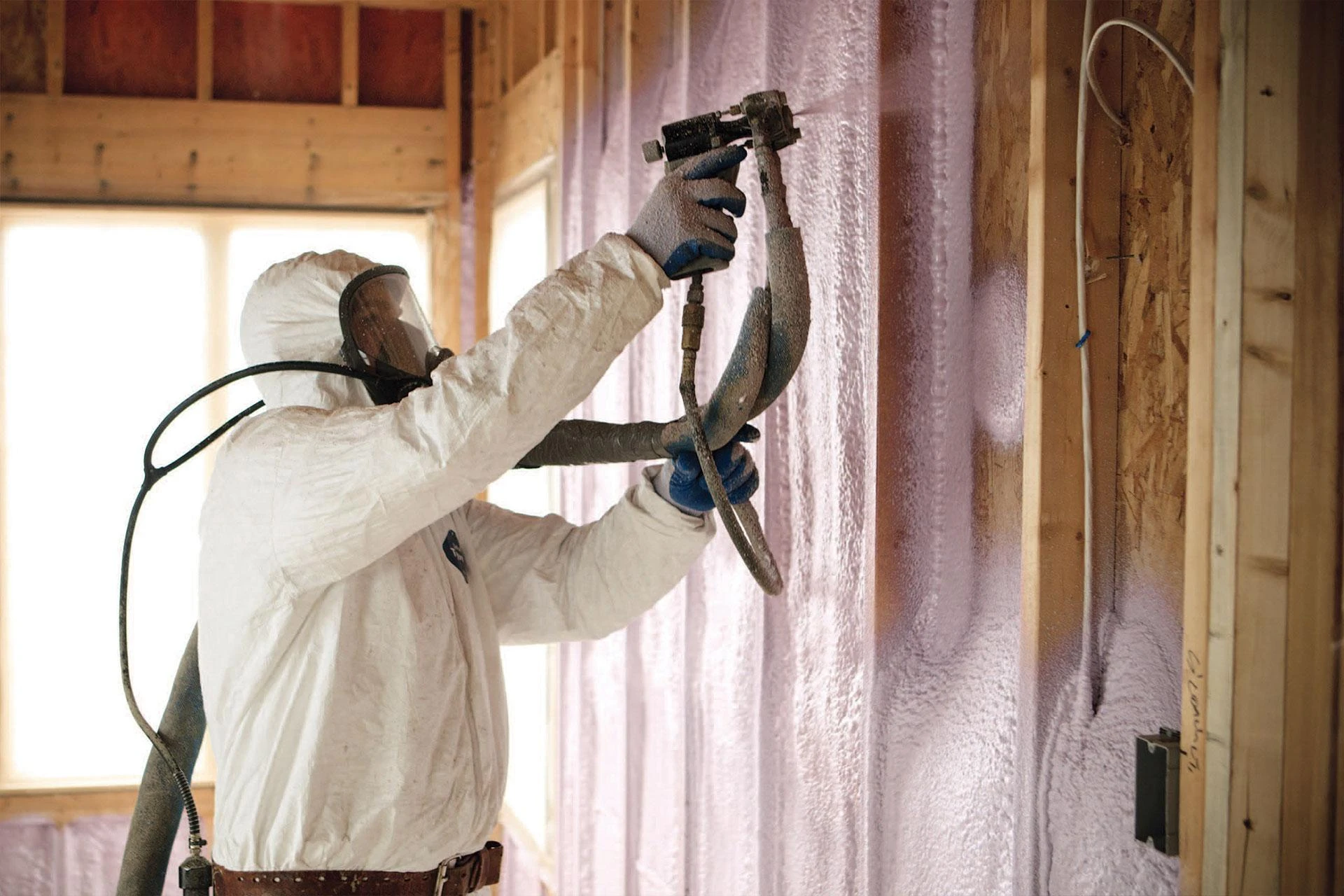
Open-cell foam is lighter, less dense, and expands significantly more than its closed-cell counterpart. It is an excellent choice for interior walls, soundproofing media rooms, and insulating attic floors where a vapor barrier is not required or is applied separately. The cellular structure of open-cell foam traps sound waves, significantly reducing noise transfer between rooms or from the outdoors. For homeowners prioritizing a quiet, peaceful interior environment alongside thermal efficiency, open-cell applications offer a cost-effective high-performance solution.
Specialized Protection: Waterproofing and Coatings
Insulation is only one part of the building envelope; protection against water intrusion is equally vital, particularly for foundations and concrete structures. We extend our expertise beyond thermal barriers to include advanced waterproofing and protective coating solutions. Neglecting the foundation or exterior concrete surfaces can lead to structural degradation, freeze-thaw damage, and compromised indoor air quality due to mold infiltration.
Foundation Insulation and Waterproofing
Basements and crawl spaces are major sources of energy loss and moisture problems. Uninsulated concrete walls constantly conduct cold from the surrounding soil into your home. We apply specialized spray foam and waterproofing membranes to foundation walls, effectively decoupling the structure from the cold ground. This process keeps the basement warmer and dry, transforming it into a usable, conditioned space while preventing groundwater from seeping through cracks or porous concrete.
Polyurea Coatings and Concrete Protection
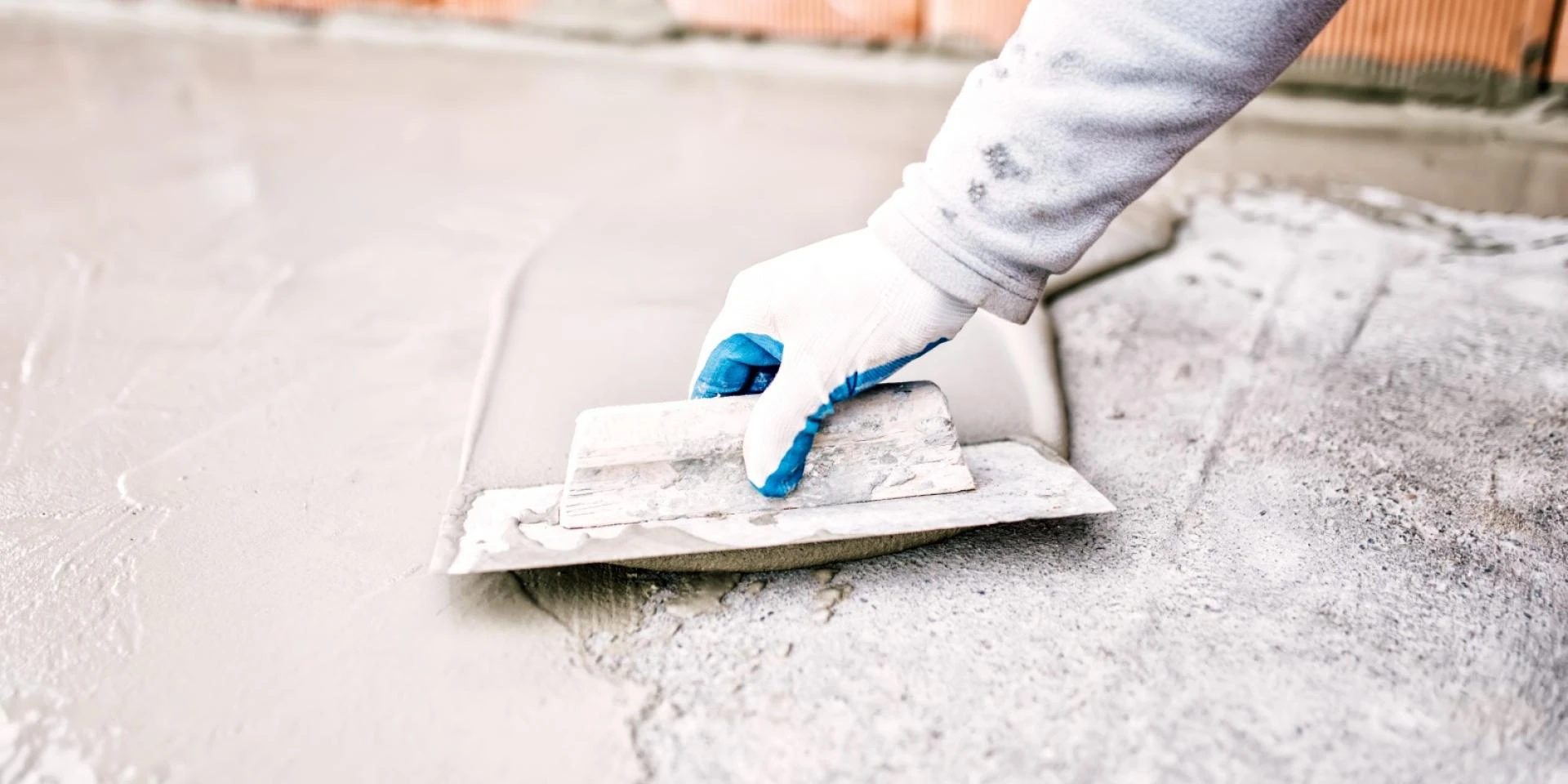
For surfaces that require extreme durability and resistance to abrasion or chemicals, we utilize polyurea coatings. These advanced coatings are ideal for garage floors, commercial workshops, and industrial containment areas. Unlike standard epoxy, polyurea cures rapidly and remains flexible, allowing it to move with the concrete substrate without cracking. This service ensures that your concrete surfaces remain waterproof and protected against the elements, heavy traffic, and chemical spills, extending the service life of your property’s infrastructure.
Our Comprehensive Service List
We offer a diverse range of professional insulation services designed to meet the specific requirements of residential, commercial, and agricultural properties in Lincoln, ID.
- Residential Spray Foam Insulation: Custom thermal solutions for existing homes and renovations.
- Commercial Spray Foam Insulation: High-volume applications for offices, warehouses, and retail spaces.
- New Construction Insulation: Integrated planning and installation for new builds.
- Open Cell Spray Foam: Breathable insulation perfect for sound dampening and interior applications.
- Closed Cell Spray Foam: Rigid, high R-value insulation with vapor barrier properties.
- Agricultural Insulation: Condensation control and thermal protection for barns and storage facilities.
- Attic and Crawl Space Insulation: Sealing the most critical areas for energy loss.
- Air Sealing Services: locating and sealing air leaks prior to insulation.
- Blown-in Insulation: Efficient coverage for attic floors and hard-to-reach areas.
- Dense Pack Cellulose: High-density retrofit option for enclosed wall cavities.
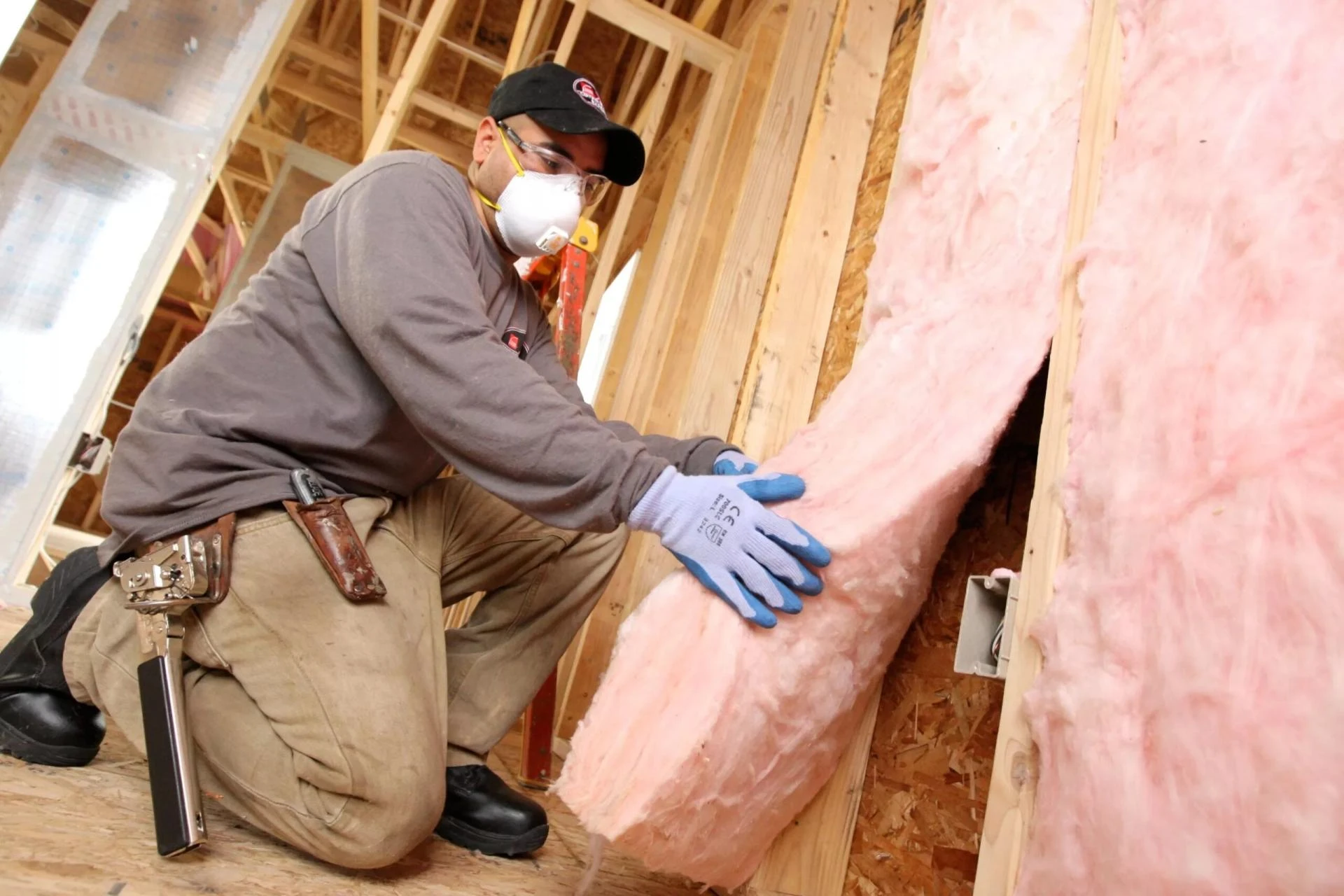
- Fiberglass Insulation: Professional installation of batts and rolls where specified.
- Mineral Wool Insulation: Fire-resistant and sound-absorbing insulation options.
- Exterior Spray Foam Insulation: Continuous insulation applied to the building exterior.
- Foundation Insulation: Thermal barriers for basements and stem walls.
- Foundation Waterproofing: Protecting below-grade structures from water intrusion.
- Concrete Waterproofing: Sealants and barriers for slabs and retaining walls.
- Polyurea Coatings: Durable, fast-curing protective layers for floors and industrial surfaces.
- Thermal Barrier Coatings: Fire-protective coatings applied over spray foam.
- Retrofit Insulation: Upgrading older homes to modern energy standards.
Conclusion
Upgrading your property with professional insulation is one of the most impactful investments you can make for long-term comfort and efficiency. By sealing air leaks and establishing a consistent thermal barrier, you eliminate the drafts and temperature fluctuations that make Lincoln winters difficult to manage. Whether you choose open-cell foam for sound dampening or closed-cell foam for structural rigidity and moisture control, the result is a building that retains heat, resists moisture, and costs significantly less to operate.
We focus on delivering results that improve the livability and durability of your structure. From the foundation to the roof deck, a properly insulated building envelope protects your asset against the elements. Taking action now to address energy inefficiencies prevents future damage caused by moisture and wear on HVAC systems, ensuring your home or business remains comfortable and structurally sound for decades.
Maximize Your Building’s Potential With High Country Solutions
A well-insulated home is the cornerstone of energy independence and indoor comfort. We take pride in helping property owners in Lincoln, ID, achieve peak building performance through precision application and superior materials.
Learn more about at High Country Solutions or Email: [email protected] Phone: (307) 248-9063
Frequently Asked Questions
How does spray foam insulation impact indoor air quality?
Spray foam seals the building envelope, preventing outdoor allergens, dust, and pollutants from entering the home. By reducing air infiltration and controlling moisture, it also inhibits mold growth, contributing to a healthier and cleaner indoor environment.
Can spray foam be applied to existing walls without removing drywall?
We typically use "injection foam" or dense pack cellulose for existing walls to avoid removing drywall, but spray foam usually requires open cavities. However, during major renovations or exterior re-siding projects, we apply spray foam to ensure a seamless seal that retrofitting alone cannot always achieve.
What is the return on investment for upgrading to spray foam?
Homeowners often see energy bill reductions between 30% and 50% immediately after installation, depending on the previous insulation levels. The long-term savings on utility costs, combined with reduced HVAC wear and increased property value, typically offset the initial investment within a few years.
Does spray foam insulation degrade or settle over time?
Unlike fiberglass or cellulose, which can sag or settle, spray foam adheres to the building structure and maintains its shape and density indefinitely. It provides consistent thermal performance for the life of the building without requiring top-ups or replacement.
Is spray foam suitable for metal agricultural buildings?
Yes, closed-cell spray foam is the most effective solution for metal buildings as it bonds directly to the surface to stop condensation and rust. It adds structural strength to the metal panels and creates a seamless barrier that withstands the high moisture levels often found in agricultural settings.
Author: Skeeter Aimone, co-founder of High Country Solutions, develops eco-friendly products to improve sustainability in outdoor gear. Brad Morrison leads the company’s technology strategy, creating systems that enhance outdoor experiences with a focus on environmental responsibility. Established in 2018, they bring years of experience to advancing sustainable outdoor living through high-performance, responsible insulation materials.
Reviewer: Samuel Harris has worked across various roles in spray foam insulation over 11 years. His review focused on how businesses can better present their services to both new and returning clients







Sign in to leave a comment.