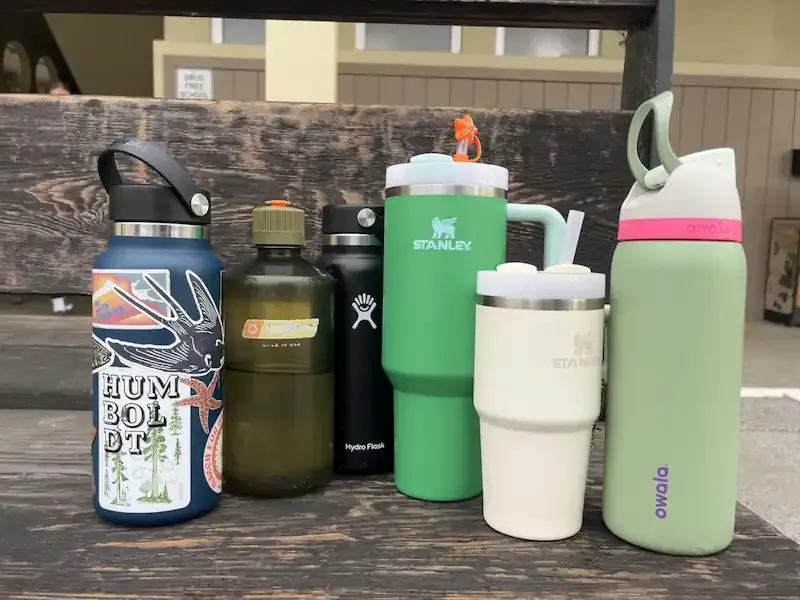

There has been an increase in the demand for reusable water bottles in the last few years. More people have become environment-friendly, and people who like working out, traveling, studying, and office-goers like the idea of having a bottle which they can reuse, instead of using plastic bottles once and throwing them away.
As a result, starting a water bottle business can be an attractive opportunity for entrepreneurs looking to enter the eCommerce or consumer products market.
1. Research the Market Before You Start
Understanding the market is essential before spending money on your products.
First, you should determine who your target customers are. Think about this: Will you be selling your products to fitness enthusiasts, adventure seekers, corporate companies, or environmentally conscious people? Each category has unique demands and buying behavior.
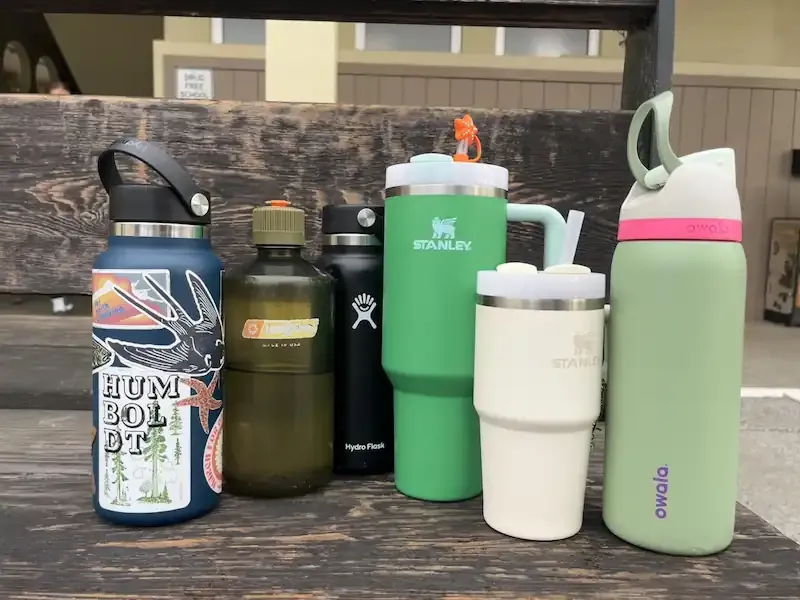
Secondly, examine your competitors. Check out popular brands on such websites as Amazon and Shopify. It will be necessary to consider:
- Products’ features
- Pricing methods
- Product reviews
- Branding and packaging
Reviews left by the customers are crucial since they indicate what they like and dislike in similar products. This information can become useful when you are developing your own product.
2. Choose the Right Business Model
Not all water bottle businesses operate the same way. The best model depends on your budget and long-term goals.
| Business Model | Startup Cost | Pros | Cons |
|---|---|---|---|
| Private Label | Medium | Faster launch, lower risk | Limited customization |
| Custom Brand | High | Unique products, stronger brand value | Higher investment |
| Dropshipping | Low | No inventory required | Lower profit margins |
Many beginners start with private-label products because they offer a balance between affordability and branding opportunities. Once the business grows, they gradually move toward custom-designed products.
3. Find a Reliable Manufacturer
Choose a professional water bottle supplier is an important stakeholder in your success as a company.
In assessing your manufacturer, keep the following in mind:
- Quality of products
- Minimum order quantity (MOQ)
- Manufacturing capability
- Delivery times
- Communication efficiency
It is important that always request samples before ordering in bulk. What appears nice in pictures can be quite different when seen in person.
Commonly used materials in making water bottles include:
- Stainless steel
- BPA-free plastic
- Glass
- Aluminum
If your bottles will hold any food or beverages, it is essential that the material(s) comply with the appropriate food contact regulations. In the United States, this is the domain of the Food & Drug Administration (FDA), and must be authorized for their intended use. Manufacturers should be able to provide documentation regarding material compliance when applicable.
4. Build a Strong Brand
Most people who start businesses think about the product only and not the brand. The truth is, people do not just purchase a bottle; they purchase the brand just as much.
Your brand will be made up of:
- Memorable company name
- Brand logo
- Color scheme
- Packaging
- Brand message
A hiking brand, for example, can revolve around the concept of adventure and strength, while an office brand may concentrate on high-quality material and elegance. Branding makes it easier to charge more for your products or services because you create more value.
5. Create an Online Store
With an online store, you have complete control over your customer experience and margin for profit.
Some of the best selling platforms are:
- Shopify
- Amazon
- Etsy
- Walmart Marketplace
Your product page needs to contain:
- Quality photos
- Comprehensive descriptions
- Specifications of your products
- Customer reviews
- FAQs
It’s also common for many well-known water bottle brands to produce blogs that educate readers on subjects like hydration, health, sustainability, and even outdoor exercises.
6. Market Your Water Bottle Business
No matter how good a product is, it will fail to sell if consumers do not know about it.
A balanced marketing mix could be made up of:
Search Engine Optimization (SEO)
Create useful content, such the following keywords:
- how to launch water bottle company
- eco-friendly water bottles
- personalized water bottles
- stainless steel water bottles
Social Media Marketing
These social media platforms are very image-focused and suit consumer products:
- TikTok
Post:
- Product demos
- User-generated content
- Behind-the-scenes footage
- Lifestyle shots
Influencer Marketing
Collaboration with fitness instructors, travelers, and outdoor influencers can bring fast results in terms of brand recognition and trust.
7. Understand Startup Costs
The exact cost of starting a water bottle business varies depending on your business model.
| Expense Category | Estimated Cost |
|---|---|
| Product Samples | $100–$500 |
| Initial Inventory | $1,000–$5,000+ |
| Website Setup | $100–$500 |
| Branding & Design | $200–$2,000 |
| Marketing | $300–$2,000+ |
Many entrepreneurs start small with a limited product range and reinvest profits as the business grows.
Final Thoughts
Starting a business of producing water bottles is something that does not require massive financial resources, but it does call for extensive planning, sourcing of supplies, and marketing. One should concentrate on addressing a particular consumer problem, developing a well-known brand, and producing an excellent product.
First of all, one needs to draw up a simple business plan before opening such a company. The Small Business Administration suggests using a business plan to map out your future company.
In light of rising demands for reusable products and a more environmentally conscious lifestyle, entrepreneurs who make their businesses stand out by offering quality water bottles may generate significant profits from their ventures.
References Reading:























Sign in to leave a comment.