

Understanding the hidden impact of stress on your brain and body.
Stress is a natural part of life. Whether it's a tight deadline, family responsibility, or an unexpected situation, everyone experiences stress at some point. But when stress becomes constant or overwhelming, it can have a lasting impact—especially on your nervous system.
What Happens in Your Body When You’re Stressed?
When you encounter a stressful situation, your brain signals the release of stress hormones—mainly adrenaline and cortisol. These hormones activate your sympathetic nervous system, also known as the “fight or flight” system.
This leads to:
- Faster heartbeat
- Increased blood pressure
- Quickened breathing
- Muscle tension
- Heightened alertness
While helpful in emergencies, prolonged activation of this system can wear the body down.
Long-Term Effects of Chronic Stress on the Nervous System
When stress continues for weeks or months, it starts to affect your nervous system in deeper ways:
1. Brain Function & Memory
High cortisol levels can shrink parts of the brain linked to memory and decision-making, especially the hippocampus and prefrontal cortex. This may lead to forgetfulness, confusion, or poor concentration.
2. Sleep Disruption
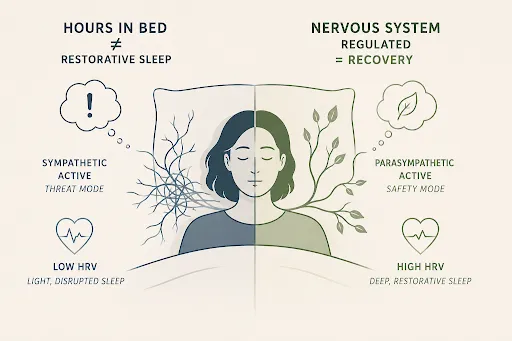
Stress activates your nervous system at night, making it difficult to fall or stay asleep. Over time, poor sleep further worsens mental clarity and emotional stability.
3. Anxiety and Depression
Constant nervous system activation can throw off the balance of brain chemicals like serotonin and dopamine, leading to mood disorders.
4. Physical Symptoms
Tingling, numbness, tension headaches, or even dizziness can occur when nerves are overly sensitized by stress. These symptoms often mimic neurological conditions.
When to See a Neurologist
If stress-related symptoms become severe—like persistent headaches, unexplained numbness, dizziness, or memory issues—it’s important to rule out any underlying neurological cause.
At our clinic, an experienced neurologist in Qatar can evaluate whether your symptoms are stress-induced or linked to a deeper condition.
Managing Stress for a Healthier Nervous System
- Practice deep breathing, meditation, or yoga
- Maintain regular sleep and exercise routines
- Limit caffeine and processed food
- Stay connected with supportive people
- Seek professional help when stress feels unmanageable
Chronic stress isn’t just emotional—it’s neurological. Taking steps to manage it can protect your brain and nervous system for the long term.
Need support? Our neurology clinic in Qatar offers expert evaluation and care for patients experiencing stress-related neurological symptoms. Book an appointment and take a step toward peace of mind.



























Sign in to leave a comment.