Education has evolved significantly over the past decade, largely due to rapid advancements in technology. Traditional classrooms are no longer the only place where students can access quality learning resources. With the rise of digital tools, internet connectivity, and smart devices, students today have the opportunity to learn from anywhere in the world. Technology has helped remove many barriers that previously limited access to education, such as location, availability of teachers, and access to learning materials.
Today, digital learning platforms, virtual classrooms, and AI-powered tools are making it easier for students to gain knowledge at their own pace. Whether a student lives in a major city or a remote area, technology has created new opportunities to access educational content that was once difficult to obtain.
Bridging the Education Gap
One of the biggest benefits of technology in education is its ability to bridge the gap between different regions and communities. In many parts of the world, especially in developing countries, access to quality teachers and modern learning resources can be limited. Technology helps address this challenge by providing online resources, recorded lessons, interactive quizzes, and personalized learning tools.
Students can now access courses, educational videos, and digital study materials from anywhere using a smartphone, tablet, or computer. This accessibility ensures that learners who previously faced educational disadvantages now have the chance to improve their knowledge and skills.
Personalized Learning Through Technology
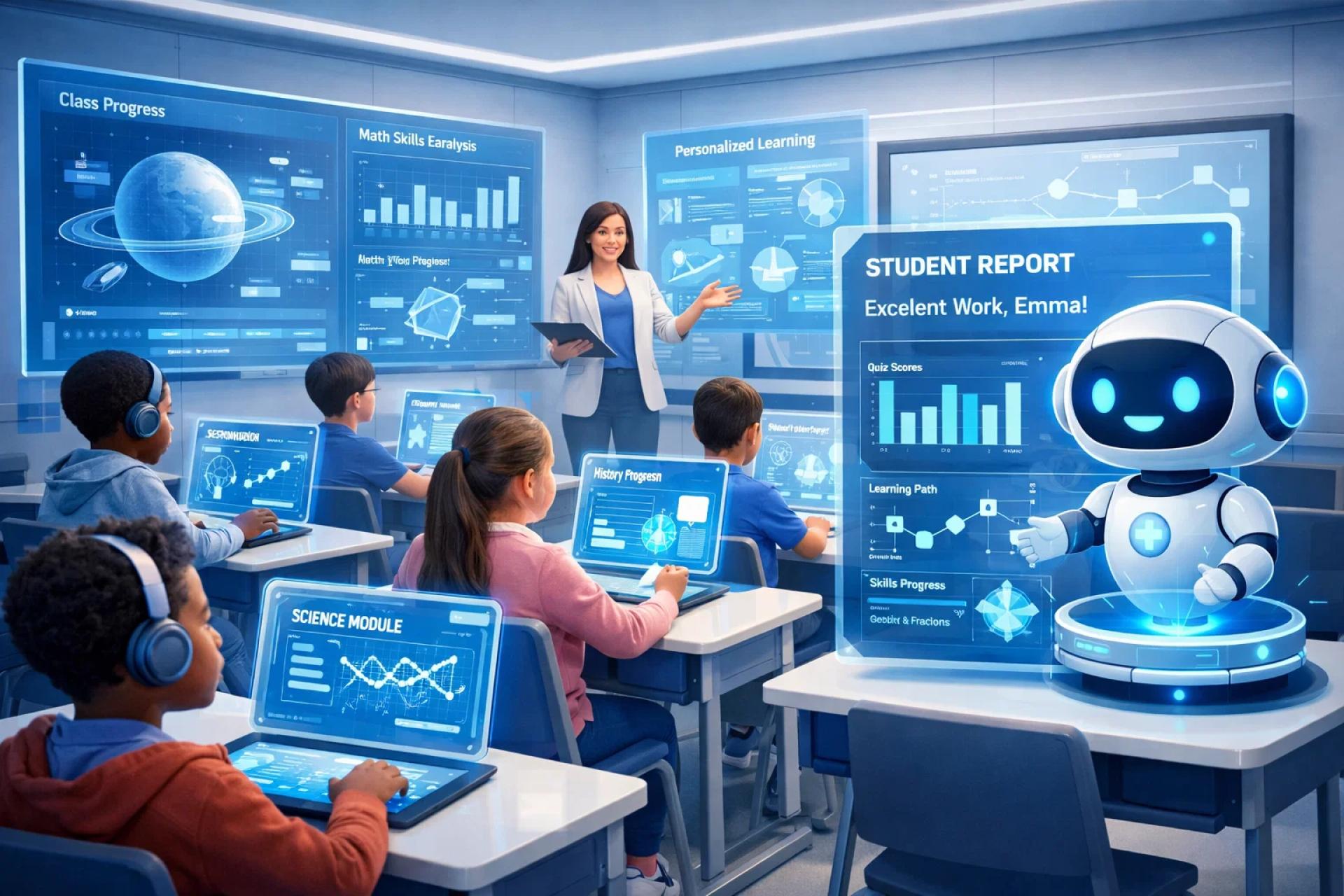
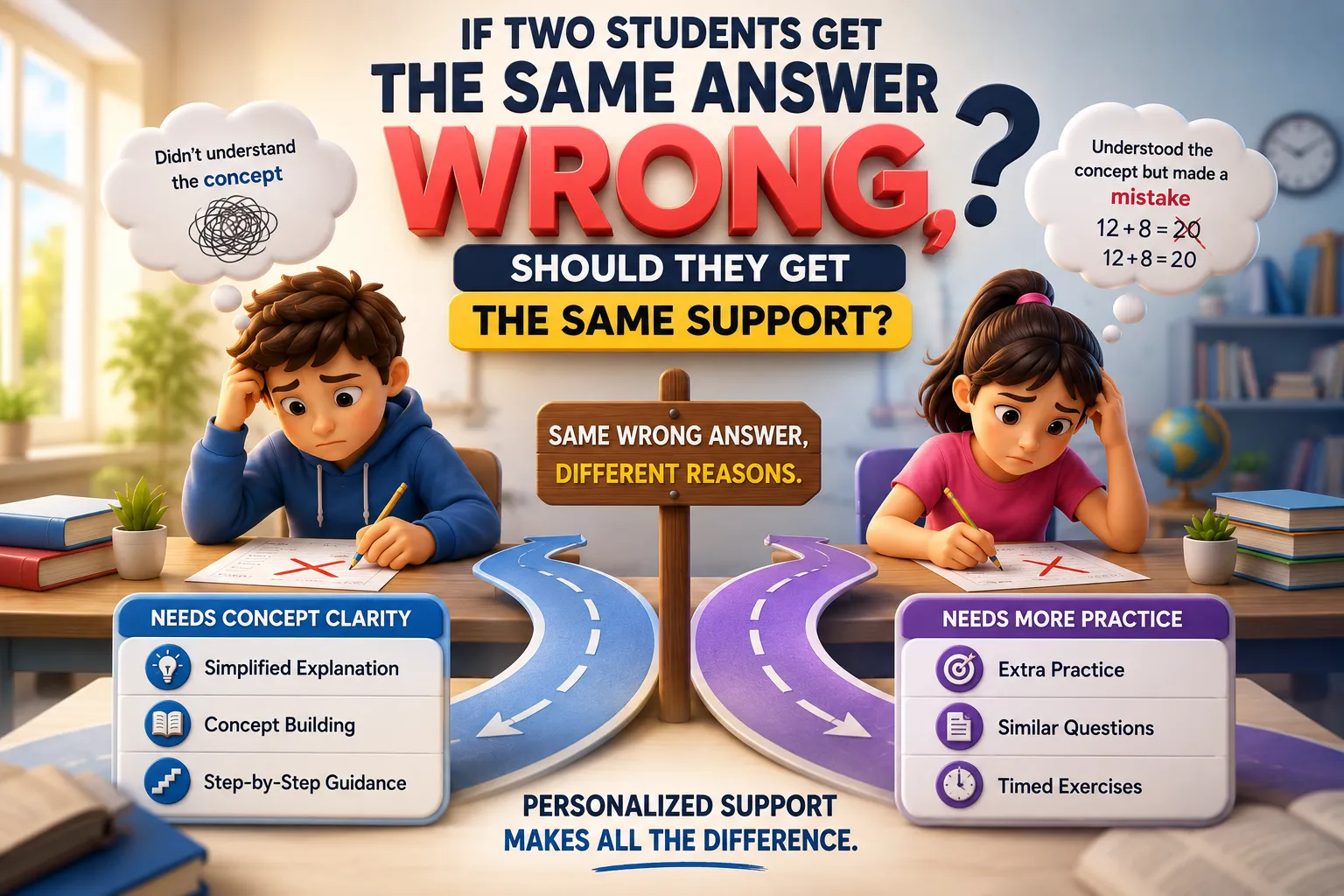
Another important advantage of technology in education is personalized learning. Traditional education often follows a one-size-fits-all approach, where every student learns at the same pace. However, modern learning platforms are using artificial intelligence and data analytics to create customized learning experiences for students.
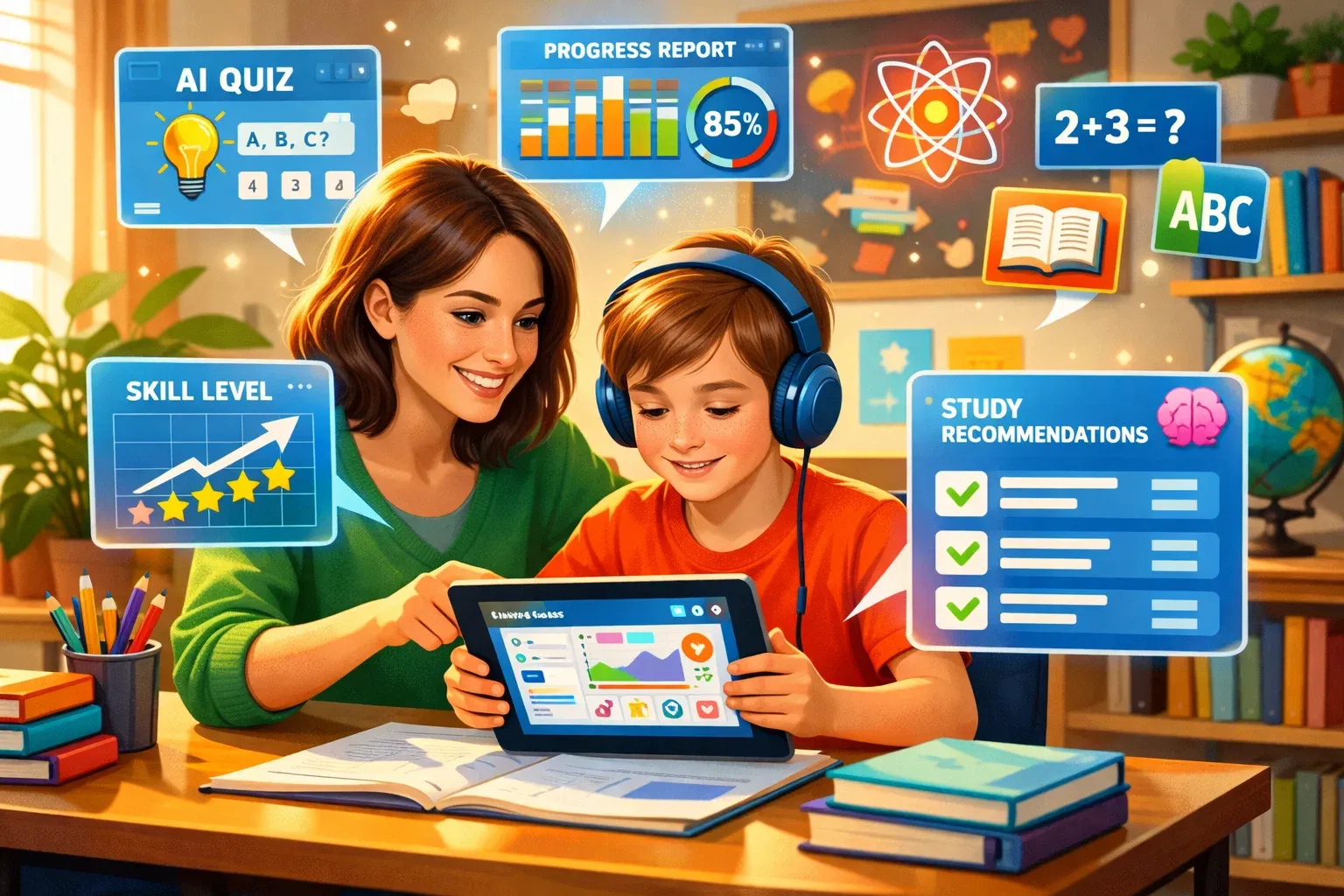
Personalized learning systems analyze a student’s performance, identify strengths and weaknesses, and provide targeted practice to improve understanding. This approach not only helps students grasp difficult concepts more effectively but also increases engagement and motivation.
The Role of Online Learning Platforms
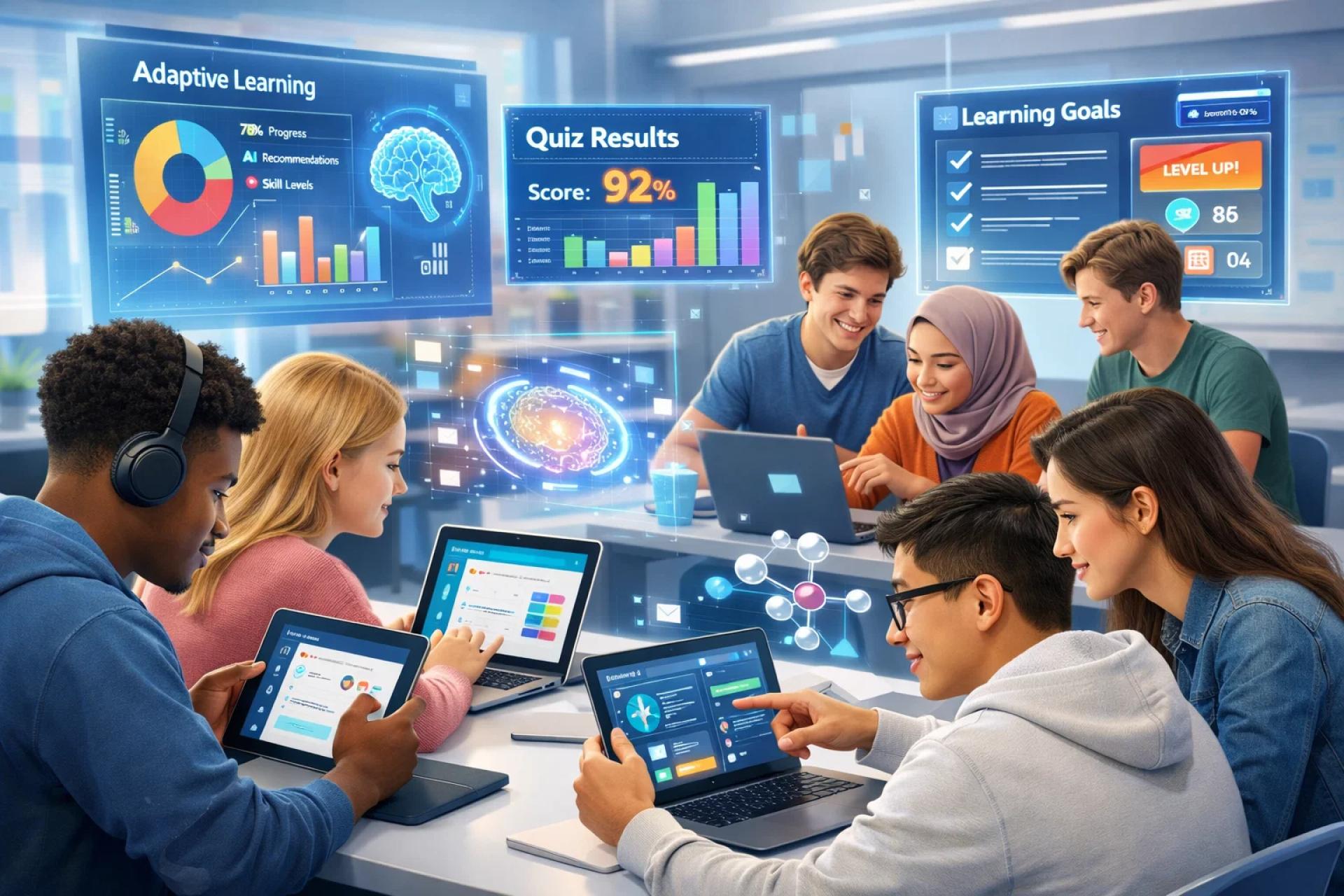
Online learning platforms play a major role in expanding educational access. These platforms combine structured courses, interactive learning tools, assessments, and analytics to provide a complete learning experience. Students can track their progress, practice regularly, and receive instant feedback on their performance.
In India, the growth of digital education has been particularly remarkable. Many students and schools are turning to an online learning platform India to support classroom learning and provide additional academic support.
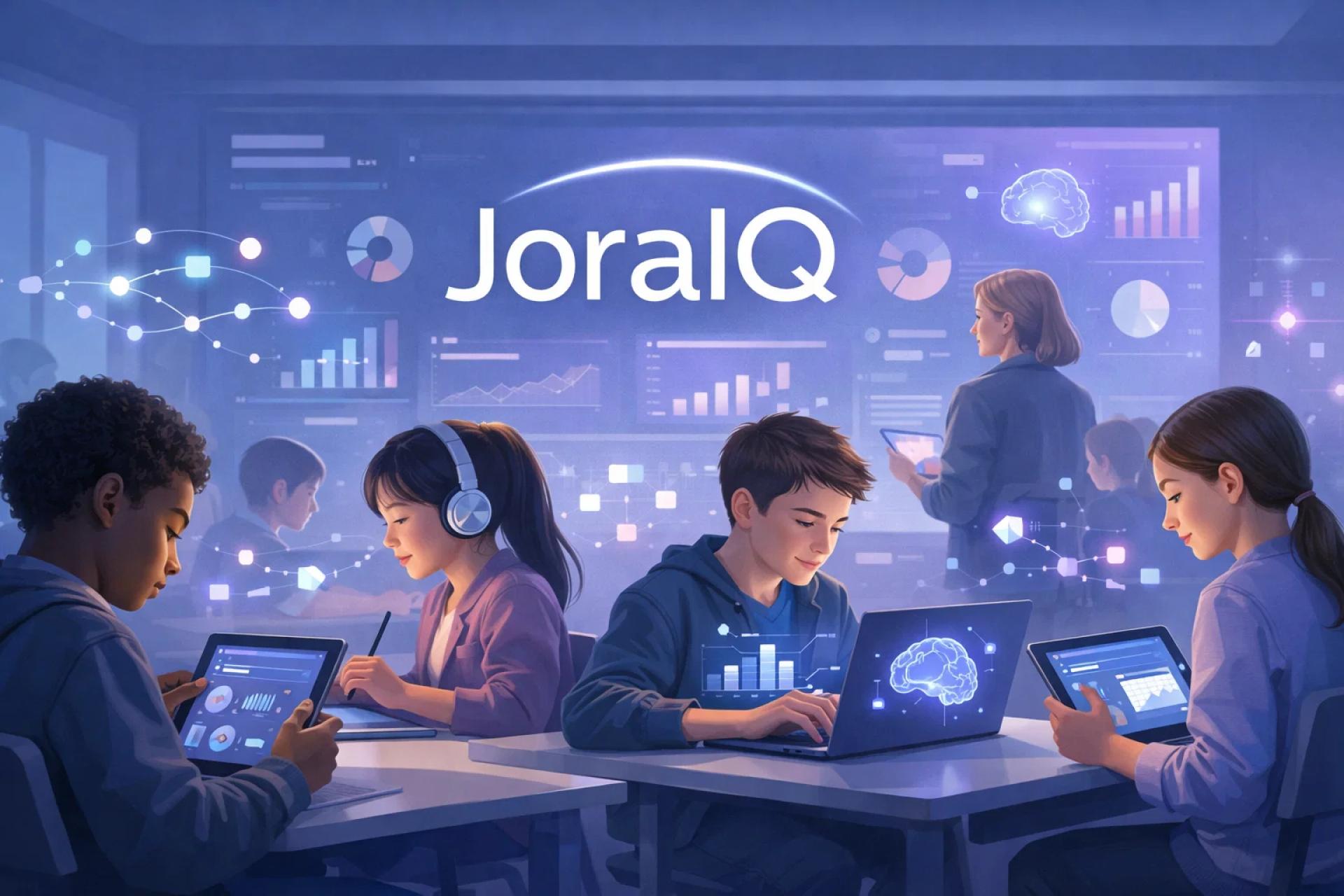
One emerging platform in this space is JoraIQ, an AI-powered learning solution designed to deliver personalized learning experiences. JoraIQ integrates with school learning systems to provide adaptive practice, real-time mastery tracking, and actionable insights for teachers. By using advanced analytics and intelligent learning technology, JoraIQ helps schools improve learning outcomes while giving students the support they need to master concepts effectively.
The Future of Accessible Education
As technology continues to evolve, the future of education looks increasingly accessible and inclusive. Innovations such as artificial intelligence, adaptive assessments, and data-driven learning insights will continue to transform how students learn and how teachers support them.
The goal of modern education technology is not to replace teachers but to empower them with better tools and insights. With the help of digital platforms and intelligent learning systems, students around the world can gain access to high-quality education regardless of their location.
Technology is ultimately helping create a more connected and equitable learning environment where every student has the opportunity to succeed.




















Sign in to leave a comment.