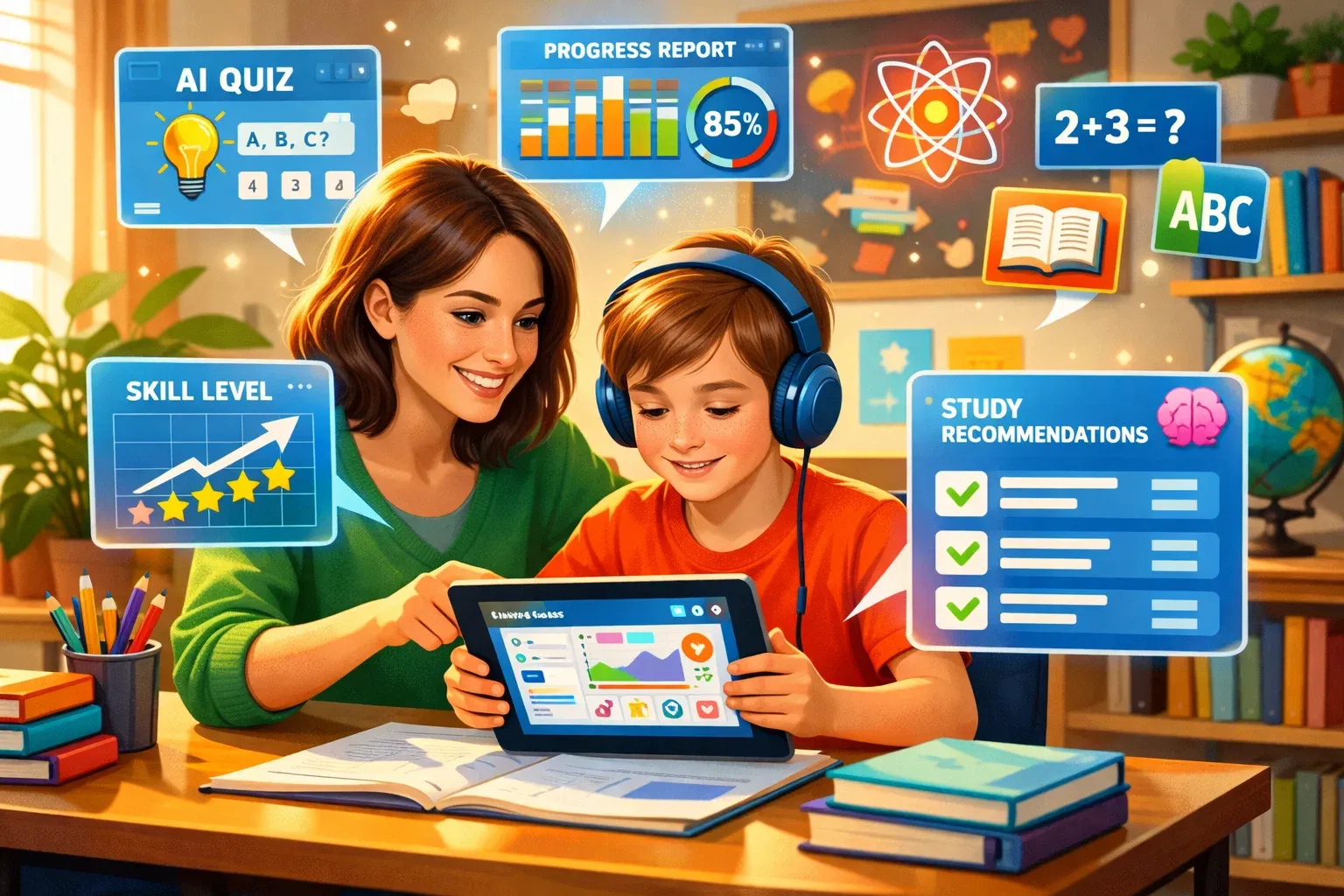

In today’s education landscape, classrooms are no longer limited to chalkboards and textbooks. Digital screens, interactive platforms, and smart devices have transformed how students learn and how teachers teach. While technology has made education more accessible and engaging, it has also introduced a major challenge: managing student attention. In a technology-driven classroom, distractions are only a click away, making it essential for educators to adopt effective attention management strategies.
Understanding the Attention Challenge in Digital Classrooms
Students today are constantly exposed to multiple digital stimuli—social media notifications, apps, games, and videos. Even during lessons, the same devices used for learning can become sources of distraction. Unlike traditional classrooms, where physical presence helped maintain focus, digital environments require teachers to compete for attention in a highly fragmented attention economy.
Moreover, long screen exposure can reduce concentration levels, especially when lessons are passive. This makes it important for educators to design interactive and engaging learning experiences that actively involve students rather than just delivering content.
Creating Structured and Interactive Lessons
One of the most effective ways to maintain attention is through structured lesson planning. Breaking content into smaller, digestible segments helps students stay focused and reduces cognitive overload. Teachers can also integrate quizzes, polls, and short discussions at regular intervals to re-engage learners.
Interactive teaching methods such as group collaboration, problem-solving tasks, and live demonstrations help students stay mentally involved. When learners actively participate, they are less likely to drift into distractions.
Managing Digital Distractions Effectively
Clear classroom rules around device usage are essential. Teachers should define when devices are to be used for learning and when they should be put aside. Using focus modes, disabling notifications during sessions, and setting specific “tech-free” intervals can significantly improve attention spans.
Additionally, teachers should model good digital behavior by staying focused and minimizing unnecessary screen switching during lessons.
Using Technology to Improve Focus
Interestingly, technology itself can also help solve the attention problem when used correctly. Features like breakout rooms, interactive whiteboards, and real-time feedback tools encourage participation and keep students engaged throughout the lesson. Gamified learning elements such as points, badges, and leaderboards also motivate students to stay attentive.
Role of Online Education Tools for Teachers
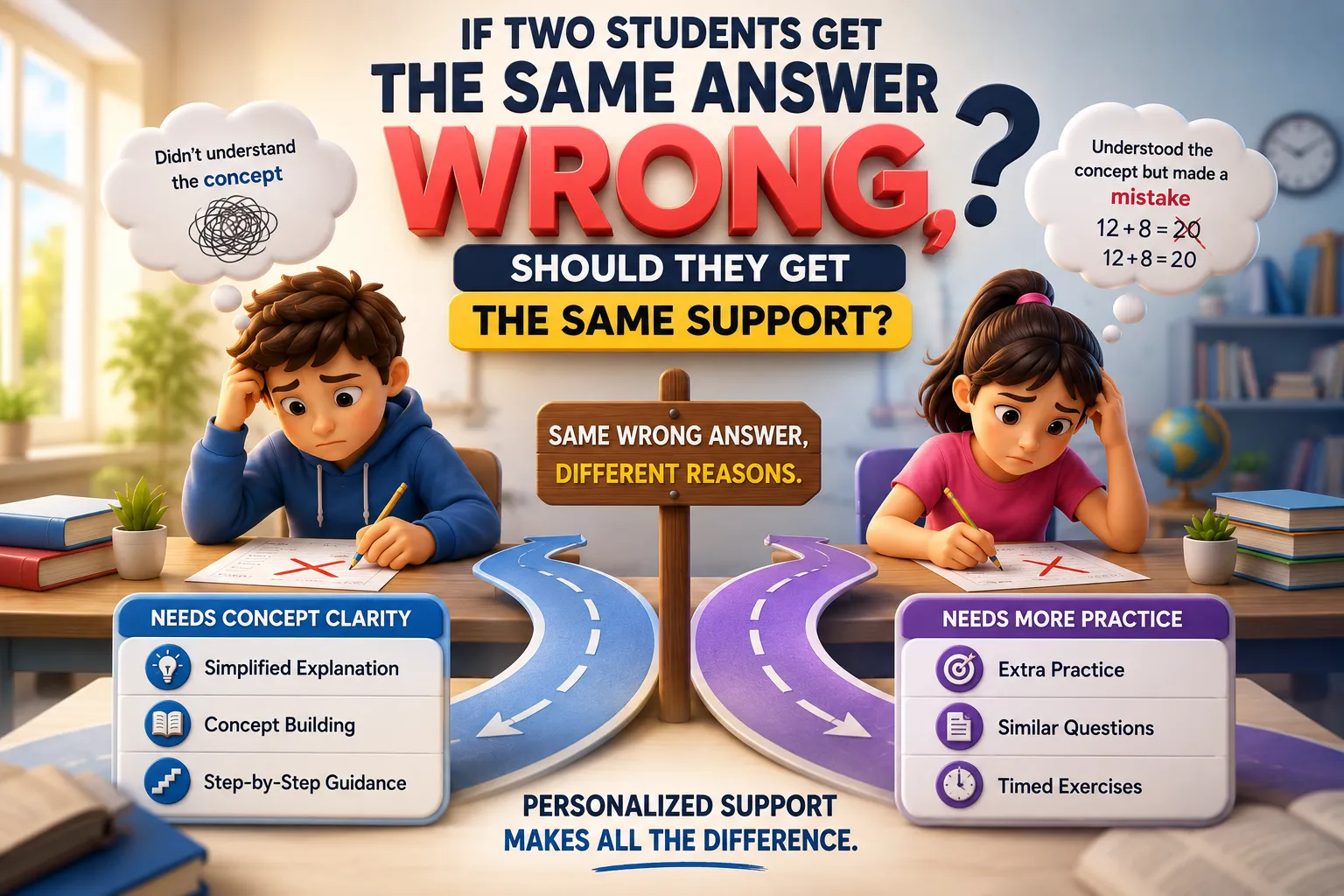
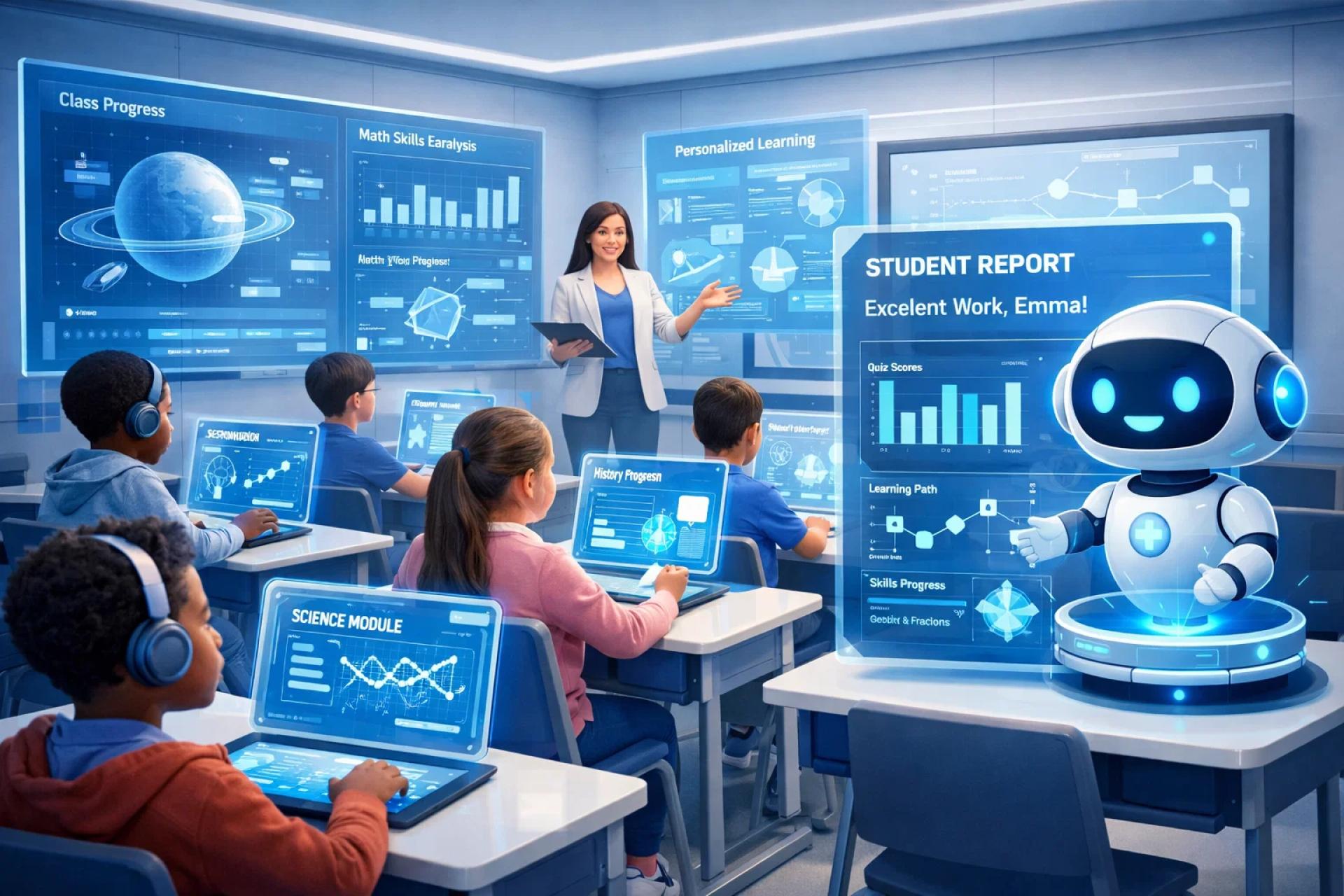
Modern educators increasingly rely on online education tools for teachers to manage classroom engagement and improve learning outcomes. These tools help streamline lesson delivery, track student participation, and create interactive learning experiences. For example, teachers can use digital platforms to assign quizzes, monitor progress in real time, and personalize learning based on student performance.
Such tools also help reduce manual workload, allowing teachers to focus more on teaching strategies rather than administrative tasks. By integrating the right digital resources, educators can create a balanced learning environment where technology supports attention rather than disrupts it.
Building a Balanced Digital Learning Environment
Ultimately, managing student attention in a technology-driven classroom requires balance. Technology should enhance learning, not overwhelm it. Teachers must combine traditional engagement techniques with modern digital tools to create an environment where students remain focused, motivated, and actively involved.
























Sign in to leave a comment.