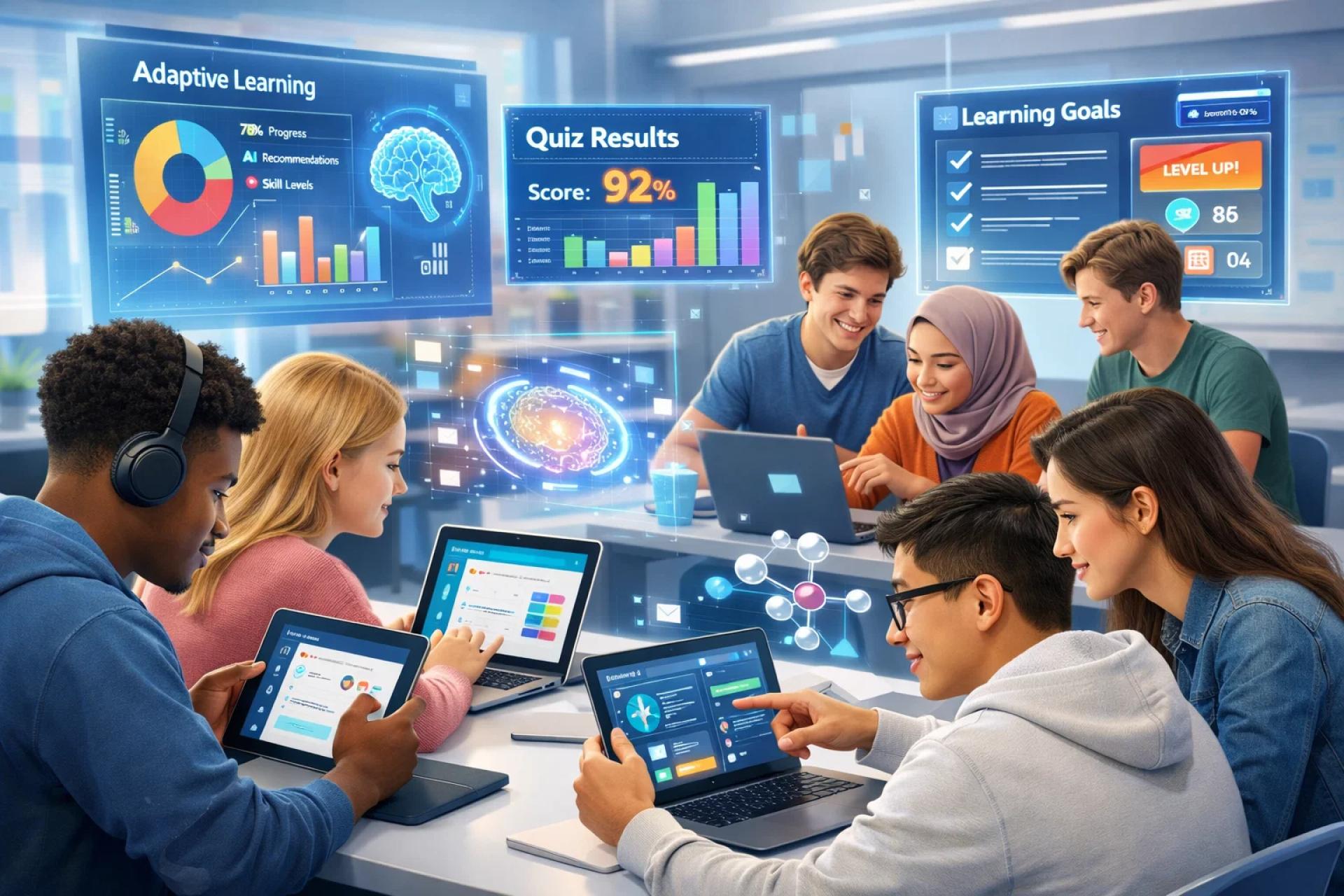
Education is evolving rapidly, and traditional one-size-fits-all teaching methods are no longer sufficient to meet the diverse needs of students. Today’s classrooms require a more flexible and student-focused approach that adapts to individual learning styles, strengths, and challenges. This is where personalized learning is making a powerful impact, transforming how students engage with content and achieve academic success.
What is Personalized Learning?
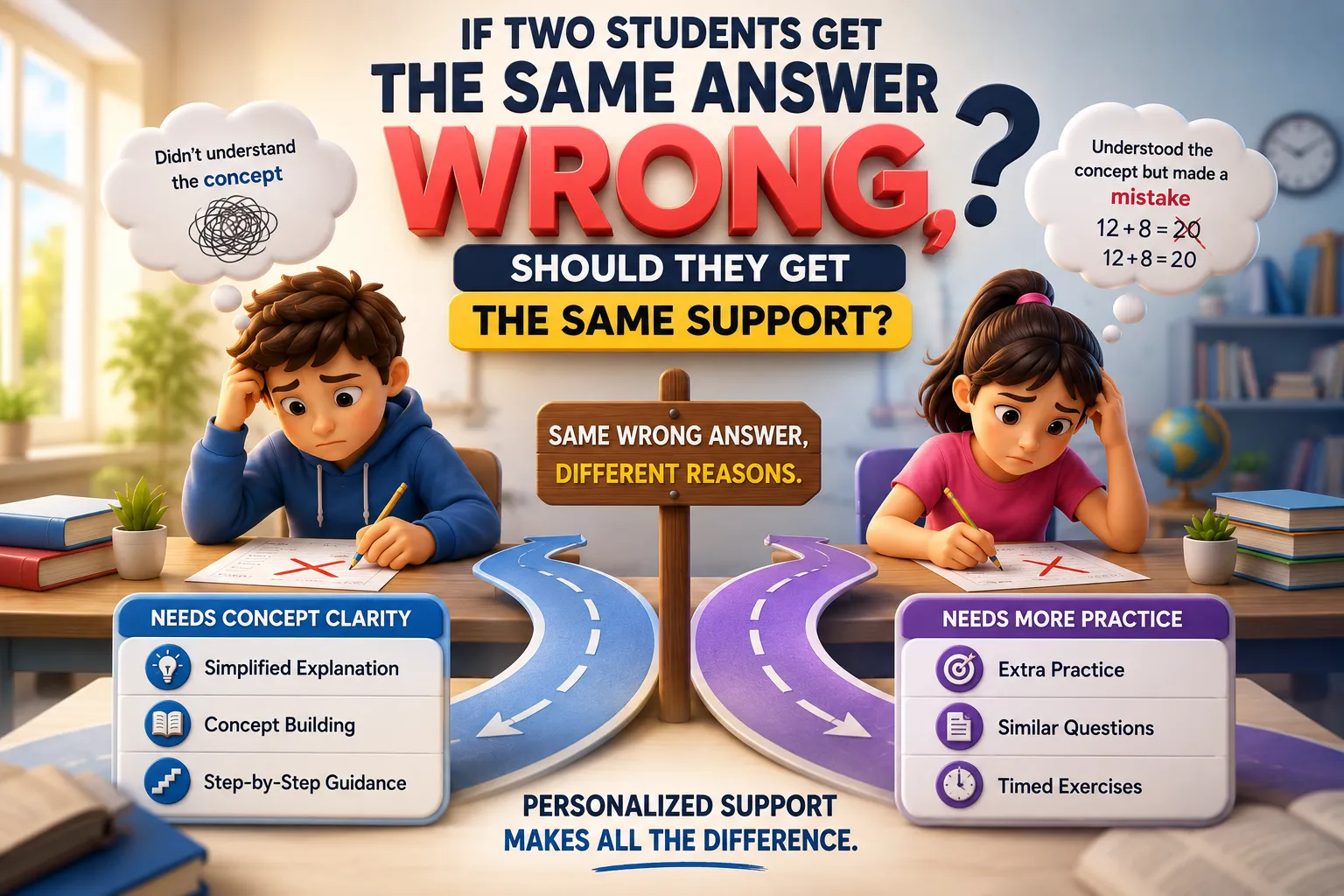
Personalized learning is an approach that tailors instruction, pace, and content to each student’s unique needs. Instead of delivering the same lesson to an entire class, educators use data, technology, and continuous assessments to create customized learning pathways. This ensures that students can learn at their own speed, revisit difficult concepts, and move ahead when they are ready.
Enhancing Student Engagement and Motivation
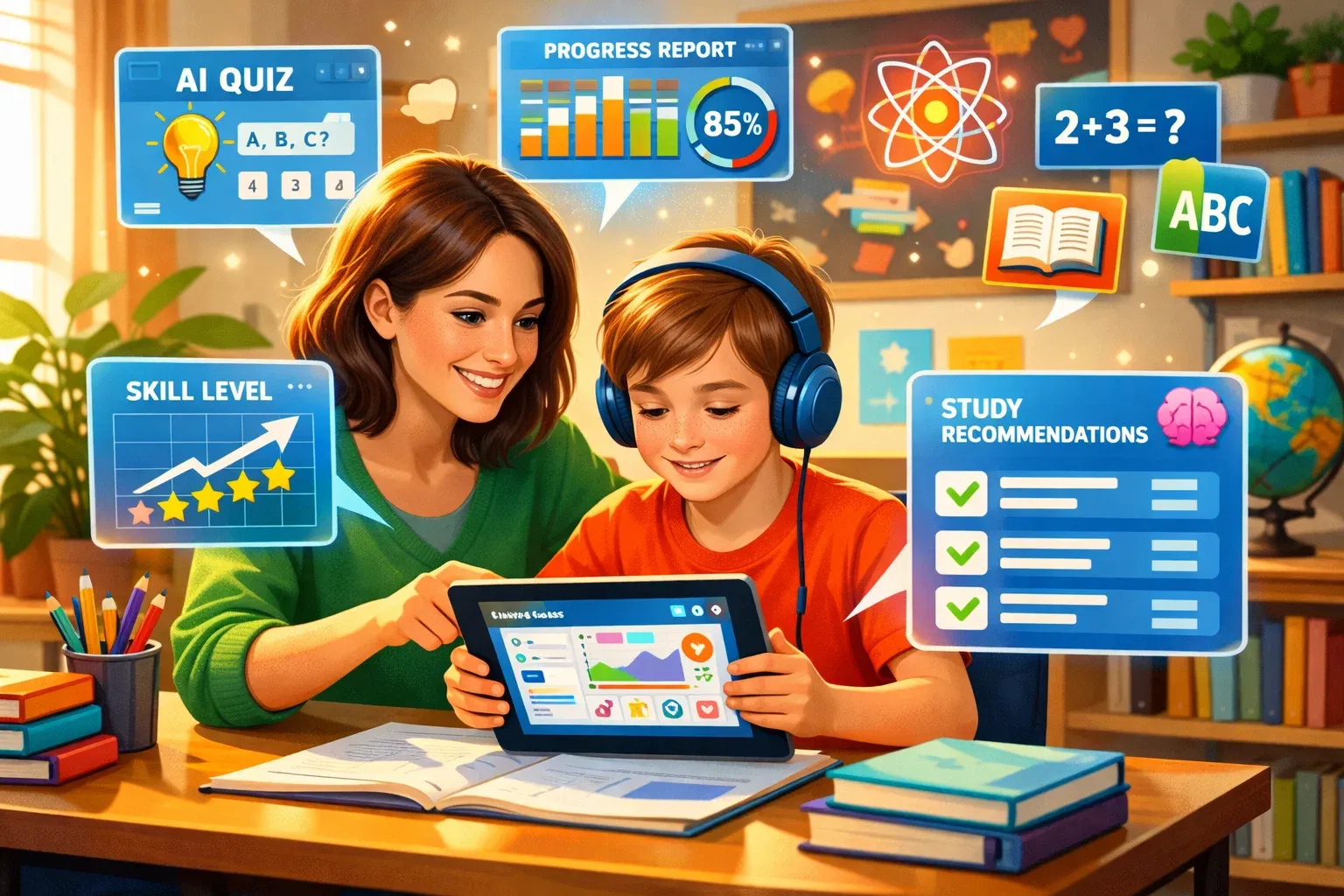
One of the biggest advantages of personalized learning is improved student engagement. When students receive content that matches their ability level and interests, they are more likely to stay motivated. Interactive tools, adaptive quizzes, and instant feedback make the learning process more engaging and less intimidating. As a result, students develop confidence and a deeper understanding of the subject matter.
Closing Learning Gaps Effectively
In traditional classrooms, it is often difficult for teachers to identify and address individual learning gaps. Personalized learning systems solve this problem by continuously tracking student performance and highlighting weak areas. With targeted practice and tailored feedback, students can focus on improving specific skills, ensuring no one falls behind.
Empowering Teachers with Data-Driven Insights
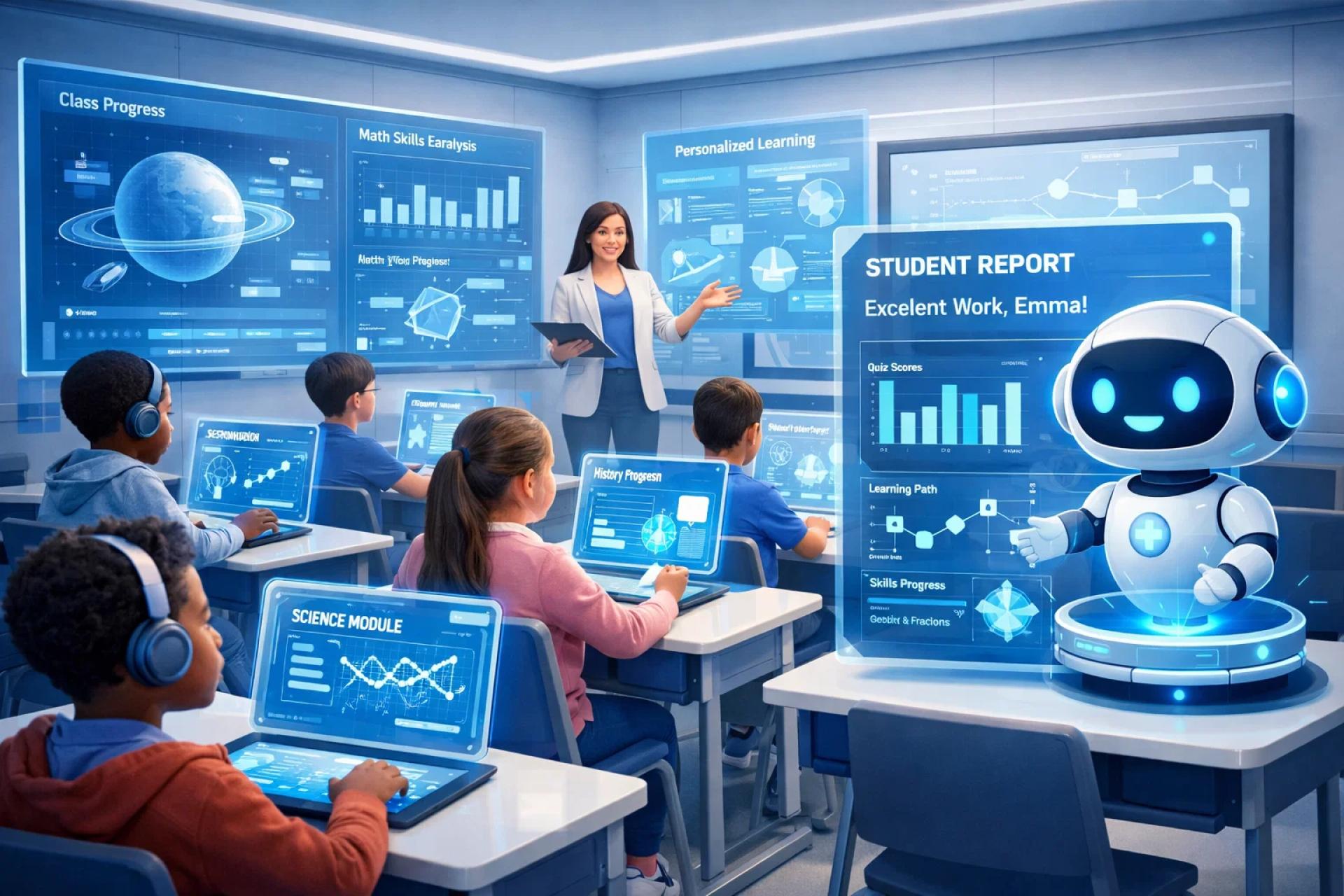
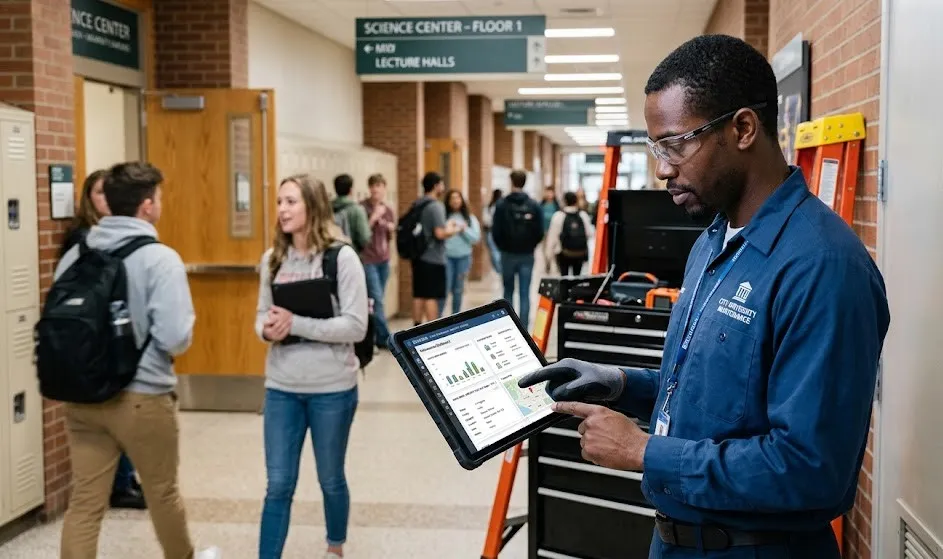
Personalized learning doesn’t replace teachers—it empowers them. With access to real-time data and analytics, educators can better understand student progress and adjust their teaching strategies accordingly. This allows teachers to provide timely support, design effective lesson plans, and ensure that every student receives the attention they need.
The Role of Technology in Modern Classrooms
Technology plays a crucial role in enabling personalized learning at scale. Advanced platforms use artificial intelligence and data analytics to create customized learning experiences for students. These tools not only automate assessments but also provide actionable insights that help both students and teachers improve performance.
How JoraIQ Supports Personalized Learning
Platforms like JoraIQ are leading the way in transforming school education through intelligent learning solutions. Designed specifically for schools, JoraIQ focuses on adaptive learning for K-12 students by offering personalized practice, AI-driven feedback, and real-time performance tracking. It helps identify student weaknesses, provides targeted recommendations, and enables continuous improvement. By integrating seamlessly with school systems, JoraIQ empowers educators to deliver personalized instruction at scale while ensuring measurable learning outcomes for every student.
Preparing Students for the Future
Personalized learning goes beyond improving grades—it prepares students for lifelong success. By encouraging independent learning, critical thinking, and problem-solving skills, it equips students to adapt in a rapidly changing world. Students become more responsible for their own learning journey, which is essential for future academic and career success.
Conclusion
Personalized learning is revolutionizing education by making it more inclusive, effective, and student-centric. As schools continue to embrace this approach, they can unlock the full potential of every learner. With the support of innovative platforms like JoraIQ, the future of education is not just smarter—it is truly personalized.
























Sign in to leave a comment.