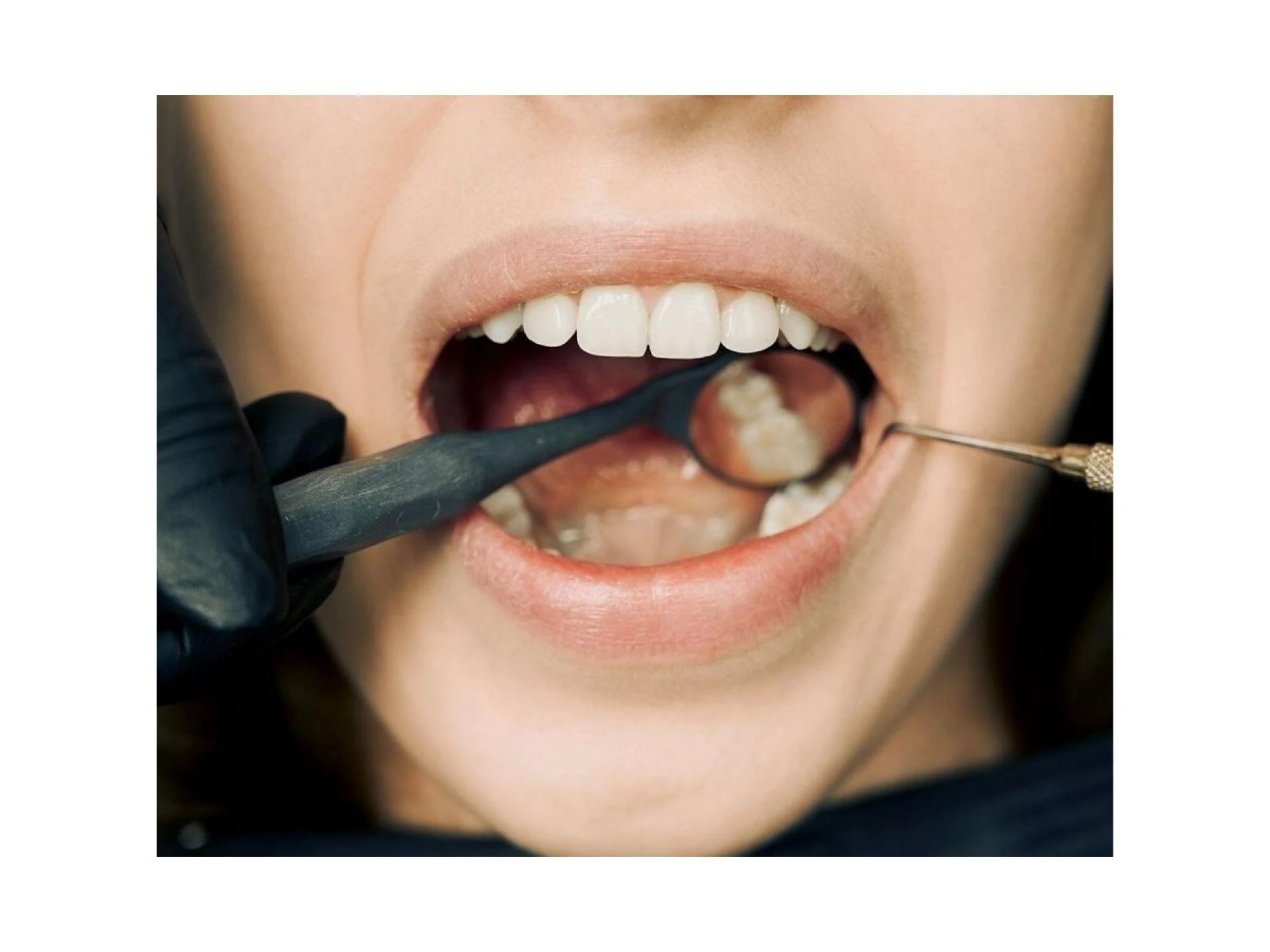

Do you feel nervous about getting your wisdom teeth removed? You're not alone. Many people worry about pain, long recovery times, or scary tools.
In this guide, we’ll explain how new tools and techniques help patients feel more comfortable and heal quickly, too. Let’s break it down.

What Are Wisdom Teeth?
Wisdom teeth are the last set of molars. They usually come in when you're between 17 and 25 years old. For some people, these teeth grow in just fine.
But for many, they can cause crowding, pain, or infection because there's not enough room in the mouth.
Old Myths About Wisdom Tooth Removal
Let’s bust some common myths:
- It’s always painful: Not anymore! Today’s tools and sedation methods make the process nearly pain-free.
- You always have to remove wisdom teeth: Nope. If they grow in straight and healthy, you may not need surgery at all.
- Recovery takes weeks: Most people feel better within just a few days, thanks to modern healing techniques.
Want more accurate local info from trusted professionals? Check this local dental clinic near you.
How Technology Is Making a Big Difference
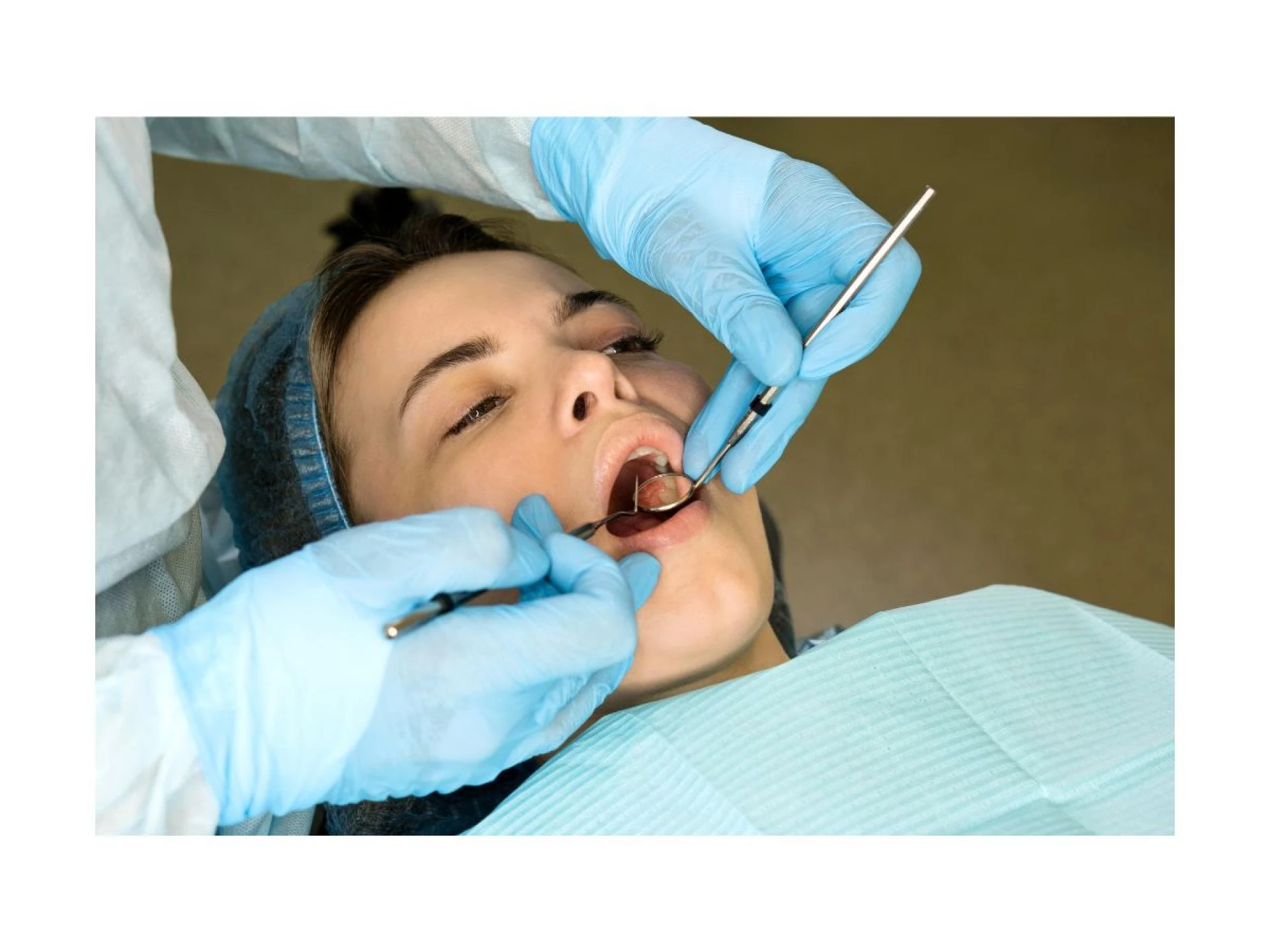
Let’s look at the main ways technology is changing wisdom teeth removal for the better.
Digital X-Rays and 3D Scans
Before: Dentists used 2D X-rays that didn’t show everything clearly.
Now: With digital X-rays and 3D imaging (called CBCT scans), dentists can:
- See exactly how your teeth are positioned
- Avoid hitting nerves or sinuses
- Plan the safest way to remove the teeth
This means less risk and more comfort for you.
Better Sedation Options
Are you scared of the dentist? No problem.
Today, you can choose from:
- Local anesthesia (numbs your mouth)
- Nitrous oxide (also called laughing gas)
- Oral sedatives (a relaxing pill)
- IV sedation (you’ll sleep lightly through it)
Sedation helps you stay calm and pain-free. Your dentist will help you pick the right option for your needs.

Minimally Invasive Tools
Modern dentists use smaller tools that:
- Cause less damage to gums and bone
- Make cleaner cuts
- Help you heal faster
Many dentists now use high-speed drills, laser tools, and ultrasonic devices that reduce swelling and discomfort.
Faster Healing with Better Aftercare
After surgery, technology helps you heal quicker:
- Low-level laser therapy (LLLT) can reduce pain and swelling.
- Platelet-rich plasma (PRP) speeds up tissue healing.
- Digital follow-ups let you check in from home instead of visiting the clinic.
And with the right care, many patients are back to normal within 2–4 days.

Do You Need Your Wisdom Teeth Removed?
Not everyone does. You might need them removed if:
- Your mouth feels crowded
- You have pain at the back of your mouth
- Your gums are swollen or infected
- You’re getting cavities near the wisdom teeth
Your dentist will take an X-ray and tell you what’s best.
Book a checkup today with this trusted dental team to see if removal is right for you.
Is It Expensive?
Costs can vary. But many dental clinics:
- Offer payment plans
- Work with your insurance
- Give free estimates before treatment
Some clinics even offer in-house financing to make care more affordable.
FAQs
Q: Is the surgery painful?
A: Not at all. You’ll be numb or asleep during the procedure. Most patients say they don’t feel anything.
Q: How long does it take to heal?
A: Most people feel better in 2 to 4 days. Full healing may take 1–2 weeks, depending on your case.
Q: What can I eat after surgery?
A: Soft foods like soup, mashed potatoes, yogurt, or smoothies for the first few days.
Q: Can I go back to school or work right away?
A: Most people take 1–3 days off. Your dentist will give you a note if needed.
Final Thought
You don’t have to fear wisdom teeth removal anymore. Thanks to digital tools, gentle sedation, and expert care, the whole process is easier and safer than ever before.


























Sign in to leave a comment.