

The modern supply chain is undergoing a profound transformation as digital tools reshape how workforces are planned, deployed, and supported. At the center of this shift is supply chain labor management, a discipline that once relied heavily on manual processes and historical averages but now benefits from advanced analytics, automation, and real time visibility. As global networks grow more complex and customer expectations rise, technology is becoming essential for aligning labor capacity with operational demand while improving efficiency and worker satisfaction.
The Evolving Role of Labor in the Supply Chain
Labor has always been one of the most critical and challenging elements of supply chain operations. Warehouses, distribution centers, and transportation hubs depend on people to move goods, manage inventory, and ensure timely delivery. However, traditional approaches often struggled with fluctuating demand, limited visibility, and inconsistent productivity measurement.
Technology is changing this dynamic by enabling organizations to view labor as a strategic asset rather than a fixed cost. With better data and smarter systems, leaders can make informed decisions that balance cost control with service quality and workforce wellbeing.
The Limitations of Traditional Labor Management Approaches
Manual Planning and Limited Visibility
Historically, labor planning relied on spreadsheets, static schedules, and supervisor experience. While these methods worked in stable environments, they often failed when demand shifted unexpectedly. Managers had limited insight into real time conditions, making it difficult to adjust staffing levels quickly.
This lack of visibility frequently led to overstaffing during slow periods and understaffing during peaks. Both scenarios increased costs and reduced employee morale, creating a cycle of inefficiency that was hard to break.
Inconsistent Performance Measurement
Without standardized metrics and automated tracking, measuring individual and team performance was often subjective. Productivity assessments varied by location or supervisor, leading to perceptions of unfairness and missed opportunities for improvement.
Technology now provides the foundation for consistent and transparent performance measurement across the supply chain.
How Digital Transformation Is Reshaping Labor Management
Advanced Workforce Planning Systems
Modern labor management systems use historical data, predictive analytics, and demand forecasts to create more accurate staffing plans. These tools can anticipate order volumes, seasonal trends, and even the impact of promotions or market shifts.
By aligning labor availability with expected workload, organizations reduce waste and ensure that the right skills are available at the right time. This proactive approach also minimizes last minute schedule changes that disrupt employees.
Real Time Data and Visibility
One of the most significant advances in labor management is real time visibility into operations. Sensors, scanners, and integrated platforms provide instant feedback on throughput, task completion, and bottlenecks.
Managers no longer need to wait for end of day reports to identify issues. They can intervene immediately, reallocating labor or adjusting priorities to keep operations running smoothly.
Automation and Its Impact on the Workforce
Collaborative Automation
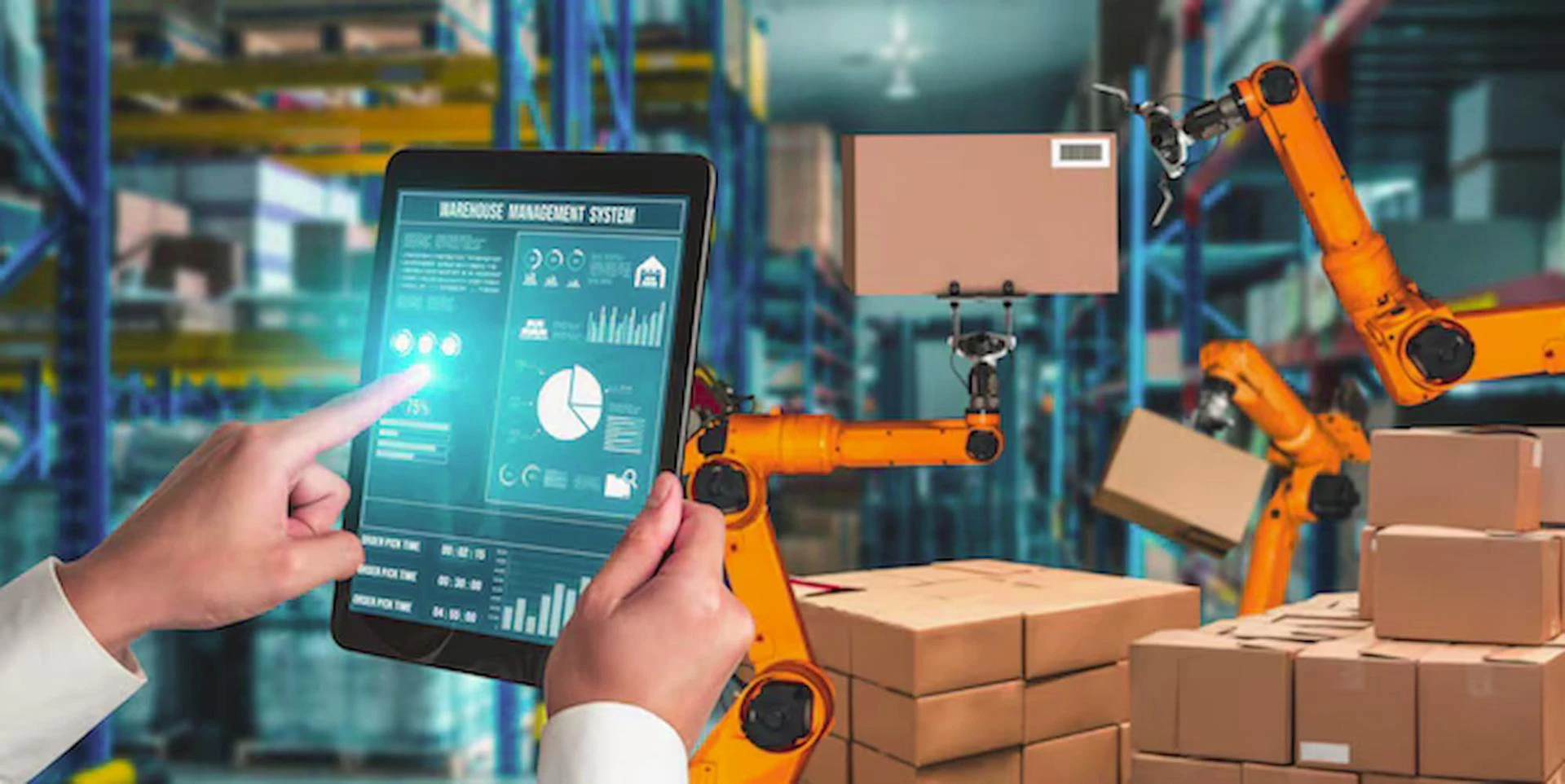
Automation is often associated with job displacement, but in supply chain environments it increasingly serves as a collaborative tool. Automated systems handle repetitive and physically demanding tasks, allowing workers to focus on activities that require judgment and problem solving.
This collaboration improves productivity while reducing fatigue and injury risk. It also changes the nature of work, requiring new skills and opening opportunities for upskilling.
Smarter Task Allocation
Technology enables dynamic task assignment based on real time conditions and individual capabilities. Systems can consider factors such as experience, certification, and current workload to assign tasks more effectively.
This intelligent allocation improves efficiency and helps employees feel that their skills are being used appropriately.
Data Driven Performance Management
Standardized Metrics and Fair Evaluation
Digital labor management platforms establish clear performance standards and track results consistently. Employees understand expectations, and managers gain objective data to support coaching and development.
This transparency builds trust and encourages continuous improvement. Workers can see how their efforts contribute to overall performance, fostering a stronger sense of ownership.
Continuous Improvement Through Analytics
Analytics tools identify patterns and trends that would be invisible in manual systems. For example, they can highlight process inefficiencies, training gaps, or the impact of schedule changes on productivity.
Armed with these insights, organizations can refine processes, invest in targeted training, and improve long term performance.
Enhancing Employee Engagement and Retention
Empowering the Workforce With Technology
Modern labor management tools often include self service features that give employees greater control over their schedules, preferences, and performance data. Access to this information empowers workers and reduces administrative burden.
When employees feel informed and involved, engagement levels rise. Technology becomes a bridge between operational goals and individual needs.
Improving Work Life Balance
Predictive scheduling and demand forecasting reduce the need for excessive overtime or last minute changes. Employees can plan their personal lives with greater confidence, leading to higher satisfaction and lower turnover.
A stable and engaged workforce is a competitive advantage in an industry where labor shortages are increasingly common.
The Role of Artificial Intelligence and Machine Learning
Predictive Insights and Scenario Planning
Artificial intelligence enhances labor management by analyzing vast amounts of data to generate predictive insights. These systems can model different scenarios, such as demand spikes or disruptions, and recommend optimal staffing responses.
This capability allows organizations to prepare for uncertainty rather than react to it, strengthening resilience across the supply chain.
Personalized Training and Development
Machine learning can also support workforce development by identifying individual learning needs. By analyzing performance data, systems can recommend targeted training that helps employees improve specific skills.
This personalized approach accelerates development and supports career growth, benefiting both workers and employers.
Integration Across the Supply Chain
Connecting Labor Management With Other Systems
The true power of technology emerges when labor management systems integrate with inventory, transportation, and order management platforms. This integration ensures that labor decisions align with broader operational goals.
For example, changes in inventory levels or delivery schedules can automatically trigger staffing adjustments, creating a synchronized and responsive supply chain.
Breaking Down Organizational Silos
Integrated systems promote collaboration across departments by providing a shared view of performance and priorities. This alignment reduces friction and enables faster decision making, especially during periods of disruption.
Addressing Challenges and Ethical Considerations
Data Privacy and Trust
As labor management becomes more data driven, organizations must address concerns around privacy and surveillance. Clear policies, transparent communication, and ethical use of data are essential for maintaining trust.
Technology should support employees, not monitor them excessively. Striking this balance is critical for long term success.
Change Management and Adoption
Implementing new technology requires careful change management. Employees and managers need training and support to adapt to new tools and processes.
Successful adoption depends on involving the workforce early, communicating benefits clearly, and providing ongoing support.
The Future of Supply Chain Labor Management
Greater Agility and Resilience
As technology continues to evolve, labor management will become even more agile. Real time insights, predictive analytics, and automation will enable organizations to respond quickly to market changes and disruptions.
This agility will be a defining characteristic of successful supply chains in the years ahead.
A More Human Centered Approach
Paradoxically, increased use of technology can lead to a more human centered approach to labor management. By reducing administrative tasks and providing better insights, technology frees leaders to focus on coaching, engagement, and strategic planning.
The future lies in combining digital intelligence with human judgment to create workplaces that are both efficient and supportive.
Conclusion
Technology is fundamentally reshaping how labor is planned, managed, and supported across the supply chain. From predictive planning and real time visibility to automation and data driven performance management, digital tools are transforming labor from a constraint into a strategic advantage. Organizations that embrace these innovations are better positioned to meet customer expectations, control costs, and build resilient workforces. As the industry continues to evolve, thoughtful application of technology will remain central to effective labor management, and forward looking solutions from Avectous will play a role in guiding this transformation.


























Sign in to leave a comment.