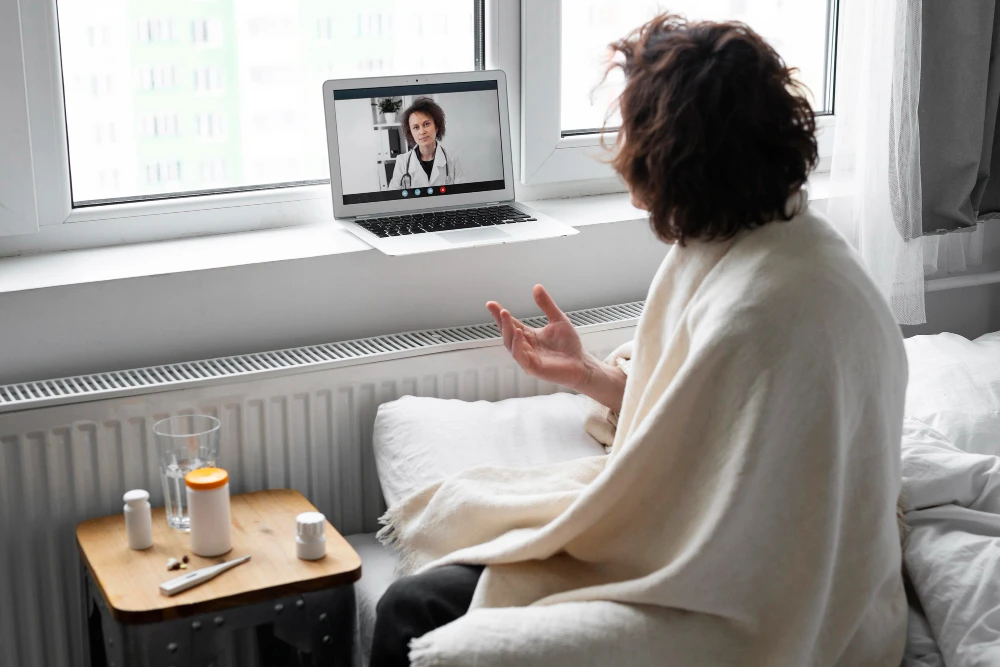

Telehealth has rapidly evolved from a convenience to a necessity in modern healthcare delivery. Hospitals are now leveraging digital solutions to improve efficiency, patient outcomes, and care accessibility. One of the most impactful advancements is inpatient virtual rounding, which is transforming how clinicians interact with hospitalized patients. As telehealth expands, this model is gaining momentum across healthcare systems worldwide.
The Rise of Telehealth in Modern Healthcare
The global shift toward telehealth has been fueled by increasing patient demand, physician shortages, and the need for cost-effective care delivery. Hospitals, especially in rural and underserved areas, are adopting virtual care models to bridge gaps in access.
Key drivers of telehealth expansion include:
- Improved internet and digital infrastructure
- Growing acceptance among patients and providers
- Policy support and reimbursement improvements
- Demand for 24/7 specialist availability
This evolution has laid the foundation for integrating virtual solutions into inpatient care settings.
What Is Inpatient Virtual Rounding?
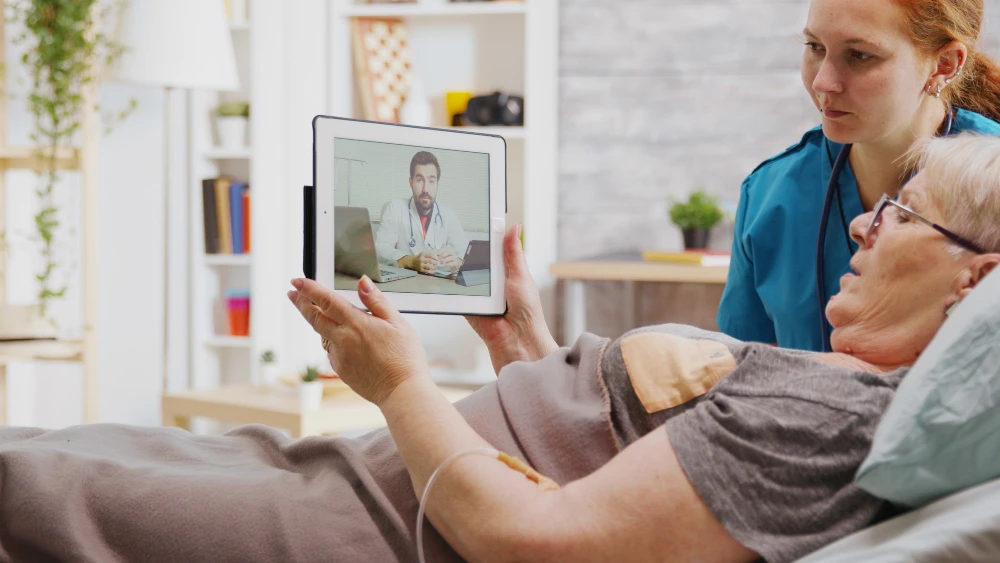
Inpatient virtual rounding refers to the use of telecommunication technologies to conduct hospital rounds remotely. Physicians or specialists connect with patients, nurses, and care teams through secure video platforms.
Unlike traditional bedside rounds, this approach enables:
- Real-time consultations without physical presence
- Faster decision-making and care coordination
- Access to specialists regardless of location
This model is particularly valuable for hospitals facing staffing shortages or limited specialist coverage.
How Telehealth Expansion Is Accelerating Adoption
Telehealth expansion has directly influenced the growth of inpatient virtual rounding in several ways:
1. Increased Access to Specialists
Hospitals can now connect patients with remote specialists instantly, reducing delays in diagnosis and treatment.
2. Enhanced Operational Efficiency
Virtual rounding allows physicians to cover multiple facilities without travel, optimizing time and resource utilization.
3. Cost Reduction
Hospitals save on staffing, travel, and infrastructure costs while maintaining high-quality care delivery.
4. Improved Patient Outcomes
Faster consultations and continuous monitoring lead to better clinical outcomes and reduced hospital stays.
Benefits for Healthcare Providers and Patients
The adoption of inpatient virtual rounding delivers measurable benefits across the healthcare ecosystem.
For Providers:
- Better workload management
- Reduced burnout and travel time
- Improved collaboration among care teams
For Patients:
- Faster access to expert care
- Increased engagement in treatment plans
- Enhanced overall hospital experience
Challenges and Considerations
Despite its advantages, implementing inpatient virtual rounding comes with challenges:
- Technology integration and training requirements
- Data security and HIPAA compliance concerns
- Resistance to change among staff
- Dependence on stable internet connectivity
Healthcare organizations must address these barriers through strategic planning and robust infrastructure.
Future Outlook of Virtual Rounding
The future of inpatient virtual rounding is promising as telehealth continues to evolve. Innovations such as AI-driven diagnostics, remote monitoring devices, and predictive analytics will further enhance its effectiveness.
Emerging trends include:
- Integration with electronic health records (EHRs)
- Use of AI for clinical decision support
- Expansion into specialized care areas like ICU and post-surgical recovery
As healthcare systems prioritize value-based care, virtual rounding will play a crucial role in improving outcomes while reducing costs.
Wrapping Up
Telehealth expansion is fundamentally reshaping hospital care delivery, with inpatient virtual rounding emerging as a key innovation. By improving access to specialists, enhancing efficiency, and delivering better patient outcomes, it addresses some of the most pressing challenges in healthcare today.
As technology advances and adoption grows, inpatient virtual rounding is set to become a standard practice, especially in resource-limited and high-demand environments. Hospitals that embrace this model will be better positioned to deliver scalable, patient-centered, and future-ready care.





























Sign in to leave a comment.