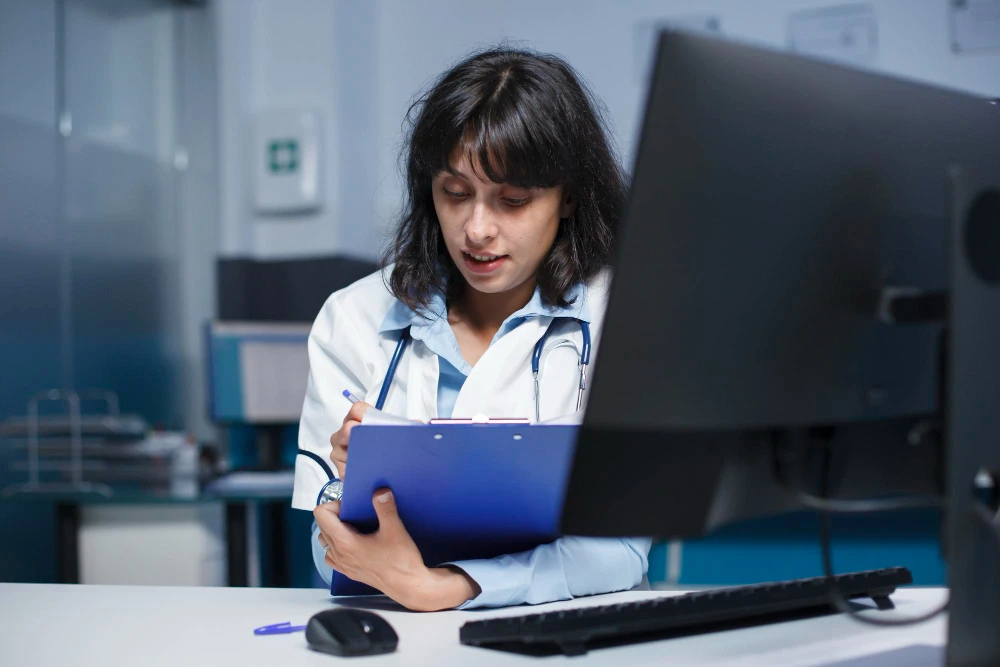

Modern healthcare systems are under constant pressure to deliver high-quality inpatient care while managing physician shortages, rising patient volumes, and operational costs. Hospitals, especially in rural and underserved areas, often struggle to maintain consistent hospitalist coverage. This is where hospitalist staffing telemedicine is becoming an essential solution, enabling healthcare facilities to extend expert inpatient care through virtual technology and remote physician support.
By combining clinical expertise with digital health tools, telemedicine hospitalist staffing helps hospitals improve patient outcomes, maintain continuous care, and ensure efficient clinical workflows.
What Is Telemedicine Hospitalist Staffing?
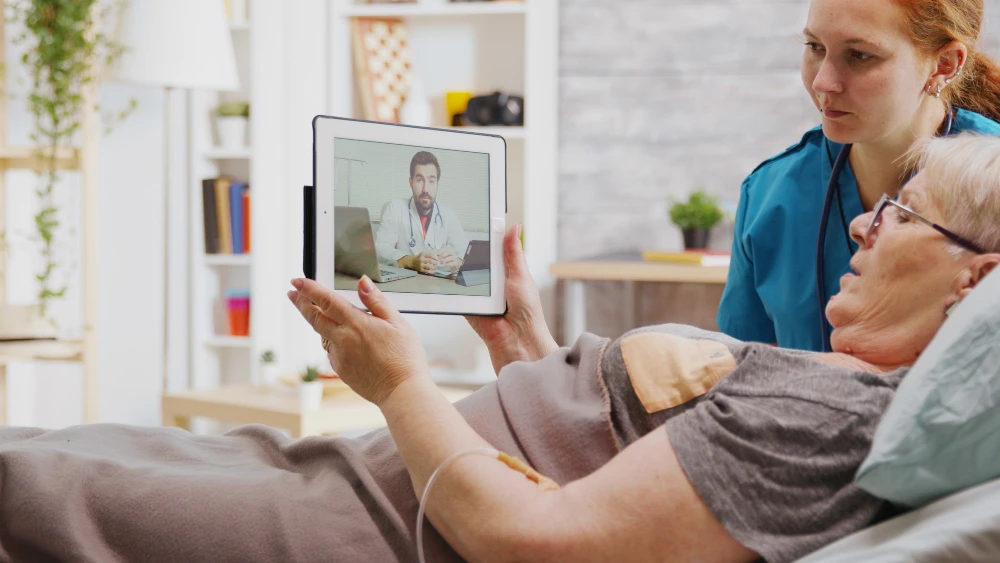
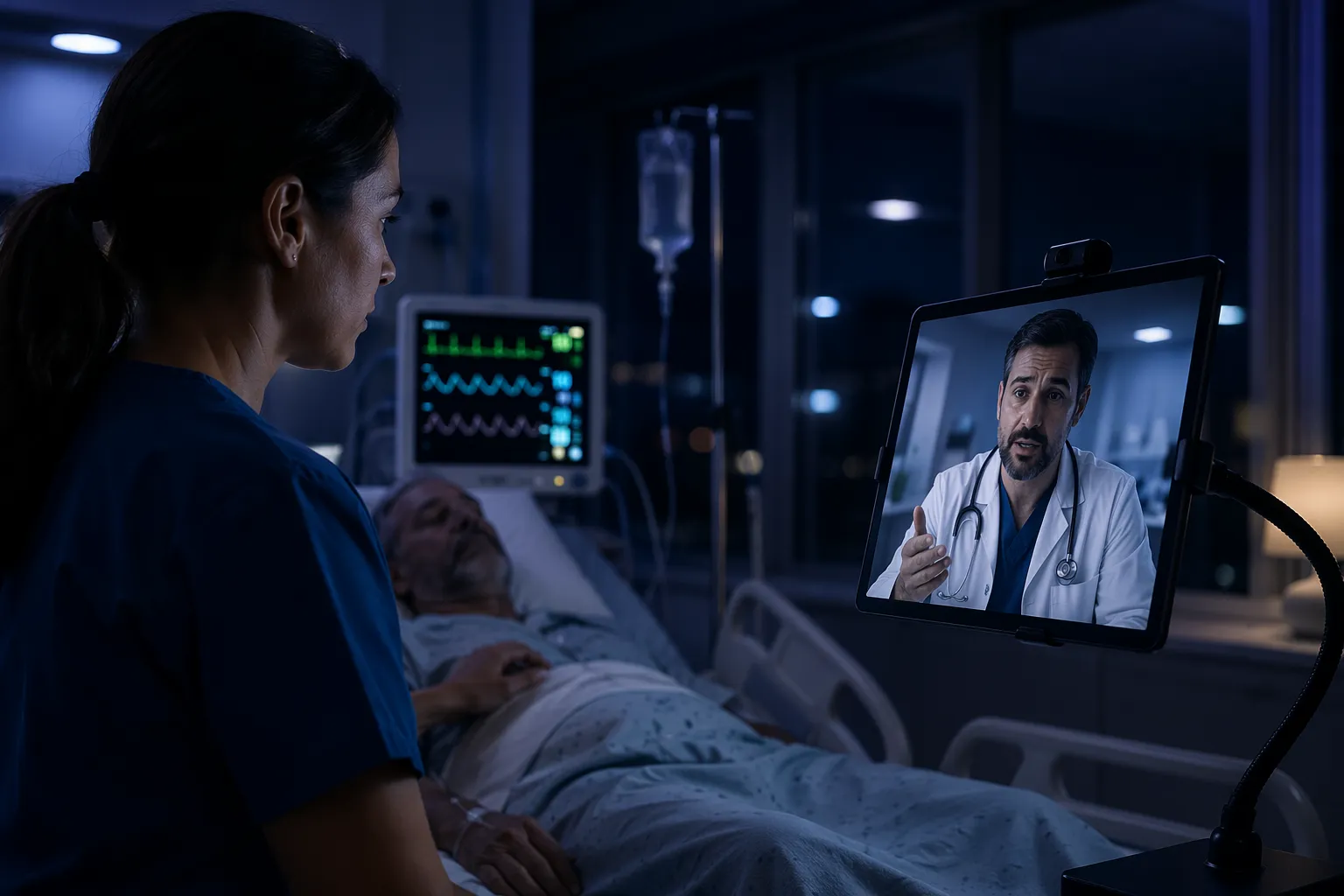
Telemedicine hospitalist staffing refers to the use of remote hospitalist physicians who provide inpatient care services through secure telehealth platforms. These hospitalists collaborate with onsite medical teams to manage admitted patients, review medical records, conduct virtual rounds, and guide treatment decisions.
This model allows hospitals to access experienced physicians without requiring them to be physically present in the facility.
Telemedicine hospitalists typically support:
- Patient admissions and evaluations
- Daily inpatient rounds
- Treatment planning and care coordination
- Night and weekend coverage
- Discharge planning and follow-ups
Through real-time communication tools, remote physicians work seamlessly with bedside nurses and local providers to deliver continuous patient care.
Why Hospitals Are Adopting Telemedicine Hospitalist Models?
Many hospitals face ongoing staffing challenges due to physician shortages, burnout, and increasing inpatient demand. Telemedicine hospitalist staffing provides a flexible solution that ensures patients receive timely and expert care regardless of staffing limitations.
Key reasons hospitals adopt telemedicine hospitalist services include:
- 24/7 inpatient coverage without hiring additional onsite staff
- Access to experienced hospitalists across different specialties
- Improved response times for patient care decisions
- Reduced physician burnout by balancing workloads
- Support for rural and critical access hospitals
By supplementing onsite teams with remote hospitalists, healthcare facilities can maintain consistent care standards while optimizing staffing resources.
How Telemedicine Hospitalists Improve Inpatient Care?
One of the biggest advantages of telemedicine hospitalist staffing is the ability to deliver high-quality clinical oversight in real time. Remote physicians can quickly review patient data, consult with nurses, and intervene when necessary.
Some of the ways telemedicine hospitalists improve inpatient care include:
1. Faster Clinical Decision-Making
Remote hospitalists can review patient records, lab results, and imaging instantly. This allows quicker treatment decisions, reducing delays in care.
2. Continuous Monitoring and Support
Telemedicine hospitalists can monitor patient progress and provide guidance throughout the day or night, ensuring consistent clinical oversight.
3. Better Care Coordination
Virtual hospitalists collaborate with specialists, nurses, and primary care providers to ensure the patient receives well-coordinated treatment across departments.
4. Improved Patient Safety
Timely physician input helps reduce medical errors, avoid complications, and improve overall patient outcomes.
Expanding Coverage for Rural and Underserved Hospitals
Rural hospitals often struggle to recruit and retain full-time hospitalists. Telemedicine hospitalist staffing helps bridge this gap by connecting facilities with remote physicians who can provide inpatient care coverage.
Benefits for rural healthcare facilities include:
- Access to board-certified hospitalists
- Reduced need for patient transfers to larger hospitals
- Improved care access for local communities
- Lower operational and recruitment costs
By expanding physician access through telehealth technology, hospitals can continue serving their communities while maintaining quality care.
Operational Benefits for Healthcare Systems
Beyond clinical improvements, telemedicine hospitalist staffing also enhances hospital operations and efficiency.
Hospitals implementing telemedicine hospitalist programs often experience:
- Better patient flow and shorter length of stay
- Improved admission and discharge processes
- Lower staffing costs compared to traditional models
- Scalable coverage during high patient volumes
- Stronger collaboration between remote and onsite teams
These operational benefits allow healthcare organizations to maintain high service standards while managing resources more effectively.
The Future of Telemedicine in Inpatient Care
As healthcare technology continues to evolve, telemedicine will play an even larger role in inpatient care delivery. Advances in electronic health records, remote monitoring tools, and secure telehealth platforms are making virtual physician collaboration more efficient than ever.
Telemedicine hospitalist staffing is expected to become a core component of modern hospital operations, helping healthcare systems address workforce shortages while improving patient access to expert care.
Wrapping Up
Telemedicine hospitalist staffing is transforming how hospitals deliver inpatient care. By combining remote physician expertise with advanced telehealth technology, hospitals can ensure consistent clinical coverage, improve patient outcomes, and optimize operational efficiency.
For healthcare facilities facing staffing shortages or growing patient demand, hospitalist staffing telemedicine offers a scalable and effective solution that strengthens inpatient care while expanding access to quality medical services.
























Sign in to leave a comment.