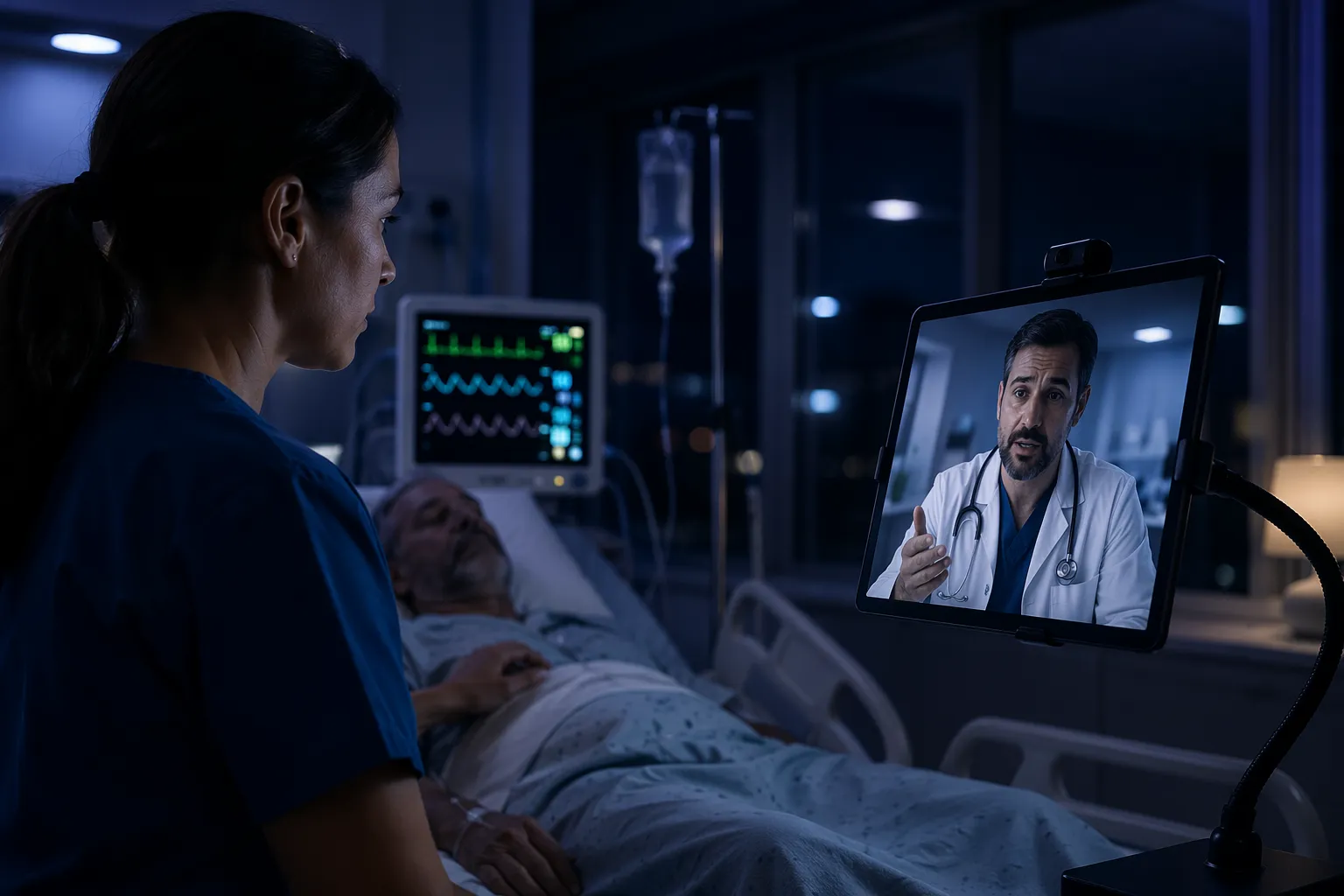

Healthcare doesn’t sleep—but staffing limitations during overnight hours often create gaps in care. This is where tele-nocturnists step in as a game-changing solution. By leveraging telemedicine technology, hospitals can ensure timely, efficient, and expert emergency response even during the most critical nighttime hours.
In this blog, we’ll explore how tele-nocturnists improve emergency care, reduce response times, and support hospital teams when they need it most.
What Are Tele-Nocturnists?
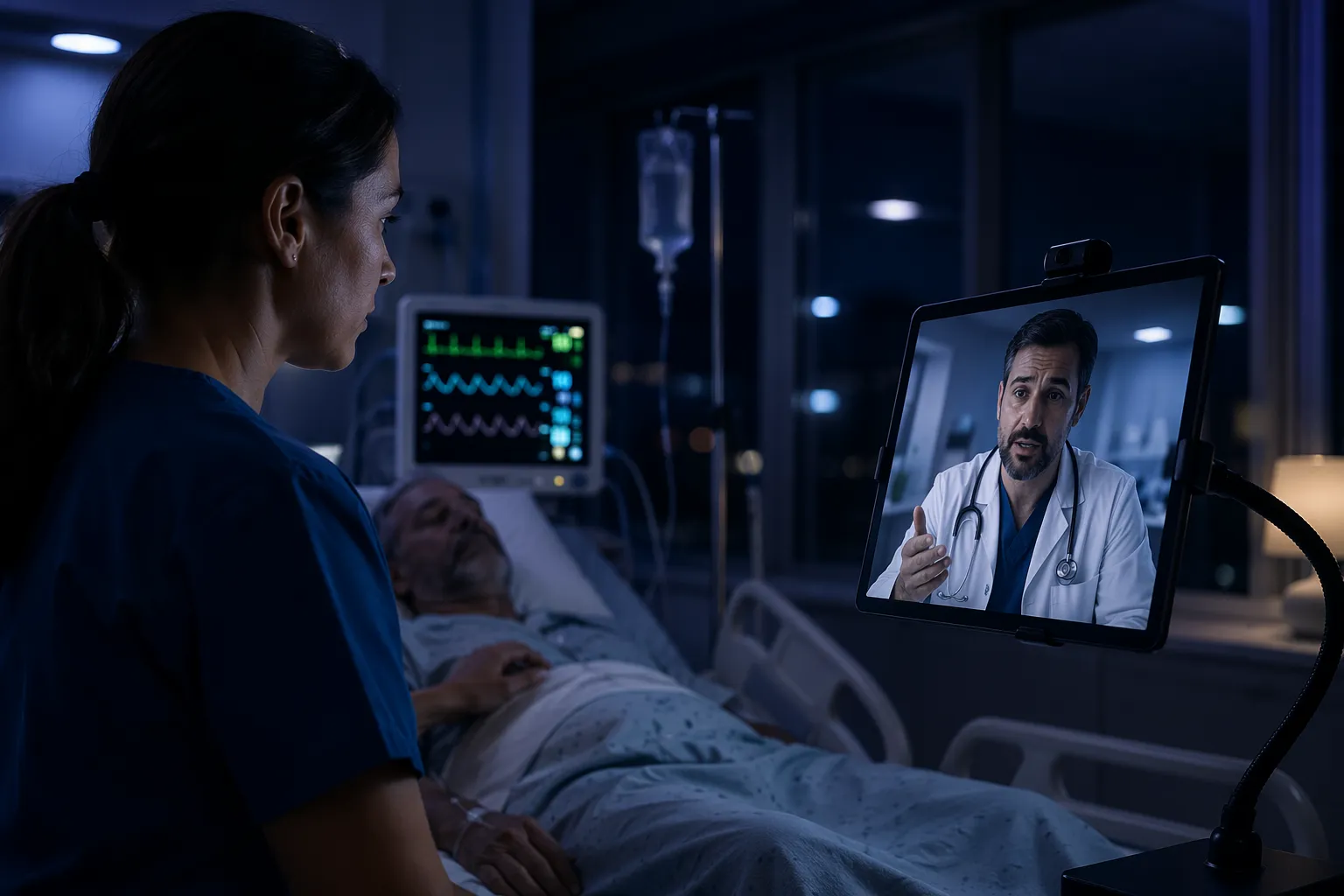
Tele-nocturnists are physicians who provide overnight inpatient care remotely using secure telemedicine platforms. They specialize in handling admissions, cross-cover calls, and emergencies during night shifts.
Key Responsibilities of Tele-Nocturnists
- Managing overnight patient admissions
- Responding to emergency alerts and rapid response calls
- Supporting bedside staff with clinical decisions
- Monitoring patient conditions remotely
This model ensures hospitals have continuous access to experienced physicians, even when on-site staffing is limited.
Why Emergency Response Is Critical During Night Hours
Nighttime in hospitals often presents unique challenges:
- Reduced on-site staffing
- Increased patient vulnerability
- Delayed response times
- Higher risk of adverse events
Without immediate access to physicians, even minor issues can escalate into critical emergencies. This is why integrating tele-nocturnists for overnight hospital coverage is becoming increasingly important.
How Tele-Nocturnists Enhance Emergency Response
1. Faster Response Times to Critical Situations
One of the biggest advantages of tele-nocturnists is their ability to respond instantly.
How It Works:
- Real-time alerts are sent to tele-nocturnists
- Immediate virtual assessment via video consultation
- Quick decision-making and intervention
Result: Reduced delays in treatment and improved patient outcomes.
2. 24/7 Access to Experienced Physicians
Tele-nocturnists provide round-the-clock access to skilled doctors, ensuring no emergency goes unattended.
Benefits:
- Immediate physician availability
- Reduced dependency on on-call staff
- Better handling of complex cases
This is especially beneficial for rural hospitals using tele-nocturnist services, where physician shortages are common.
3. Real-Time Virtual Emergency Consultations
Tele-nocturnists can evaluate patients through high-quality video systems.
Key Features:
- Face-to-face virtual interaction
- Access to patient records and vitals
- Collaboration with bedside nurses
This enables accurate diagnoses and rapid treatment decisions without delay.
4. Support for Rapid Response Teams (RRT)
Tele-nocturnists play a crucial role in supporting rapid response teams during emergencies.
How They Assist:
- Guide on-site staff during critical events
- Provide second opinions instantly
- Help stabilize patients before escalation
This collaboration significantly improves emergency management efficiency.
5. Continuous Patient Monitoring and Early Intervention
With remote patient monitoring tools, tele-nocturnists can track patient conditions in real time.
What They Monitor:
- Vital signs
- Oxygen levels
- Changes in patient status
Impact: Early detection of deterioration allows for proactive intervention, reducing ICU transfers and complications.
6. Improved Communication and Care Coordination
Effective communication is key during emergencies, and tele-nocturnists enhance it.
Advantages:
- Centralized communication hub
- Clear and documented instructions
- Seamless coordination between departments
This ensures that all team members are aligned during critical situations.
7. Reduced Burden on Night Shift Staff
Night shift teams often operate under high stress with limited resources.
Tele-Nocturnists Help By:
- Handling complex cases remotely
- Reducing workload for on-site physicians
- Supporting nurses with clinical decisions
This leads to better performance and fewer errors during emergencies.
8. Enhanced Decision-Making with Data and Technology
Tele-nocturnists use advanced tools and analytics to make informed decisions.
Tools Include:
- Electronic Health Records (EHR)
- Clinical decision support systems
- Real-time data dashboards
These technologies enable data-driven emergency care, improving accuracy and outcomes.
Benefits of Tele-Nocturnists in Emergency Care
For Hospitals:
- Faster emergency response times
- Reduced patient complications
- Optimized staffing costs
For Patients:
- Timely medical attention
- Improved safety and outcomes
- Reduced hospital stays
For Healthcare Providers:
- Lower burnout rates
- Better work-life balance
- Increased support during critical situations
Challenges and Considerations
While tele-nocturnists offer numerous advantages, hospitals should consider:
- Reliable internet and technical infrastructure
- Staff training on telemedicine systems
- Patient data security and compliance
- Integration with existing workflows
Addressing these challenges ensures a smooth and effective implementation.
Future of Tele-Nocturnists in Emergency Care
The demand for tele-nocturnists is expected to grow as healthcare systems adopt more digital solutions.
Emerging Trends:
- AI-assisted diagnostics
- Integration with tele-ICU systems
- Expansion into specialized care areas
- Advanced predictive monitoring
These innovations will further enhance the role of tele-nocturnists in emergency response.
Conclusion
Tele-nocturnists are transforming how hospitals manage emergencies during night hours. By providing instant access to experienced physicians, real-time consultations, and continuous monitoring, they significantly improve response times and patient outcomes.
From supporting rapid response teams to reducing staff burnout, tele-nocturnists are an essential component of modern healthcare systems.
As hospitals continue to prioritize efficiency and patient safety, adopting tele-nocturnist services is no longer optional—it’s a strategic necessity.





























Sign in to leave a comment.