

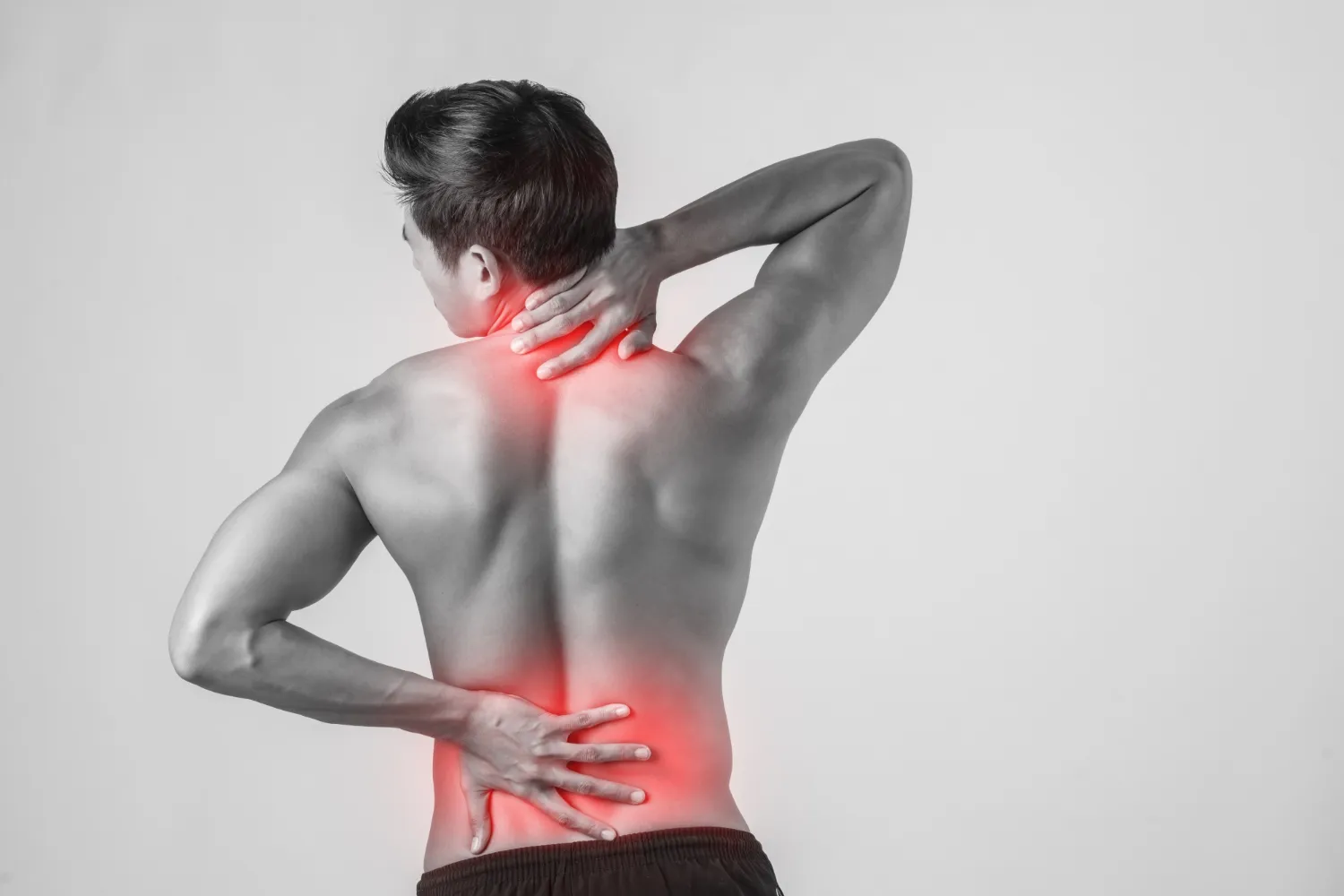
Many people in Willis and Montgomery wake up feeling stiff and physically drained before the day even begins. You might notice a sharp pull in your lower back when getting out of your car or a heavy ache in your shoulders after working long hours at a desk. These physical limitations make simple tasks like reaching for a high shelf or playing with your children feel like a massive chore.
When standard stretching fails to fix the problem, finding a care path that targets deep muscular restrictions becomes essential. Treating persistent tension requires looking at how your entire body moves. Muscle stiffness is a functional problem that demands an active, targeted solution.
What Is Thai Massage in Chiropractic & Physical Therapy?
Unlike standard spa treatments, clinical bodywork focuses on restoring functional movement. Thai massage is an active, movement-based therapy that combines deep-tissue compression with guided stretching. Practitioners use their hands, elbows, and knees to apply targeted pressure along specific muscle lines to release tight fascia.
Many patients seek care from providers like Better Care Chiropractic & Physical Therapy to integrate Thai Massage into their broader recovery plans. Instead of just rubbing sore muscles, this technique physically moves your joints through their full range of motion.
It works incredibly well alongside physical therapy and chiropractic adjustments because it releases the tight soft tissues that constantly pull your spine out of proper alignment. This collaborative approach prepares your body for actual healing.
Why It Matters for Daily Movement and Quality of Life
Living with locked-up muscles completely changes your daily routine. If your hamstrings are tight, your pelvis tilts downward. This forces your lower back to absorb stress it was never meant to handle. Over time, these small postural compensations turn into chronic pain.
Reduced mobility creates a frustrating cycle. When your neck feels incredibly stiff, you stop turning your head fully while driving down Interstate 45. When you stop moving naturally, your joints lose lubrication, and your muscles weaken further. Breaking this restrictive cycle is vital for your long-term health.
Better movement directly translates to better sleep, improved focus at work, and a much higher overall quality of life. You regain the energy to participate in the activities you actually enjoy.
Common Causes and Patient Experiences
Deep muscle tension rarely happens overnight. It builds up gradually through daily habits, minor injuries, and repeated physical stress.
- Prolonged Sitting: Office workers frequently report chronic hip flexor tightness and rounded shoulders from sitting at poorly designed workstations for eight hours a day.
- Active Lifestyle Strain: Local athletes and weekend warriors often experience tight calves and restricted glutes from running or playing sports without proper recovery protocols.
- Repetitive Workplace Motions: Manual labor creates constant friction in specific muscle groups. This leads to dense knots and heavily restricted fascial layers over time.
- Postural Imbalances: Looking down at mobile devices for extended periods creates severe tension in the upper neck and trapezius muscles.
Patients regularly tell us they tried to ignore the stiffness for months. Eventually, the restricted movement started interfering with their ability to sleep comfortably or exercise without sharp pain.
Treatment Approaches and What to Expect
A functional bodywork session looks very different from a traditional relaxation massage. You remain fully clothed on a comfortable mat on the floor. The practitioner assesses your current mobility limitations and pain points before beginning the treatment.
During the session, expect a combination of rhythmic pressing and assisted stretching. The practitioner will gently guide your limbs into various positions to open up restricted joints. You might feel a deep stretch in areas you did not even realize were holding tension.
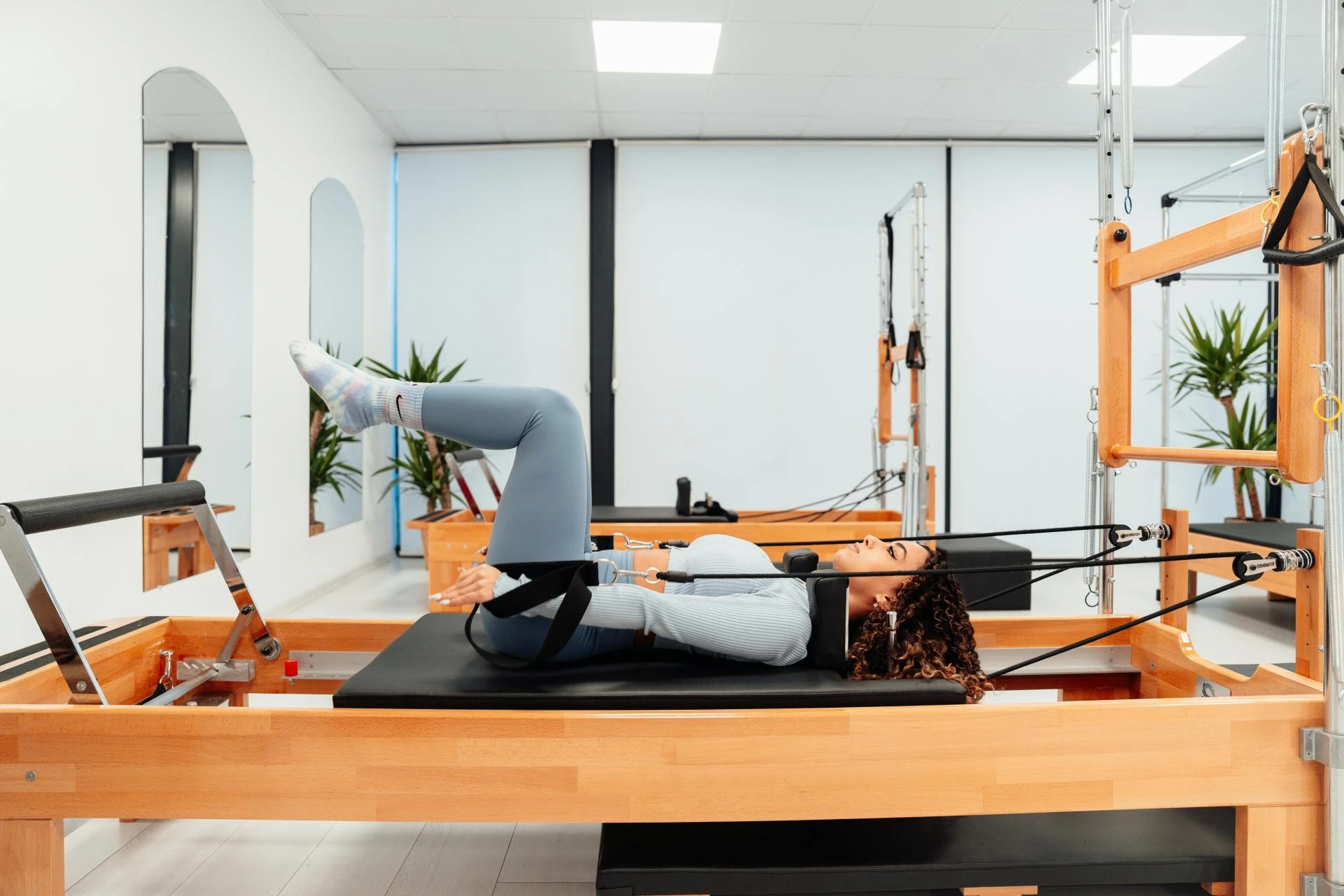
Clinics such as Better Care Chiropractic & Physical Therapy often view this therapy as a crucial step in structural rehabilitation. By breaking up fascial adhesions and lengthening shortened muscles, the body becomes much more receptive to strengthening exercises and corrective physical therapy routines.
How to Know If You Need a Thai Massage or Physical Therapy
Figuring out the right treatment option can feel overwhelming when you are in pain. A clinical evaluation makes sense if you notice any of the following functional warning signs.
- Your muscles feel constantly tight even after trying home stretching routines for several weeks.
- You experience a dull, persistent ache in your hips or lower back after sitting for more than thirty minutes.
- Your shoulders feel literally glued to your neck, which severely limits your overhead reach.
- You are recovering from a sports strain, and your affected joints feel incredibly stiff and unyielding.
Catching movement restrictions early prevents them from turning into chronic joint problems. Early intervention is always the smartest strategy for pain relief.
Frequently Asked Questions
1. Does Thai massage hurt?
This therapy should never cause sharp pain. You will likely feel deep pressure and intense stretches. Many patients describe this sensation as a "good hurt." Your practitioner will always communicate with you to ensure the pressure remains well within your personal comfort zone.
2. How is it different from deep tissue massage?
Deep tissue massage relies on continuous gliding strokes over bare skin using oils or lotions. Thai massage involves rhythmic compression and passive stretching while you remain fully clothed. It feels much more like doing an intensive, assisted yoga session than receiving a standard massage.
3. How often should I get treatment for chronic stiffness?
Your specific needs dictate the frequency of care. Many people benefit from weekly sessions initially to break up severe tension patterns. Once your baseline mobility improves, shifting to a monthly maintenance schedule works very well.
4. Can this therapy help with lower back pain?
Yes. Lower back pain frequently originates from tight hip flexors, hamstrings, and glutes. By actively lengthening these supporting muscle groups, the therapy removes unnecessary mechanical stress from your delicate lumbar spine.
5. Do I need to be flexible to receive this treatment?
Absolutely not. The treatment is entirely customized to your current physical abilities. The practitioner does all the work to move your body within its safe limits gently. This guided movement actually helps you become significantly more flexible over time.
Final Thought
Ignoring persistent muscle stiffness will not make it go away on its own. It usually just forces your body to develop new, harmful movement habits that lead to further injuries down the road. Residents in Willis and Montgomery deserve to live and work without feeling trapped by their own physical tension. Addressing mechanical restrictions in your muscles and joints helps you safely reclaim your active lifestyle.
Taking a comprehensive approach to your physical recovery ensures you treat the actual problem rather than just masking the symptoms temporarily. Learn more about chiropractic and physical therapy approaches to discover how active, movement-based care can support your long-term physical wellness and daily mobility.




























Sign in to leave a comment.