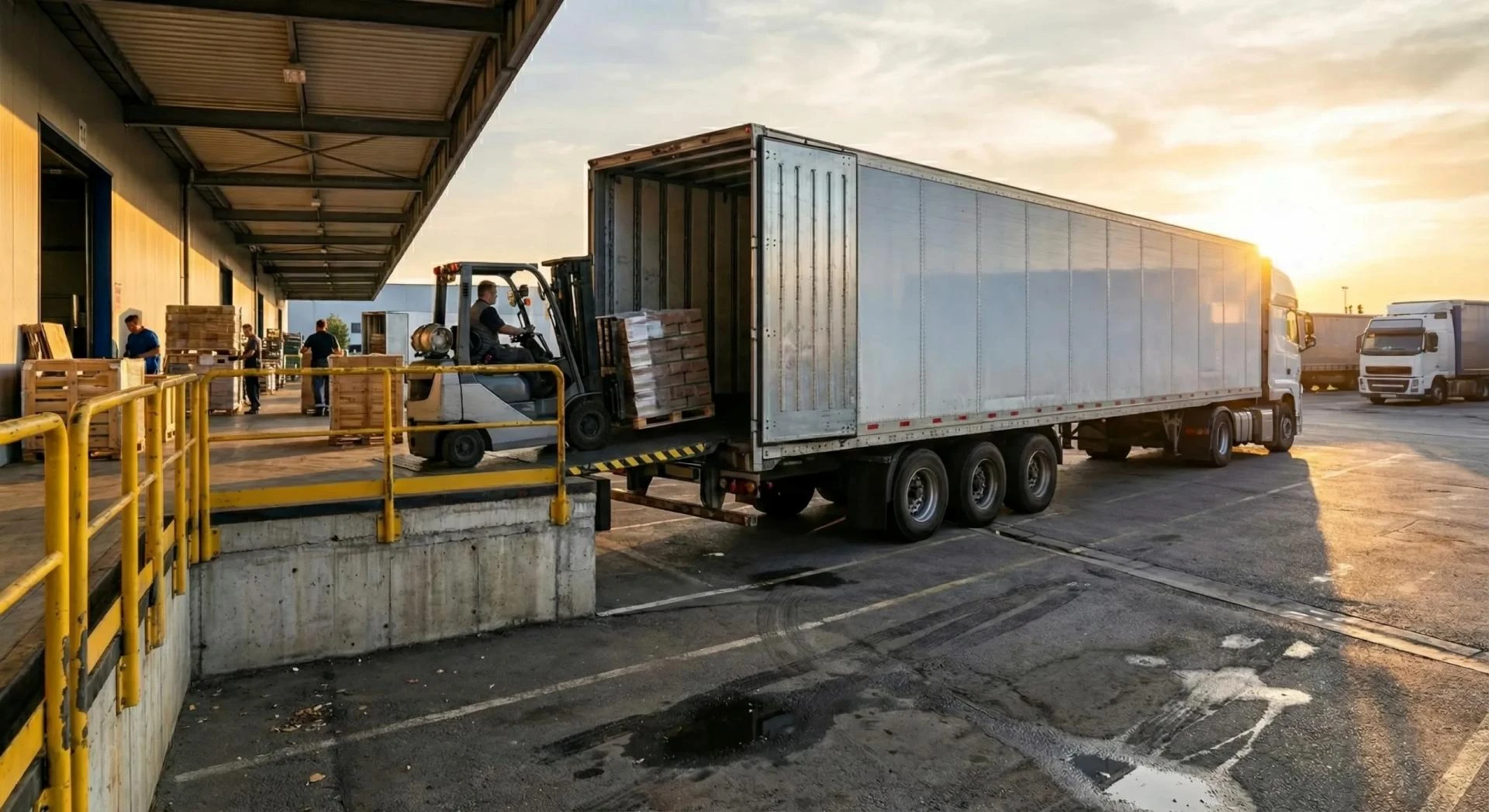

Every extra inch of space in a truck has a cost attached to it. If you are not loading efficiently, you are paying for empty air, damaged goods, and unnecessary trips. That is why businesses focusing on loading trucks service in Orange County are rethinking how they pack, stack, and secure their cargo. This guide breaks down how proper truck loading directly reduces transportation costs while improving delivery efficiency. Stick with this till the end, because small changes in loading can lead to significant savings you might not expect.
What Is Proper Truck Loading?
Proper truck loading is the process of arranging goods in a way that maximizes space, ensures safety, and maintains balance during transportation. It involves planning, correct placement, and securing cargo to prevent movement, damage, and inefficiencies during transit.
The Real Cost of Poor Truck Loading
Improper loading often leads to wasted space, product damage, and increased fuel consumption. It can also cause delays due to reloading or safety issues. These small inefficiencies add up quickly, increasing overall logistics expenses and reducing operational productivity over time.
Key Ways Proper Truck Loading Reduces Transportation Costs
1. Maximizes Space Utilization
Efficient loading ensures every inch of the truck is used wisely. By stacking goods strategically and avoiding gaps, businesses can transport more products in a single trip. This reduces the number of trips required, directly lowering fuel costs and labor expenses.
2. Minimizes Product Damage
When goods are loaded securely, the risk of shifting during transit decreases. Proper placement and cushioning prevent breakage and loss. Reducing damaged goods means fewer replacements, refunds, and claims, which ultimately helps control operational costs and maintain customer satisfaction.
3. Improves Fuel Efficiency
Balanced loading distributes weight evenly across the truck. This reduces strain on the engine and improves fuel efficiency. Trucks that carry uneven loads often consume more fuel, making proper weight distribution an essential factor in reducing transportation expenses.
4. Reduces Loading and Unloading Time
Organized loading means faster and more efficient unloading! When goods are placed in logical order, workers spend less time searching or rearranging items. Faster turnaround times reduce labor costs and improve delivery schedules, enhancing overall operational efficiency.
5. Prevents Overloading Penalties
Overloading a truck can result in fines and legal complications. Proper loading ensures weight limits are followed, avoiding penalties. Staying compliant with regulations protects businesses from unexpected expenses and keeps operations running smoothly without disruptions.
6. Enhances Route Efficiency
Strategic loading supports better route planning. When deliveries are organized based on drop-off points, drivers can unload items quickly without rearranging cargo. This reduces delays, saves fuel, and ensures timely deliveries, contributing to lower transportation costs.
7. Extends Vehicle Lifespan
Evenly distributed loads reduce wear and tear on tires, suspension, and engine components. This lowers maintenance costs and extends the life of the vehicle. Proper loading is not just about saving on trips; it also reduces long-term repair expenses.
8. Improves Workforce Productivity
A well-planned loading system simplifies tasks for workers. Clear organization reduces confusion, speeds up processes, and minimizes physical strain. Improved productivity leads to faster operations and lower labor costs, making the entire logistics chain more efficient.
Smart Techniques for Cost-Effective Truck Loading
1. Use Standardized Packaging
Uniform packaging makes stacking easier and more stable. It reduces wasted space and allows better organization inside the truck, ensuring maximum capacity utilization without compromising safety.
2. Implement Load Planning Tools
Using digital tools or simple planning methods helps visualize how goods should be arranged. This improves accuracy and reduces trial-and-error during loading, saving both time and resources.
3. Train Your Loading Team
Skilled workers understand how to handle, stack, and secure goods properly. Training reduces mistakes and ensures consistency, which directly impacts efficiency and cost savings in the long run.
Why Proper Loading Is a Competitive Advantage
Businesses that focus on efficient truck loading gain a clear advantage. They spend less on fuel, reduce product losses, and improve delivery timelines. Over time, these benefits translate into better customer satisfaction and stronger profit margins.
The bottom line
Small inefficiencies in truck loading can quietly increase your logistics expenses. By improving how you organize, stack, and secure cargo, you can significantly reduce transportation costs. Businesses that prioritize loading trucks service in Orange County are already seeing the benefits of smarter operations and better resource management. Proper loading is not just a technical process; it is a strategic decision that impacts profitability, efficiency, and customer satisfaction. Focus on getting it right, and the savings will follow naturally.
Frequently Asked Questions (FAQs)
1. How does proper truck loading reduce fuel costs?
Proper loading ensures balanced weight distribution, which reduces engine strain and improves fuel efficiency, helping businesses save significantly on transportation fuel expenses over time.
2. Can improper loading really damage goods during transit?
Yes, poorly secured items can shift, collide, or fall during transit, leading to damage, financial loss, and increased replacement or return costs for businesses.
3. What is the biggest mistake in truck loading?
One common mistake is leaving unused space or uneven weight distribution, which reduces efficiency, increases fuel consumption, and can even cause safety issues during transport.
4. Do small businesses benefit from proper truck loading techniques?
Absolutely, even small improvements in loading can reduce trips, save fuel, and improve delivery efficiency, making a noticeable impact on overall operational costs.
5. Is staff training important for efficient truck loading?
Yes, trained staff understand proper stacking, securing, and organizing techniques, which reduces errors, improves speed, and ensures safe and cost-effective transportation operations.





























Sign in to leave a comment.