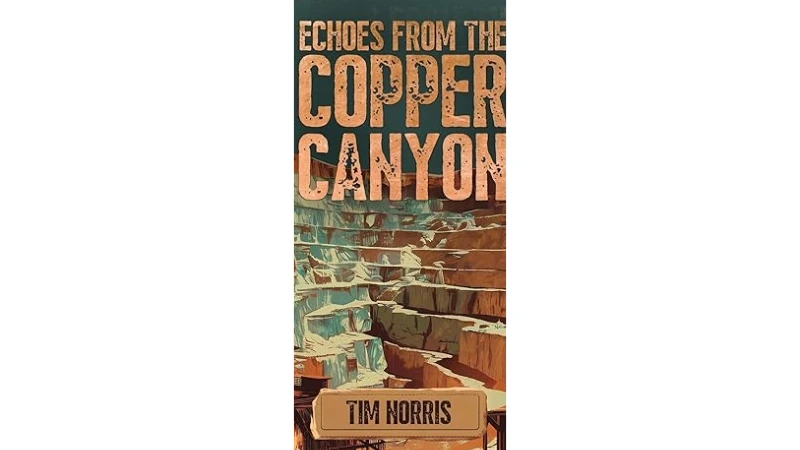

High in the Oquirrh Mountains of Utah, about 26 miles southwest of Salt Lake City, the Bingham Canyon Mine, often called the richest hole on Earth, stands as both a marvel of human engineering and a monument to irreversible change. Stretching two and a half miles across and nearly a mile deep, it is the largest open-pit copper mine in the world. Once owned by Kennecott and now operated by London-based Rio Tinto, it still produces a significant portion of America’s copper, along with more than a million dollars’ worth of gold each year.
Over the course of a century, it swallowed entire canyons, rerouted rivers, and reduced vibrant neighborhoods to rubble. Yet, in the hearts of those who once called Bingham Canyon home, its memory still pulses with vitality, connection, and meaning.
Bingham Canyon was more than a mining town; it was a League of Nations cradled in the rugged landscape. Immigrants from Greece, Italy, Japan, Mexico, and beyond forged a unique blend of cultures, traditions, and languages. For many, their time in the canyon was part of a larger life journey, one that blended the hardships of industrial labor with the warmth of community bonds. It was a place where people worked the earth by day and celebrated each other’s milestones by night.
A Legacy Shaped by Loss and Renewal
When Kennecott Copper expanded operations through much of the 20th century, the mine quite literally consumed the towns it had sustained. One by one, homes, schools, and churches disappeared under the relentless march of industry. By 1971, the last home was boarded up. For outsiders, it was simply a casualty of progress. But for residents, it was the beginning of a profound period of healing and growth.
The displacement scattered families across the state, the country, and even the globe. Some embraced international living, seeking work in other mining regions or entirely different industries. Others settled nearby, carrying with them pieces of the canyon in the form of traditions, recipes, and the stories told at family gatherings. What emerged from this scattering was a testament to resilience and perseverance, an ability to rebuild lives while keeping the core of their identity intact.
Life Lessons That Outlast the Mine
From this upheaval came profound life lessons. Bingham Canyon taught its people that a sense of belonging isn’t tied solely to geography; it is rooted in relationships, shared experiences, and mutual support. Residents learned to carry “home” inside themselves, drawing from the deep well of memories formed on those steep streets and noisy ballfields.
For some, losing their hometown sparked a journey of self-discovery. Freed from the physical boundaries of the canyon, they explored new paths, pursuing education, changing careers, or engaging in creative pursuits. This process often meant overcoming adversity, from economic instability to the emotional toll of being uprooted. Yet, in facing these challenges, many found an unexpected reward: the courage to reinvent themselves.
Bingham’s story also inspired moments of spiritual awakening. Standing at the rim of the mine today, looking down into the vast, terraced pit, one is confronted with the dual truths of human achievement and environmental cost. Former residents speak of a deeper appreciation for the fragility of community and the importance of honoring what remains, both in the physical world and in the unseen bonds between people.
The Spirit That Refuses to Fade
The passage of time has brought personal transformation for many. Annual reunions of former residents are less about mourning what was lost and more about celebrating what endures. Photographs of long-gone streets are passed from hand to hand; baseball stories are retold; and the names of beloved figures, like Ada Duhigg, the “Angel of Highland Boy,” or Big Helen, the community’s most unconventional benefactor, are spoken with affection.
Perhaps most enduring of all is the inner strength that Bingham’s people carry. They understand that while a mine can erase buildings and streets, it cannot dismantle the bonds forged in shared struggle and joy. This strength fuels their ability to face life’s uncertainties, drawing from the lessons learned in a place that demanded toughness, adaptability, and heart.
Today, the Bingham Canyon Mine continues to operate, producing copper and gold that power the modern world. But beyond its economic contributions lies another legacy, one written not in ore output, but in the lives of those who once lived in its shadow. Their story is a reminder that even when the physical markers of a community are gone, its spirit can survive in the values, traditions, and memories of its people.
The world may remember Bingham Canyon as the site of an engineering marvel. Its former residents remember it as the cradle of friendship, resilience, and identity. And in that remembrance lies a powerful truth: industry can claim the land, but it can never claim the soul.





























Sign in to leave a comment.