

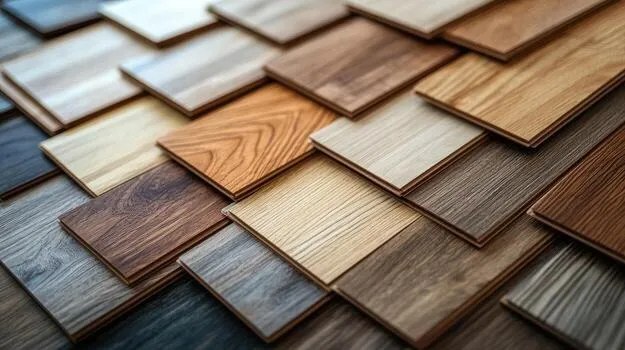
Great interior design is not simply about choosing attractive colours, furniture, and decorative elements. The materials selected for a project influence how a space looks, feels, performs, and ages over time. From residential renovations to large commercial developments, thoughtful material selection can make the difference between an interior that looks impressive initially and one that continues to deliver value for many years.
Architects, interior designers, builders, and homeowners increasingly look for materials that combine aesthetics with durability, versatility, and responsible sourcing. Natural timber finishes and high-performance decorative surfaces can provide this balance, giving designers the flexibility to create sophisticated interiors without compromising practical requirements.
Start with the Purpose of the Space
Before choosing a decorative surface, it is important to understand how the space will be used. A private living room has very different requirements from a busy reception area, hospitality venue, educational facility, or retail environment.
High-traffic areas may require surfaces that can withstand frequent contact and cleaning, while residential spaces may place greater emphasis on warmth, texture, and visual character. Understanding these requirements at the beginning helps ensure that the selected material is appropriate for its environment.
The best material choice is therefore not necessarily the most expensive or visually striking option. It is the material that provides the right combination of performance and appearance for the intended application.
Bringing Natural Character into Interiors
Natural timber remains a popular choice because it adds warmth and authenticity to contemporary spaces. Its natural grain provides subtle variations that can make an interior feel more distinctive and inviting.
Timber finishes can be incorporated into cabinetry, wall panelling, furniture, doors, reception areas, and custom joinery. They work particularly well alongside modern materials such as glass, stone, concrete, and metal, allowing designers to create contrast without making the space feel visually busy.
For projects where authentic timber character is important, natural timber veneer finishes can provide an elegant solution for both residential and commercial interiors.
Creating Consistency Across a Project
Large interior projects often contain numerous rooms and functional areas. Maintaining a consistent material palette can help connect these spaces and create a stronger overall design.
Using complementary timber finishes across cabinetry, wall features, furniture, and architectural details can establish visual continuity. Designers can then introduce contrasting materials through flooring, lighting, furniture, or decorative elements.
This approach creates a more cohesive interior while still allowing individual areas to have their own identity.
Choosing Surfaces for Demanding Environments
Not every application is suitable for natural timber finishes alone. Areas exposed to moisture, impact, heavy traffic, or intensive cleaning may require specially engineered surfaces.
Commercial buildings, healthcare environments, laboratories, educational facilities, public amenities, and hospitality projects often need materials that can provide reliable performance under demanding conditions.
For these applications, high-performance compact laminate solutions can provide the durability and practicality required for demanding interior environments. They can be used for applications such as partitions, lockers, cabinetry, vanity units, wall linings, and commercial joinery.
Selecting the appropriate surface for each application allows designers to maintain the overall design concept while meeting the functional requirements of individual spaces.
Balancing Aesthetics and Durability
A successful interior needs to achieve more than visual impact. Materials should be able to withstand the conditions they are exposed to throughout their service life.
Durability can influence maintenance costs, replacement frequency, and the overall lifecycle value of an interior. Investing in reliable materials from the beginning can reduce the likelihood of premature deterioration and help maintain the intended appearance of the space.
This is particularly important for commercial projects, where repairs or replacements can disrupt business operations.
The Role of Sustainable Material Choices
Sustainability is becoming an increasingly important consideration in architectural design. Clients and design professionals are paying greater attention to how materials are sourced, manufactured, used, and maintained.
Long-lasting materials can support sustainable design by reducing replacement requirements and minimising waste. Efficient use of timber resources is also an important consideration when specifying natural wood products.
Rather than selecting materials based only on their initial appearance or cost, designers can consider the complete lifecycle of a product. This broader approach can lead to more responsible and valuable design decisions.
Combining Different Surface Materials
Modern interiors rarely depend on a single material. The most successful designs often combine several complementary surfaces to create contrast and depth.
Natural timber can soften hard architectural elements, while engineered decorative panels can provide additional performance where required. Stone can introduce visual weight, glass can create openness, and metal can add a contemporary accent.
The key is to select materials that work together rather than competing for attention.
A carefully considered combination can make an interior feel sophisticated without becoming unnecessarily complicated.
Why Quality and Supply Matter
Material quality is only one part of the equation. Consistent supply, technical knowledge, product selection, and manufacturing standards can also influence the success of a project.
Working with an experienced supplier can make the specification process easier by providing access to different finishes and helping designers understand which products are most suitable for particular applications.
For architects, builders, and interior designers, dependable product quality is particularly important when multiple areas of a project need to maintain a consistent appearance.
Designing for Long-Term Value
A well-designed interior should continue to provide value long after construction is complete. This means thinking beyond current trends and selecting materials that can adapt to changing design preferences.
Timeless timber finishes are particularly effective in this regard. They can work with contemporary, minimalist, traditional, and luxury design concepts, allowing interiors to evolve without requiring complete material replacement.
Likewise, durable engineered surfaces can provide long-term functionality in areas where performance is more important than purely decorative appeal.
Making Better Material Decisions
The best results come from considering the entire project rather than selecting individual products in isolation.
Designers should evaluate the purpose of each space, expected level of use, maintenance requirements, aesthetic objectives, sustainability considerations, and long-term performance before making a final decision.
When these factors are considered together, material selection becomes a strategic part of the design process rather than simply a finishing detail.
Conclusion
Thoughtful material selection plays a fundamental role in creating interiors that are attractive, practical, and built to last. Natural timber finishes can introduce warmth and character, while engineered surfaces can provide the durability required for demanding applications.
By combining complementary materials and choosing products according to the specific needs of each space, architects, designers, builders, and homeowners can create interiors that deliver lasting visual appeal and functional value.
The right materials do more than complete an interior—they help define its character, support its performance, and ensure that the design continues to work well for years to come.
























Sign in to leave a comment.