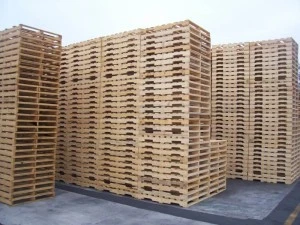
Reliability in shipping is imperative for businesses in Australia, especially where there are
complex supply chains and tight timelines. From the storage to the shipping vehicles, pallets
have become essential in the process of shipping. Among the best alternatives available for
transport safety that businesses can opt for are timber pallets.
Why Timber Pallets Are Designed for Safe Transportation
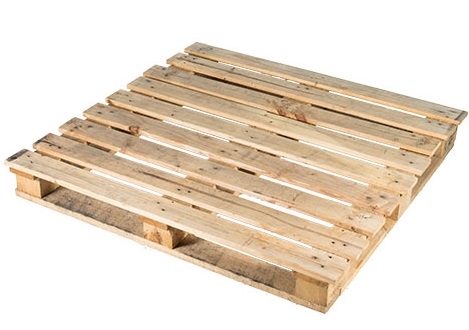
The physical properties of timber pallets also make them ideal for use in logistics, where
the environment can be demanding. The timber pallets are capable of supporting high loads
and thus serve as stable bases for loads in transport and storage. The timber pallets are
rigid and thus cannot easily flex with loads, preventing loads from shifting.
Timber pallets can also withstand repeated mechanical handling properly. Forklift trucks
and pallet jacks can access the pallet correctly from several access points. This aspect
prevents damaged pallets during unloading and loading operations. Such characteristics are
very valuable in high-volume distribution hubs.
How Timber Pallets Enhance the Stability and Protection of Loads
Load stability against damage during transportation is an important consideration. Timber
pallets can support the loading, which thereby keeps the cargo intact during the whole
transportation process.
Important safety benefits include:
- ● Even weight distribution on deck boards
● Strong resistance to compression when stacked
● Compatibility with shrink wrap, strapping, and corner protection
● Reduced vibration effects in road and freight transport
Through consistent load alignment, timber pallets ensure there is no tipping, crushing, or
shifting of the product, which is a common problem associated with handling.
Compliance, Standards, and Exporting Readiness
In Australia, pallet safety not only relates to the structural strength of the pallet but also to
regulatory matters. In many shipping paths, especially export pallets, have had to meet
strict biosecurity requirements. Timber pallets shipped to international locations are
required to meet the ISPM 15 heat treatment.
This makes it easy to get the border clearance and helps to prevent delays in shipments.
Compliance with recognised standards assures logistics partners associated
with the safe transport of loads.
Cost-Effective Safety through the Use of Second-Hand and Reconditioned Pallets
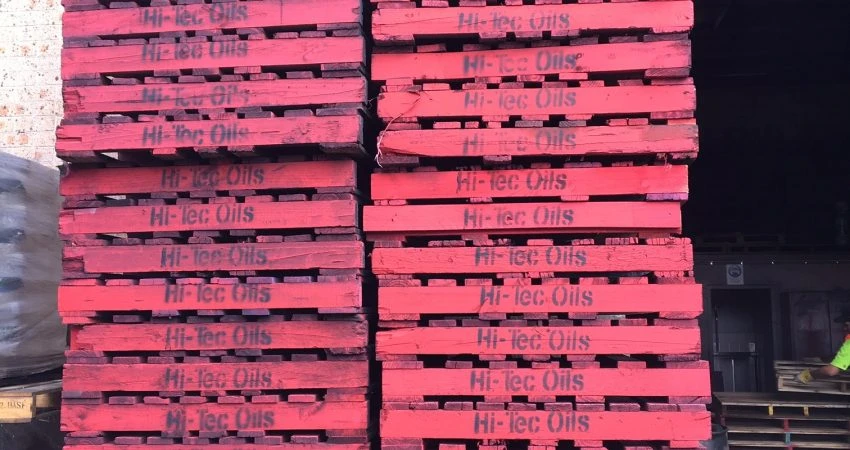
For many companies, the answer could be found in the offerings of Second Hand Pallets
and Reconditioned Pallets. If durable pallets are inspected or repaired, they can certainly
satisfy the requirements of many shipping ventures.
They are usually appropriate for:
- ● Domestic freight transportation
● Storage warehouse systems
● Non-export distribution networks
Reconditioned pallets receive systematic repair work aimed at reconstructing their strength
and functionality, thus helping companies cut down on wastage while being able to ensure
operational safety. This does work for cost-effectiveness as well.
Conclusion
The key to successful transportation is in solid foundations, and wooden pallets continue to
prove their value in transport safety in Australia. This begins with the strength of the
structure and understanding the extent of their preparedness for regulatory compliance and
transportation efficiency. With the help of making the right choices, covering the
reconditioned models, wooden pallets continue to represent a viable transport option.
Learn More:
Pallets Sydney: High-Quality Timber And Plastic Pallets by Abbey Pallets
Choosing Between Plastic Pallets and Timber Pallets: What is Best Suited For Your Requirements?










Sign in to leave a comment.