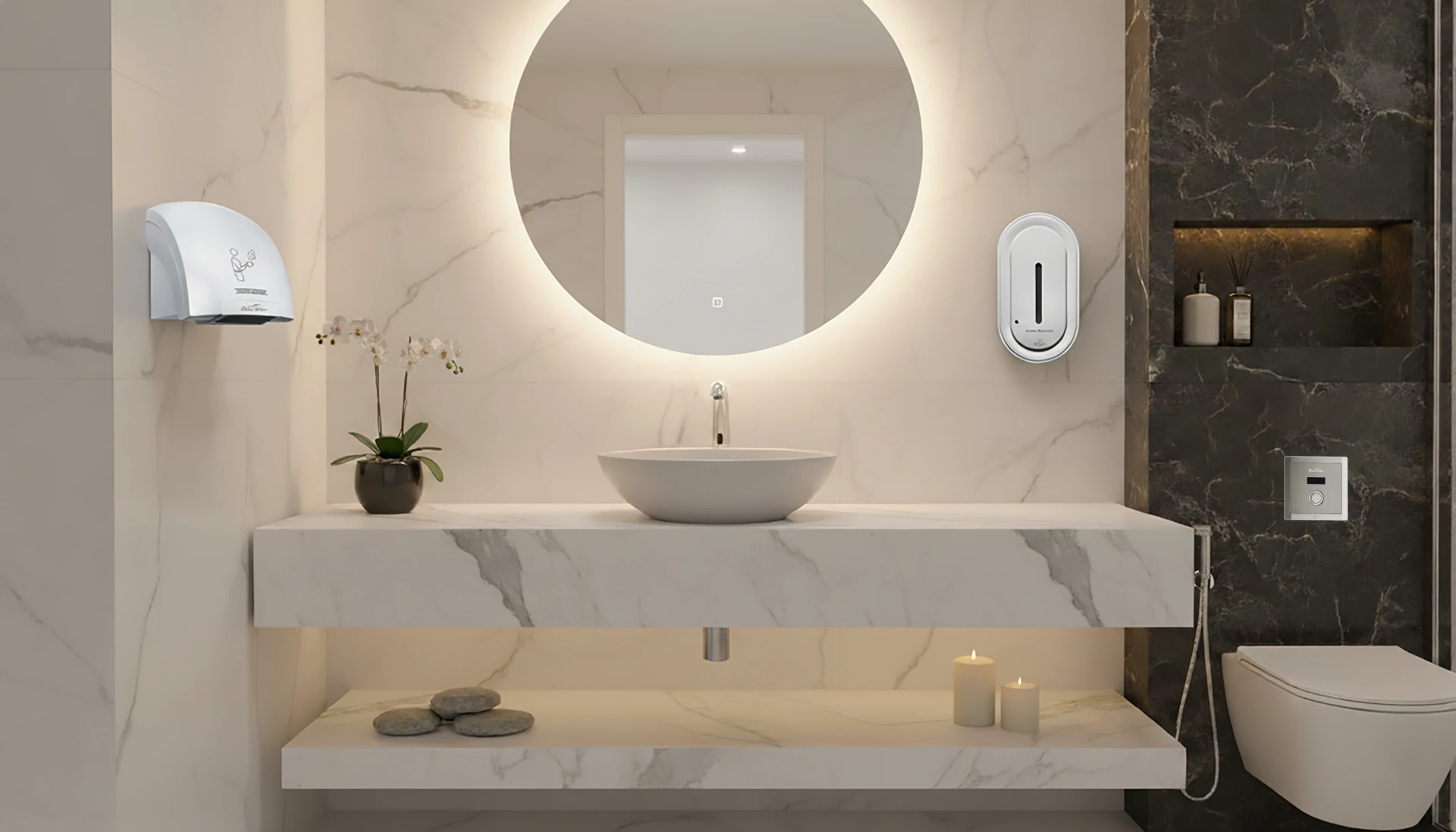

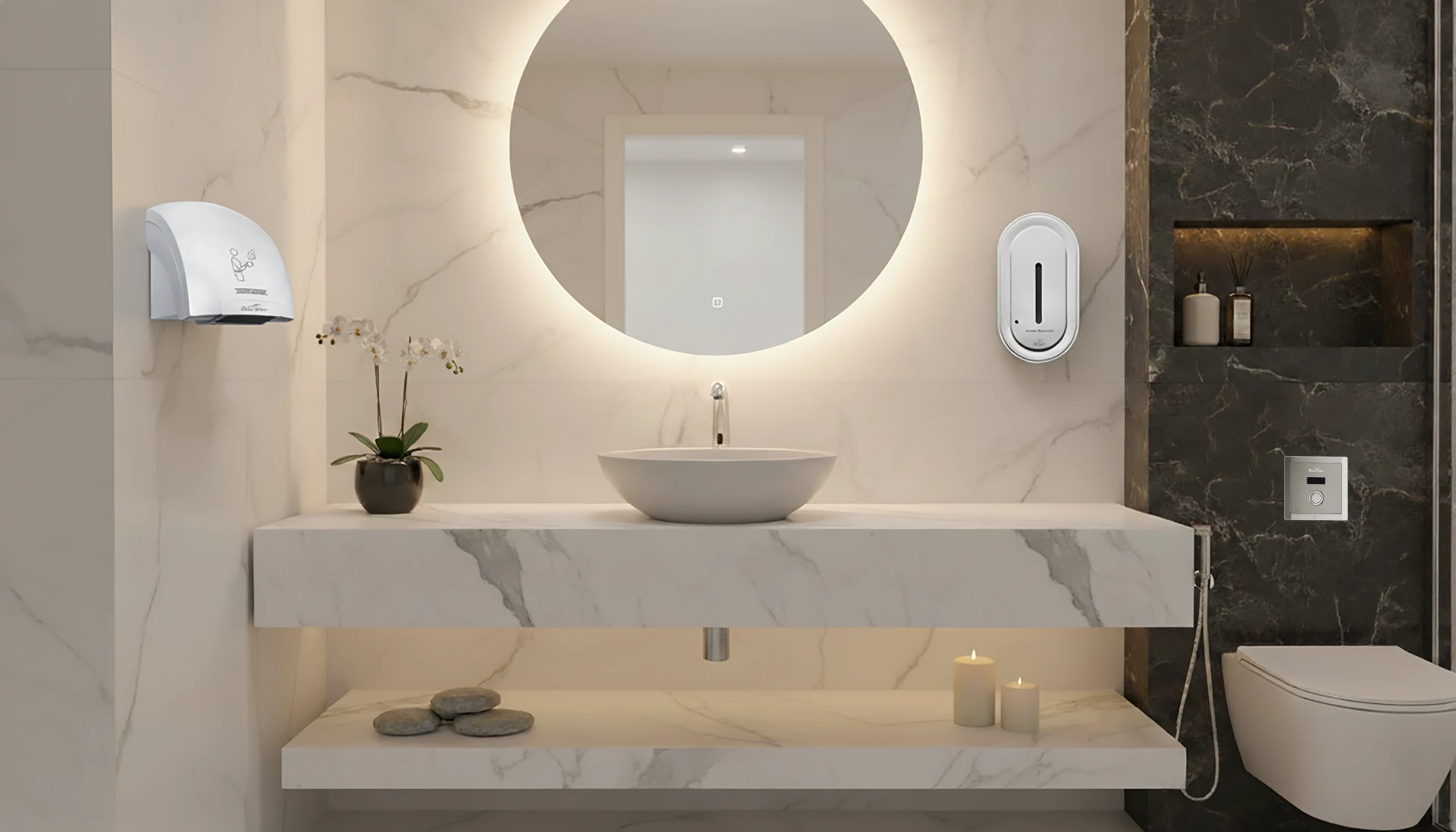
In recent years, hygiene and water conservation have become major priorities in homes, offices, airports, hospitals, and public spaces. Traditional taps and manual flushing systems are gradually being replaced by touchless technologies that improve cleanliness while reducing water wastage. Among these innovations, Sensor Tap and urinal sensors have emerged as two of the most practical and effective solutions for modern washrooms.
These smart devices are not just about convenience; they represent a shift toward automation, hygiene, and sustainability in everyday life.
What is a Sensor Tap?
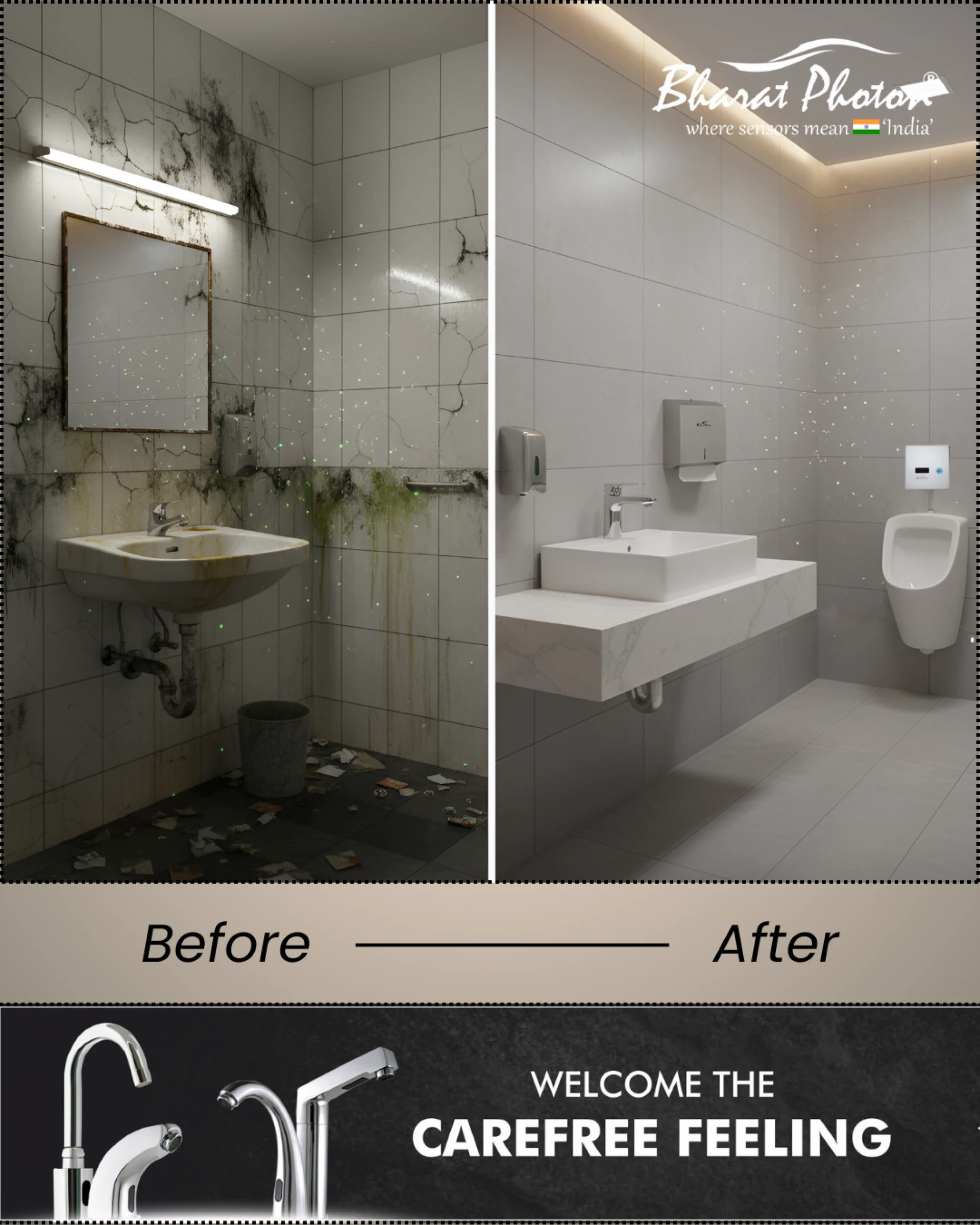
A sensor tap, also known as an automatic or touchless faucet, is a water tap equipped with an infrared sensor. This sensor detects the presence of hands under the faucet and automatically releases water. Once the hands are removed, the water flow stops instantly.
This technology eliminates the need to touch the tap handle, which significantly reduces the spread of bacteria and germs.
Sensor taps are commonly installed in:
- Airports and railway stations
- Hospitals and healthcare facilities
- Shopping malls and hotels
- Offices and corporate buildings
- Modern homes
Apart from hygiene benefits, sensor taps also control water flow precisely, helping to prevent unnecessary water usage.
What is a Urinal Sensor?
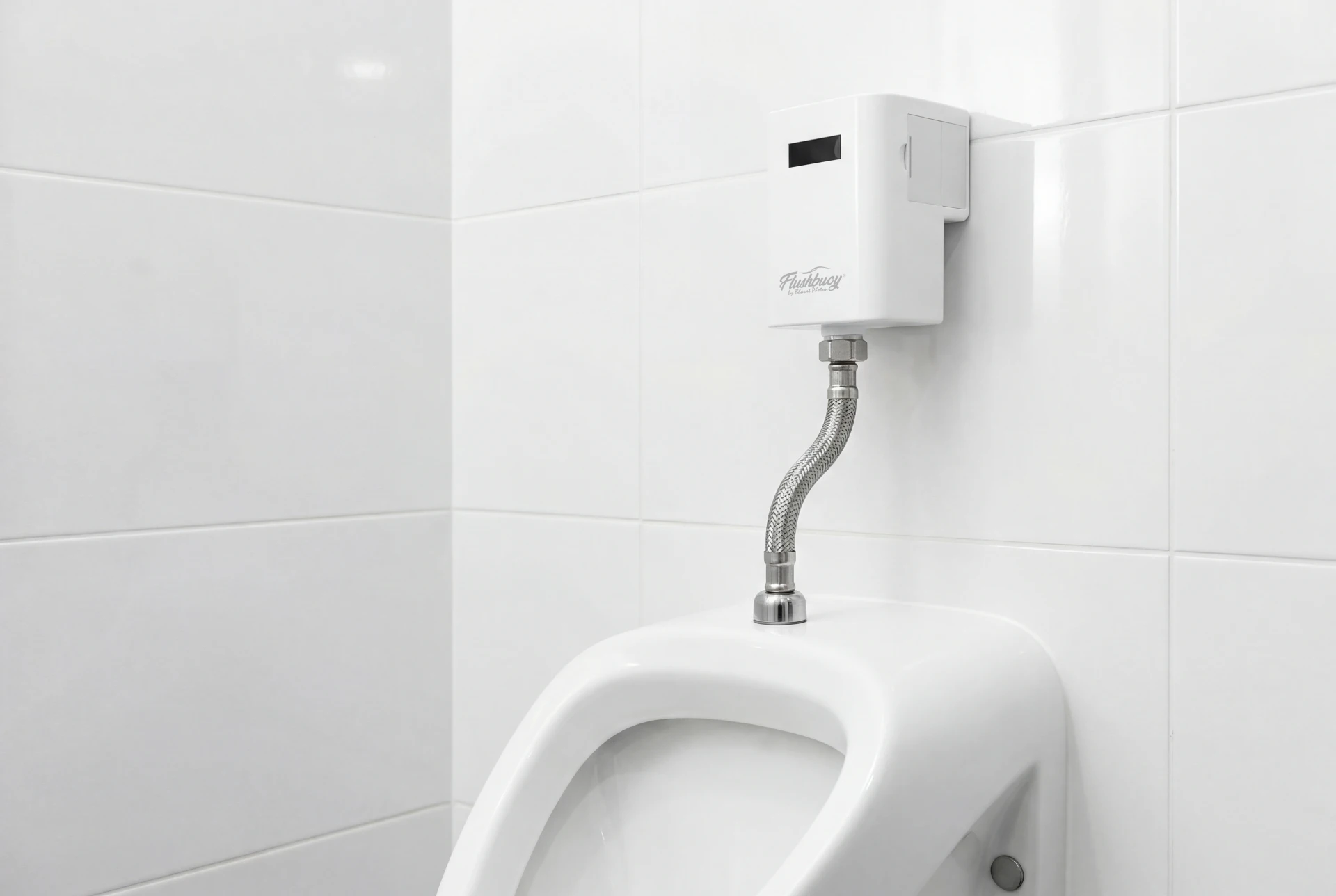
A urinal sensor is an automatic flushing system designed for urinals in public and commercial washrooms. Instead of pressing a manual flush button, the sensor detects when a user steps away and activates the flush automatically.
This ensures that the urinal is flushed after every use without requiring physical contact.
Urinal sensors are particularly useful in places with high foot traffic, such as:
- Shopping malls
- Restaurants
- Office complexes
- Educational institutions
- Public washrooms
Because the system operates automatically, it improves hygiene and keeps washrooms cleaner.
Why Sensor Taps and Urinal Sensors Are Becoming Popular
The demand for touchless washroom solutions has increased significantly in recent years. One of the main reasons is the growing awareness of public hygiene and infection control.
Manual taps and flush systems are touched by hundreds of people daily, making them hotspots for germs. Sensor-based systems eliminate this problem by removing the need for physical contact.
Another important factor is water conservation. Automatic Tap release water only when required, preventing unnecessary wastage.
Many modern buildings are also adopting smart technologies as part of green building initiatives, and sensor-based washroom systems fit perfectly into this concept.
Key Benefits of Sensor-Based Washroom Solutions
1. Better Hygiene
Touchless technology reduces the spread of bacteria and viruses because users do not need to touch any surface.
2. Water Conservation
Sensor taps can reduce water usage by up to 50–70% compared to traditional taps because water flows only when needed.
3. Convenience and Automation
Users simply place their hands under the tap or walk away from the urinal, and the system works automatically.
4. Modern Appearance
Sensor-based fixtures give washrooms a modern and premium look, which is why many luxury hotels and corporate offices prefer them.
5. Reduced Maintenance
Because these systems regulate water flow and flushing automatically, they often reduce plumbing issues caused by overuse or improper operation.
Personal Experience with Sensor-Based Washrooms
The first time I used a fully automated washroom equipped with sensor taps and urinal sensors was at a modern airport terminal. The entire experience felt seamless and hygienic. Water flowed instantly when I placed my hands under the tap and stopped automatically when I removed them.
Similarly, the urinal flushed automatically without pressing any button. The washroom stayed clean even with hundreds of people using it throughout the day.
This small but powerful technology made me realize how automation can significantly improve public hygiene and user comfort.
The Future of Smart Washrooms
As technology continues to evolve, the concept of smart washrooms is becoming more common. Sensor taps and urinal sensors are just the beginning.
Future washrooms may include:
- Smart soap dispensers
- Automatic hand dryers
- IoT-based maintenance monitoring
- Water usage analytics
- Fully touchless restroom systems
These innovations will help cities and businesses maintain cleaner, safer, and more sustainable public facilities.
Conclusion
Sensor taps and Urinal Sensor are transforming the way we experience washrooms. By combining hygiene, automation, and water conservation, these technologies are helping create smarter and more efficient sanitation systems.
Whether installed in homes, offices, or large public facilities, touchless washroom solutions offer clear advantages over traditional plumbing fixtures. As awareness about hygiene and sustainability continues to grow, it is likely that sensor-based washroom systems will become the new standard in modern infrastructure.



























Sign in to leave a comment.