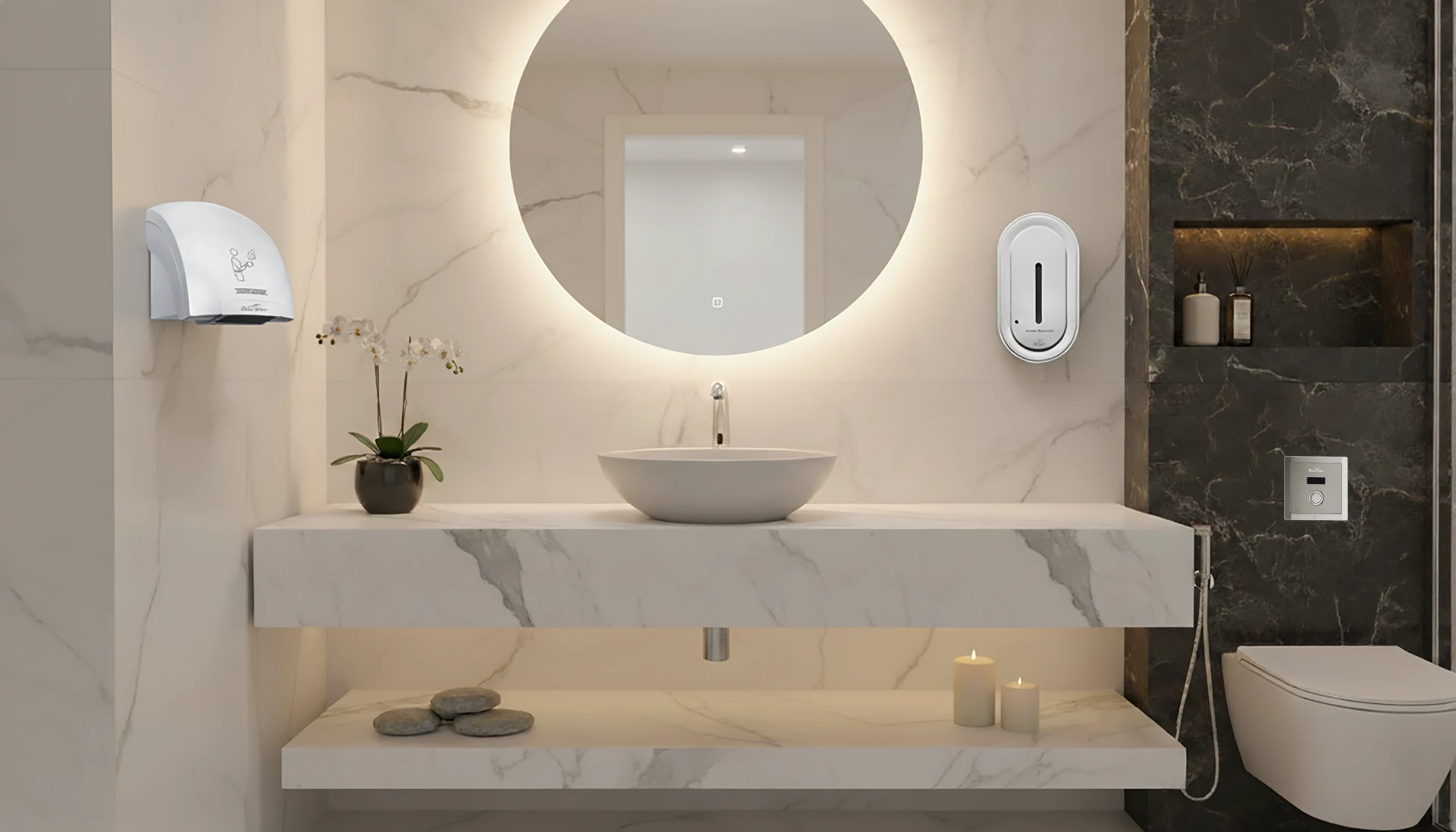

In today's hygiene-conscious world, touchless technology is no longer a luxury it's a necessity. Whether you're designing a corporate office washroom, a hotel restroom, or upgrading your home bathroom, three products are transforming the experience entirely: the sensor tap, the urinal sensor, and the wash basin. Together, they form the backbone of a modern, sanitary, and water-efficient washroom.
Let's dive into what makes each of these essential, how they work, and why investing in them is one of the smartest decisions you can make.
What Is a Sensor Tap and Why Does It Matter?
A sensor tap (also called an automatic faucet or touchless tap) uses infrared technology to detect the presence of hands beneath the spout. Water flows automatically when hands are detected and stops the moment they're removed no handle, no lever, no contact required.
Key Benefits of Sensor Taps
Hygiene first: Traditional taps are a breeding ground for germs. Every person who touches the handle transfers bacteria. With a sensor tap, cross-contamination becomes a thing of the past particularly valuable in hospitals, schools, restaurants, and public restrooms.
Significant water savings: Studies consistently show that sensor taps use up to 70% less water than conventional faucets. Since water flows only when hands are present, there's zero wastage from taps left running.
Durability and low maintenance: Without physical handles that wear out from twisting and turning, sensor taps last considerably longer. Many models are built with vandal-resistant materials, making them ideal for high-traffic environments.
Aesthetic appeal: Clean, sleek, and minimalist sensor taps add a premium, contemporary look to any washroom countertop or sink.
Whether you opt for a wall-mounted or deck-mounted sensor tap, ensure you choose a model with adjustable sensitivity settings and a reliable solenoid valve for consistent performance.
Urinal Sensor: The Unsung Hero of Washroom Hygiene
The urinal sensor is perhaps the most underappreciated fixture in commercial washroom management yet it's one of the most impactful.
Traditionally, urinals were either manually flushed (often skipped entirely) or operated on a timed automatic flush cycle that wasted massive amounts of water regardless of usage. The urinal sensor solves both problems elegantly.
How a Urinal Sensor Works
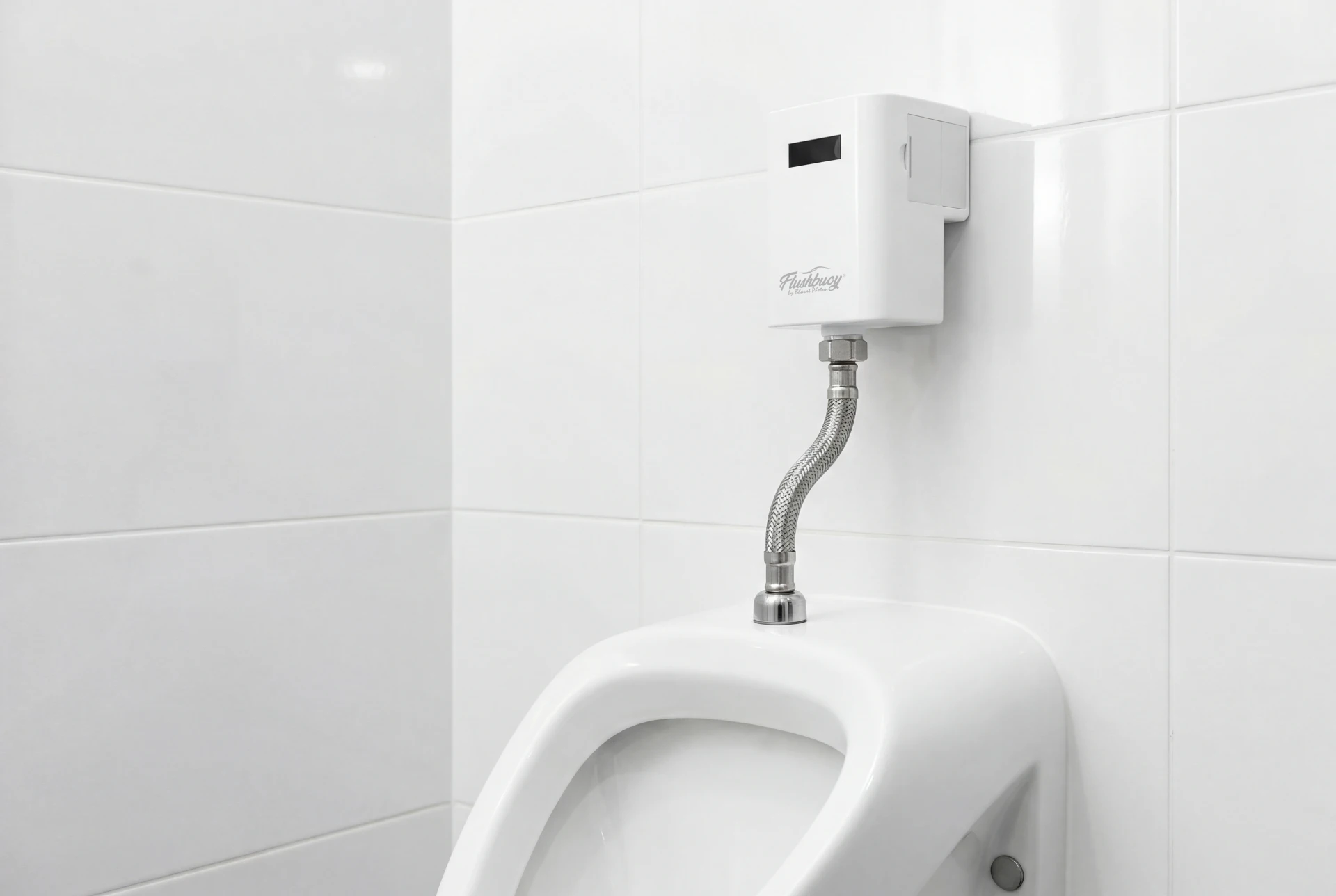
An infrared sensor mounted above or beside the urinal detects when a user is present. Once the user steps away, it triggers a precise, metered flush clean, consistent, and completely hands-free.
Why Upgrade to a Urinal Sensor?
Eliminates odour problems: Missed flushes are the leading cause of unpleasant washroom odours. An automatic urinal sensor ensures every single use is followed by a proper flush, every time.
Reduces water bills dramatically: Unlike timer-based systems that flush an empty urinal every few minutes, sensor-based units only activate post-use. Businesses can see a reduction of up to 50% in urinal water consumption.
Improves user experience: No buttons, no levers, no awkward fumbling. Users appreciate the seamless, hygienic process especially in high-footfall venues like airports, malls, and stadiums.
Easy retrofit installation: Most urinal sensors are designed to replace existing flush valves without requiring major plumbing work, making upgrades straightforward and cost-effective.
The Modern Wash Basin: Where Function Meets Design
The wash basin is the centrepiece of any washroom. It's where hygiene rituals begin and end and its design significantly affects both the user experience and the overall aesthetic of the space.
Today's wash basins are engineered to complement sensor technology seamlessly, available in a wide range of styles:
Counter-top basins sit elegantly above the vanity surface, creating a luxurious, spa-like feel. Paired with a sensor tap, they look stunning in premium hotels and corporate offices.
Under-mount basins are installed beneath the counter for a flush, integrated look that's also easier to clean no rim edges collect grime or soap residue.
Wall-hung basins free up floor space and make cleaning underneath effortless. They're a practical and stylish choice for compact washrooms.
Trough or multi-user basins serve high-traffic public restrooms where multiple people wash hands simultaneously ideal when paired with multiple sensor taps along a single basin.
When selecting a wash basin, consider the material (ceramic or stainless steel for commercial use), depth, and overflow capacity. Ensure it's compatible with your chosen sensor tap's mounting configuration for a cohesive, seamless installation.
The Complete Smart Washroom Package
Combining a sensor tap, a urinal sensor, and the right wash basin creates a washroom that is:
- Significantly more hygienic with zero-touch operation
- Noticeably more water-efficient, reducing utility costs
- Easier to maintain and keep clean
- Visually modern and impressive to users
Whether you're outfitting a brand-new build or retrofitting an existing facility, these three elements together represent the gold standard in washroom automation. Investing in them isn't just about appearances it's a commitment to public health, environmental responsibility, and operational efficiency.
The future of washrooms is touchless. Make the upgrade today.




















Sign in to leave a comment.