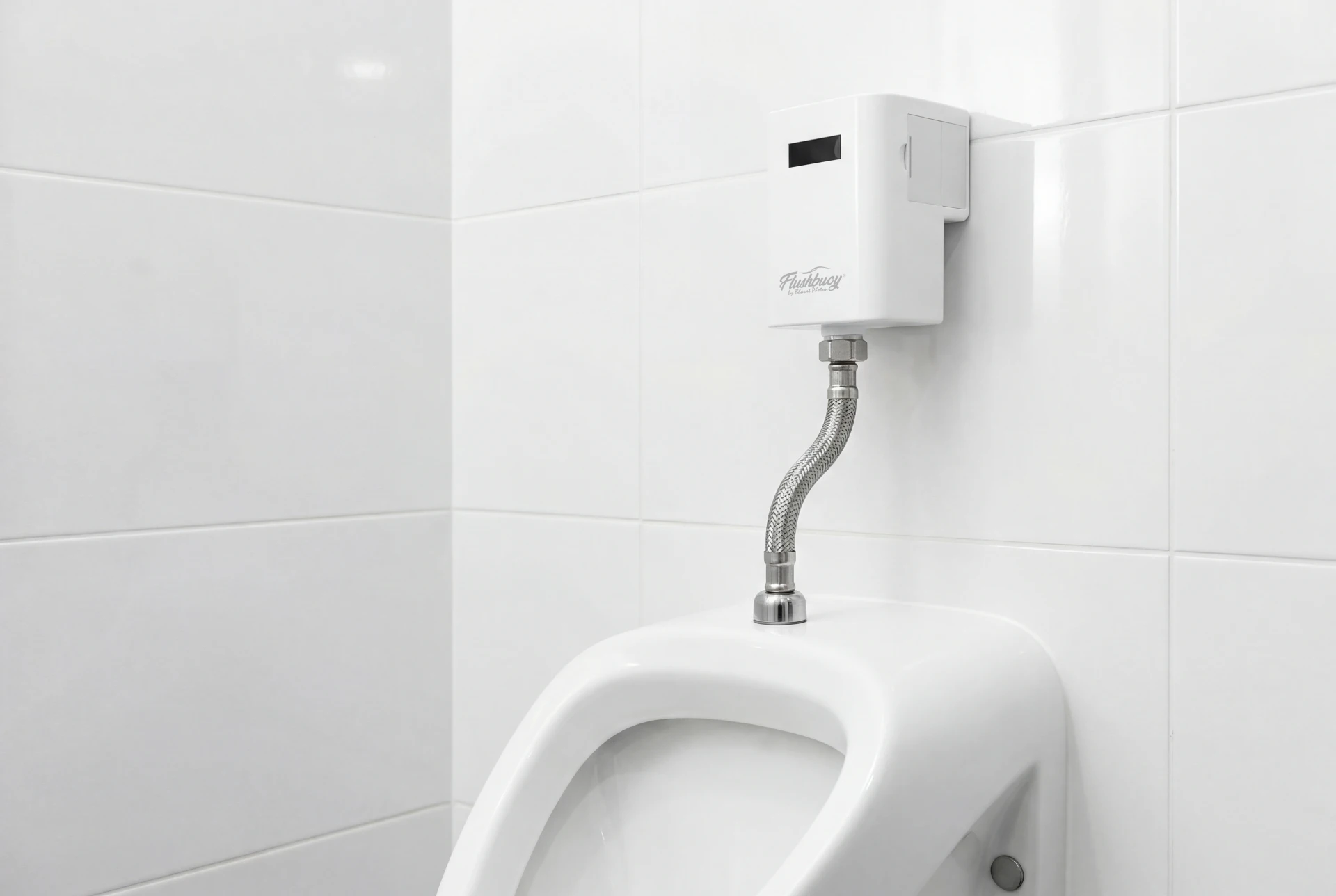

When people think about upgrading a washroom, they usually focus on tiles, mirrors, lighting, or fancy fittings. Very few think about flushing systems.
I was one of them — until I installed a Urinal Sensor.
What I assumed was a small technical upgrade turned out to be one of the smartest hygiene and water-saving decisions I’ve made. Let me explain why.
What Is a Urinal Sensor?
A urinal sensor is an automatic flushing system that uses infrared technology to detect usage. Once a person steps away, the system triggers a flush automatically.
No buttons.
No handles.
No touching anything.
It’s completely contactless.
My Experience After Installation
I first noticed urinal sensors in airports and corporate offices. The washrooms felt cleaner and more modern compared to traditional manual flush systems.
When I installed one in a commercial washroom project, I paid close attention to three things:
- Hygiene
- Water consumption
- Maintenance
Here’s what changed immediately:
- Users no longer had to touch flush valves.
- There were no forgotten flushes.
- Water usage became controlled and predictable.
- The overall washroom looked more premium.
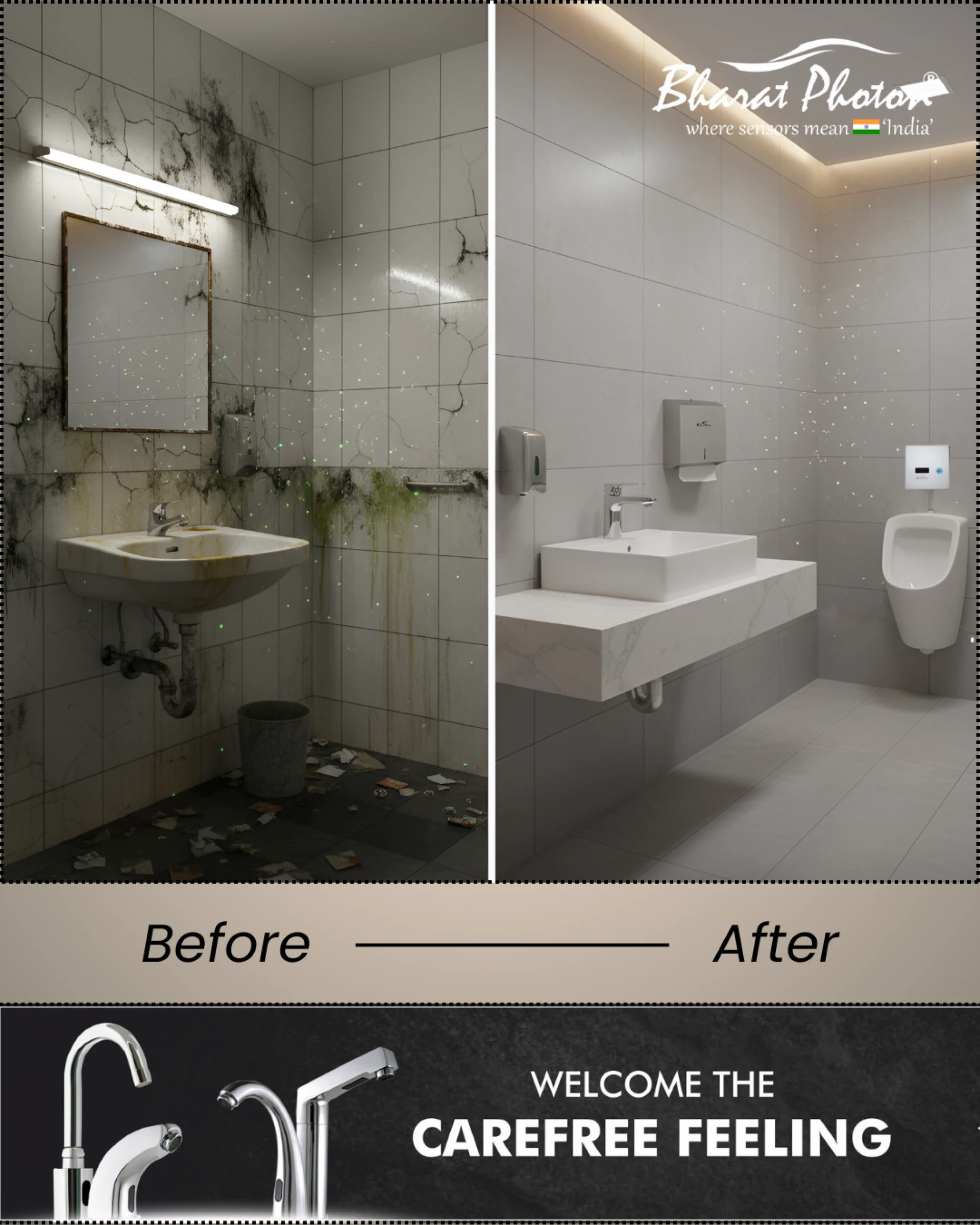
The most noticeable difference? Cleanliness consistency. The washroom stayed fresher throughout the day.
Hygiene: The Biggest Advantage
Traditional flush systems require hand contact. In high-traffic areas like offices, factories, restaurants, and hospitals, this becomes a hygiene risk.
A urinal sensor eliminates that issue entirely.
Because flushing happens automatically:
- Germ transmission reduces.
- Surfaces remain cleaner.
- Cross-contamination is minimized.
In environments where hygiene matters (which is basically everywhere), this makes a real difference.
Water Saving That Actually Works
Before installation, I underestimated how much water was being wasted.
Manual flush systems often lead to:
- Over-flushing
- Under-flushing
- Continuous running
- People forgetting to flush
Urinal Sensor are programmed to release a controlled amount of water per use. Some models even adjust flushing based on traffic.
After installing one, water bills showed noticeable improvement. In high-usage commercial areas, the savings become even more significant over time.
This isn’t just good for cost — it’s good for sustainability.
Ideal for Commercial and Public Spaces
Urinal sensors are especially useful in:
- Offices
- Shopping malls
- Hotels
- Hospitals
- Schools
- Airports
- Industrial facilities
In high-footfall areas, manual systems simply cannot maintain consistent hygiene and efficiency.
Automatic flushing ensures:
- Every use is flushed properly
- No dependency on user behavior
- Reduced staff intervention
Maintenance and Durability
One common concern is: “Do sensor systems require high maintenance?”
From my experience, modern urinal sensors are built for durability. Most offer:
- Long battery life or AC/DC power options
- Strong brass or concealed body designs
- Reliable infrared detection
- Anti-odor flushing systems
Once installed correctly, they operate smoothly with minimal servicing.
In fact, maintenance teams often prefer them because there are fewer complaints about improper flushing.
A Modern Upgrade That Improves Perception
There’s also something psychological about automation.
When users see a touchless flush system, it creates a perception of:
- Cleanliness
- Technology adoption
- Professional management
- Higher standards
For businesses, this matters. Washroom experience influences how people perceive your brand — even if they don’t consciously realize it.
Is It Worth the Investment?
Based on practical use, the answer is yes.
A urinal sensor is not just a convenience product. It is:
- A hygiene solution
- A water-saving system
- A maintenance reducer
- A long-term cost controller
The initial investment pays off through water savings, reduced manual intervention, and improved user satisfaction.
Final Thoughts
Upgrading to a Urinal Pot may seem like a small change, but its impact is significant.
From hygiene improvement to water conservation and modern aesthetics, it transforms the overall washroom experience.
After using one, I can confidently say — automation in washrooms is not a luxury anymore. It’s a necessity.
If you're planning to modernize your washroom, a urinal sensor should be at the top of your list.

























Sign in to leave a comment.