
Ensuring safe roof access is a critical aspect of building design and maintenance in Australia. Adhering to the Roof Access Australian Standards, particularly AS 1657:2018 – Fixed Platforms, Walkways, Stairways and Ladders, is essential for compliance and the safety of personnel. This article explores how to apply these standards effectively in both new constructions and existing buildings.
Understanding AS 1657:2018
AS 1657:2018 sets out requirements for the design, selection, construction, and installation of fixed platforms, walkways, stairways, and ladders intended to provide safe access to places used by operating, inspection, maintenance, and servicing personnel. The standard applies to both new and existing buildings, ensuring that access systems are safe, functional, and compliant.
Key Requirements for Safe Roof Access
1. Guardrails and Edge Protection
Guardrails are mandatory for areas where there is a risk of falling. For roofs with a pitch of 12° or more, guardrails must be installed adjacent to walking areas. The minimum height for guardrails is 900mm, increasing to 1200mm for roofs with a pitch of 25° or more. The distance between posts should not exceed 2000mm, and the system must withstand a force of 600 N without excessive deflection.
2. Walkways and Platforms
Walkways and platforms must be designed to provide safe passage across roofs. They should have a minimum width of 600mm and be constructed from materials that offer adequate slip resistance. The surfaces must be free from obstructions, and the edges should be protected to prevent falls.
3. Ladders and Stairways
Ladders and stairways must be designed to facilitate safe access. Ladders should have rung spacing that complies with the standard, and stairways must have a minimum width of 600mm. Both should be constructed from durable materials and include features such as handrails and non-slip treads to enhance safety.
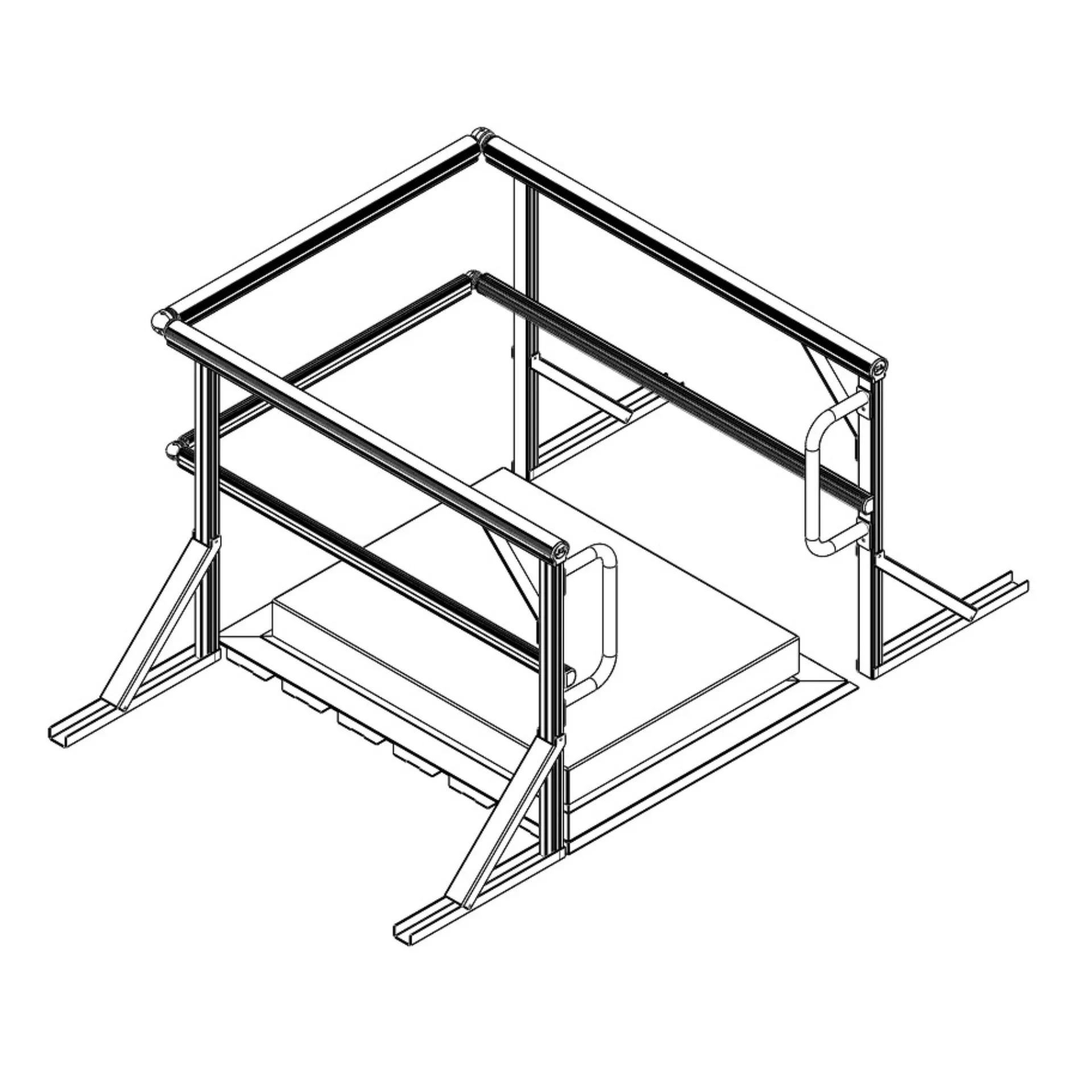
4. Hatch Access
Roof hatches should be designed to provide safe access and egress. They must be equipped with guardrails on three sides and have a landing area that complies with the standard's dimensions. The hatch should open in a manner that does not create additional hazards, and the surrounding area should be free from obstructions.
Implementing AS 1657:2018 in New Buildings
Incorporating the requirements of AS 1657:2018 during the design phase of new buildings ensures that roof access systems are safe and compliant from the outset. Designers should collaborate with structural engineers to integrate fixed platforms, walkways, stairways, and ladders that meet the standard's specifications. Selecting appropriate materials and construction methods is crucial to achieving compliance and ensuring the safety of personnel.
Retrofitting Roof Access Systems in Existing Buildings
For existing buildings, retrofitting roof access systems to comply with AS 1657:2018 may be necessary to enhance safety and meet legal obligations. This process involves assessing the current access systems, identifying areas of non-compliance, and implementing modifications or replacements as needed. Engaging professionals with expertise in height safety and building compliance is essential to ensure that the retrofitting process is carried out effectively and safely.
Regular Maintenance and Inspections
Maintaining roof access systems is vital to ensure their ongoing safety and compliance. Regular inspections should be conducted to identify wear and tear, corrosion, or other issues that could compromise the integrity of the systems. Any defects should be promptly addressed, and maintenance records should be kept to demonstrate compliance with safety regulations.
Conclusion
Designing and maintaining safe roof access systems in accordance with the Roof Access Australian Standards, particularly AS 1657:2018, is essential for the safety of personnel and compliance with legal requirements. Whether in new constructions or existing buildings, adhering to these standards ensures that roof access systems are safe, functional, and compliant. By integrating these standards into the design and maintenance processes, building owners and managers can mitigate risks and promote a culture of safety.
























Sign in to leave a comment.