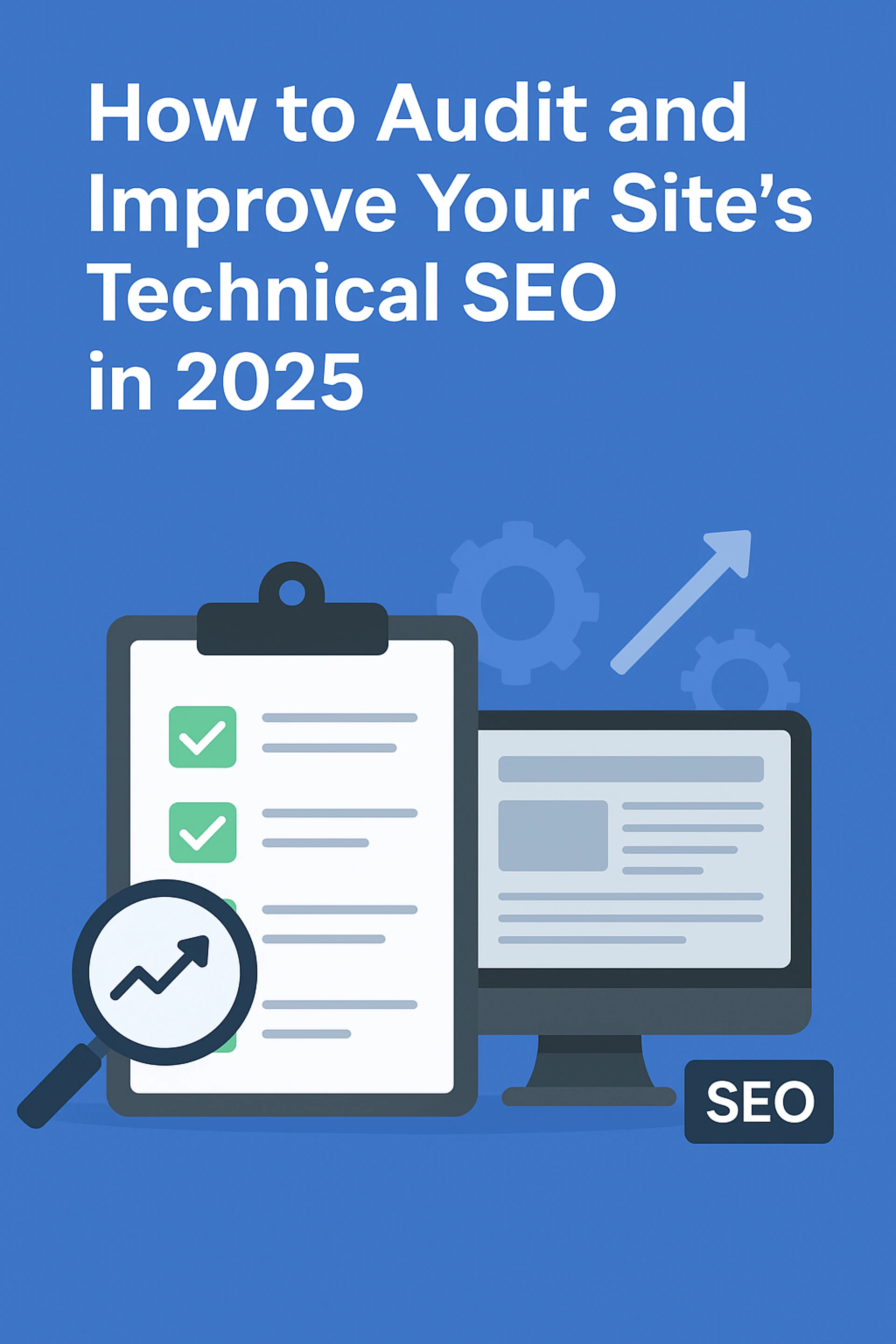

Technical SEO is the foundation that keeps your website visible, fast and easy for search engines to crawl. In 2025, with AI driven search experiences and a stronger focus on user experience, a solid technical audit is not optional. It is essential. Below is a practical, step by step guide that anyone running a site, including businesses and agencies in Vancouver, can follow today.
1. Start with a crawl and indexability check
Use SEO tools like Google Search Console or Screaming Frog to crawl your site and identify crawling issues, redirect problems, broken links and duplicate content. Check which pages Google has indexed and make sure nothing important is missing. Fix errors, streamline redirects, and ensure canonical tags are set correctly so search engines index the right versions of your pages.
2. Make page experience a priority with Core Web Vitals
Google’s Core Web Vitals are key performance signals that measure loading speed, interactivity and visual stability. To improve loading speed, optimize server response times, compress and resize images, and enable efficient browser caching. To avoid layout shifts, set proper size attributes for images, videos and ads. Reducing the impact of heavy scripts also helps users interact faster with your site. Search Console provides a clear report to help you monitor this.
If you operate in a competitive local market like Vancouver, match technical performance improvements with smart content targeting. Fast loading landing pages focused on SEO Vancouver will help you stand out in local search results.
3. Prepare your site for AI driven search results
Google is increasing the use of AI generated results which can impact traditional click patterns. Make your content extremely clear and easy for search engines to understand. Provide direct, accurate answers and structure your content with headings and bullet points so AI can reference it. This helps your pages appear more often in summaries and rich results.
4. Audit structured data and metadata
Use structured data such as JSON LD for articles, products, FAQs, reviews, and local business information. Structured data helps search engines understand your content and increase visibility through rich results. Also make sure each page has a unique title and meta description written for the user’s intent. Avoid duplicates and keyword stuffing. Aim for clarity and helpfulness.
5. Optimize crawl budget and site architecture
A clean and logical site structure improves both user experience and search engine crawling. Organize pages into a clear hierarchy supported by internal links that guide users and search engines to important content. Use an XML sitemap and ensure it only includes pages that should be indexed. Use robots.txt to block only pages that do not need to appear in search results such as staging environments or duplicate pages.
6. Secure hosting and mobile friendly performance
Every modern site must use HTTPS for security and trust. Google prefers secure pages. Mobile friendliness is also critical. Test your site for mobile usability and address issues such as small text, poor tap targets, or missing viewport settings. A quality hosting plan with strong uptime and fast server response improves both performance and user satisfaction.
7. Check JavaScript rendering and dynamic content
Websites that rely heavily on JavaScript must confirm that search engines can render the final version of the page. Use tools that let you compare the raw HTML Google sees with what appears after rendering. Consider using server side rendering or hybrid approaches if important content does not load until after scripts run.
8. Track logs and automate monitoring
Monitor server logs to understand how frequently search engine crawlers visit your key pages. Pages that are rarely crawled might be disconnected internally or lack importance signals. Set up automated alerts for sudden drops in performance, broken links or major indexing changes. Regular checks prevent issues from growing.
9. Prioritize improvements by impact
When fixing technical SEO issues, start with the pages that drive the most traffic or conversions. Improving key product or service pages offers much better results than fixing low priority content. A thoughtful task list with priority levels will keep your SEO work focused on business growth.
10. Collaborate with developers and maintain a changelog
Technical SEO requires collaboration with your development team. Write clear documentation for every fix required and track changes in a shared changelog. This helps measure improvements over time and prevents repeated mistakes. Many local teams provide combined performance and coding support such as web development vancouver services which can be useful when implementing technical updates.
Final thoughts
Technical SEO in 2025 blends traditional performance practices like crawlability and indexing with modern requirements like AI readiness and stronger user experience. Regular audits, structured processes and good communication with developers are the keys to staying ahead of competitors.



























Sign in to leave a comment.