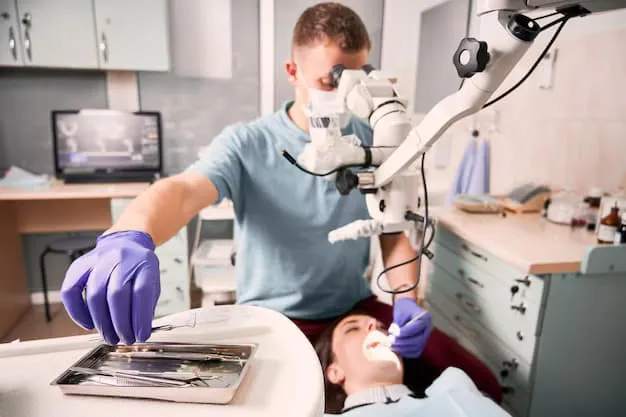

Oral health plays a vital role in overall well being, yet many people only take action when pain or discomfort arises. One of the most commonly feared dental procedures is Root canal treatment, often associated with advanced tooth decay or infection. While this procedure is highly effective in saving damaged teeth, it is usually the result of issues that could have been prevented with proper care. Understanding how to protect teeth and maintain good oral hygiene can significantly reduce the chances of needing such treatments. By adopting consistent habits and staying proactive, individuals can preserve their natural teeth and avoid unnecessary discomfort.
Understanding What Leads to Root Canal Treatment
Tooth Decay and Deep Cavities
Tooth decay is one of the primary reasons individuals require root canal procedures. When cavities are left untreated, bacteria gradually penetrate deeper layers of the tooth. Eventually, the infection reaches the pulp, which contains nerves and blood vessels. At this stage, the tooth becomes painful and highly sensitive. Preventing decay through proper hygiene and regular dental visits can stop this progression early. Addressing cavities in their initial stages helps avoid more serious complications. Maintaining strong enamel is essential in protecting the inner structure of the tooth.
Cracks and Trauma to Teeth
Physical damage to teeth can also lead to infection that requires advanced treatment. Cracks or chips may not always be visible, but they can expose the inner layers of the tooth to bacteria. Even minor injuries can create openings for infection if not treated promptly. Trauma caused by accidents, grinding, or biting hard objects can weaken tooth structure over time. Seeking dental care immediately after an injury can prevent further damage. Protective measures such as wearing mouthguards during sports can reduce the risk of trauma. Early attention to damaged teeth can make a significant difference.
The Importance of Preventive Dental Care
Regular Dental Checkups
Routine dental visits are essential in identifying potential problems before they become serious. Dentists can detect early signs of decay, cracks, or gum issues that may lead to infection. Professional cleanings remove plaque and tartar that cannot be eliminated through brushing alone. Regular checkups also allow for timely intervention and preventive treatments. Consistent monitoring ensures that oral health remains stable. Patients who attend regular appointments are less likely to develop severe dental conditions. Preventive care acts as the first line of defense against complex procedures.
Professional Cleanings and Exams
Professional cleanings go beyond basic hygiene practices performed at home. They help maintain a clean and healthy environment in the mouth. Dental exams provide an opportunity to assess the overall condition of teeth and gums. Early detection of issues allows for simpler and more effective treatments. Cleanings also help prevent gum disease, which can contribute to tooth damage. Maintaining a schedule of regular cleanings supports long term oral health. These visits are an essential part of preventing advanced dental problems.
Building Strong Daily Oral Hygiene Habits
Proper Brushing Techniques
Brushing teeth correctly is one of the most effective ways to prevent dental issues. Using a soft bristled toothbrush and fluoride toothpaste helps remove plaque without damaging enamel. Brushing at least twice a day ensures that food particles and bacteria are eliminated. Paying attention to all surfaces of the teeth is important for thorough cleaning. Gentle, circular motions are recommended to protect gums and enamel. Replacing toothbrushes regularly also contributes to effective cleaning. Consistency in brushing habits is key to maintaining healthy teeth.
The Role of Flossing
Flossing is often overlooked but plays a crucial role in oral hygiene. It helps remove debris and plaque from areas that a toothbrush cannot reach. These spaces between teeth are common sites for decay and infection. Daily flossing reduces the risk of cavities and gum disease. It also helps maintain healthy gums by preventing inflammation. Incorporating flossing into daily routines enhances overall oral health. This simple habit can significantly lower the chances of developing serious dental issues.
Using Mouthwash Effectively
Mouthwash provides an additional layer of protection against bacteria. It helps reduce plaque buildup and freshens breath. Antibacterial mouthwashes can target harmful microbes that contribute to decay. Using mouthwash as part of a daily routine supports overall hygiene efforts. It should not replace brushing or flossing but complement them. Choosing the right type of mouthwash based on individual needs is important. Consistent use can help maintain a clean and healthy mouth.
The Impact of Diet on Dental Health
Limiting Sugary and Acidic Foods
Diet plays a major role in the health of teeth and gums. Sugary foods and drinks provide fuel for bacteria that produce harmful acids. These acids weaken enamel and lead to cavities. Acidic foods can also erode enamel over time, making teeth more vulnerable. Reducing the intake of such foods helps protect tooth structure. Drinking water after meals can help rinse away harmful substances. Being mindful of dietary choices can prevent long term damage.
Choosing Tooth Friendly Foods
A balanced diet supports strong and healthy teeth. Foods rich in calcium and vitamins help strengthen enamel and gums. Dairy products, leafy greens, and nuts are beneficial for oral health. Crunchy fruits and vegetables stimulate saliva production, which helps neutralize acids. Saliva also aids in cleaning the mouth naturally. Including a variety of nutrient rich foods promotes overall health. Making healthier choices contributes to stronger teeth and reduced risk of decay.
Protecting Teeth from Damage
Avoiding Harmful Habits
Certain habits can weaken teeth and increase the risk of infection. Chewing on hard objects such as ice or pens can cause cracks. Using teeth as tools to open packages can also lead to damage. Grinding or clenching teeth puts excessive pressure on them. These habits should be avoided to maintain strong tooth structure. Awareness of these behaviors helps prevent unnecessary harm. Making small changes can have a big impact on dental health.
Using Protective Gear
Protective gear such as mouthguards can prevent injuries during physical activities. Sports related impacts are a common cause of dental trauma. Custom fitted mouthguards provide better protection and comfort. They help absorb shock and reduce the risk of cracks or fractures. Night guards can also be used for individuals who grind their teeth during sleep. These protective measures are effective in preserving tooth integrity. Taking precautions helps avoid situations that may lead to serious dental issues.
Recognizing Early Warning Signs
Tooth Sensitivity and Pain
Sensitivity to hot, cold, or sweet foods can indicate underlying problems. Pain or discomfort should never be ignored, as it may signal decay or infection. Early recognition of these symptoms allows for timely treatment. Addressing issues at this stage can prevent further complications. Regular monitoring of oral health is important in identifying changes. Seeking professional advice when symptoms arise is essential. Prompt action can save teeth and avoid complex procedures.
Swelling and Gum Issues
Swelling, redness, or bleeding in the gums can be signs of infection. Gum disease can progress and affect the supporting structures of teeth. Ignoring these symptoms can lead to serious consequences. Maintaining healthy gums is crucial for overall oral health. Regular dental visits help manage and prevent gum related issues. Proper hygiene practices also play a key role in prevention. Healthy gums provide a strong foundation for teeth.
The Role of Early Treatment
Addressing Cavities Promptly
Treating cavities in their early stages prevents them from spreading deeper into the tooth. Simple fillings can restore the structure and function of the tooth. Delaying treatment allows bacteria to reach the pulp, leading to infection. Early intervention is less invasive and more cost effective. Regular checkups help identify cavities before they worsen. Taking action quickly ensures better outcomes. This approach reduces the likelihood of requiring advanced procedures.
Managing Minor Damage
Small cracks or chips should be treated as soon as they are noticed. Even minor damage can create entry points for bacteria. Dentists can repair these issues using appropriate treatments. Early management prevents the need for more extensive procedures. Ignoring minor problems can lead to complications over time. Maintaining the integrity of teeth is essential for long term health. Timely care helps preserve natural teeth.
Maintaining Long Term Oral Health
Consistency in Care
Consistency is key when it comes to maintaining oral health. Daily hygiene practices combined with regular dental visits create a strong foundation. Skipping routines or neglecting care can lead to problems over time. Staying committed to good habits ensures lasting results. Building a routine that fits into daily life makes it easier to maintain. Long term care requires dedication and awareness. Consistent efforts lead to healthier teeth and gums.
Educating and Staying Informed
Being informed about oral health helps individuals make better decisions. Understanding the causes of dental problems allows for effective prevention. Dentists provide valuable guidance and recommendations tailored to individual needs. Staying updated on best practices ensures optimal care. Education empowers individuals to take control of their oral health. Knowledge plays a significant role in prevention. An informed approach leads to better outcomes.
Conclusion
Avoiding the need for advanced dental procedures requires a proactive and consistent approach to oral care. By maintaining good hygiene, making healthy lifestyle choices, and seeking regular dental checkups, individuals can protect their teeth from damage and infection. Early detection and timely treatment are essential in preventing complications that may lead to more serious conditions. A commitment to daily care and awareness can make a lasting difference in oral health. For those seeking dependable and comprehensive dental support, Martinez & Martinez Family Dental Care continues to provide trusted care focused on long term oral health and prevention.























Sign in to leave a comment.