
Introduction
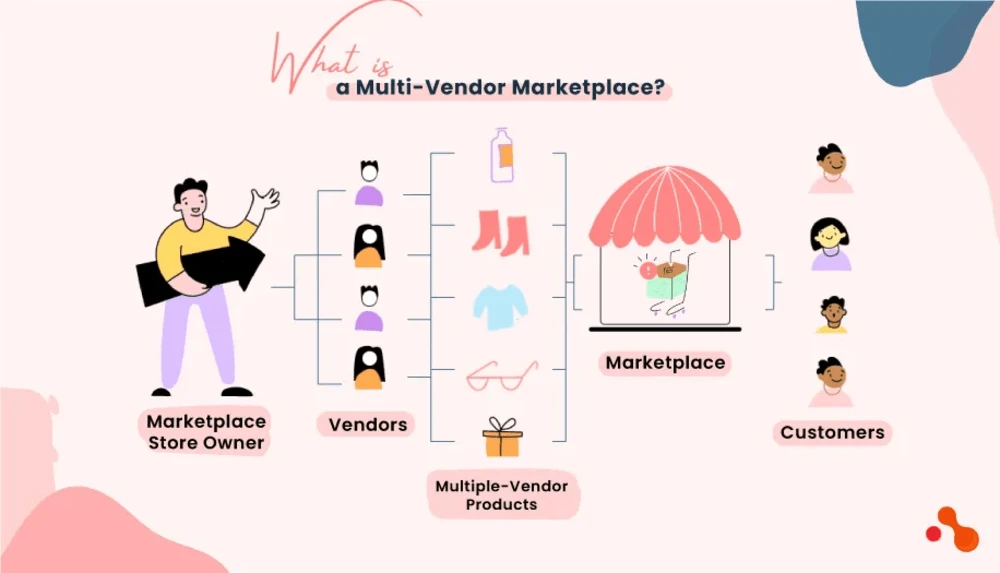
In the digital world, a Multi-Vendor Marketplace is like a bustling online shopping mall where various sellers gather to showcase their products. Imagine Amazon or Etsy – that's the idea! E-commerce Marketplaces, where multiple vendors sell through one platform, are on the rise. Why? Because they bring heaps of benefits! From offering a vast array of products to providing users with a convenient one-stop-shop, building a Multi-Vendor Marketplace is not just a trend; it's a smart business move. Let's explore why diving into this world can be a game-changer!
Planning Your Multi-Vendor Marketplace
When diving into the exciting world of creating your own multi-vendor marketplace, a solid plan is your best friend. Here's a simplified breakdown:
A. Market Research and Analysis
Identifying Niche and Target AudienceDetermine what unique products or services your marketplace will offer.Understand who your ideal customers are to tailor your platform accordingly.Competitor AnalysisInvestigate existing players in your niche.Identify what works well for them and areas where you can stand out.B. Setting Clear Business Goals
Revenue TargetsDefine how much money you aim to make.Break down revenue goals into achievable milestones.User Engagement GoalsOutline how you plan to keep users interested and active.Consider metrics like user registrations, time spent on the platform, and repeat purchases.In essence, know your market, your audience, and where you want your platform to go. This groundwork will be the compass guiding your multi-vendor marketplace journey.
Choosing the Right Platform
Selecting the right platform for your multi-vendor marketplace is crucial for success. Let's break it down:
A. Overview of E-commerce Platforms:
E-commerce platforms are the foundation of your online marketplace.They provide the structure for your website and the tools needed to manage it.B. Comparison of Popular Multi-Vendor Platforms:
Shopify:Beginner-friendly and easy to set up.Hosted solution, meaning they take care of technical details.Extensive app store for additional features.Magento:Highly customizable for larger enterprises.Open-source, offering flexibility in development.Requires more technical expertise.WooCommerce:A WordPress plugin, combining flexibility with user-friendliness.Great for small to medium-sized businesses.Wide range of themes and extensions available.C. Factors to Consider When Selecting a Platform:
Scalability:Ensure the platform can grow with your business.Check if it handles an increasing number of products and users.Customization Options:Evaluate the level of customization needed for your marketplace.Choose a platform that aligns with your design and functionality requirements.Payment Gateway Integration:Seamless and secure payment processing is essential.Confirm that the platform supports popular payment gateways.Consider transaction fees and compatibility with your target audience.Building a User-Friendly Interface
Creating an inviting and easy-to-navigate platform is crucial for the success of your multi-vendor marketplace. Here's a breakdown:
A. Design and Navigation
Intuitive Layout:Craft a simple, user-friendly design.Prioritize a clean and intuitive layout for effortless browsing.Mobile Responsiveness:Ensure your marketplace is mobile-friendly.Optimize the design for seamless experiences on various devices.B. Vendor and Customer Dashboards
Vendor Registration and Onboarding:Simplify the onboarding process for vendors.Streamline registration to get them up and running quickly.Customer Registration and Shopping Experience:Prioritize a hassle-free registration process for customers.Enhance the shopping experience with easy navigation and clear calls to action.Remember, when embarking on this journey, you can consider hire remote developers to bring your vision to life seamlessly. They play a crucial role in translating your design ideas into a user-friendly reality.
Managing Vendor Relationships
Building strong relationships with vendors is crucial for the success of your multi-vendor marketplace. Here's a simplified guide to managing these relationships:
A. Vendor Onboarding Process
Application and ApprovalStreamlined application process for vendors.Quick approval to encourage participation.Vendor TrainingProvide easy-to-follow training modules.Ensure vendors understand the platform's features and policies.B. Vendor Support and Communication
Help Desk and Ticketing SystemImplement a user-friendly help desk.Quick resolution of vendor queries via a ticketing system.Regular Updates and NewslettersKeep vendors informed about platform updates.Send regular newsletters with tips and best practices.By simplifying the onboarding process and maintaining transparent communication, you create an environment where vendors feel supported and engaged, contributing to the overall success of your marketplace. If needed, hire developers or remote developers to enhance these processes.
Implementing Secure Payment Systems
A. Payment Gateway Integration
Select a reliable payment gateway that suits your business needs.Popular options include Stripe, PayPal, and Square.Integrate the chosen payment gateway seamlessly into your marketplace.B. Ensuring Payment Security
SSL CertificatesSecure your website with SSL certificates to encrypt sensitive data.Enhance trust and protect user information during transactions.Compliance with PCI DSSAdhere to Payment Card Industry Data Security Standard (PCI DSS) for secure payment processing.Regularly update and validate compliance to safeguard against data breaches.Implementing Robust Security Measures
In the ever-evolving world of e-commerce, ensuring the safety of user data is paramount. Here's a breakdown of key security measures:
A. User Data Protection
Encrypt sensitive information: Shield user data using robust encryption techniques.Secure login credentials: Implement strong password policies and encourage two-factor authentication.Regular data backups: Safeguard against data loss with routine backups to prevent any unexpected mishaps.B. Fraud Prevention
Implement transaction monitoring: Employ tools that scrutinize transactions for suspicious activities.Set purchase limits: Define thresholds for transactions to automatically flag or halt potential fraudulent activities.Stay updated on fraud trends: Regularly educate your team on the latest fraud tactics to enhance vigilance.C. Regular Security Audits and Updates
Schedule routine audits: Conduct thorough security audits to identify vulnerabilities and address them promptly.Keep software up to date: Regularly update your platform and security software to patch any known vulnerabilities.Hire remote developers: Consider hire remote developers with expertise in cybersecurity to bolster your security efforts.Implementing Robust Security Measures
In the ever-evolving world of e-commerce, ensuring the safety of user data is paramount. Here's a breakdown of key security measures:
A. User Data Protection
Encrypt sensitive information: Shield user data using robust encryption techniques.Secure login credentials: Implement strong password policies and encourage two-factor authentication.Regular data backups: Safeguard against data loss with routine backups to prevent any unexpected mishaps.B. Fraud Prevention
Implement transaction monitoring: Employ tools that scrutinize transactions for suspicious activities.Set purchase limits: Define thresholds for transactions to automatically flag or halt potential fraudulent activities.Stay updated on fraud trends: Regularly educate your team on the latest fraud tactics to enhance vigilance.C. Regular Security Audits and Updates
Schedule routine audits: Conduct thorough security audits to identify vulnerabilities and address them promptly.Keep software up to date: Regularly update your platform and security software to patch any known vulnerabilities.Hire remote developers: Consider hiring remote developers with expertise in cybersecurity to bolster your security efforts.By prioritizing user data protection, implementing fraud prevention measures, and conducting regular security audits, you'll fortify your multi-vendor marketplace against potential threats, ensuring a safe and secure environment for both vendors and customers.
Marketing Your Multi-Vendor Marketplace
In the bustling world of online marketplaces, marketing is your secret sauce to stand out. Here’s a simplified guide:
A. Developing a Marketing Strategy
Social Media MarketingLeverage platforms like Facebook, Instagram, and Twitter.Share engaging vendor stories, promotions, and user testimonials.Encourage user-generated content and interaction.Content MarketingCraft compelling blog posts, product guides, and video content.Educate users about unique vendor offerings.Use storytelling to humanize your marketplace.B. Implementing SEO Best Practices
Optimize product listings with relevant keywords.Ensure your website is mobile-friendly for better search rankings.Regularly update content and product information.C. Customer Loyalty Programs
Introduce loyalty points for purchases and referrals.Offer exclusive discounts or early access to loyal customers.Encourage feedback to enhance user experience.Remember, a well-rounded marketing strategy not only attracts new users but keeps them coming back for more.
Monitoring and Analytics
In the world of your multi-vendor marketplace, keeping an eye on how things are going is crucial. Here's a simplified guide to help you navigate this aspect:
A. Implementing Analytics Tools:
Choose user-friendly tools like Google Analytics.Track website traffic, user behavior, and popular products.B. Monitoring Vendor Performance:
Sales Metrics:Keep tabs on what's selling well and what might need a boost.Analyze peak sales times to plan promotions effectively.Customer Ratings and Reviews:Encourage customers to leave feedback.Regularly check and respond to reviews to show customers you care.Remember, analytics is like your marketplace's compass – it helps you stay on the right track and understand your customers and vendors better.
Legal and Compliance Considerations
Building a multi-vendor marketplace comes with legal responsibilities. Here's a quick rundown:
A. Terms and Conditions
Clearly outline rules for vendors and customers.Include payment terms, dispute resolution, and prohibited activities.Regularly update to reflect any changes in your marketplace.B. Privacy Policy
Explain how user data is collected, used, and protected.Provide opt-in/opt-out choices for users.Comply with data protection laws to build trust.C. Compliance with E-commerce Regulations
Stay informed about local and international e-commerce laws.Ensure adherence to regulations like GDPR or PCI DSS.Seek legal advice to navigate complex compliance issues.Scaling Your Multi-Vendor Marketplace
A. Adding New Features and Functionalities
Regularly update and enhance user interfaces for a better experience.Introduce new search filters and sorting options.Implement a rating and review system for products and vendors.B. Expanding to New Markets
Identify untapped regions or demographics for potential growth.Translate your platform into multiple languages for broader accessibility.Collaborate with local vendors to diversify your product range.C. Handling Increased Traffic and Transactions
Invest in scalable hosting solutions to accommodate more users.Optimize website speed for seamless navigation during peak times.Collaborate with reliable payment gateways to ensure smooth transactions.Conclusion
In wrapping up our guide, let's revisit the essential steps for building your multi-vendor marketplace. First, thorough planning and platform choice are vital. Ensure a user-friendly design, foster strong vendor relationships, and prioritize secure payment systems. Marketing plays a key role, supported by monitoring and legal compliance. Looking ahead, embrace future trends like enhanced AI integration and global expansion. Finally, always encourage continuous improvement—listen to feedback, stay updated, and adapt. With these insights, you're set for a thriving multi-vendor marketplace venture!






























Sign in to leave a comment.