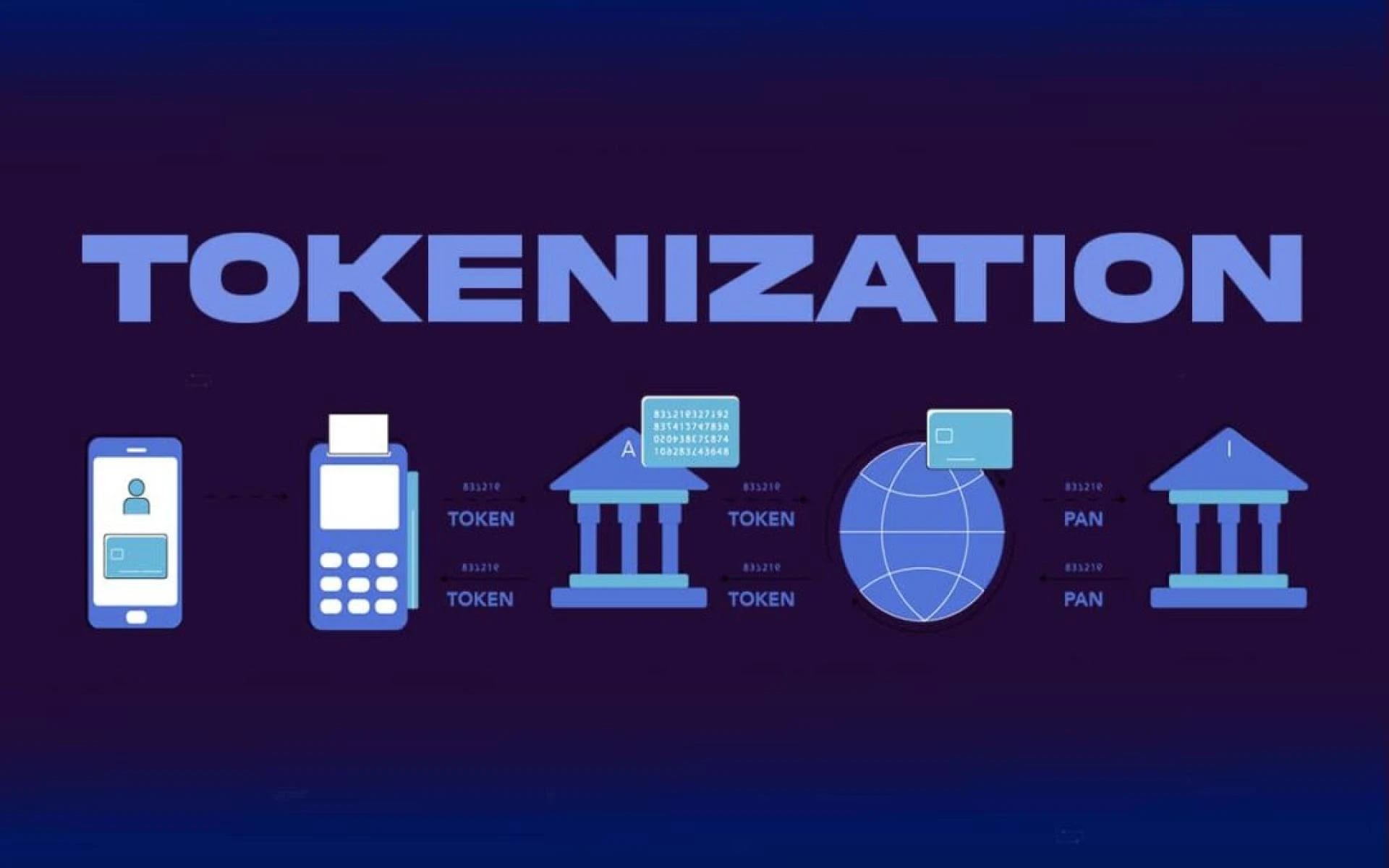

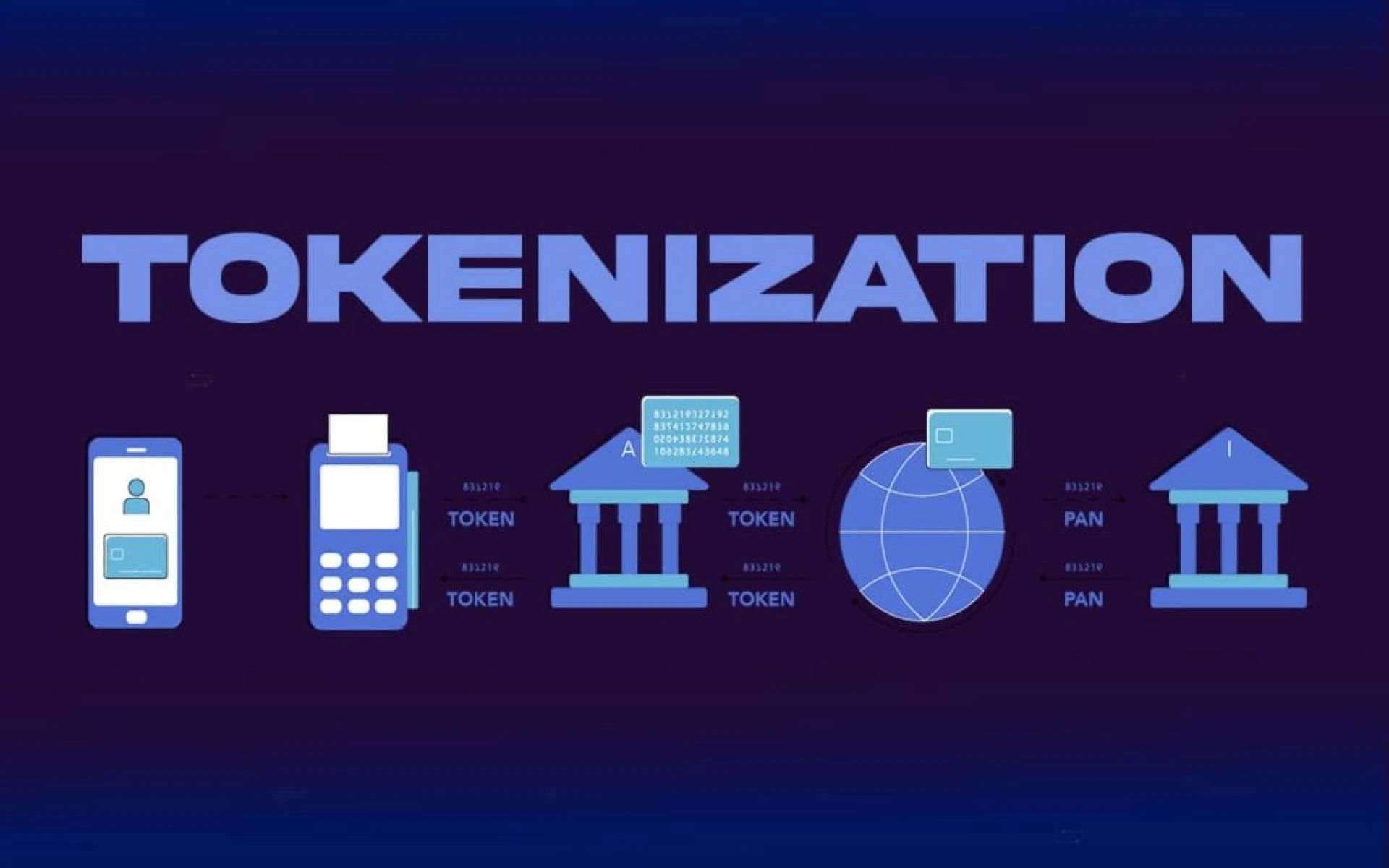
The world of finance is undergoing a rapid transformation driven by blockchain technology and digital assets. Among the most promising innovations in this space is asset tokenization a process that converts real-world assets such as real estate, commodities, art, equities, and intellectual property into digital tokens on a blockchain. As we move into 2026, the demand for tokenization platforms is set to skyrocket, driven by institutional adoption, regulatory advancements, and the increasing global acceptance of decentralized finance (DeFi).
Building an asset tokenization platform in 2026 requires a deep understanding of blockchain infrastructure, legal compliance, and digital asset management. This guide explores everything you need to know about building such a platform from concept development to deployment helping you navigate this complex yet rewarding journey.
Understanding the concept of asset tokenization
Asset tokenization refers to the process of representing ownership rights of a real-world asset in the form of digital tokens recorded on a blockchain. These tokens can represent partial ownership, voting rights, or dividends associated with the underlying asset. For instance, a $10 million property can be divided into 1,000,000 tokens, each representing a $10 stake in the property.
This fractional ownership model democratizes access to investment opportunities that were previously available only to institutional or high-net-worth investors. It also introduces liquidity to traditionally illiquid assets, allowing them to be traded on secondary markets globally. In 2026, asset tokenization is not just a concept; it’s an operational framework that enhances efficiency, transparency, and inclusivity in financial ecosystems.
The importance of asset tokenization in the modern economy
The global economy is shifting toward tokenized finance, where almost every asset can exist in digital form. Tokenization solves several limitations of traditional finance — including restricted liquidity, slow settlement times, and limited accessibility. By leveraging blockchain, it offers immutable record-keeping, faster transactions, and 24/7 market operations.
In 2026, institutional investors and startups alike are recognizing tokenization as a means to unlock new business models. It’s enabling real estate investment platforms to fractionalize properties, allowing artists to tokenize royalties, and helping businesses raise funds through security tokens instead of conventional shares. Moreover, it aligns with the global trend toward digital transformation and decentralized ownership.
Researching the market and defining your niche
Before building your platform, you need to determine which asset class you plan to tokenize. Different asset classes come with distinct technical and regulatory requirements. For example, tokenizing real estate involves property rights management, while tokenizing commodities demands integration with supply chain data.
Conducting thorough market research in 2026 is crucial because the tokenization space is evolving rapidly. You should analyze competitors, identify your target audience, and understand the latest regulatory frameworks in different jurisdictions. Defining a niche — such as luxury assets, art, or renewable energy projects — can give your platform a strong identity and help attract specialized investors.
Choosing the right blockchain for tokenization
The choice of blockchain technology is one of the most critical steps in building an asset tokenization platform. Public blockchains like Ethereum, Solana, and Avalanche offer flexibility, high liquidity, and a vast ecosystem of tools. However, they may face scalability and gas fee challenges. On the other hand, private or permissioned blockchains such as Hyperledger Fabric or Corda provide more control and privacy but limit interoperability.
In 2026, hybrid blockchain solutions are becoming increasingly popular, allowing platforms to combine the transparency of public chains with the security and compliance of private networks. When choosing a blockchain, consider factors such as transaction speed, security, scalability, interoperability, and compliance compatibility. You should also evaluate whether the blockchain supports token standards like ERC-1400 or ERC-3643, which are specifically designed for security tokens.
Designing the architecture of your tokenization platform
A robust architecture ensures seamless performance, scalability, and security. The core components of a tokenization platform include the user interface, tokenization engine, compliance module, wallet integration, trading mechanism, and admin dashboard. Each of these layers must interact efficiently to create a smooth user experience.
The tokenization engine manages the creation, issuance, and lifecycle of digital tokens. It connects with smart contracts that define ownership rules and transfer permissions. The compliance module ensures that every transaction adheres to KYC/AML requirements, while the trading layer facilitates liquidity by allowing users to buy, sell, or exchange tokens. Finally, the admin panel provides control over system monitoring, reporting, and asset management.
Developing smart contracts for asset representation
Smart contracts serve as the backbone of asset tokenization. These self-executing programs automatically enforce rules and transactions without the need for intermediaries. For each asset type, you’ll need to develop customized smart contracts that define ownership, transferability, dividends, and buyback conditions.
When developing smart contracts in 2026, ensure they are auditable, secure, and compatible with regulatory standards. Using frameworks like OpenZeppelin or Truffle can simplify the development and testing process. Smart contracts must also include provisions for token burning, minting, and freezing to align with evolving compliance requirements.
Integrating compliance and legal frameworks
Legal compliance is one of the most complex yet vital aspects of building an asset tokenization platform. Since tokenized assets often fall under securities laws, ensuring that your platform complies with local and international regulations is mandatory. This involves integrating KYC (Know Your Customer) and AML (Anti-Money Laundering) processes, investor accreditation verification, and jurisdiction-based restrictions.
In 2026, governments and regulatory authorities have made significant progress in defining the legal status of tokenized assets. Frameworks like the European MiCA (Markets in Crypto-Assets Regulation) and the US SEC’s token guidelines provide clearer directions for compliance. Partnering with legal advisors and regulatory experts can help your platform operate smoothly while maintaining investor trust.
Building a secure and user-friendly interface
The user interface (UI) plays a major role in user adoption. An intuitive, clean, and secure UI helps users navigate the platform effortlessly while maintaining confidence in their transactions. The design should include dashboards for asset owners, investors, and administrators, each offering relevant analytics and management tools.
In addition to usability, cybersecurity is paramount. Multi-factor authentication, data encryption, and secure API connections should be standard features. In 2026, decentralized identity verification and biometric authentication are also gaining traction for enhancing security and privacy.
Enabling multi-asset tokenization and interoperability
A successful tokenization platform should support multiple asset types, such as real estate, bonds, equities, and collectibles. By enabling multi-asset tokenization, you can attract a diverse investor base and expand your market reach.
Interoperability is another crucial factor. In 2026, cross-chain bridges and Layer-2 scaling solutions have become essential to facilitate seamless transfers between different blockchain networks. Supporting interoperability standards like Polkadot or Cosmos SDK ensures that your tokens can function across ecosystems, increasing liquidity and accessibility.
Incorporating token standards and protocols
Token standards define how digital assets behave within a blockchain ecosystem. Choosing the right standard determines compatibility and scalability. For example, ERC-20 is widely used for fungible tokens, while ERC-721 and ERC-1155 serve non-fungible and semi-fungible assets, respectively.
For security tokens, specialized standards like ERC-1400, ERC-3643, and BEP-1400 offer compliance features and improved governance. Adopting these standards ensures that your platform can integrate easily with exchanges, wallets, and DeFi protocols. In 2026, adopting interoperable standards also future-proofs your system against evolving technological landscapes.
Integrating payment gateways and fiat on-ramps
Your platform must allow users to seamlessly buy and sell tokens using both cryptocurrencies and fiat currencies. Integrating payment gateways and fiat on-ramps ensures accessibility for global users who may not be familiar with crypto trading.
By 2026, popular providers like MoonPay, Ramp, and Transak have made it easier to embed secure fiat-crypto conversion APIs. Additionally, implementing stablecoin support (such as USDC or EUROC) enhances transaction stability and minimizes volatility risks.
Implementing liquidity mechanisms and secondary trading
Liquidity is essential for the success of any tokenized asset. A robust secondary market allows investors to trade tokens, enhancing the overall value proposition of your platform. Building an in-house marketplace or integrating with decentralized exchanges (DEXs) can facilitate liquidity.
You can also explore automated market maker (AMM) models or liquidity pools to encourage trading activity. Some platforms in 2026 are experimenting with hybrid liquidity systems that combine centralized order books with decentralized pools, ensuring both transparency and efficiency.
Testing, auditing, and security validation
Before launching your platform, rigorous testing is vital. This includes functionality tests, stress tests, and smart contract audits. Engaging independent blockchain auditing firms ensures that your platform’s smart contracts are free from vulnerabilities and comply with industry standards.
Cybersecurity measures should also include penetration testing, bug bounty programs, and real-time monitoring. The reputation of a tokenization platform depends heavily on its security, and a single breach can severely damage investor trust.
Launching and promoting your tokenization platform
Once the platform is technically ready and legally compliant, you can move on to the launch phase. A soft launch or beta testing period helps identify potential issues and gather user feedback before the public rollout.
Marketing your platform effectively is equally important. In 2026, digital marketing strategies rely heavily on Web3 tools such as decentralized ad networks, community-driven campaigns, and token-based incentive models. Collaborating with crypto influencers, hosting webinars, and leveraging PR in blockchain media can help build brand visibility and attract early adopters.
Ensuring continuous maintenance and updates
Post-launch maintenance ensures that your platform remains functional, secure, and compliant with emerging regulations. Regular updates should address bugs, improve features, and adapt to technological innovations such as Layer-2 scalability and zero-knowledge proofs.
As blockchain standards evolve rapidly, ensuring continuous integration with new frameworks is crucial. Establishing a dedicated technical support and compliance team helps maintain operational excellence.
Future trends shaping asset tokenization platforms in 2026
As we move deeper into 2026, several trends are reshaping the tokenization landscape. Artificial intelligence integration is helping platforms automate compliance checks and fraud detection. Decentralized autonomous organizations (DAOs) are influencing how tokenized assets are governed. Moreover, DeFi integration is enabling collateralized lending using tokenized real-world assets.
The rise of Central Bank Digital Currencies (CBDCs) will further streamline fiat settlements, enhancing interoperability between traditional finance and blockchain ecosystems. Sustainability-focused tokenization — such as carbon credits and renewable energy certificates — is also gaining traction, aligning blockchain with global ESG goals.
Partnering with a professional tokenization development company
Building an asset tokenization platform from scratch can be technically and legally challenging. Partnering with an experienced blockchain development company can help you accelerate the process. Companies like Blockchain App Factory are pioneers in providing end-to-end tokenization solutions, covering architecture design, smart contract development, compliance integration, and post-launch support.
By leveraging their expertise, businesses can ensure their platforms are future-ready, compliant, and scalable for global operations. Choosing a reliable development partner saves time, reduces risks, and ensures a seamless transition from concept to execution.
Conclusion
Building an asset tokenization platform in 2026 is one of the most promising ventures in the evolving world of digital finance. As blockchain technology continues to mature, tokenization offers unprecedented opportunities for businesses, investors, and innovators alike. From real estate to intellectual property, tokenizing assets not only democratizes ownership but also injects liquidity, transparency, and efficiency into global markets.
By carefully researching your niche, choosing the right blockchain, ensuring compliance, and prioritizing security, you can develop a successful tokenization platform that stands out in this competitive landscape. As we step into a future defined by decentralized ownership and global digital economies, asset tokenization will be at the core of financial transformation shaping how the world perceives and manages value.


























Sign in to leave a comment.