
The world of finance is undergoing a monumental transformation as tokenized assets continue to gain momentum in 2026. These digital representations of real-world assets ranging from real estate and commodities to equities and intellectual property are redefining how ownership, liquidity, and accessibility function in global markets. However, this technological shift comes hand in hand with evolving global regulatory frameworks. Around the world, governments and financial institutions are now working to create balanced regulations that support innovation while protecting investors and maintaining market stability.
This blog explores how global regulatory frameworks are shaping tokenized assets in 2026, analyzing the trends, challenges, and opportunities that lie ahead.
Understanding Tokenized Assets and Their Global Impact
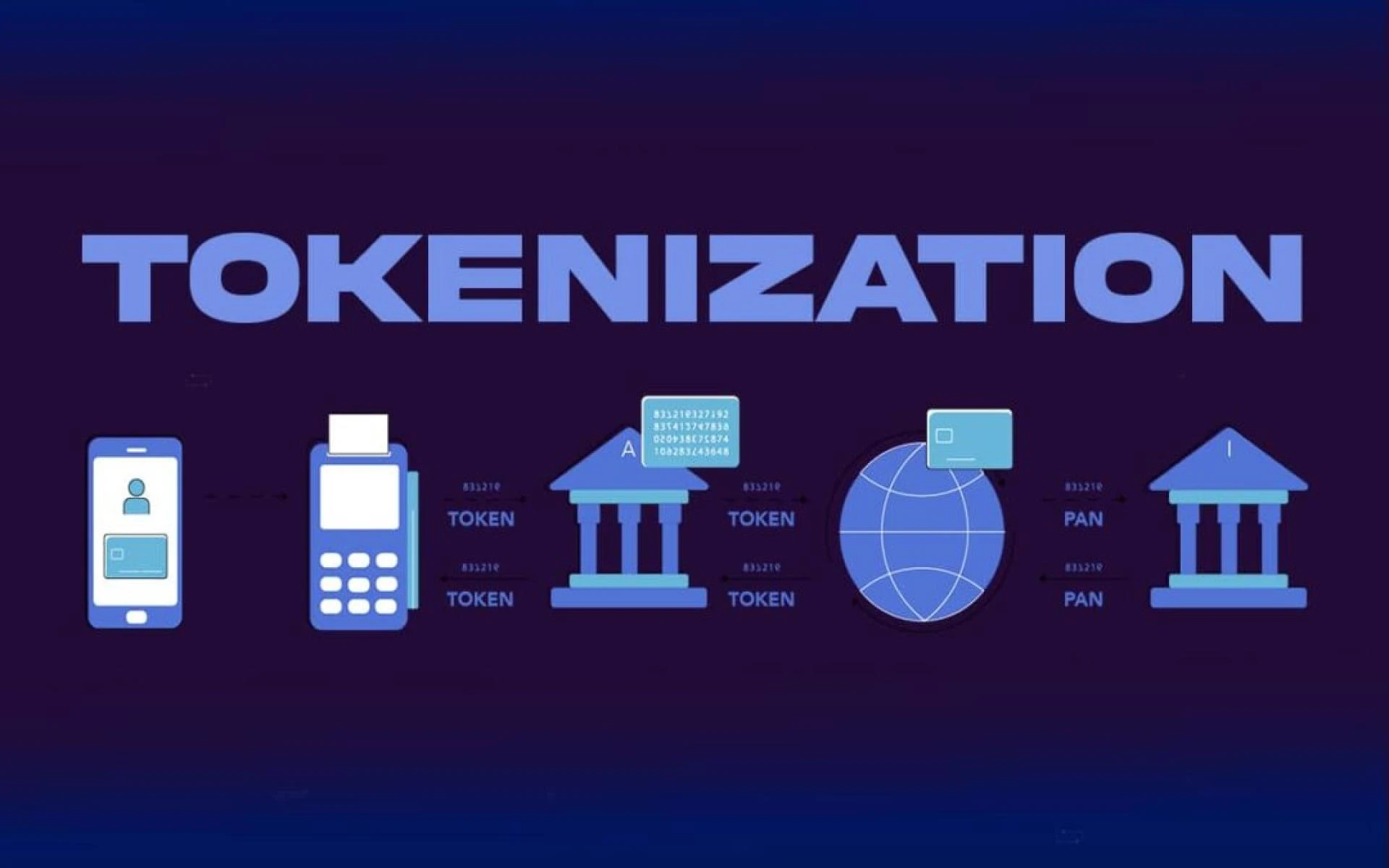
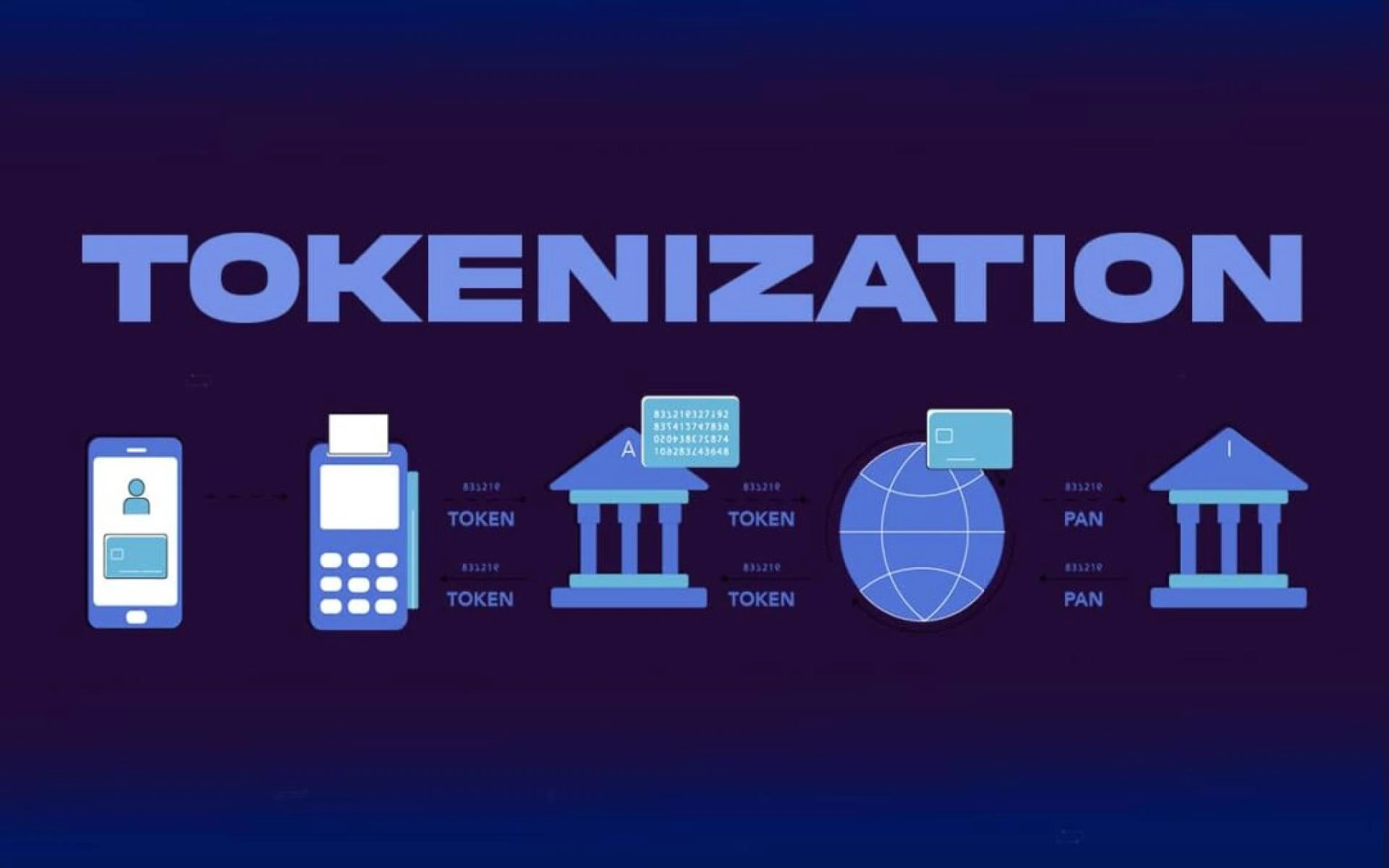
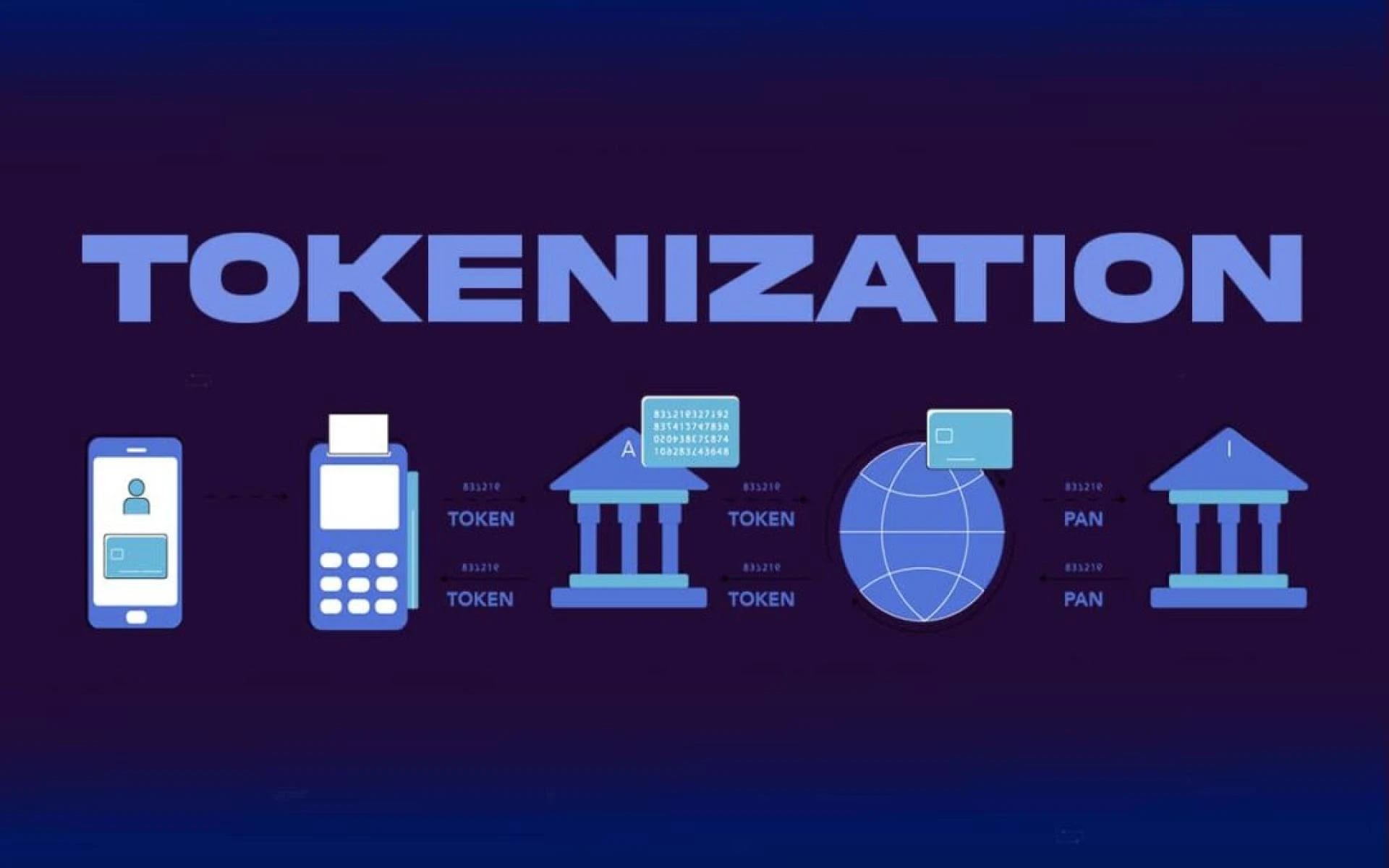
Tokenized assets refer to the process of representing physical or traditional financial assets as digital tokens on a blockchain. This innovation introduces a new era of fractional ownership, enabling investors to buy and trade portions of assets that were once restricted to institutional players. For example, tokenizing a piece of real estate allows investors to own fractions of it without requiring massive capital investment.
Globally, tokenization has made financial systems more inclusive. It bridges gaps between traditional finance and decentralized systems, providing seamless liquidity, transparency, and cross-border accessibility. As these benefits attract mainstream attention, regulators have stepped in to establish frameworks that ensure investor protection while encouraging responsible adoption.
The Evolution of Tokenization Regulations
The early days of tokenization were marked by uncertainty. Many jurisdictions lacked clear policies, leading to confusion among investors and developers. By 2026, however, regulatory evolution has caught up with innovation. Governments across major economies such as the United States, European Union, Singapore, and the UAE have introduced comprehensive guidelines governing the issuance, trading, and custody of tokenized assets.
These regulations address key concerns, including anti-money laundering (AML), know-your-customer (KYC) compliance, taxation, and investor rights. The goal is to standardize practices across markets and prevent misuse while fostering growth in token-based financial ecosystems. Such clarity has boosted institutional participation and paved the way for large-scale adoption.
United States: The SEC’s Refined Approach to Tokenization
In the United States, the Securities and Exchange Commission (SEC) continues to play a pivotal role in defining the regulatory landscape for tokenized assets. Initially cautious, the SEC’s stance in 2026 has evolved into a more collaborative and technology-friendly approach. The agency now differentiates between security tokens and utility tokens more clearly, allowing legitimate projects to operate without fear of regulatory overreach.
The U.S. regulatory environment emphasizes investor protection through mandatory disclosures, audit trails, and transparent governance models. Furthermore, pilot programs led by the Commodity Futures Trading Commission (CFTC) have enabled the tokenization of commodities and derivatives, showing how blockchain can complement existing market structures rather than disrupt them entirely.
European Union: The Role of MiCA and Beyond
The European Union’s Markets in Crypto-Assets (MiCA) framework has become a cornerstone in shaping tokenized asset regulation. In 2026, MiCA is now fully implemented, offering clear licensing requirements for crypto-asset service providers and detailed provisions for asset-backed tokens.
MiCA’s success lies in its ability to harmonize regulations across member states. Tokenized assets issued under EU jurisdiction benefit from a “passporting” system that allows them to be traded across all EU nations. This consistency has turned Europe into a thriving hub for tokenization projects, particularly in the real estate, green energy, and digital securities sectors.
Asia’s Leadership in Tokenized Asset Innovation
Asia has become a powerhouse in tokenized asset development, driven by countries like Singapore, Japan, and South Korea. Singapore, under the Monetary Authority of Singapore (MAS), has established one of the world’s most forward-thinking frameworks. The MAS actively collaborates with blockchain firms to pilot tokenization initiatives while enforcing strong compliance standards.
Japan’s Financial Services Agency (FSA) has also played a major role in integrating digital assets into its financial ecosystem. By enforcing strict registration and custodial requirements, Japan ensures investor security without hindering innovation. Meanwhile, South Korea focuses heavily on AML standards, ensuring transparency in all blockchain-based transactions. Together, these nations have turned Asia into a model for balanced and innovation-friendly regulation.
The Middle East: A Regulatory Haven for Tokenized Finance
In the Middle East, the United Arab Emirates (UAE) has taken a leadership role in building a blockchain-friendly economy. The Abu Dhabi Global Market (ADGM) and the Dubai Virtual Assets Regulatory Authority (VARA) have both released specialized frameworks for tokenized securities, NFTs, and digital commodities.
By 2026, the UAE’s proactive stance has attracted a wave of global fintech and blockchain startups. These regulatory sandboxes encourage experimentation while maintaining strong oversight. The region’s emphasis on regulatory clarity and tax incentives has made it one of the most desirable destinations for tokenized asset projects.
Balancing Innovation with Compliance
The biggest challenge in regulating tokenized assets lies in balancing innovation with compliance. Overregulation can stifle creativity, while lax oversight invites fraud and instability. The global trend in 2026 reflects a middle ground where frameworks focus on risk management, transparency, and investor confidence without hampering technological progress.
For instance, regulators are now adopting blockchain analytics tools to monitor suspicious transactions, promoting a cooperative environment between tech innovators and policymakers. This shift represents a recognition that innovation and compliance can coexist when guided by mutual understanding.
The Role of Central Bank Digital Currencies (CBDCs) in Tokenized Economies
Central Bank Digital Currencies (CBDCs) have become a vital part of the global tokenization landscape. As countries like China, the U.S., and India roll out digital currencies, the interoperability between CBDCs and tokenized assets is reshaping financial infrastructure.
In 2026, CBDCs are being integrated with blockchain networks to facilitate instant settlements and cross-border payments. Regulatory bodies are exploring how tokenized assets can operate within these new digital payment systems, creating a unified global financial framework that blends traditional monetary systems with decentralized assets.
Taxation and Legal Recognition of Tokenized Assets
Taxation remains one of the most complex aspects of tokenized asset regulation. Different countries approach this issue differently some treat tokens as securities, others as property, and some as hybrid instruments. In 2026, international efforts are being made to standardize how tokenized assets are classified and taxed.
Legal recognition is equally important. Tokenized real estate, for example, must comply with property laws in multiple jurisdictions. To address this, governments are introducing digital ownership registries that validate blockchain-based asset records as legally binding. Such recognition is critical for mainstream adoption, as it gives tokenized assets legitimacy in traditional finance systems.
Institutional Adoption and Compliance Standards
Institutional investors are now entering the tokenized asset market at scale. In 2026, banks, hedge funds, and asset managers are launching blockchain-powered funds backed by tokenized securities. However, their participation depends heavily on regulatory assurance.
Frameworks now mandate comprehensive due diligence, third-party audits, and compliance certifications for token issuers and custodians. These measures protect investors and ensure that institutions can engage with tokenized assets safely. As compliance technology (RegTech) advances, managing complex regulatory requirements becomes more efficient, paving the way for large-scale adoption.
Cross-Border Regulatory Harmonization
A major step toward the future of tokenized finance is global harmonization. Disjointed regulatory systems previously limited cross-border transactions and token interoperability. In 2026, international organizations like the Financial Stability Board (FSB) and the International Organization of Securities Commissions (IOSCO) are coordinating global efforts to align digital asset policies.
These efforts promote standardized frameworks that define asset classification, AML protocols, and investor protection measures across multiple jurisdictions. The long-term goal is to create a globally compatible regulatory ecosystem that allows tokenized assets to move seamlessly between markets.
Challenges in Global Tokenization Regulation
Despite progress, challenges remain. Jurisdictional conflicts, inconsistent enforcement, and technological limitations still hinder the full realization of tokenized finance. Some regulators remain skeptical due to risks associated with anonymity, market volatility, and cybersecurity threats.
Additionally, privacy concerns linked to on-chain data tracking raise debates about the balance between surveillance and individual rights. Regulators must continue adapting frameworks to address these evolving issues without compromising the transparency that blockchain provides.
The Rise of Decentralized Compliance Models
In 2026, decentralized compliance models are emerging as a response to growing regulatory complexity. These systems integrate smart contracts and AI-driven tools to enforce compliance automatically. For example, on-chain KYC modules verify user identity before transactions occur, eliminating manual intervention.
Such models align perfectly with the decentralized nature of tokenized assets, offering scalable, transparent, and cost-efficient compliance. As blockchain governance evolves, decentralized compliance may become a global standard for ensuring accountability and trust.
Future Outlook: Toward a Tokenized Global Economy
The convergence of blockchain, AI, and regulatory innovation is leading toward a fully tokenized global economy. By 2030, experts predict that trillions of dollars in assets will exist as blockchain-based tokens. The regulatory frameworks being developed today in 2026 are laying the foundation for this transformation.
Governments are realizing that tokenization is not merely a trend it is the future of finance. The next phase will likely focus on interoperability between digital assets, integration with CBDCs, and real-time compliance automation. These advancements will make tokenized finance more accessible, secure, and globally connected.
Conclusion
In 2026, global regulatory frameworks are no longer resisting tokenization they are shaping it. Through a balanced approach of innovation and oversight, regulators worldwide are helping build a more transparent, inclusive, and efficient financial system. Tokenized assets are breaking barriers between traditional and digital finance, offering unprecedented opportunities for investors, businesses, and governments alike. As regulatory clarity continues to expand, tokenization is set to redefine global finance. The future belongs to those who understand that innovation and compliance are not opposites but partners driving a new era of digital asset growth and trust.

































Sign in to leave a comment.