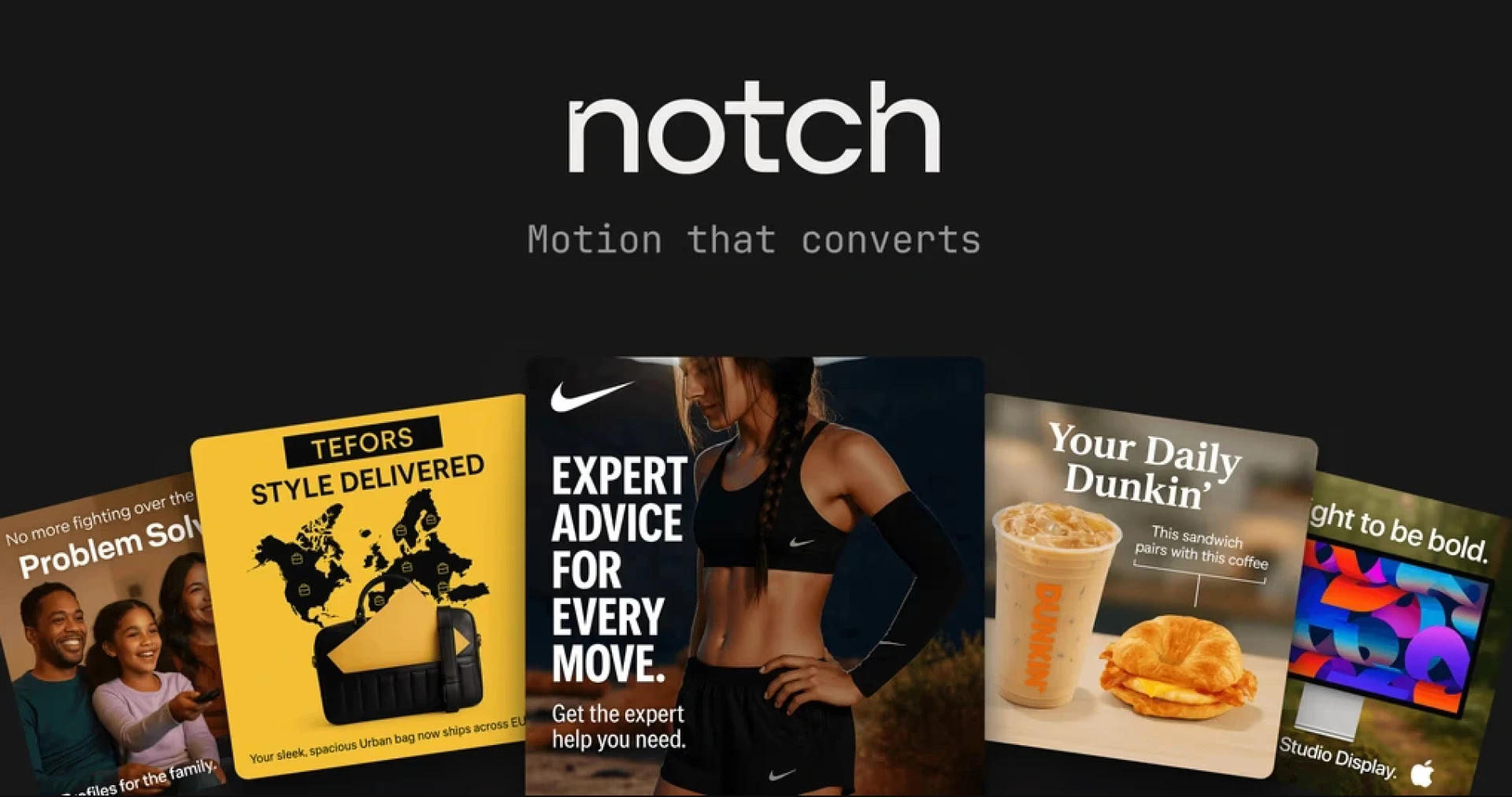

Dropshipping UGC ads still work in 2026 but the way they’re created has changed completely.
Traditional creator-based UGC is no longer fast, reliable, or scalable enough for modern dropshipping. Finding creators takes time. Paying for videos doesn’t guarantee performance. And by the time content is delivered, competitors have already tested ten new angles.
AI has changed that.
Not by replacing what makes UGC effective — but by removing the friction that made it slow and expensive.
When used correctly, AI can produce UGC-style video ads that feel natural, believable, and human while allowing you to test and scale at a speed that creators simply can’t match.
This guide breaks down how to build high-performing AI-powered UGC ads by focusing on:
- Psychology (why people trust UGC)
- Realism (why most AI ads fail)
- Systems (how to scale without burning money)
Not shortcuts. Not gimmicks. Systems that work.
Why UGC Ads Still Dominate Dropshipping in 2026
Despite new platforms, formats, and algorithms, one thing hasn’t changed:
UGC ads still outperform most polished brand creatives.
Not because they look better — but because they feel different.
UGC works because it bypasses the brain’s “ad filter.”
A polished ad triggers skepticism.
A casual, human-style video feels like a recommendation.
That distinction matters even more in dropshipping, where:
- The brand is unfamiliar
- The product is being discovered for the first time
- Trust must be built in seconds
UGC ads succeed because they feel like real experiences, not sales pitches.
Why Dropshipping Depends on UGC More Than Big Brands
Big brands can rely on reputation.
Dropshippers can’t.
When someone sees a product from a brand they’ve never heard of, their brain immediately asks:
“Why should I trust this?”
UGC answers that question without saying it directly.
It signals:
- Someone else tried this
- It worked for them
- It’s safe to consider
That psychological shortcut is why UGC still converts better than traditional ads and why it matters even more in 2026.
Real UGC vs. Effective UGC
Here’s the distinction most people miss:
UGC doesn’t work because it’s real.
UGC works because it feels real.
A video doesn’t need a real creator behind it.
It needs to:
- Sound natural
- Look believable
- Follow human speech patterns
- Avoid obvious “ad” behavior
If those conditions are met, performance follows — regardless of whether a human or AI created it.
This is why AI-generated UGC can outperform creator content when realism is done right.
The Real Problem With Traditional UGC in 2026
Creator-based UGC helped scale dropshipping for years — but the model is breaking.
1. It’s Too Slow
Dropshipping is built on testing speed.
Creators introduce delays at every step:
- Outreach
- Negotiation
- Filming
- Revisions
By the time content is delivered, the market may have already moved on.
2. Cost Doesn’t Equal Performance
A $300 video can fail just as easily as a $30 test.
But creator workflows force you to pay before you know if the idea works — which is the opposite of how performance marketing should operate.
3. Inconsistency Kills Scaling
Every creator brings:
- A different tone
- A different look
- A different energy
That inconsistency makes it harder to build recognition and harder to scale winners.
4. 2026 Made This Worse
Three things amplify the problem:
- More competition
- Shorter attention spans
- Faster creative burnout
Traditional UGC workflows simply can’t keep up.
How AI Changed UGC Ads Completely
AI didn’t make UGC work.
UGC already worked.
What AI changed was speed, control, and iteration.
AI Removes Bottlenecks — Not Psychology
AI doesn’t replace human behavior.
It replaces the slow parts:
- Waiting on creators
- Paying upfront for untested ideas
- Repeating manual processes
- Losing momentum between tests
The psychology stays the same.
The execution becomes faster.
Why Realism Matters More Than “Real People”
Here’s the shift most people don’t understand:
UGC ads don’t need real people.
They need believable people.
Viewers subconsciously ask:
- Does this sound natural?
- Does this feel unscripted?
- Does this look like real usage?
- Does this feel like a recommendation?
If the answer is yes, the ad works.
That’s why AI UGC often outperforms creator content — when realism is prioritized over novelty.
AI Lets You Test Psychology, Not Personalities
Creators introduce variables you can’t control.
AI removes them.
With AI, you can:
- Keep delivery consistent
- Test one hook at a time
- Change only the angle or objection
- Identify what actually converts
This turns UGC from guesswork into a system.
And systems scale.
The 3-Phase System for AI-Powered UGC Ads
High-performing UGC ads follow a simple structure:
- Research what already works
- Write scripts that feel discovered, not written
- Generate videos that feel human
Skip any step and performance drops.
Phase 1: Research What Already Converts
AI only works when you give it direction.
Without research, it just generates noise faster.
Step 1: Study Proven Brands
Look for brands that:
- Have been advertising for months
- Appear repeatedly in ad libraries
- Sell similar products
Longevity = proof.
Step 2: Study Ad Longevity
Ignore visuals at first.
Focus on:
- How the hook starts
- When the product appears
- What objection is addressed first
- How the CTA is framed
Long-running ads are never accidental.
Step 3: Study Organic Virality
Paid ads show what converts.
Organic content shows what resonates.
High engagement = emotional alignment.
That matters more than polish.
Phase 2: Writing UGC Scripts That Convert
Great UGC scripts don’t feel written.
They feel discovered.
What Bad Scripts Do
- Explain too much
- Sound confident too early
- List benefits
- Feel like ads
What Good Scripts Do
- Start with friction or curiosity
- Reveal the product naturally
- Focus on one idea
- Sound conversational
The Key Rule
Write like someone thinking out loud — not selling.
Use AI to Rewrite, Not Invent
Don’t ask AI to “write a UGC script.”
Instead:
- Feed it proven structures
- Ask it to rewrite in new words
- Focus on one pain point at a time
This produces variation without losing psychology.
Phase 3: Creating Realistic UGC Videos With AI
This is where most people fail.
Not because of quality — but because of feel.
Realism Beats Production Value
Viewers don’t care about:
- Cinematic lighting
- Perfect framing
- Studio-quality visuals
They care about authenticity.
Choose Believable Faces
Avoid:
- Model-like appearances
- Over-polished looks
- Influencer aesthetics
Use faces that look relatable and ordinary.
Make Product Interaction Casual
Real people don’t present products.
They use them while talking.
That’s what you should replicate.
Voice Matters More Than Visuals
Bad voice delivery kills trust instantly.
Good UGC voices:
- Pause naturally
- Speak imperfectly
- Sound conversational
- Avoid sales tone
Slight imperfection = higher trust.
Keep Scenes Simple
One location.
Minimal movement.
Natural pacing.
Complexity reduces believability.
Keep Branding Subtle
UGC doesn’t mean unbranded.
Use:
- Consistent color tones
- Similar framing
- Repeated visual patterns
Familiarity builds trust over time.
Common AI UGC Mistakes to Avoid
❌ Treating AI like a shortcut
❌ Writing scripts like ads
❌ Using overly perfect actors
❌ Changing everything at once
❌ Ignoring consistency
These mistakes don’t just hurt performance — they kill trust.
When AI UGC Outperforms Human Creators
AI wins when:
- You need speed
- You’re testing new products
- You need volume
- Budgets are limited
- You’re validating demand
Humans win when:
- Emotional storytelling is critical
- Brand trust is already established
- A personal story is the hook
The best dropshipping brands use both.
AI for speed.
Humans for depth.
Final Thought
In 2026, winning dropshippers don’t ask:
“Should I use AI or creators?”
They ask:
“Where does AI give me leverage, and where do humans add depth?”
UGC isn’t dying.
It’s evolving.
And the brands that understand this shift will dominate the next wave of dropshipping.

























Sign in to leave a comment.