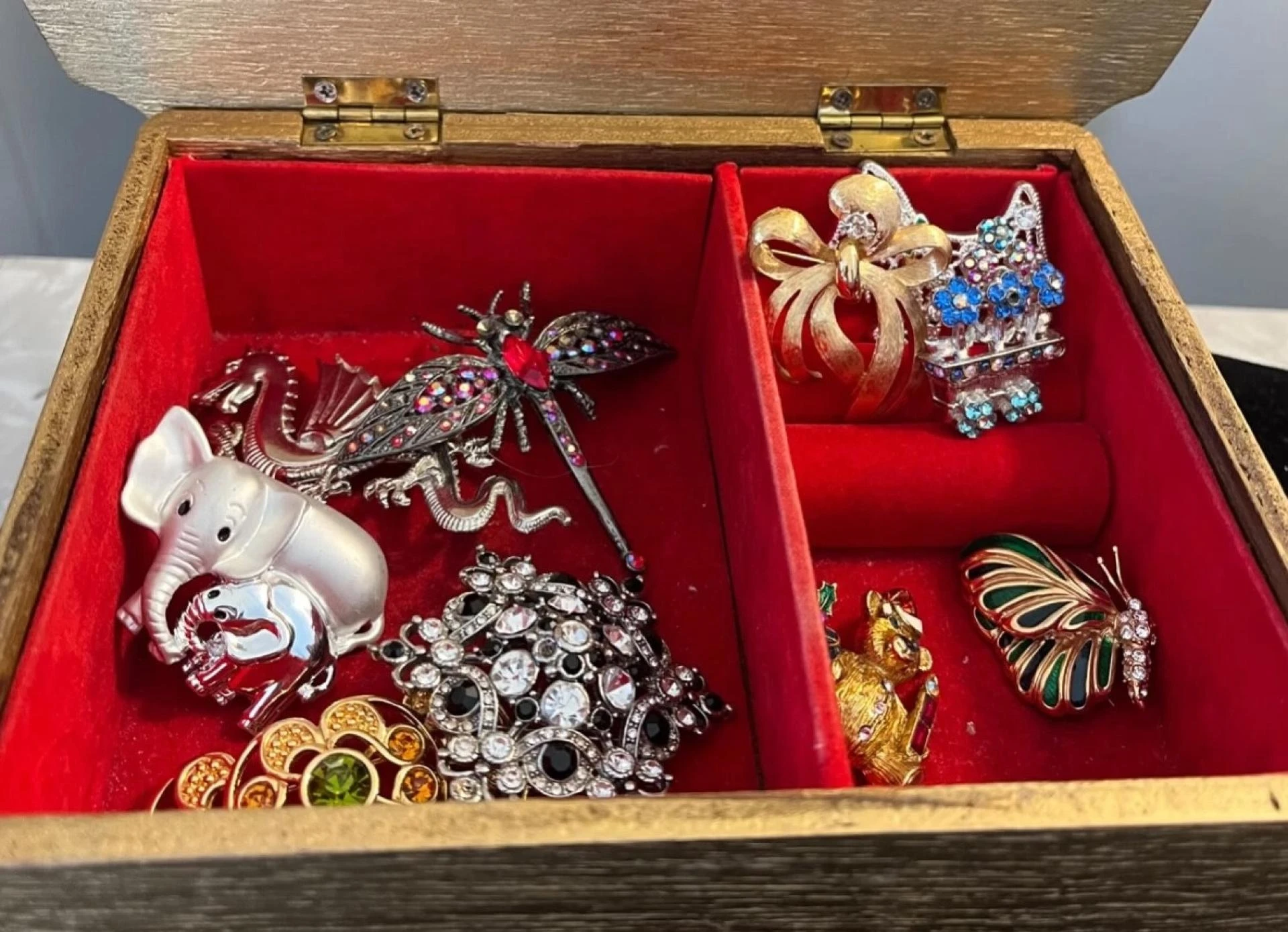
There's something magical about opening a box filled with vintage jewelry treasures, not knowing exactly what gems you'll discover inside. For collectors who love the thrill of the hunt combined with smart purchasing strategies, buying vintage jewelry lots offers an exciting and often budget-friendly way to build an impressive collection. Whether you're just starting out or you're a seasoned collector looking to expand your holdings, understanding how to evaluate and purchase jewelry lots can transform your collecting experience.
Buying in bulk might seem overwhelming at first, but it's actually one of the smartest strategies in the vintage jewelry world. You'll find pieces you never knew you wanted, discover rare items hidden among common ones, and often pay a fraction of what you'd spend buying pieces individually. Plus, there's that undeniable excitement of sorting through your new acquisitions and uncovering unexpected treasures.
What Exactly Is a Vintage Jewelry Lot?
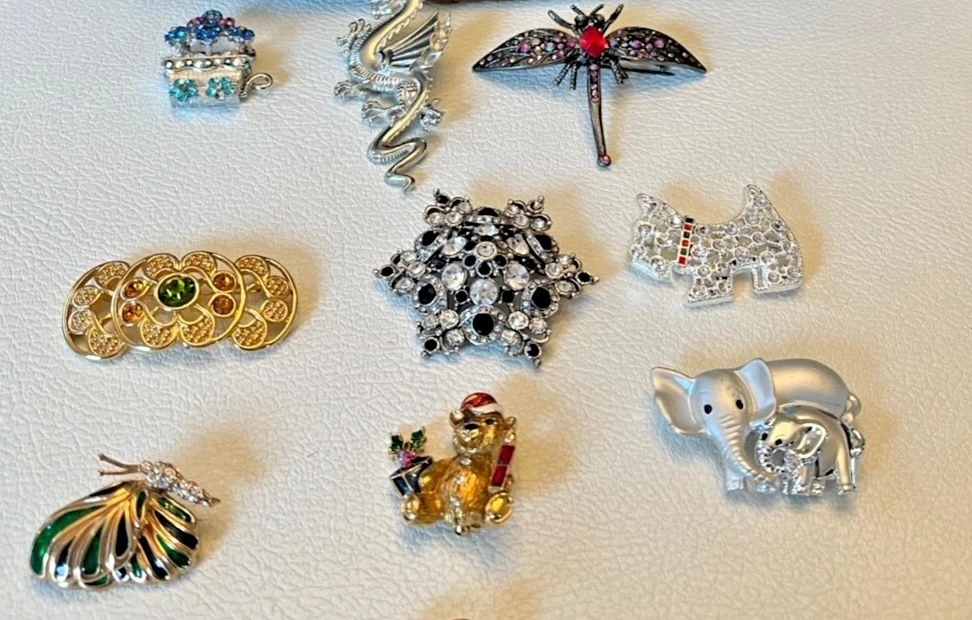
A jewelry lot is simply a grouped collection of multiple pieces sold together as a single purchase. These lots can range from just a handful of items to dozens or even hundreds of pieces. The contents vary wildly depending on the source, from carefully curated selections of similar items to completely random assortments from estate cleanouts.
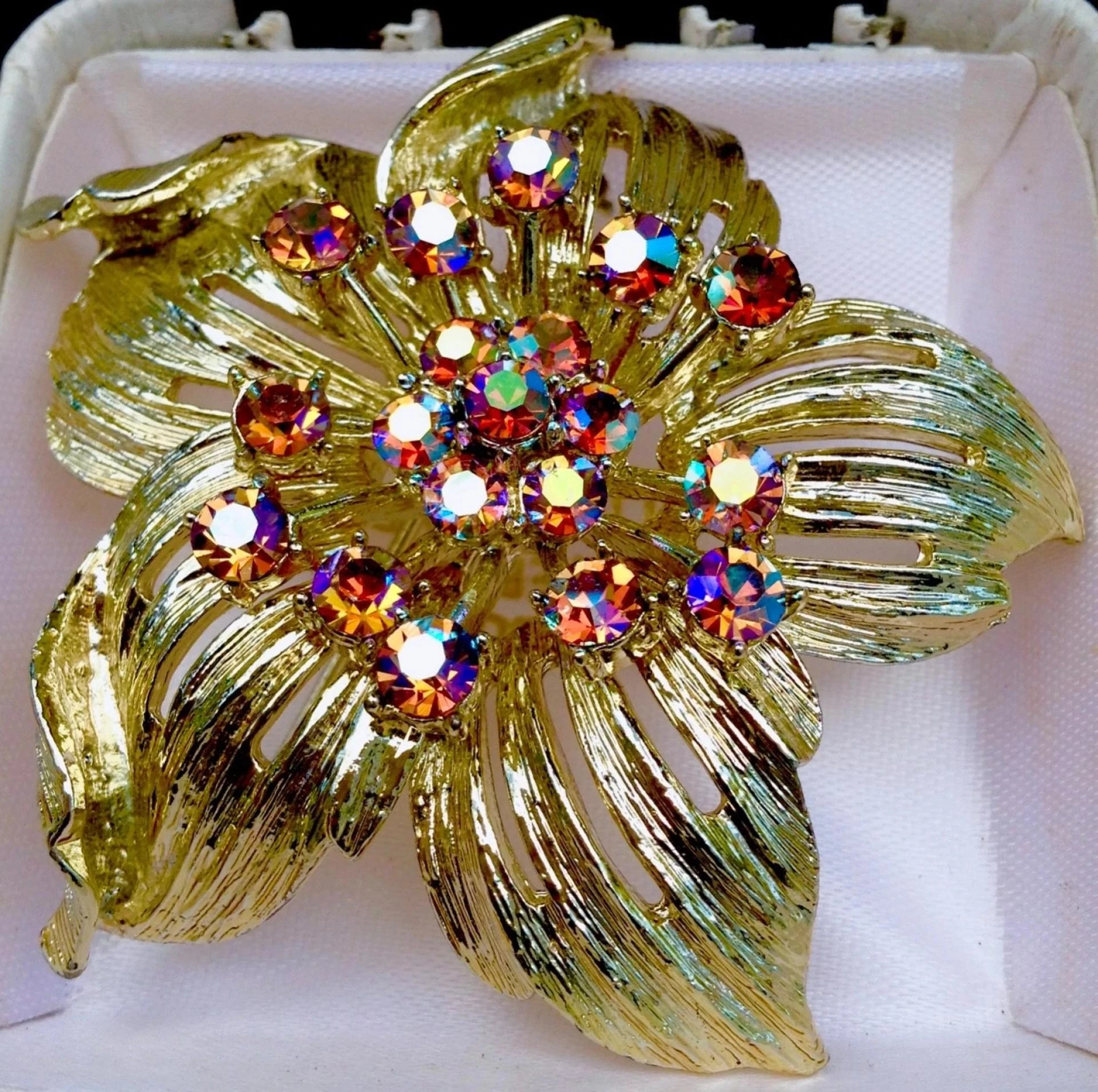
You'll encounter different types of lots in the vintage jewelry marketplace. Some sellers create themed lots featuring specific types of jewelry like all brooches, all earrings, or all pieces from a particular era. Other lots focus on specific materials such as sterling silver, rhinestone pieces, or unsigned designer-style jewelry. Then there are mixed lots that contain a little bit of everything, which can be especially exciting for collectors who enjoy variety.
The pricing structure for jewelry lots typically works out to be much lower per piece than buying items individually. A lot containing twenty brooches might cost what you'd pay for just three or four pieces purchased separately. This economy of scale makes lots attractive for building collections quickly, though it does require upfront investment and the understanding that not every piece in the lot will be equally desirable.
Estate lots represent a special category that often contains the most interesting finds. When someone's entire jewelry collection is sold together after they pass away or move to assisted living, the resulting lot captures a lifetime of collecting. These estate lots frequently include pieces spanning multiple decades, reflecting changing tastes and fashion trends over the years.
Why Buying Jewelry Lots Makes Sense for Collectors
The financial advantage of purchasing lots is immediately obvious when you break down the cost per piece. Instead of paying premium prices for individually listed items, you're essentially buying in bulk and benefiting from wholesale-style pricing. This allows collectors with limited budgets to acquire more pieces and build substantial collections faster than would otherwise be possible.
Beyond the savings, jewelry lots expose you to pieces you might never have considered purchasing individually. Maybe you thought you only liked rhinestone jewelry, but a lot introduces you to beautiful enamel work or interesting marcasite pieces. This expanded exposure helps you discover new interests and refine your collecting focus as you learn what truly appeals to you.
For collectors who enjoy research and identification, jewelry lots provide endless entertainment. Unmarked designer pieces, unusual vintage finds, and mysterious unsigned treasures all await your detective work. The process of researching, identifying, and authenticating pieces from a lot adds an intellectual dimension to collecting that many enthusiasts find deeply satisfying.
Jewelry lots also offer practical advantages for people who plan to resell some pieces. You might keep your favorite items from a lot and sell the rest to recoup your investment or even make a profit. This strategy allows you to essentially get your keeper pieces for free or at significantly reduced cost. Many successful vintage jewelry dealers started exactly this way, buying lots and gradually learning the market while building their own collections.
Finding Quality Jewelry Lots
Online marketplaces have become the primary source for vintage jewelry lots, offering unprecedented access to collections from across the country. These platforms allow you to view detailed photographs, read descriptions, and sometimes ask sellers questions before committing to a purchase. The convenience is unmatched, though buying sight unseen does require careful evaluation skills.
Estate sales and auctions remain excellent sources for jewelry lots, particularly if you can attend in person. Physical examination allows you to assess quality, check for damage, and get a true sense of the pieces before bidding. Estate sales often occur when families are clearing out homes quickly, which can lead to very reasonable pricing on entire jewelry collections.
Antique malls and vintage shops sometimes offer jewelry lots, especially if they've acquired collections that are too large or varied to list individually. Building relationships with these dealers can give you first access when interesting lots become available. Don't hesitate to ask shop owners if they have any unlisted lots in their back inventory—sometimes the best finds never make it to the display cases.
Flea markets and yard sales occasionally yield jewelry lot opportunities, though these tend to be more hit-or-miss. The advantage is that prices are often negotiable, and sellers at these venues may not fully understand the value of what they're offering. However, condition issues and reproduction pieces are more common in these settings, so bring your knowledge and a careful eye.
Evaluating a Jewelry Lot Before You Buy
When you spot a potentially interesting lot, systematic evaluation helps you make smart purchasing decisions. Start by carefully examining all available photographs. Look at each visible piece, noting the overall quality level, the variety of styles represented, and any obviously valuable or interesting items. Pay special attention to any signatures or maker's marks that might indicate designer or high-quality pieces.
Count the number of pieces whenever possible to calculate a per-item cost. A lot listed as containing "approximately 30 pieces" at a hundred dollars works out to about three dollars per item, which represents excellent value if the quality is decent. However, if half the pieces are broken or badly damaged, that value proposition changes dramatically.
Read the seller's description thoroughly, looking for key information about condition, materials, and era. Reputable sellers will honestly describe damage, missing stones, or condition issues. Be wary of vague descriptions that avoid specifics or use phrases like "sold as is" without explaining what problems might exist. Questions you should consider include whether the pieces are all wearable, whether they need repair, and whether the lot contains any reproduction or newer pieces mixed in.
Research the seller's reputation and history. Online platforms typically provide seller ratings and feedback from previous buyers. Look for comments specifically about jewelry lots—did other buyers feel the items matched descriptions and photographs? Were there unexpected condition issues? A seller with consistently positive feedback about accurately representing jewelry lots is worth paying attention to.
Understanding Different Types of Jewelry Lots
Wearable jewelry lots contain pieces that are ready to enjoy immediately without requiring repair or cleaning. These lots typically command higher prices because buyers can use or resell the items right away. The trade-off for this convenience is reduced profit potential if you're buying to resell, though the certainty of condition makes these lots appealing for personal collections.
Repair lots offer opportunity for collectors with some restoration skills or connections to jewelry repair services. These lots contain pieces with missing stones, broken clasps, bent prongs, or other fixable problems. The purchase price is lower to account for repair costs, and the potential reward is significant if you can restore pieces to wearable condition. This approach works best when you can accurately estimate repair costs before purchasing.
Craft lots consist of damaged or incomplete pieces intended for repurposing into new jewelry or craft projects. While these aren't ideal for traditional collectors seeking pristine vintage pieces, they can be valuable for creative individuals who make jewelry or enjoy upcycling projects. Craft lots typically include broken chains, single earrings, damaged brooches, and interesting components that can be reimagined.
Designer or signed lots specifically feature pieces marked with designer names or quality hallmarks. These lots command premium prices but offer the security of knowing you're getting authenticated vintage jewelry from recognized makers. The value concentration in these lots tends to be more consistent, with fewer throwaway pieces compared to random mixed lots.
Smart Bidding and Purchasing Strategies
Set a maximum budget before you start looking at lots, factoring in not just the purchase price but also any shipping costs, potential repair expenses, and the time you'll invest in sorting and researching pieces. This discipline prevents overspending in the heat of bidding or the excitement of discovering an interesting lot.
When bidding at auctions, resist the temptation to get caught up in competitive bidding wars. Decide your maximum price based on the lot's actual value to you, then stick to that limit. Remember that there will always be more lots available—missing out on one purchase isn't a tragedy when you're playing the long game of collection building.
For fixed-price listings, don't be afraid to make reasonable offers, especially if the lot has been listed for a while. Many sellers are willing to negotiate, particularly on larger lots that require significant upfront investment. A polite message explaining your interest and making a fair offer often results in successful deals.
Consider the timing of your purchases strategically. Lots listed during major holidays or in the middle of summer often receive less attention from buyers, creating opportunities for better deals. Additionally, watching listings as they near their end time can reveal lots that haven't attracted much interest despite containing quality pieces.
What to Do When Your Jewelry Lot Arrives
The first step after receiving a jewelry lot is creating an organized workspace where you can sort and evaluate everything. Good lighting is essential, along with magnification tools for examining marks and condition details. Set aside adequate time for this process—rushing through initial examination means you might miss important details or interesting pieces.
Sort the pieces into categories that make sense for your purposes. You might group by jewelry type (brooches, earrings, necklaces), by material (rhinestone, enamel, sterling silver), by era, or by condition. This organization makes it easier to research pieces and decide what to keep, repair, or potentially resell.
Document your lot with photographs and notes before you start cleaning or making any changes. This documentation serves multiple purposes: it helps you remember what you acquired, provides proof of condition if you later sell pieces, and creates a record of your collection's growth over time. Some collectors maintain detailed spreadsheets tracking their lots, while others prefer simpler systems.
Research is where the real fun begins. Take time to identify unsigned pieces, authenticate designer items, and learn about the eras and styles represented in your lot. This research phase transforms a box of jewelry into a curated collection with context and story. Online resources, collector forums, and reference books all support this detective work.
Cleaning and Restoring Lot Jewelry
Gentle cleaning can dramatically improve the appearance of vintage jewelry without causing damage. Start with the least aggressive method—simply wiping pieces with a soft, dry cloth. This removes dust and light tarnish from many items. For pieces that need more attention, slightly dampen a soft cloth with water and carefully wipe surfaces, then immediately dry thoroughly.
Ultrasonic cleaners work wonders for certain types of jewelry, particularly rhinestone pieces and solid metal items. However, these should be used cautiously with vintage costume jewelry. Avoid ultrasonic cleaning for pieces with glued stones, enamel work, or delicate constructions that might be damaged by the vibration. When in doubt, stick to manual cleaning methods.
Tarnish removal on sterling silver or silver-plated pieces can be accomplished with appropriate silver polishes designed for jewelry. Apply polish with a soft cloth, working in small sections and following the metal's grain. Rinse thoroughly with water and dry completely. Be gentle around any stones or decorative elements that might be loosened by aggressive polishing.
For pieces requiring actual repair—missing stones, broken clasps, damaged pins—assess whether you have the skills to handle repairs yourself or whether professional help is needed. Simple fixes like replacing earring backs or tightening prong settings might be within your capabilities, while stone replacement or significant structural repairs typically require a jeweler's expertise. Factor these repair costs into your overall investment when deciding which pieces are worth restoring.
Building a Strategy Around Jewelry Lots
Successful lot buying requires developing a personal strategy that aligns with your collecting goals. If you're focused on building a collection in a specific area—perhaps Art Deco brooches or 1950s rhinestone jewelry—look for lots that concentrate on those categories even if they cost slightly more per piece. Targeted lots typically contain higher percentages of pieces you'll actually want to keep.
For collectors working with very limited budgets, starting with smaller, less expensive lots makes sense. These purchases allow you to develop your evaluation skills and understanding of the market without risking large sums. As you learn what to look for and become more confident in assessing lots, you can gradually move to larger purchases.
Consider the seasonal nature of the vintage jewelry market. Lots often become more available in late winter and early spring as people do estate cleanouts and spring cleaning. Holiday periods see increased listing activity as sellers try to capitalize on gift-buying season, though competition from buyers also increases during these times.
Develop relationships with sellers who consistently offer quality lots. If you have a positive experience with a particular seller, bookmark their shop or page and check back regularly for new listings. Some sellers will even notify repeat customers about upcoming lots before listing them publicly, giving you first opportunity to purchase.
Turning Jewelry Lots Into Profit
Many collectors offset their purchasing costs by reselling pieces they don't want to keep. This strategy requires understanding which items have resale value and the best venues for selling different types of jewelry. Signed designer pieces, unusual vintage finds, and high-quality rhinestone jewelry typically resell easily at good prices.
Photographing pieces for resale requires patience and basic photography skills. Good lighting, clean backgrounds, and clear focus that shows details are essential. Take multiple angles of each piece, including close-ups of any signatures or interesting details. These quality photographs significantly impact your success in attracting buyers and achieving good prices.
Pricing resale items appropriately means researching comparable pieces and understanding current market values. Price too high and pieces won't sell, price too low and you're leaving money on the table. Check completed sales rather than just current listings to see what items actually sell for, not just what sellers hope to receive.
Be honest and thorough in your descriptions when listing items for sale. Mention any condition issues, missing stones, or repairs. This transparency builds buyer trust and reduces the likelihood of returns or complaints. Detailed, accurate descriptions also help your listings appear in search results when potential buyers look for specific types of jewelry.
Common Mistakes to Avoid
One frequent error is overestimating the value of a lot based on one or two desirable pieces while ignoring that the rest of the contents have little value. That amazing signed brooch doesn't make the entire lot a great deal if the other thirty pieces are damaged or unsellable. Evaluate the lot as a whole rather than focusing exclusively on the highlights.
Buying lots without carefully reading descriptions often leads to disappointment. Sellers might mention that pieces are "untested," "may need repair," or "sold for parts" in the fine print. Missing these details can mean unexpected costs or discovering the lot contains more problems than anticipated.
Failing to factor in total costs including shipping can turn an apparent bargain into an expensive mistake. Heavy lots of jewelry can incur substantial shipping charges that eat into your savings. Always check shipping costs before committing to a purchase, and remember to include this amount when calculating your per-piece cost.
Another pitfall is buying too many lots too quickly without taking time to process and research what you've already acquired. Your available space, time, and money are all finite resources. Pacing your purchases allows you to fully enjoy and learn from each lot before moving on to the next acquisition.
Conclusion
Building a vintage jewelry collection through strategic lot purchases combines the excitement of treasure hunting with smart financial planning. Each lot offers potential discoveries, learning opportunities, and the satisfaction of uncovering hidden gems that others might have overlooked. Whether you're drawn to specific eras, particular styles, or simply love the variety vintage jewelry offers, buying lots provides an efficient path to building an impressive collection.
The key to success lies in developing your evaluation skills, understanding the market, and approaching purchases strategically rather than impulsively. Take time to research sellers, carefully examine photographs and descriptions, and calculate true costs including shipping and potential repairs. With experience, you'll develop instincts about which lots offer the best value and which align with your collecting goals.
Remember that every jewelry lot tells a story about the person who originally collected those pieces and the eras they represent. As you sort through your acquisitions, cleaning and researching each item, you're not just building a collection—you're preserving tangible connections to fashion history and personal memories. That combination of practical value and historical significance makes jewelry lot collecting a uniquely rewarding hobby.






















Sign in to leave a comment.