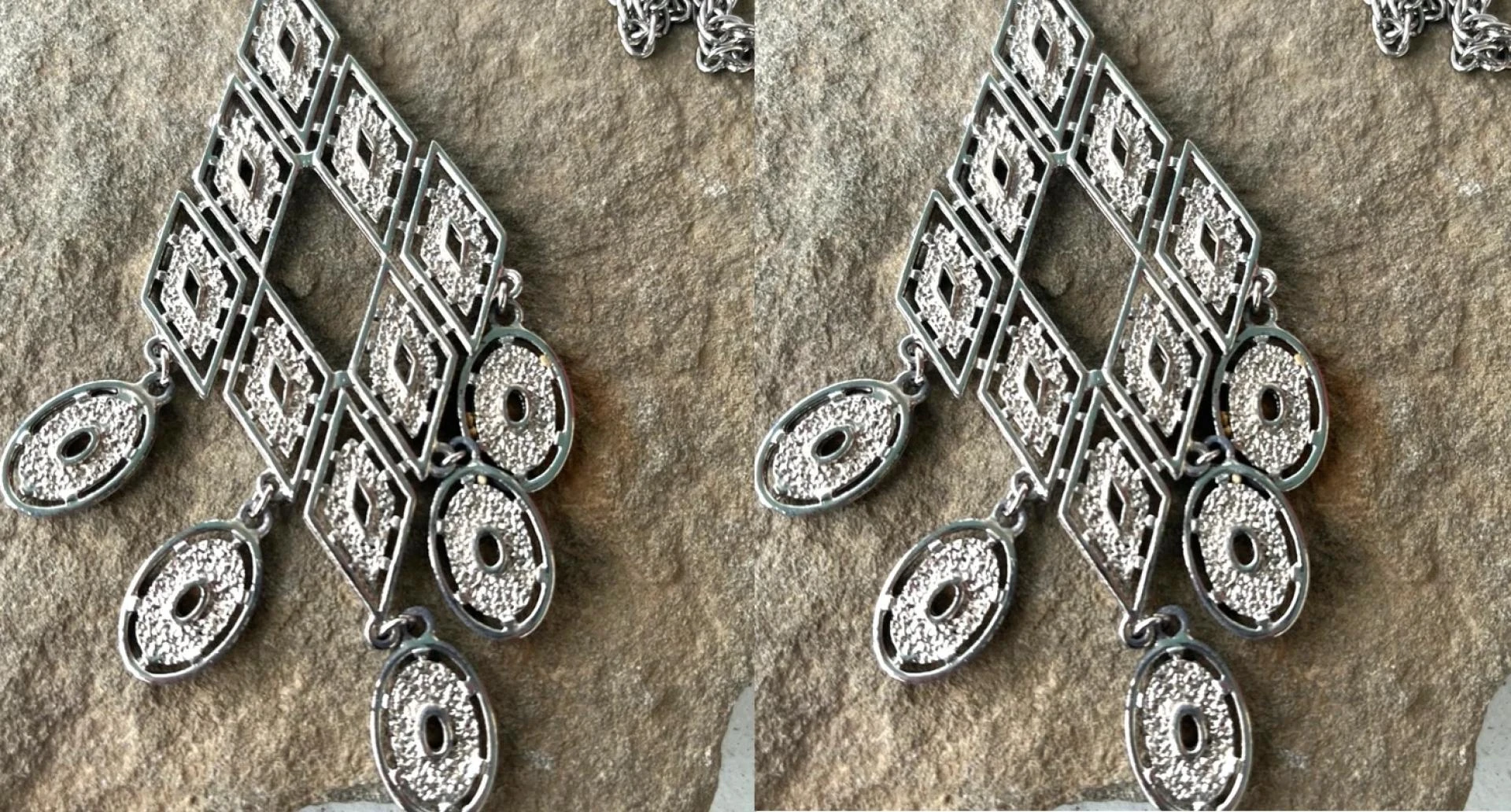
Finding a beautiful piece of vintage sterling silver jewelry can feel like discovering hidden treasure. Whether you've inherited grandmother's cherished collection or stumbled upon a gorgeous find at an estate sale, tarnished silver doesn't mean damaged silver. With the right techniques and a little patience, you can restore these precious pieces to their original brilliance.
Tarnishing is completely natural for sterling silver, especially vintage pieces that have been stored for years. The good news? Most tarnish can be safely removed at home using gentle methods that preserve both the silver's integrity and its sentimental value. Let's explore how to bring your vintage treasures back to life.
Understanding Why Sterling Silver Tarnishes
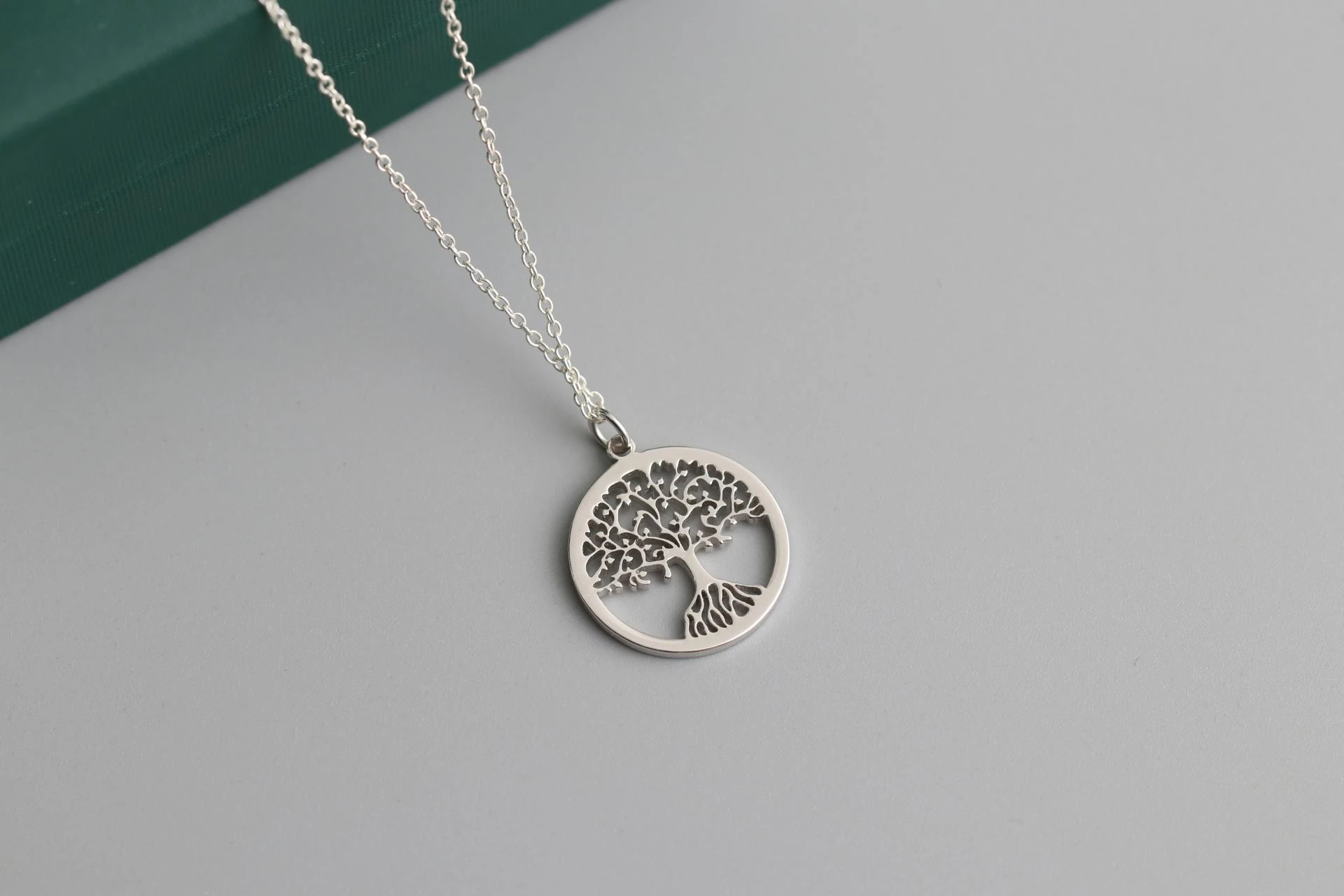
Before diving into restoration methods, it helps to understand what causes that dark, dull coating on your vintage pieces. Sterling silver tarnish occurs when silver reacts with sulfur compounds in the air, creating a thin layer of silver sulfide on the surface.
This process happens faster in certain conditions. High humidity, exposure to rubber, wool, or certain papers can accelerate tarnishing. Even the oils from your skin can contribute to the process over time. Don't worry though - this reaction only affects the surface layer, leaving the underlying silver completely intact.
Vintage pieces often show more dramatic tarnishing simply because they've had more time to react with environmental factors. Storage in basements, attics, or jewelry boxes without proper anti-tarnish materials can create the perfect conditions for that telltale black or gray discoloration.
The silver content in sterling silver jewelry is typically 92.5%, with other metals making up the remaining 7.5%. These additional metals, usually copper, can also contribute to tarnishing patterns. Understanding this helps explain why some pieces tarnish more quickly than others.
Gentle Cleaning Methods for Delicate Pieces
When working with vintage jewelry sterling silver, gentle approaches work best. These pieces have often survived decades or even centuries, and aggressive cleaning can cause irreversible damage to delicate details or antique finishes.
Start with the mildest method possible. Create a simple cleaning solution using warm water and a few drops of gentle dish soap. Use a soft-bristled toothbrush or cotton swab to gently work around intricate details. This method works particularly well for pieces with light surface tarnish.
For slightly more stubborn tarnish, try the aluminum foil method. Line a bowl with aluminum foil, add your jewelry, then cover with hot water and a tablespoon of baking soda. The chemical reaction between the aluminum and silver actually transfers the tarnish away from your jewelry. This process is fascinating to watch as the tarnish literally disappears before your eyes.
Another effective gentle method involves using white toothpaste without whitening agents or abrasives. Apply a small amount to a soft cloth and gently rub the tarnished areas. The mild abrasives in regular toothpaste can help remove surface tarnish without scratching the silver underneath.
Deep Cleaning Techniques for Heavily Tarnished Items
When vintage pieces show heavy tarnishing or black spots, more intensive methods may be necessary. Commercial silver cleaners can be effective, but always test them on a small, hidden area first to ensure they won't damage any special finishes or gemstones.
Silver polishing cloths treated with cleaning compounds offer excellent control over the cleaning process. These cloths allow you to work gradually, checking your progress as you go. This controlled approach is especially important with vintage pieces that may have delicate engravings or unique patinas.
For extremely tarnished pieces, consider creating a cleaning paste with baking soda and water. Apply this paste gently with a soft cloth, working in small circular motions. The mild abrasive action of baking soda can tackle stubborn tarnish while remaining gentle enough for most vintage silver.
Ultrasonic cleaners can be effective for sturdy pieces without loose stones or delicate construction. However, use caution with vintage items, as the vibrations can potentially loosen settings or damage fragile elements that have weakened over time.
Special Considerations for Antique and Heirloom Pieces
Vintage and antique sterling silver jewelry requires extra care and consideration during restoration. Some pieces may have intentional patina or oxidation that adds to their character and value. Before cleaning, research your piece to understand whether its current appearance might be historically significant.
Pieces with gemstones need special attention during cleaning. Many vintage settings use softer stones or older setting techniques that may not withstand modern cleaning methods. Remove any loose stones before cleaning when possible, or avoid immersion methods entirely for pieces with glued settings.
Hallmarks and maker's marks deserve protection during cleaning. These tiny stamps often provide valuable information about your piece's origin and age. Use gentle methods around these areas to avoid wearing away these important identifying features.
Consider the construction methods used in your vintage piece. Older jewelry may use techniques like soldering that could be compromised by harsh chemicals or extreme temperature changes. When in doubt, consulting with a professional jeweler experienced in vintage pieces can prevent costly mistakes.
Protecting Your Restored Jewelry
Once you've successfully restored your vintage sterling silver, proper storage becomes crucial for maintaining that beautiful shine. Tarnish prevention is much easier than tarnish removal, especially for delicate vintage pieces.
Store cleaned pieces in anti-tarnish cloths or pouches. These specially treated fabrics contain compounds that neutralize the sulfur compounds that cause tarnishing. Individual storage prevents pieces from scratching each other while providing maximum protection from environmental factors.
Silica gel packets help control humidity in storage areas. Place these in your jewelry box or storage container to maintain optimal conditions. Avoid storing silver jewelry in bathrooms or other high-humidity areas where tarnishing accelerates.
Regular gentle cleaning prevents heavy tarnish buildup. Wiping pieces with a soft cloth after wearing removes oils and moisture that contribute to tarnishing. This simple habit can dramatically extend the time between deep cleaning sessions.
When to Seek Professional Help
Some vintage sterling silver pieces require professional restoration. Pieces with significant damage, loose settings, or extreme historical value should be evaluated by experienced jewelry professionals. Attempting restoration on valuable antiques can sometimes decrease their worth if done incorrectly.
Professional jewelers have access to specialized tools and techniques that aren't available for home use. They can also properly assess whether a piece has been previously repaired or altered, information that affects both its value and the appropriate restoration approach.
Don't hesitate to consult professionals when you're unsure about a piece's construction or value. A brief evaluation can save you from making costly mistakes and ensure your vintage treasures receive the care they deserve.
Maintaining Your Collection
Building a routine for caring for your vintage sterling silver collection helps preserve these beautiful pieces for future generations. Regular inspection allows you to catch problems early, before they become major restoration projects.
Keep a simple cleaning kit with soft cloths, gentle soap, and basic supplies readily available. Quick touch-ups prevent minor tarnishing from becoming major cleaning projects. This proactive approach works especially well for pieces you wear regularly.
Document your pieces with photos before and after restoration. This creates a valuable record of their condition and helps track any changes over time. For particularly valuable or historically significant pieces, this documentation can be important for insurance or appraisal purposes.
Conclusion
Restoring tarnished vintage sterling silver jewelry is a rewarding process that brings new life to treasured pieces. With gentle techniques, proper tools, and patience, you can safely remove tarnish while preserving the character and value of your vintage collection. Remember that prevention through proper storage and regular gentle cleaning makes future restoration much easier.
Whether you're caring for inherited family heirlooms or newly discovered vintage finds, these restoration techniques will help ensure your sterling silver jewelry continues to shine for years to come. Take your time, use gentle methods, and don't hesitate to seek professional help when working with particularly valuable or delicate pieces.




















Sign in to leave a comment.