

A cracked or malfunctioning iPhone screen is one of the most common repair issues smartphone owners face. Whether it's a dropped phone, a pressure crack, or a display that's started flickering, the fix almost always comes down to one thing: sourcing a replacement screen that performs like the one Apple originally installed. The problem is that not all replacement displays are created equal, and picking the wrong one can leave you with dull colours, unresponsive touch, or a screen that stops working within weeks.
If you're planning to buy iphone lcde for a repair, understanding what separates a genuine-quality panel from a cheap knockoff is essential before you spend your money. This guide breaks down everything you need to know, from the different grades of replacement screens to where to source one that won't let you down.
Why Screen Quality Matters So Much
Your iPhone's display isn't just glass it's a precisely engineered component that handles colour accuracy, touch sensitivity, brightness, and even features like True Tone and 3D Touch on older models. A poorly made replacement can affect all of these functions at once. Cheaper aftermarket panels often use inferior LCD technology that results in washed-out colours, reduced brightness, or a noticeably different look compared to the rest of your phone's design language.
Beyond the visual experience, a low-grade screen can also cause functional problems. Touch responsiveness may lag, ghost touches can appear, and some poorly manufactured panels have been known to drain battery life faster due to inefficient backlighting. This is why quality should always come before price when you're shopping for a replacement.
Understanding the Different Types of iPhone Replacement Screens
Before you decide where to source a screen, it helps to understand the market. Replacement displays generally fall into a few categories:
- Original Apple (OEM) screens: These are genuine screens pulled from used or refurbished iPhones, or sourced directly through Apple's supply chain. They match the original quality exactly since they are, in fact, original parts.
- Refurbished/reconditioned screens: These start as genuine Apple panels that have been repaired often with a replacement glass or backlight while keeping the original LCD or OLED cell intact. When done properly, refurbished screens can perform almost identically to new originals.
- Aftermarket/third-party screens: Manufactured by third parties to mimic Apple's specifications. Quality varies enormously here, ranging from decent copies to noticeably inferior panels.
- Incell vs. OEM-grade panels: Some aftermarket suppliers now produce "incell" screens that integrate the touch layer more closely with the display, closing the performance gap with genuine parts, though true OEM quality is still generally superior.
Knowing these categories helps you ask the right questions before making a purchase, whether you're buying for personal use or running a repair business.
Where to Source a Genuine-Quality iPhone LCD
Finding a supplier that consistently delivers original-quality screens takes a bit of research. Here are the main routes people take:
- Specialist phone parts recyclers and buyers: Companies that buy damaged phones and screens often also grade and resell high quality salvaged LCDs, giving you access to genuinely original Apple components at a fraction of retail cost.
- Certified repair shops: Many local repair businesses source their screens from vetted wholesalers and can vouch for the parts they install.
- Wholesale parts suppliers: For repair professionals, wholesale suppliers who grade their inventory (A, B, C grades) allow you to choose based on your budget and quality requirements.
- Apple directly or Apple-authorised providers: The most expensive option, but it guarantees full original specification and warranty coverage.
Whichever route you choose, always ask about the grading system used, since this single detail tells you the most about what you're actually getting when you buy iphone lcde parts for repair.
How to Check If a Replacement Screen Matches Original Quality
Once you've sourced a screen, there are a few ways to verify it holds up to Apple's original standard before or after installation:
- Compare brightness and colour accuracy side by side with an unaffected iPhone of the same model.
- Test True Tone functionality, which only works correctly with screens that retain the original display's calibration data or a properly transferred chip.
- Check touch responsiveness across the entire screen, including the edges, where cheaper panels often show lag.
- Inspect for light bleed around the edges in a dark room, a common sign of a lower-grade panel.
- Confirm 3D Touch or Haptic Touch response on supported models, since this feature is often the first to degrade on aftermarket screens.
If a screen fails several of these checks, it's likely not going to deliver the original experience you're looking for, regardless of what the seller claims.
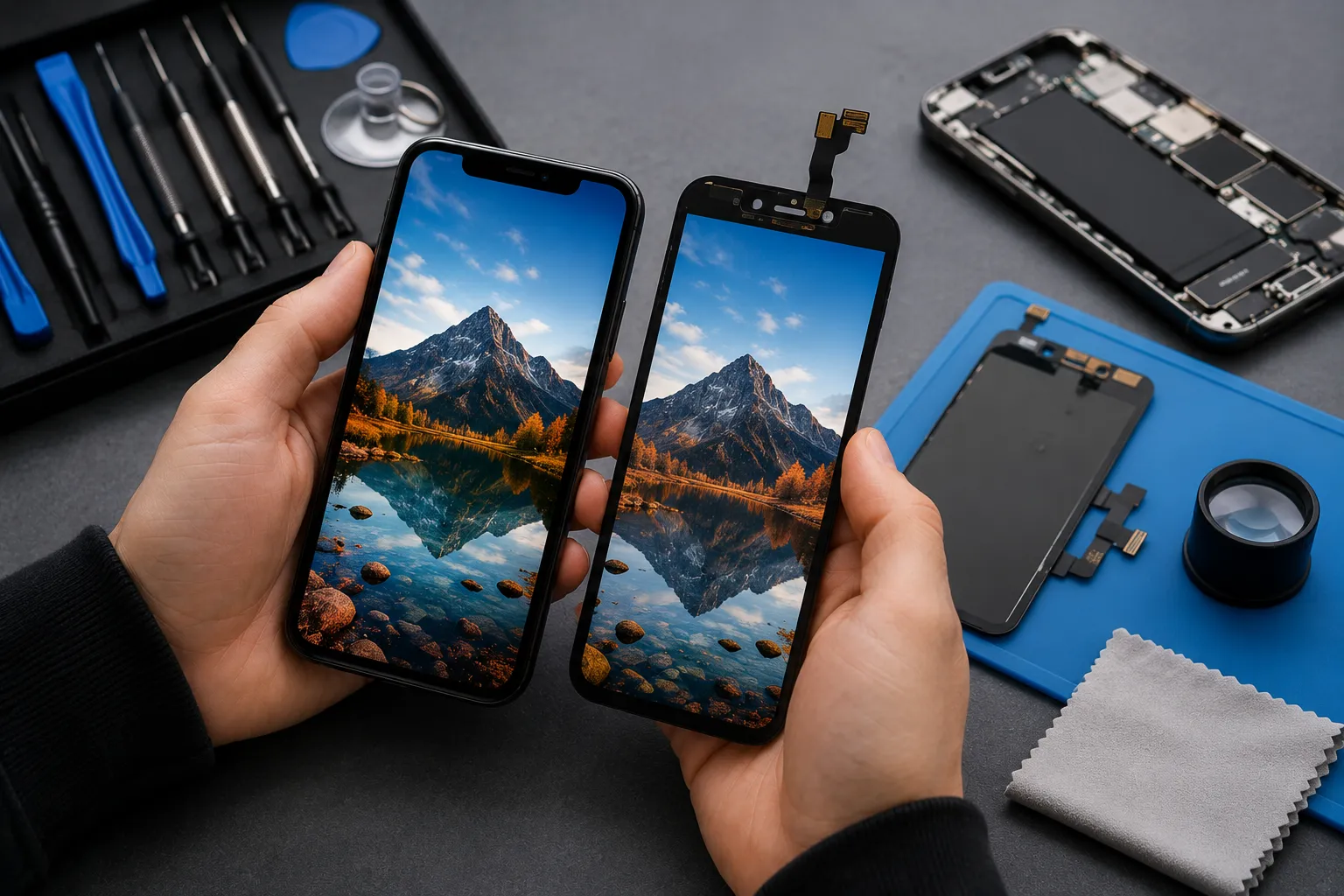
Grading Systems Explained
Reputable suppliers typically grade their salvaged or refurbished screens using a simple system. Grade A panels show little to no visible wear and perform at or near original specification. Grade B panels may have minor cosmetic imperfections but still function well. Grade C panels are usually functional but show more noticeable wear or slight performance inconsistencies. Understanding this grading system before you buy helps set the right expectations and ensures you're not overpaying for a lower-tier component.
Tips for a Smooth Purchase and Installation
Once you've found a supplier you trust, a few extra steps can help ensure your new screen performs as expected. Always request clear photos or a short video of the actual screen being sold, particularly if you're buying used or refurbished parts. Ask whether the screen has been tested for common fault codes before shipping. If you're installing it yourself, follow proper anti-static precautions and use quality adhesive to avoid dust or moisture getting trapped under the glass. For anyone choosing to buy iphone lcde parts in bulk for repair work, building a relationship with one or two consistent, reliable suppliers tends to produce far better long-term results than shopping around for the lowest price every time.
Why Sourcing From Trusted Recyclers Makes a Difference
One often-overlooked benefit of buying from specialist phone parts recyclers is that the components they sell are typically pulled from genuine Apple devices, meaning you're getting original quality without the original retail price. These companies also tend to properly test and grade every unit before resale, giving buyers more confidence than an unverified marketplace listing. Choosing this route also supports a more sustainable repair ecosystem, since it keeps usable components in circulation rather than adding to electronic waste.
Final Considerations Before You Buy
Sourcing a replacement iPhone screen doesn't have to be a gamble. By understanding the different screen types, learning how grading systems work, and knowing what to check before and after installation, you can confidently find a display that looks, feels, and performs like the original. Whether you're repairing your own device or sourcing parts for a repair business, taking the time to buy iphone lcde components from a reputable source will always pay off in the long run.
Looking to Buy or Sell Genuine iPhone LCD Screens?
If you're planning to buy iPhone LCDE, choosing a trusted supplier can make all the difference. Look for a provider that offers high quality replacement screens, transparent product information, fair pricing, and reliable customer support. Investing in a premium LCD helps restore your iPhone's display performance, touch responsiveness, and overall user experience. Before making your purchase, compare your options carefully and select a supplier known for quality and consistency. Visit now to explore reliable LCD solutions and find the right replacement for your device.
Frequently Asked Questions
1. What's the difference between OEM and aftermarket iPhone screens?
Ans:- OEM screens are genuine Apple parts, either new or salvaged from used devices, while aftermarket screens are made by third parties and can vary significantly in quality.
2. Will a cheap replacement screen affect my iPhone's performance?
Ans:- Yes, low-grade screens can cause touch lag, poor colour accuracy, reduced brightness, and even faster battery drain due to inefficient backlighting.
3. How can I tell if a replacement screen is genuine before installing it?
Ans:- Check for accurate colour reproduction, working True Tone functionality, responsive touch across the entire panel, and no light bleed around the edges.
4. What does screen grading (A, B, C) actually mean?
Ans:- Grading reflects the cosmetic and functional condition of a salvaged or refurbished screen, with Grade A being closest to flawless and Grade C showing more visible wear.
5. Is it worth buying a refurbished iPhone LCD instead of a new aftermarket one?
Ans:- Often, yes. A properly refurbished screen retains the original Apple components and typically performs closer to factory quality than a third-party aftermarket panel.


























Sign in to leave a comment.