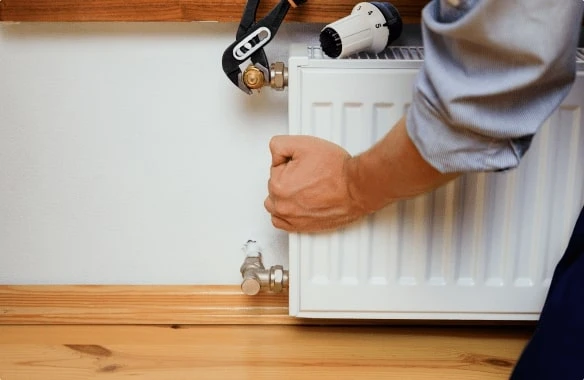

If you heat your home with heating oil, knowing how much fuel you have left is essential — especially during the colder months. Running out of oil unexpectedly can be stressful, costly, and even dangerous in extreme weather.
The good news is that you don’t need expensive gauges or high-tech gadgets to check your heating oil tank. With a few simple methods, you can get a good idea of your fuel level and plan your next delivery before you run out.
Here’s a step-by-step guide to checking your tank levels without any special tools, so you can stay warm, avoid emergencies, and make your fuel last longer.
Why Checking Your Tank Matters
Your heating system works hard during winter, and if your tank runs dry, it can lead to more than just a cold house. Running out of fuel can allow air into your system, which often requires a technician to restart — adding to your expenses.
Checking your fuel level regularly helps you plan ahead, take advantage of lower prices, and avoid last-minute calls for emergency deliveries.
1. Look at the Tank Gauge
Most heating oil tanks come with a built-in float gauge on top. It’s a small, clear plastic tube or dial with markings like “F” (full), “3/4,” “1/2,” “1/4,” and “E” (empty).
While these gauges aren’t perfectly precise, they give a quick estimate of how much fuel is inside. For better accuracy, check the gauge when your tank is on level ground and free from vibrations or movement.
2. The Dipstick Method
If your gauge isn’t working or you want to double-check the reading, you can use a simple stick or dowel rod. Open the fill cap of your tank and insert the stick straight down until it touches the bottom.
When you pull it out, note the wet mark left by the oil. Measure this against the total height of the tank to get an idea of how full it is. This method works for both indoor and outdoor tanks and is especially useful if your gauge is unreliable.
3. Keep Track of Your Usage
Another easy way to estimate your oil level is to track your daily or weekly usage. Once you know how many gallons you typically burn in a day, you can calculate how long your remaining supply will last.
For example, if your household uses about 5 gallons a day and your tank holds 100 gallons, a half-full tank should last roughly 10 days. This method is not exact, but it’s a good backup if your gauge fails.
4. Check Before the Coldest Days
Extreme cold can cause your heating system to work harder, burning more fuel than usual. Always check your tank levels before a major winter storm or cold front to avoid running out unexpectedly. If your supply is low, you might consider scheduling a heating oil delivery before the bad weather arrives.
5. Know When to Call for Emergency Fuel
Even with regular checks, sometimes life gets busy, and the oil runs lower than expected. That’s when emergency heating oil services can be a lifesaver. These services deliver fuel quickly — often the same day — so your heat is restored without a long wait.
However, emergency deliveries can cost more, so it’s best to keep them as a backup option rather than your main strategy.
6. Don’t Forget About Maintenance
Checking your oil levels is important, but so is keeping your heating system in good shape. A dirty filter, clogged line, or faulty nozzle can cause your system to burn more fuel than necessary. An annual tune-up keeps your equipment efficient and your oil usage predictable.
7. Use Your Senses
Sometimes, you can tell if your oil is low without opening the tank. If you notice your heating system cycling more often or struggling to maintain temperature, it could be a sign you’re running low. You might also hear unusual noises from the burner when the oil level is very low.
Still, these signs shouldn’t replace checking the tank — they’re more like early warnings that it’s time for a refill.
8. Plan Ahead for the Season
If you use home heating oil, planning ahead is the best way to avoid mid-season shortages. Order before the heating season starts, and consider signing up for an automatic delivery service to take the guesswork out of monitoring your levels.
Final Thoughts
You don’t need special tools to keep track of your heating oil supply. Whether it’s using your gauge, a dipstick, or simple usage tracking, a few quick checks can help you avoid running out and needing costly last-minute deliveries.
By staying aware of your tank levels, scheduling refills in advance, and knowing when to call for emergency heating oil if needed, you’ll keep your home warm and comfortable all winter long.


























Sign in to leave a comment.