

Choosing a cheongsam for an evening banquet is about balance. The right piece should look elegant under lights, feel comfortable for several hours, and match the formality of the event. A well-chosen cheongsam can make you look polished without trying too hard.
Understand the event first
Before you choose any style, think about the banquet itself. Is it a wedding banquet, a company dinner, a charity gala, or a family celebration? The more formal the event, the more you should lean toward a refined and structured cheongsam. Modern cheongsams and qipaos can work well for evening events because they often combine tradition with easier movement and softer tailoring.
The venue also matters. A hotel ballroom, private club, or upscale restaurant usually suits a richer fabric and a more polished look. A smaller family banquet may call for something simpler and easier to wear. The goal is to look appropriate, not overdressed or too casual.
Choose the right style

The basic shape of a cheongsam is usually slim and close to the body, but not every banquet calls for the same silhouette. Traditional styles feel more formal and classic, while modern styles may use A-line cuts, mermaid shapes, or softer structures that improve comfort and movement. If you want a timeless look, a classic fitted cheongsam is always safe. If you want ease and a little more comfort for sitting, walking, and greeting guests, a modern version may be better.
For evening banquets, the best silhouette is usually one that follows the body without feeling tight. A dress that is too loose may lose the special cheongsam shape. A dress that is too tight may look strained and become uncomfortable after dinner. The ideal piece should feel smooth, neat, and controlled.
Classic fitted style
This is the most traditional choice. It gives a clean line, a graceful profile, and a formal mood. It suits women who want a dignified and elegant appearance. It is especially suitable if the banquet is highly ceremonial.
Modern slim style
This style keeps the cheongsam spirit but is often easier to wear. The structure is softer, and the cut may allow better walking and sitting. It is a strong choice for long dinners, receptions, and events with a lot of movement.
Mermaid or A-line style
These styles are useful when you want more shape variety. A mermaid cut gives drama and curves. An A-line cut offers more comfort around the hips and legs. Both can work well for evening banquets if the fabric and color remain elegant.
Pick a flattering collar
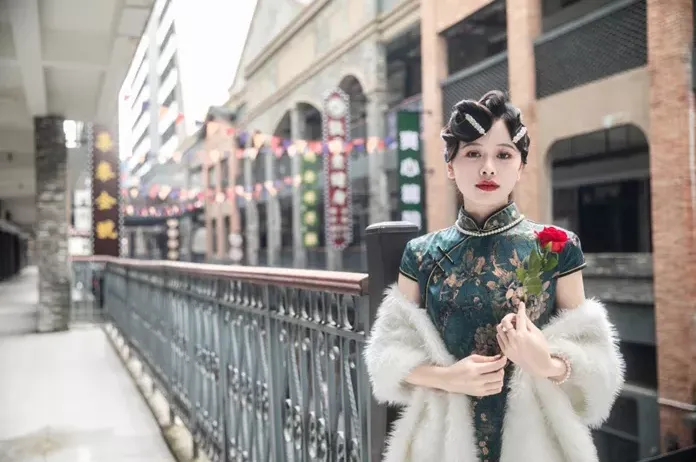
The collar is one of the most important parts of a cheongsam. It frames the face and affects the overall mood of the outfit. For many wearers, a collar height between 3 cm and 5 cm feels comfortable and still looks traditional. A higher collar can create a more vintage look, but it may also make the neck appear shorter and may feel less comfortable for long wear.
If you have a shorter neck, a slightly lower collar is often more flattering. If you have a long neck and want a more classic Shanghai-inspired look, a taller collar can look beautiful. The most important point is that the collar should sit neatly against the neck without pulling or pressing too hard. A banquet outfit should look elegant and let you breathe easily.
Select the best fabric
Fabric often decides whether a cheongsam looks luxurious or ordinary. For evening banquets, choose fabrics that have a soft shine, good drape, and a formal feel. Silk is a classic choice because it is smooth, breathable, and elegant. Satin, brocade, antique satin, and similar fabrics are also popular because they catch light well and look suitable for high-end occasions.
Natural fibers are usually more comfortable for long events, especially in warm weather. If the banquet is in summer, a lighter silk or a breathable blend may feel better than a heavy lined piece. If the banquet is in cooler weather or indoors with strong air conditioning, a richer satin or brocade can be a strong option. The key is to avoid fabric that wrinkles too easily, feels rough, or looks too thin under bright lights.
Silk
Silk looks refined and soft. It has a natural glow and a graceful drape. It is ideal for women who want a subtle, luxurious look. It also feels pleasant on the skin, which matters when you wear the dress for several hours.
Satin and brocade
Satin and brocade give a more formal and dramatic finish. They are strong choices for evening banquets because they look rich under warm lighting. These fabrics can also support embroidery and decorative details well. If the banquet is very grand, this is often the safest fabric direction.
Lighter blends
Some modern cheongsams use lighter blends that improve comfort and movement. These are useful when the event is long and you expect to walk, sit, and socialize a lot. They may not look as ceremonial as brocade, but they can still look elegant if the cut is good.
Match color to the banquet

Color changes the entire feeling of a cheongsam. For evening banquets, deeper colors usually work best because they feel calm, formal, and luxurious. Popular choices include wine red, burgundy, dark green, navy, black, deep purple, and rich gold tones. Red remains a classic festive color in Chinese dress traditions, but the exact shade should still suit the event and the wearer.
If you want a more modern and understated look, choose black, navy, or deep emerald. These colors are elegant and easy to pair with simple accessories. If you want a more festive look, red or rose tones are strong choices. Soft pink, silver, and ivory can also work for evening events, but they usually feel less traditional and should be styled carefully so they do not look too bridal.
Colors that feel formal
Black, dark red, navy, and emerald green are dependable choices. They look rich in evening light and are easy to style with jewelry. These shades often photograph well too, which is important at banquets.
Colors that feel festive
Red, gold, and bright jewel tones feel celebratory. They are a good match for weddings, family milestones, and New Year banquets. If the event has a joyful mood, these colors can feel especially appropriate.
Colors that feel modern
Silver, dusty rose, deep plum, and muted blue create a softer impression. These shades are good when you want elegance without too much brightness. They can also make the cheongsam look more contemporary.
Focus on fit and comfort
A banquet cheongsam must fit well, or it will lose its charm. The chest, waist, hips, and neckline should all sit smoothly. If the waist is too tight, the dress will feel restrictive after a full meal. If the hips are too loose, the shape may look unfinished. Many style experts recommend paying close attention to the fit, especially if you want a structured dress that still allows movement.
Comfort matters more than many people think. You may sit for a long time, stand for speeches, walk to greet guests, and take many photos. The dress should allow all of this. A good cheongsam should feel secure but not stiff. If possible, try the dress on while sitting down, raising your arms slightly, and taking a few steps. This helps reveal whether the fit is practical for the real event.
Shoulders and chest
The shoulder line should sit cleanly without pulling. The chest should be smooth, not compressed. If the top feels too narrow, it will show in both comfort and posture. A banquet dress should help you stand naturally and with confidence.
Waist and hips
The waist is where the cheongsam creates its signature shape. It should define the body without digging in. The hips should follow your figure without tension. A slight ease in these areas is better than a dress that looks forced.
Walking and sitting
Movement is often overlooked. For evening banquets, make sure the skirt hem does not restrict your steps. If the design includes slits, check that they allow graceful movement but still feel tasteful. In many formal settings, a back slit or balanced side slit can improve walking comfort.
Think about slit placement
The slit is not only decorative. It affects walking comfort, leg line, and the overall tone of the dress. A back slit is usually the most classic and conservative choice. It gives ease without drawing too much attention. Side slits can look more modern and slightly more daring.
For an evening banquet, choose the slit based on the event’s formality. A wedding banquet or gala may allow a more stylish side slit if the rest of the dress stays elegant. A business banquet or family banquet often looks better with a lower, more modest slit. The right slit should help you move gracefully, not make the dress feel too revealing.
Consider sleeve length
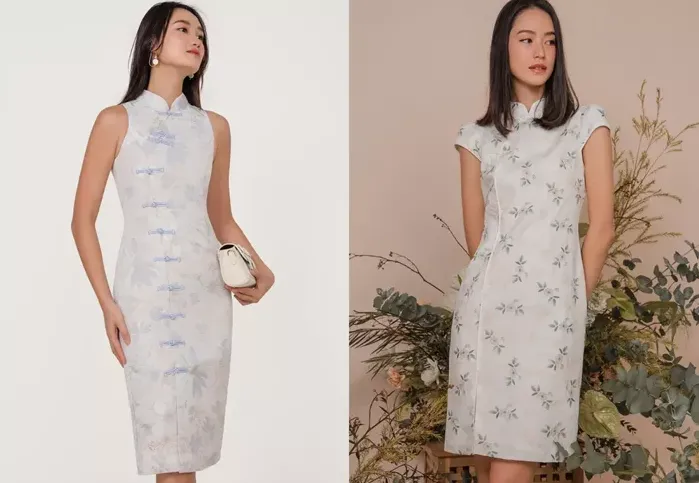
Sleeves can change the balance of the whole outfit. Cap sleeves create a traditional look, while sleeveless or short-sleeve versions can feel lighter and more modern. Long sleeves can be elegant for cooler weather or more conservative events. The best choice depends on your body shape, the season, and the type of banquet.
If your shoulders are broad, a sleeveless or slightly wider strap style may feel more balanced. If your arms are an area you prefer to cover, short or three-quarter sleeves can give more confidence. In formal evening settings, sleeves should never feel like an afterthought. They should support the dress’s overall line.
Cap sleeves
Cap sleeves are a traditional choice. They create a soft, feminine frame around the shoulders. They work well when you want a classic cheongsam mood.
Sleeveless styles
Sleeveless styles feel more modern and often allow easier movement. They are helpful if you plan to dance or stay active at the event. They also pair well with clean jewelry and strong makeup.
Longer sleeves
Longer sleeves feel more reserved and polished. They are especially suitable for cooler evenings, formal ceremonies, or older wearers who prefer more coverage. They can also make the dress appear more composed and mature.
Use embroidery with care
Embroidery can make a cheongsam look special, but too much decoration can weaken the elegance. For evening banquets, choose embroidery that supports the dress instead of overpowering it. Fine floral patterns, subtle phoenix motifs, and delicate edge detailing are often more refined than large, busy patterns. Traditional silk and brocade pieces often carry embroidery beautifully.
When the event is formal, restraint usually works better. If the dress already has a rich fabric and strong color, keep the embroidery modest. If the fabric is plain, a little embroidery can add depth and visual interest. The rule is simple: the design should look intentional, not crowded.
Choose accessories carefully

A cheongsam already has a strong identity, so accessories should support it, not compete with it. For evening banquets, choose one or two polished accessories rather than many bold items. Pearl earrings, small diamond studs, a slim bracelet, or a neat clutch usually work well. If the dress has a high collar or heavy embroidery, reduce the jewelry and let the dress lead.
Shoes also matter. Heels are common because they improve posture and lengthen the line of the dress. You should wear the same height of heels during fittings that you plan to wear on the night, because this changes the hem length and the overall balance of the outfit. If you cannot wear high heels comfortably, choose a lower heel in a refined shape. Comfort is part of elegance.
Hair and makeup
A banquet cheongsam usually pairs well with neat hair. A low bun, smooth wave, or side-swept style often looks polished. Makeup should enhance the face without becoming too heavy. Since the dress is already formal, the beauty look should feel balanced and clean.
Bags and outerwear
A small clutch is usually enough. Avoid oversized handbags that break the elegance of the outfit. If you need outerwear, choose a tailored jacket, shawl, or coat that does not hide the shape of the dress for too long.
Adapt to body shape
The best cheongsam is not the same for everyone. Different body shapes need different cuts. A woman with a fuller bust may need a slightly more open neckline or better internal support. A woman with broader hips may prefer an A-line or gently fitted style rather than a very narrow sheath. A petite wearer often looks best in a cleaner line with less heavy decoration.
The goal is not to hide the body. It is to create a harmonious line. The cheongsam should follow your natural shape and make you feel composed. When the cut matches the body well, the outfit looks much more expensive and refined. This is one reason tailoring is often better than buying a random ready-made piece.
For petite women
Choose a cleaner cut, moderate collar height, and not too much decoration. A shorter hem or a knee-length style can help lengthen the legs. Heavy embroidery may overwhelm a small frame.
For curvier women
Look for strong structure and good tailoring. A mermaid or gently fitted cut can show shape in a flattering way. The fabric should have enough support so it does not cling awkwardly.
For taller women
Tall women can carry dramatic lines well. A long cheongsam, richer fabric, or stronger collar height may look especially graceful. The main task is to keep the proportions balanced rather than making the dress look too narrow.
Tailor when possible
For an evening banquet, tailoring can make a large difference. A custom fit often looks cleaner than a generic size. This is especially true for cheongsams because the garment depends on precise lines and proportion. Small adjustments in collar height, waist shape, sleeve opening, and hem length can change the whole impression.
If you buy ready-made, plan to alter it. Even small changes can improve the fit around the bust, waist, and hips. Bring the heels you plan to wear, because the hem length should be adjusted with those shoes in mind. If you can do one thing to improve the final result, make sure the fit is accurate.
Match the dress to your role
Your role at the banquet also changes what you should wear. If you are the guest of honor, host, or close family member, a more memorable and polished cheongsam is appropriate. If you are a regular guest, a simpler and more elegant design may be the smarter choice. The dress should reflect your position without drawing attention away from the occasion.
For example, at a wedding banquet, the bride’s cheongsam usually deserves a stronger presence than that of other guests. At a business banquet, subtle luxury often works better than loud decoration. At a family banquet, warmth and grace may matter more than fashion drama. Context is always part of style.
Simple buying checklist
When you are ready to choose, use a short checklist. First, confirm the event formality. Second, choose the silhouette that suits your body and the occasion. Third, check the collar height and sleeve style. Fourth, select a fabric that feels rich but comfortable. Fifth, test the fit while sitting and walking. Sixth, make sure the color suits the mood of the banquet.
If all six points feel right, the cheongsam is likely a good choice. You do not need a complicated formula. You need a dress that looks elegant, feels practical, and matches the event. That is the real standard of banquet dressing.
Conclusion
A cheongsam for an evening banquet should do three things well: flatter the body, suit the event, and stay comfortable through the night. The best choice is usually a dress with refined fabric, a balanced collar, thoughtful tailoring, and a color that fits the atmosphere. Traditional details matter, but so does ease of movement. When those elements come together, the dress looks graceful from the first greeting to the last photo.
In simple terms, choose elegance over excess and comfort over guesswork. A well-chosen cheongsam does not need to shout. It should speak quietly, with confidence and style.
FAQs
Can I wear a cheongsam to a black-tie banquet?
Yes. A well-tailored cheongsam in a rich fabric such as silk, satin, or brocade can work very well for a black-tie event. Choose a formal color and keep accessories refined. The fit should be clean and polished.
Is red always the best color for an evening banquet?
No. Red is classic and festive, but it is not the only good choice. Dark red, black, navy, emerald, and deep purple can all look excellent at evening banquets. The best color depends on the event and your personal style.
Should I buy ready-made or tailor-made?
Tailor-made is usually better if you want the most elegant result. Cheongsams depend heavily on precise fit, especially at the collar, waist, and hips. Ready-made can still work well if you are willing to alter it carefully.
What type of shoes look best with a cheongsam?
Simple heels usually work best because they support posture and lengthen the line of the dress. Choose a height you can wear comfortably for several hours. Neutral or metallic tones are often easier to match with banquet outfits.
















Sign in to leave a comment.