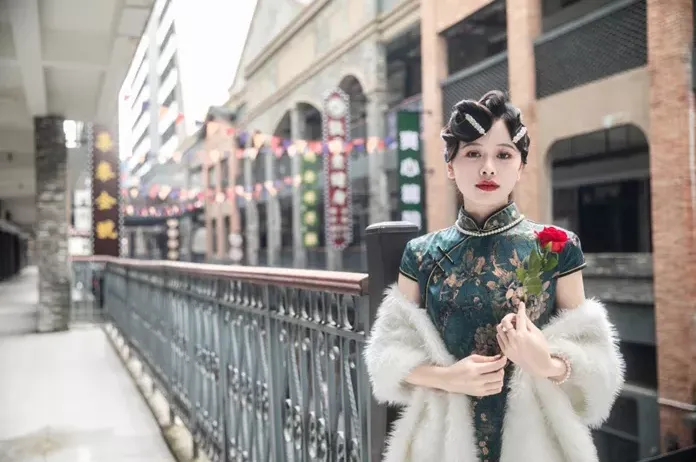

The cheongsam, also called qipao, is one of the most iconic garments in Chinese culture. It is known for its clean lines, high collar, and close fit. At first glance, many people think the beauty of a cheongsam comes from its cut. This is only partly true. The real foundation of a well-made cheongsam is the fabric.
In traditional tailoring, fabric selection comes before cutting. A skilled tailor studies the fabric first. They observe how it drapes, how it reacts to light, and how it responds to touch. Only then do they decide the structure of the garment.
Historical background of cheongsam fabrics
In the early 20th century, the cheongsam evolved from Manchu robes into a modern silhouette. During this period, fabrics began to reflect both tradition and modernity. Silk remained dominant among the upper class. Cotton and linen were used by ordinary people. As Shanghai became a fashion center, new materials and techniques appeared.
Silk brocade became popular for formal wear. Velvet entered the scene for winter fashion. Later, synthetic blends allowed for easier maintenance. Today, designers combine old and new materials to create innovative styles.
Key properties that define a good cheongsam fabric
A proper cheongsam fabric should meet several criteria:
- Smooth drape that follows the body without clinging excessively
- Stable structure that supports tailoring lines
- Comfortable texture suitable for long wear
- Appropriate weight for the intended season
- Visual harmony with traditional or modern design elements
For example, a formal evening cheongsam benefits from a fabric with sheen and structure, such as silk brocade. In contrast, a daily cheongsam requires breathability and ease of movement, which cotton can provide.
This article presents six of the best fabrics used in cheongsam making. Each fabric is discussed in depth. The goal is to help you understand not only what these fabrics are, but also how and when to use them.
The 6 Best Fabrics for Cheongsam
1. Silk: The Gold Standard of Cheongsam Fabrics

Why silk remains unmatched
Silk has been associated with Chinese clothing for thousands of years. It is deeply connected to culture, trade, and craftsmanship. In the context of cheongsam, silk is often considered the finest choice.
Silk has a natural luster. It reflects light softly, giving the garment a subtle glow. This effect enhances the elegance of the wearer. Unlike synthetic shine, silk’s sheen feels refined and natural.
The texture of silk is smooth and gentle. It feels cool on the skin. This makes it comfortable even in warm climates. In places like Singapore, this property is highly valued.
Types of silk used in cheongsam
There are several types of silk commonly used:
- Mulberry silk: Known for its softness, strength, and fine texture
- Silk satin: Features a glossy surface and fluid drape
- Silk crepe: Slightly textured with a matte finish
- Silk chiffon: Lightweight and often used in layered designs
Each type creates a different visual and tactile effect. For example, silk satin is ideal for evening wear, while silk crepe offers a more understated look.
Advantages and limitations
Advantages:
- Excellent drape and flow
- Comfortable and breathable
- Elegant appearance
Limitations:
- Requires careful maintenance
- Sensitive to water and heat
- Higher cost compared to other fabrics
Despite these challenges, silk remains the preferred choice for high-quality cheongsam.
2. Silk Brocade (Jacquard): Symbolism and Structure

A fabric rich in meaning
Silk brocade is a woven fabric with intricate patterns. These patterns are not printed. They are created during the weaving process. This gives the fabric depth and durability.
Brocade often features traditional Chinese motifs. These include dragons, phoenixes, peonies, and clouds. Each motif carries symbolic meaning.
- Dragon: Power and authority
- Phoenix: Grace and harmony
- Peony: Wealth and beauty
- Lotus: Purity and enlightenment
Structural benefits in tailoring
Brocade is thicker than plain silk. It holds its shape well. This makes it suitable for structured cheongsam designs. It can support sharp lines and defined silhouettes.
Because of its weight, brocade is often used in formal or ceremonial garments. Wedding cheongsam frequently use red silk brocade with gold patterns.
Considerations for wear
While brocade is visually impressive, it is less breathable than lighter fabrics. It may feel warm in tropical climates. It is best suited for indoor events or cooler seasons.
3. Velvet: Depth, Warmth, and Sophistication

A fabric of light absorption
Velvet is unique because it absorbs light rather than reflecting it. This creates a deep, rich color. The surface appears soft and luxurious.
Velvet is often used in evening cheongsam. It conveys maturity and elegance. Dark tones like burgundy, emerald, and black are common choices.
Texture and comfort
Velvet has a soft pile. It feels warm and smooth. Some modern velvets include a small amount of stretch, which improves comfort.
Limitations of velvet
- Not suitable for hot climates
- Can be heavy
- Requires careful storage to avoid crushing
Despite these drawbacks, velvet remains a strong choice for formal and seasonal wear.
4. Cotton: Everyday Simplicity and Comfort

A practical choice for daily life
Cotton is widely used for casual cheongsam. It is affordable, breathable, and easy to maintain. These qualities make it ideal for daily wear.
Cotton allows air to circulate. It absorbs moisture. This is important in humid environments. Many people prefer cotton cheongsam for daytime activities.
Design possibilities
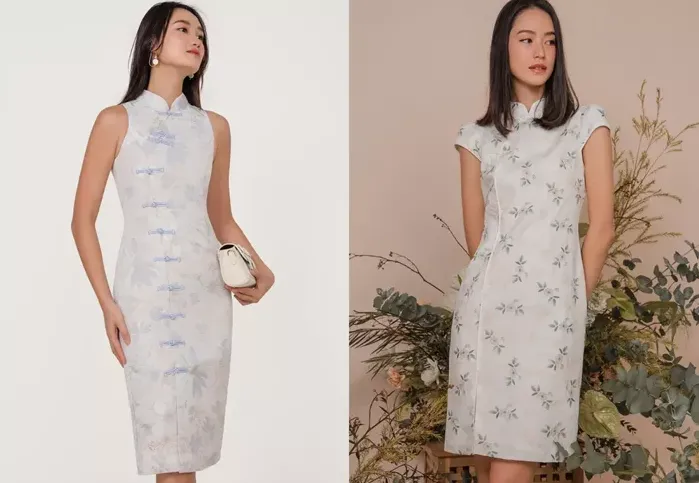
Cotton fabrics often feature printed designs. Floral patterns are especially popular. These designs create a youthful and fresh look.
Challenges of cotton
- Wrinkles easily
- Lacks natural sheen
- Less formal appearance
To improve performance, cotton is sometimes blended with synthetic fibers.
5. Linen: Natural Texture and Modern Appeal

A fabric for relaxed elegance
Linen is made from flax fibers. It has a slightly rough texture. This gives it a natural and understated appearance.
Linen is highly breathable. It is suitable for hot weather. It also has a unique ability to remain cool against the skin.
Modern interpretations of cheongsam
Linen is often used in contemporary cheongsam designs. These designs may feature looser cuts and minimalist details. This creates a balance between tradition and modern lifestyle.
Limitations of linen
- Wrinkles very easily
- Less structured than silk or brocade
Despite this, many people appreciate linen for its authenticity and comfort.
6. Lace and Modern Blends: Innovation in Cheongsam Design

Combining tradition with new materials
Modern cheongsam designers often experiment with new fabrics. Lace is a popular choice. It adds a delicate and feminine quality.
Lace is usually layered over another fabric. This creates depth and texture. It is often used in bridal or evening cheongsam.
Blended fabrics and their benefits
Blended fabrics combine natural and synthetic fibers. Examples include:
- Silk-polyester blends for durability
- Cotton-spandex blends for flexibility
These fabrics are easier to maintain. They resist wrinkles and are often more affordable.
Balancing authenticity and practicality
While modern fabrics offer convenience, they may lack the cultural depth of traditional materials. A well-designed cheongsam should balance both aspects.
How to Choose the Right Fabric for Your Cheongsam
Matching fabric to purpose
Selecting the right fabric depends on several factors:
- Occasion: Formal events require luxurious materials
- Climate: Hot weather calls for breathable fabrics
- Fit: Structured fabrics create sharper silhouettes
- Maintenance: Consider ease of care
For example, a wedding cheongsam may use silk brocade. A casual cheongsam for daily wear may use cotton.
Understanding personal preference
Comfort is important. Some people prefer soft and flowing fabrics. Others prefer structured and firm materials. Personal style also plays a role.
Conclusion
The fabric of a cheongsam defines its character. It affects how the garment looks, feels, and performs. Silk represents tradition and elegance. Brocade adds richness and symbolism. Velvet offers depth and warmth. Cotton and linen provide comfort and practicality. Modern blends introduce flexibility and innovation.
A well-chosen fabric enhances the beauty of the cheongsam. It allows the garment to express both heritage and individuality. By understanding these materials, one can make informed decisions and fully appreciate the artistry of the cheongsam.
FAQs
1. Which fabric is best for a wedding cheongsam?
Silk brocade is the most popular choice for wedding cheongsam due to its rich patterns and symbolic meaning.
2. What is the most comfortable fabric for daily wear?
Cotton is the most comfortable for daily use because it is breathable and easy to maintain.
3. Can cheongsam be made with synthetic fabrics?
Yes, modern cheongsam often use blended fabrics for durability and flexibility, though they may lack traditional texture.
4. How do I maintain silk cheongsam?
Silk cheongsam should be dry cleaned and stored carefully to avoid damage from moisture and heat.

















Sign in to leave a comment.