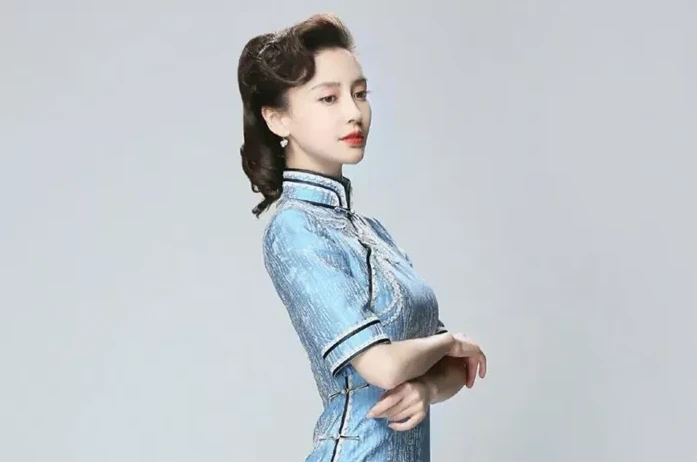

The qipao, also known as cheongsam, is one of the most iconic garments in Chinese fashion history. Its elegant design, rich cultural background, and timeless appeal make it popular around the world. This dress is not just clothing; it is a symbol of Chinese heritage and identity.
The qipao has a long history that reflects China’s social, cultural, and political changes. Today, it is worn on special occasions, in fashion shows, and even in daily life. Understanding why the qipao remains popular requires exploring its history, design, and cultural significance.
The Historical Evolution of Qipao
Origins in the Qing Dynasty
The qipao originated during the Qing Dynasty (1644–1912). It was first worn by Manchu women. The early version was loose and long, covering most of the body. The main purpose was practicality and modesty, not fashion.
During this period, the qipao had a straight cut and was often decorated with intricate embroidery. The design reflected social status. Wealthy women wore qipaos made of silk with elaborate patterns. Ordinary women used simpler fabrics.
Transformation in Republican Era
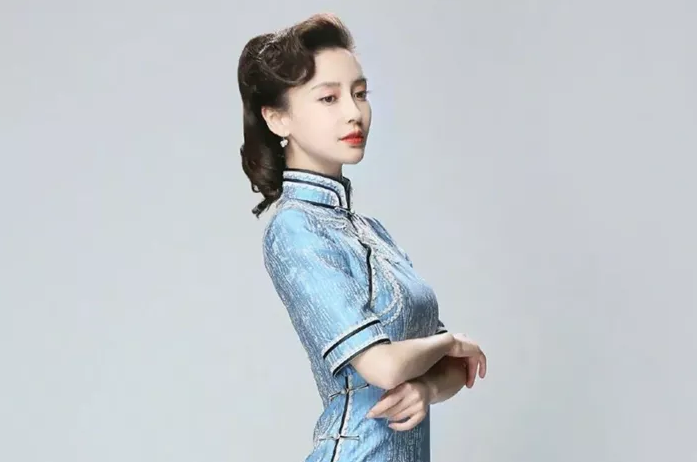
In the 1920s and 1930s, the qipao evolved dramatically in Shanghai. Women began to wear it in a more fitted style. This period marked the birth of modern qipao. Designers introduced high collars, side slits, and body-hugging cuts. These changes made the qipao stylish and elegant, appealing to urban women.
The modern qipao was influenced by Western fashion. It combined Chinese traditional elements with contemporary styles. This blend made it a symbol of modernity and sophistication.
Qipao in the 20th Century
After the 1940s, the popularity of the qipao spread throughout China and overseas. In Hong Kong, Taiwan, and other Chinese communities, the qipao became a cultural icon. It was often worn in films, theater, and public events. The qipao represented both tradition and modern beauty.
During the Cultural Revolution, qipao was less common in daily life but remained in cultural performances and celebrations. After the 1980s, there was a revival of traditional clothing. Designers began creating new versions of the qipao, combining fashion trends with classic elements.
Design Features that Make Qipao Attractive
Elegant Silhouette
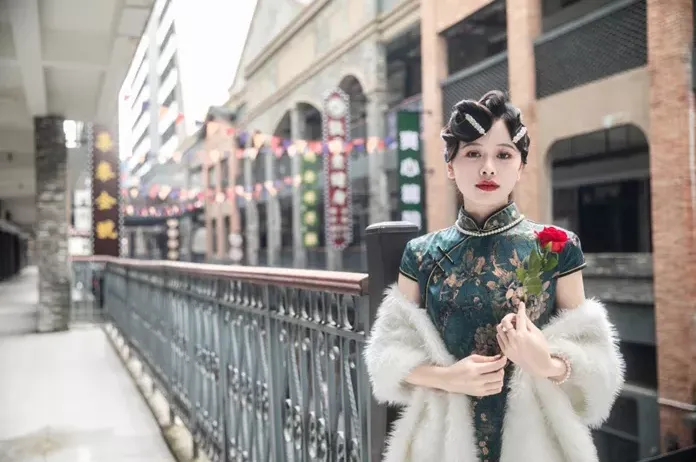
The qipao is known for its elegant silhouette. It hugs the body while maintaining modesty. The high collar and straight cut create a graceful line. The side slits allow freedom of movement while enhancing the feminine form.
This balance of beauty and practicality is one reason why the qipao is so popular. It fits different body types and can be adapted for casual or formal occasions.
Unique Fabric Choices
Qipao is often made from luxurious fabrics such as silk, satin, and brocade. These materials give the dress a soft texture and shiny appearance. Embroidery, patterns, and prints add to its charm.
Each fabric and pattern carries cultural meaning. For example, floral designs symbolize prosperity and happiness. Dragons and phoenixes represent power and good fortune. This connection to Chinese symbolism enhances the qipao’s appeal.
Customizable Details
Qipao can be highly customized. Designers can adjust the collar, sleeves, length, and embroidery. Modern qipaos may include lace, sequins, or modern fabrics. This flexibility allows the qipao to remain relevant across generations.
Cultural Significance of Qipao
Symbol of Chinese Identity
The qipao is more than a dress. It represents Chinese culture and identity. Wearing a qipao expresses respect for tradition. In international events, the qipao serves as a cultural ambassador, showcasing Chinese heritage to the world.
Qipao in Weddings and Festivals
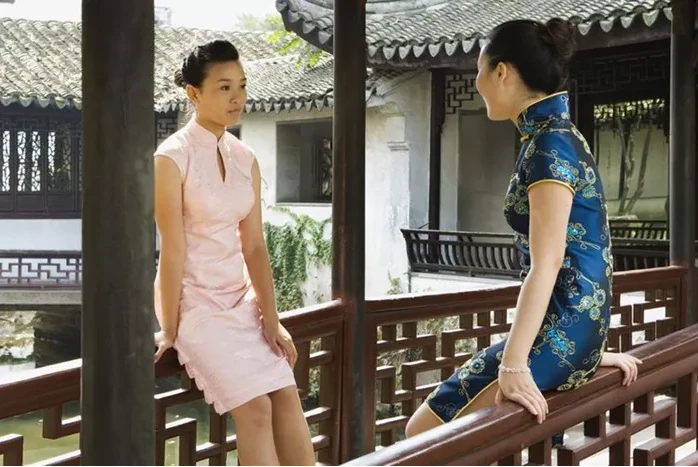
Qipao is popular in weddings, Chinese New Year, and other cultural celebrations. Red qipaos are often worn by brides to symbolize luck and happiness. During festivals, women wear brightly colored qipaos to honor tradition.
Representation in Media and Pop Culture
Qipao has appeared in films, TV dramas, and fashion magazines. Stars and celebrities wearing qipao increase its popularity. The dress is associated with elegance, charm, and sophistication in popular culture.
Global Popularity of Qipao
Adoption in International Fashion
The qipao has influenced designers worldwide. International fashion houses often incorporate qipao elements in dresses, evening gowns, and runway collections. The high collar, fitted waist, and side slits inspire modern clothing designs.
Qipao as a Red Carpet Choice
Many international celebrities wear qipao-inspired gowns at events. This trend brings the qipao into global spotlight. It shows how traditional Chinese clothing can merge with modern fashion trends.
Tourism and Cultural Events
Tourists in China often buy qipaos as souvenirs or wear them in cultural performances. This practice spreads awareness and admiration for the garment worldwide. Cultural festivals also feature qipao shows, increasing its visibility and popularity.
Modern Innovations in Qipao Design
Fusion with Western Fashion
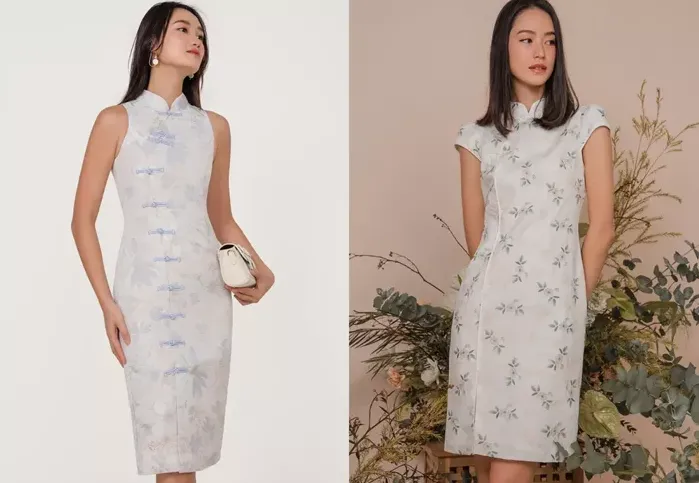
Modern qipaos often combine Western and Chinese styles. Designers create dresses with shorter lengths, new fabrics, and unique patterns. This fusion attracts younger generations who seek fashionable yet traditional clothing.
Casual and Daily Wear Versions
In the past, qipao was worn mainly for formal occasions. Today, designers produce casual qipaos for daily wear. Shorter lengths, lighter fabrics, and simple patterns make the qipao comfortable and practical for modern lifestyles.
Customization and Personal Expression
Modern qipao can reflect personal taste. People choose colors, patterns, and fabrics that suit their personality. Some designers even allow digital printing for unique and personalized designs. This adaptability keeps the qipao relevant in contemporary fashion.
Why People Love Qipao
Timeless Elegance
The qipao has a timeless charm. Its classic design remains stylish even after decades. People are drawn to its elegance and simplicity, which combine tradition with modernity.
Connection to Culture
Wearing a qipao connects people to Chinese culture. It carries stories of history, art, and tradition. Many people wear qipao to feel a sense of pride in their heritage.
Versatility in Fashion
Qipao can be worn in many ways. Formal qipaos suit weddings and ceremonies. Casual qipaos fit parties and daily wear. The dress can be simple or ornate, depending on the occasion. This versatility makes it a popular choice for women worldwide.
Opportunities for Qipao Fashion
Preserving Tradition
While modern designs are popular, traditional qipao craftsmanship is at risk of fading. Skilled tailors and traditional embroidery techniques are rare. Preserving these skills is important to maintain the garment’s cultural value.
Balancing Innovation and Authenticity
Designers face a challenge: how to innovate while keeping the qipao authentic. Successful designs honor tradition while adding contemporary elements. This balance ensures that the qipao remains relevant and admired.
Expanding Global Reach
Opportunities exist to expand qipao appreciation globally. Fashion shows, cultural events, and collaborations with international brands can increase awareness. Online platforms also allow people worldwide to learn about and buy qipaos.
Conclusion
The qipao is popular for many reasons. Its rich history, elegant design, cultural significance, and adaptability make it a unique garment. The qipao represents the perfect blend of tradition and modernity. It connects people to Chinese culture while remaining fashionable and stylish.
From royal courts to modern fashion runways, the qipao continues to charm people worldwide. Its timeless elegance ensures that it will remain a beloved garment for generations. Whether for weddings, festivals, or daily wear, the qipao celebrates beauty, culture, and identity. The qipao is more than a dress—it is a symbol of history, art, and Chinese pride.


























Sign in to leave a comment.