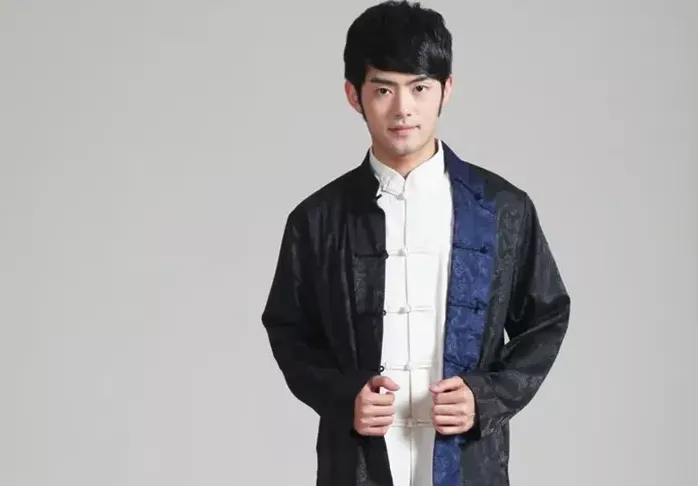

The cheongsam is one of the most recognizable forms of traditional Chinese clothing. Many people know the elegant women’s cheongsam, also called the qipao, because it often appears in films, fashion shows, cultural festivals, and weddings. However, fewer people know about the male version of this traditional garment. This creates an important question: What is a male cheongsam called?
What Is the Male Version of a Cheongsam?
The Changshan Explained
The traditional male version of the cheongsam is called the changshan. The word literally means “long shirt” or “long robe.” It is a full-length garment designed for men and is usually worn over trousers.
The changshan shares some similarities with the women’s qipao. Both garments feature:
- A standing collar
- Side openings or slits
- Traditional Chinese knot buttons
- A straight and elegant silhouette
However, the changshan is generally looser and less form-fitting than the women’s cheongsam. Men’s traditional clothing focused more on comfort, modesty, and social dignity rather than body shape.
Other Names for the Male Cheongsam

Depending on the region and historical context, the male cheongsam may also be called:
- Changpao
- Long gown
- Male qipao
- Chinese robe
In Cantonese-speaking areas, people sometimes use the word “cheongsam” for both male and female garments because the term originally referred to long robes in general.
The Historical Origins of the Changshan
Early Chinese Clothing Traditions
Traditional Chinese clothing has a history stretching back thousands of years. Ancient Chinese garments were heavily influenced by philosophy, politics, social class, and dynastic rules.
Before the Qing Dynasty, Han Chinese men commonly wore Hanfu styles with cross collars and wide sleeves. Clothing reflected Confucian values such as respect, harmony, and social order.
The Qing Dynasty Influence
The changshan became especially important during the Qing Dynasty, which lasted from 1644 to 1912. The ruling Manchu people introduced new dress regulations. Men were encouraged or required to wear long robes with standing collars and straight cuts.
This period strongly shaped what many people now recognize as traditional Chinese formal wear.
The changshan became popular because it was:
- Comfortable for daily use
- Suitable for formal occasions
- Elegant without being overly decorative
- Easy to layer during colder seasons
Educated men and wealthy merchants often wore silk changshan garments to show status and refinement.
Connection Between Changshan and Qipao
The modern women’s qipao developed later from earlier robe styles. Both garments share roots in Qing Dynasty clothing traditions.
Originally, the term “qipao” referred more broadly to robe-style clothing associated with banner people during the Qing period. Over time, the women’s version became more fitted and fashionable, especially in Shanghai during the 1920s and 1930s.
Meanwhile, the men’s changshan remained relatively traditional in shape and structure.
Key Features of a Traditional Changshan
Standing Mandarin Collar
One of the most recognizable elements of the changshan is the standing Mandarin collar. This collar creates a clean and formal appearance.
The collar symbolizes elegance and discipline in Chinese clothing culture.
Traditional Frog Buttons
Changshan garments usually use decorative knot buttons called frog buttons. These buttons are handmade from fabric loops and knots.
They add traditional beauty while also serving a practical purpose.
Long Straight Shape
Unlike modern Western suits that emphasize shoulder structure and body shape, the changshan follows a straight and flowing silhouette.
This style reflects traditional Chinese ideas of balance and modesty.
Side Slits
Most changshan robes include side slits near the legs. These slits improve movement and comfort while walking or sitting.
Luxurious Fabrics
Traditional changshan garments were often made from:
- Silk
- Satin
- Cotton
- Linen
- Brocade
Formal changshan clothing sometimes featured embroidery with dragons, clouds, bamboo, or other symbolic designs.
How the Changshan Differs From the Women’s Qipao

Fit and Tailoring
The most obvious difference is the fit.
The women’s qipao is usually closely tailored to follow the body’s shape. It often highlights elegance and femininity.
The changshan is looser and designed for comfort and dignity.
Length and Structure
Changshan robes are generally longer and straighter. Women’s qipao dresses may have higher slits and more fitted waistlines.
Color and Decoration
Men’s changshan clothing traditionally used darker or calmer colors such as:
- Black
- Navy blue
- Brown
- Dark red
Women’s qipao designs often feature brighter colors and floral embroidery.
Cultural Role
Historically, women’s qipao became strongly associated with fashion and beauty. The changshan remained connected to scholarship, tradition, and formal etiquette.
When Do Men Wear Changshan Today?
Traditional Chinese Weddings
Many Chinese grooms wear changshan outfits during wedding ceremonies. Red and gold changshan robes are especially popular because these colors symbolize happiness and prosperity.
Some couples choose matching traditional clothing for wedding photography.
Cultural Festivals
Changshan garments are commonly worn during:
- Lunar New Year celebrations
- Mid-Autumn Festival events
- Tea ceremonies
- Cultural performances
The clothing helps preserve Chinese heritage and identity.
Martial Arts and Performance Arts
Traditional performers sometimes wear changshan-style robes during:
- Kung fu demonstrations
- Chinese opera performances
- Musical performances
- Calligraphy events
The flowing design allows elegant movement.
Modern Fashion
Some modern designers have updated the changshan for contemporary fashion. Younger generations may wear shorter or slimmer versions inspired by traditional robes.
Luxury fashion brands and Chinese designers continue to reinterpret the changshan using modern fabrics and tailoring techniques.
The Cultural Importance of the Changshan
A Symbol of Chinese Identity
The changshan represents more than clothing. It symbolizes Chinese history, philosophy, and cultural pride.
For overseas Chinese communities, traditional clothing often becomes a meaningful way to stay connected with cultural roots.
Connection to Confucian Values
Traditional Chinese clothing reflected social values such as:
- Respect
- Harmony
- Simplicity
- Self-discipline
The changshan’s modest structure matched these ideas.
Representation in Film and Media
The changshan frequently appears in historical dramas and martial arts films. Famous actors portraying scholars, masters, or businessmen often wear changshan robes.
This has helped international audiences recognize traditional Chinese male fashion.
Modern Revival of Traditional Chinese Clothing
Growing Interest in Hanfu and Traditional Fashion
In recent years, there has been renewed interest in traditional Chinese clothing. Younger generations are exploring historical garments as part of cultural revival movements.
Although Hanfu has become especially popular, the changshan also continues to attract attention.
Fusion With Contemporary Design
Modern designers combine changshan elements with Western tailoring. Examples include:
- Mandarin collar jackets
- Slim-fit robes
- Modern fabrics
- Minimalist embroidery
This fusion helps traditional fashion remain relevant in modern society.
International Recognition
Chinese-inspired fashion has appeared on international runways and red carpets. Celebrities and designers increasingly appreciate the elegance of traditional Chinese garments.
The changshan’s clean lines and timeless design make it attractive beyond China.
How to Choose a Modern Changshan

Select the Right Fabric
For formal occasions, silk or brocade fabrics create a luxurious appearance.
For casual wear, cotton or linen provides comfort and breathability.
Choose Appropriate Colors
Dark colors are ideal for formal events. Red is popular for celebrations and weddings.
Neutral shades work well for modern styling.
Focus on Proper Fit
A changshan should feel comfortable without appearing oversized. The shoulders and collar should fit neatly.
Modern tailoring can create a cleaner silhouette while preserving traditional character.
Consider the Occasion
Simple designs work best for daily cultural wear. Embroidered or highly decorative robes are more suitable for ceremonies and performances.
Changshan vs Tang Suit
Common Confusion
Many people confuse the changshan with the Tang suit. However, they are different garments.
The Tang suit is usually a shorter jacket with a Mandarin collar and front frog buttons.
The changshan is a long robe reaching below the knees or ankles.
Different Historical Backgrounds
Despite the name, the Tang suit does not actually come from the Tang Dynasty. It developed much later.
The changshan has stronger roots in Qing Dynasty robe traditions.
The Future of the Changshan
Preserving Traditional Craftsmanship
Traditional changshan making requires skilled tailoring and hand-sewn details. Many artisans continue to preserve these techniques.
Custom-made garments remain highly respected.
Popularity Among Younger Generations
Younger people are increasingly interested in wearing traditional clothing during cultural events and photography sessions.
Social media has also helped popularize traditional Chinese fashion worldwide.
A Blend of Tradition and Innovation
The future of the changshan will likely combine historical beauty with modern practicality.
Designers continue to explore new ways to keep this traditional garment alive for future generations.
Conclusion
The male version of the cheongsam is most commonly called the changshan. This elegant long robe has deep roots in Chinese history and culture. While it shares certain design features with the women’s qipao, it developed its own identity as a symbol of dignity, scholarship, and tradition.
Understanding the changshan helps people appreciate the broader story of Chinese traditional clothing and the lasting beauty of cultural heritage.
FAQs
Is the changshan the same as a qipao?
No. The changshan is the traditional male robe, while the qipao usually refers to the fitted women’s dress. They share historical roots but differ in tailoring and cultural use.
Can men wear cheongsam today?
Yes. Men still wear changshan or male cheongsam styles during weddings, festivals, tea ceremonies, cultural events, and fashion occasions.
What is the difference between a changshan and a Tang suit?
A changshan is a long robe, while a Tang suit is usually a shorter jacket with a Mandarin collar and frog buttons.


















Sign in to leave a comment.