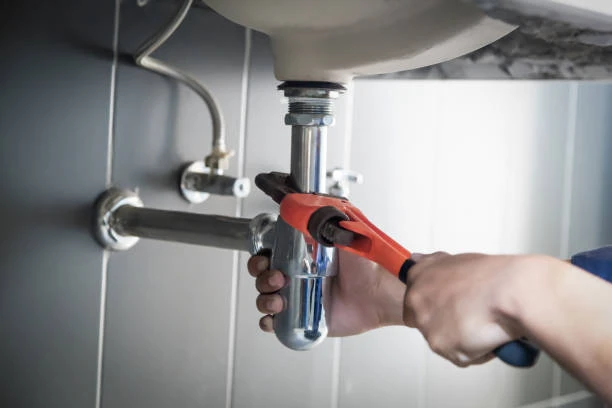
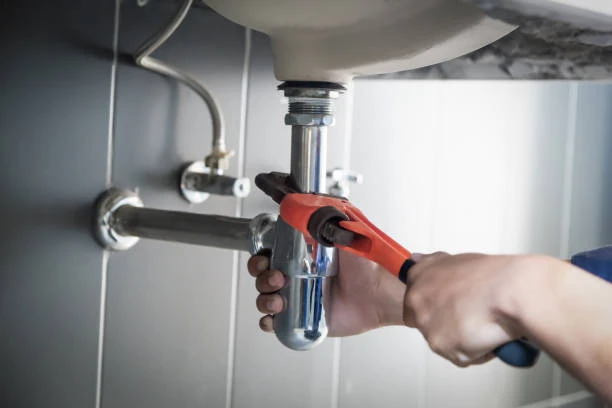
Finding a trustworthy plumber is one of those things most homeowners don't think about until something goes wrong — and by that point, water is already dripping through the ceiling or backing up through the drain. The pressure to find someone quickly often means people end up hiring whoever is available rather than whoever is actually qualified, and that decision can turn a small problem into a very expensive one.
The truth is, not all plumbers are created equal. Australia has strict licensing requirements that protect homeowners, but within those licensed ranks, there's still a wide range of experience levels, pricing practices, and customer service standards. Knowing what to look for before you need a plumber means you'll be ready to make a good decision — whether it's a routine repair or a 2am emergency.
This guide is designed to help Australian homeowners — including those looking for a dependable Plumber Epping locals would recommend — navigate the process of finding, vetting, and hiring a reliable plumbing professional. Read on and take the guesswork out of one of the most important tradespeople you'll ever call.
Why Choosing the Right Plumber Actually Matters
It might seem like all plumbing jobs are fairly interchangeable — a pipe is a pipe, right? In reality, the quality of plumbing work has long-term consequences for your home's safety, structural integrity, and resale value. Poor workmanship can lead to hidden water leaks that cause mould and rot inside walls, non-compliant installations that void your home insurance, issues that only surface when you try to sell the property, and costly rectification work to undo bad repairs.
A licensed, experienced plumber doesn't just fix the immediate problem — they identify contributing factors, work to a standard that meets the Plumbing Code of Australia, and provide documentation that protects you legally. The few extra dollars you spend on a quality tradie upfront can save you thousands down the track.
Step 1: Always Check for a Valid Plumbing Licence
In Australia, plumbing is a licensed trade. Every state and territory has its own licensing authority, and it is illegal to carry out plumbing work without the appropriate licence. In Victoria, licensing is managed by the Victorian Building Authority (VBA).
Before you engage anyone for plumbing work — no matter how small the job — ask for their licence number and verify it. In Victoria, you can check a plumber's licence status directly through the VBA website at vba.vic.gov.au. The licence should be current, in the plumber's name, and cover the type of work you need done.
Be wary of anyone who is reluctant to provide their licence number, claims they 'don't need one' for a small job, or asks you to pay cash with no paperwork. These are red flags that should send you looking elsewhere immediately.
For specific types of work, additional endorsements or licences may be required. Gas fitting, for instance, requires a separate gasfitting licence on top of a general plumbing licence. Always confirm the plumber holds the correct credentials for your specific job.
Step 2: Confirm They Have Public Liability Insurance
Licensing is the minimum requirement, but a professional plumber should also carry public liability insurance. This protects you as the homeowner if something goes wrong during the job — for example, if a pipe is accidentally damaged and causes water to flood through your home.
Without insurance, you could be left footing the bill for damage caused during the repair process. Always ask your plumber to confirm their insurance coverage before work begins. A reputable tradie will have no hesitation providing this information, as it's a standard expectation in the industry.
Some larger plumbing companies may also carry professional indemnity insurance, which covers errors in design or specification on more complex projects. For major renovations or new builds, this added layer of protection is worth asking about.
Step 3: Look for Local Experience and Reputation
There's a real advantage to hiring a plumber who knows your local area. Local tradies are familiar with the common plumbing configurations in your suburb's housing stock, aware of any area-specific water pressure or supply issues, and more accessible for follow-up visits if a problem reoccurs.
For homeowners in Melbourne's northern suburbs, finding a trusted Plumber Epping residents have used and recommended is far more valuable than simply booking whoever comes up first in a national search. Local reputation matters — a plumber who relies on word-of-mouth business in the community has a strong incentive to do the right thing by every customer.
The best ways to find reputable local plumbers include asking friends, family, or neighbours for personal recommendations, checking local community Facebook groups and neighbourhood apps like Nextdoor, reading Google reviews (paying attention to the most recent ones), and looking for plumbers who have been operating in the area for several years.
When reading reviews, don't just look at the star rating — read what people are actually saying. Look for patterns: consistent comments about punctuality, clear communication, fair pricing, and quality of work are all strong positive indicators.
Step 4: Get Multiple Written Quotes
For any job beyond a minor emergency repair, it's worth getting at least two or three written quotes before committing. This serves several important purposes: it gives you a realistic sense of what the job should cost, helps you identify any outliers (extremely cheap quotes can be just as concerning as expensive ones), and gives you something in writing to refer back to if disputes arise.
A professional plumber should provide a written quote that clearly outlines the scope of work, the materials to be used, the estimated labour time, and the total cost including GST. Be very cautious of vague verbal quotes or tradespeople who are unwilling to put anything in writing before work begins.
When comparing quotes, don't automatically go with the cheapest. Consider the following:
•What is included in the quoted price? Does it cover all materials and labour, or are there likely to be 'extras' added on later?
•Is the quote from a fully licensed and insured plumber?
•Does the plumber seem knowledgeable and willing to explain what work needs to be done and why?
•Are there any guarantees or warranties on the work performed?
Step 5: Ask the Right Questions Before You Hire
A brief conversation before you commit to a plumber can tell you a lot. Don't be shy about asking direct questions — a confident, experienced professional will answer them without hesitation. Here are some of the most important questions to ask:
•Are you licensed to perform this type of work in Victoria?
•Do you carry public liability insurance? Can you provide documentation?
•How long have you been operating in the Epping or northern Melbourne area?
•Have you done similar jobs before? Can you provide references?
•Will you provide a written quote before starting?
•Will the work require a Certificate of Compliance? Who is responsible for obtaining it?
•What is your call-out fee, and how do you charge — hourly or by the job?
•Do you offer any guarantee on your workmanship?
The answers to these questions will give you a clear picture of who you're dealing with. A plumber who hesitates, becomes defensive, or can't answer basic questions about licensing and insurance is not someone you want working on your home.
Step 6: Understand Certificates of Compliance
In Victoria, licensed plumbers are required to issue a Certificate of Compliance (CoC) for most plumbing, drainage, and gasfitting work. This certificate confirms that the work has been completed to the required standard and in accordance with the relevant Australian Standards and the Plumbing Code of Australia.
A Certificate of Compliance is an important legal document. It's required when you sell your home, and your insurer may ask for it if you make a claim related to the plumbing work. Always ask for a CoC upon completion of any licensed plumbing work, and keep a copy filed with your other home documents.
If a plumber tells you a Certificate of Compliance isn't needed for your job, double-check this claim with the VBA directly. Some very minor work may be exempt, but for the majority of plumbing installations and repairs, a CoC is required by law.
Step 7: Know What to Expect on the Day
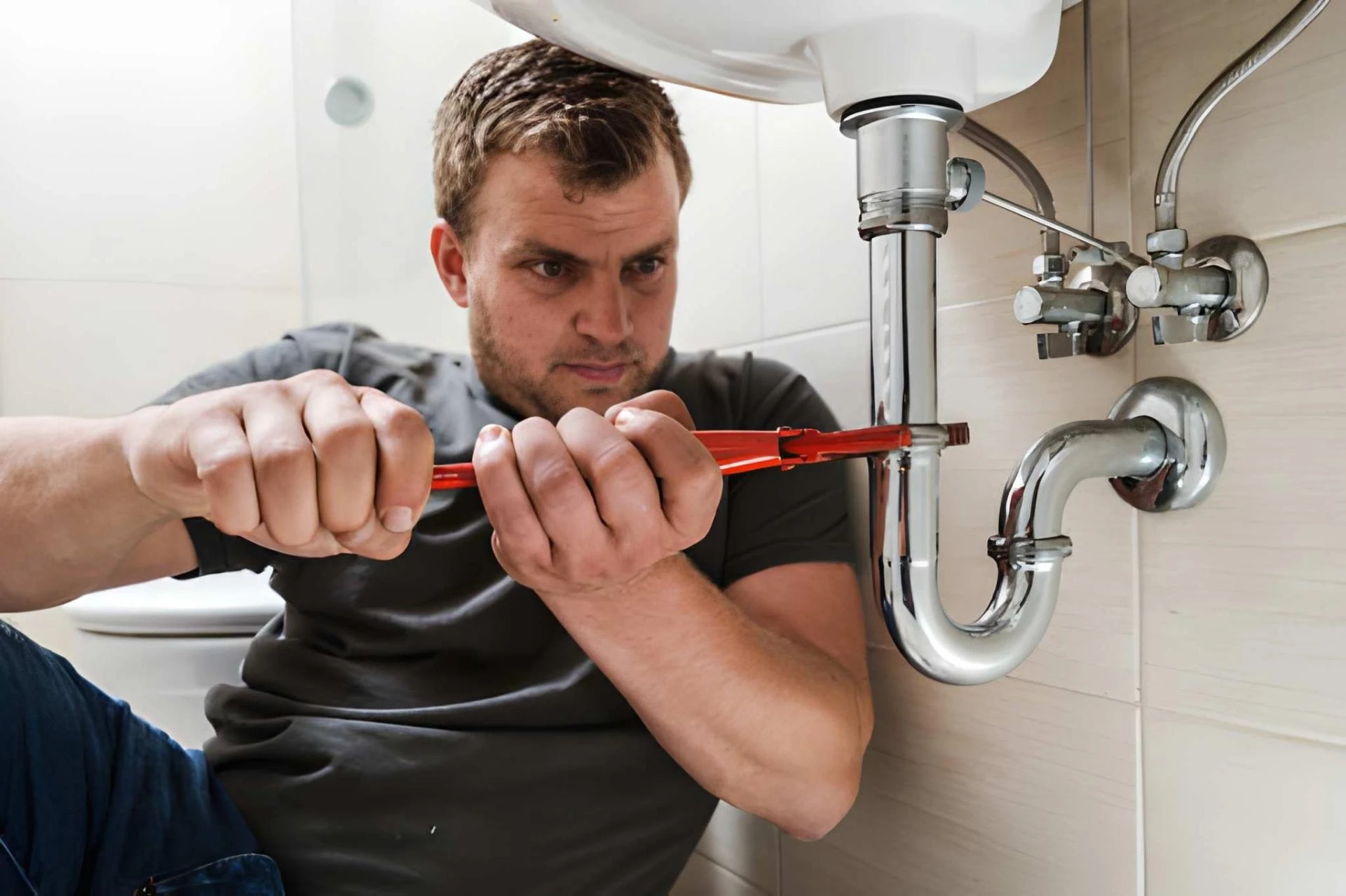
Once you've hired a plumber you're confident in, it's reasonable to have some expectations about how the job should go. A professional tradie will arrive at or close to the agreed time, or contact you promptly if they're running late. They'll explain the work they're going to carry out before starting, protect your home by laying drop sheets or cleaning up as they go, and notify you immediately if they discover additional issues that will affect the scope or cost of the job.
Before work begins, confirm the payment terms. Most established plumbing businesses will invoice you on completion, with payment due within a set period. Be cautious of any plumber who demands a large upfront cash payment before any work has been done, particularly from an operator you haven't dealt with before.
Hiring a Plumber Epping: What Local Homeowners Should Know
Epping and the surrounding northern Melbourne suburbs represent one of the city's most diverse and rapidly developing residential areas. From older post-war homes in established streets to brand-new estates on the urban fringe, the range of plumbing configurations and common issues varies widely across the area.
Homeowners in older Epping properties may be dealing with ageing galvanised steel or cast iron pipes that are increasingly prone to corrosion and blockages. Newer estates, on the other hand, often feature builder-grade hot water systems, fixtures, and fittings that can require attention after the first five to ten years of occupancy.
A Plumber Epping locals trust will understand these local nuances and be equipped to advise you on the best course of action for your specific home. They'll also be familiar with the local council's requirements and be accessible for follow-up support — something that's harder to guarantee when you book through a national aggregator platform with no real connection to the local community.
When an emergency strikes — a burst pipe, an overflowing toilet, or a gas leak — having the number of a trusted local plumber already saved in your phone is invaluable. Don't wait for a crisis to start searching for someone you can rely on.
Red Flags to Watch Out For
As a final checklist, here are the warning signs that should make you pause before handing over a job to any plumber:
•No licence number provided or licence cannot be verified through the VBA
•Unwilling to provide written quotes — only gives verbal estimates
•Asks for a large cash payment upfront before work commences
•Cannot confirm they carry public liability insurance
•Extremely low quote that seems too good to be true
•No online presence, reviews, or local references available
•Dismissive of your questions or unable to explain the work clearly
•Does not offer or mention a Certificate of Compliance for licensed work
•Pressures you to make a quick decision without time to compare quotes
Trust your instincts. If something feels off during your first interaction with a plumber, it's perfectly acceptable to decline and keep looking. There are plenty of skilled, honest tradies out there — you just need to know how to find them.
Frequently Asked Questions (FAQs)
Q1: How do I verify a plumber's licence in Victoria?
You can verify any plumber's licence through the Victorian Building Authority (VBA) online licence search at vba.vic.gov.au. Simply enter the plumber's name or licence number to confirm that their licence is current, active, and covers the type of work you need. This takes less than two minutes and is strongly recommended before you engage anyone for plumbing work.
Q2: What is the difference between a plumber and a gasfitter?
In Victoria, plumbing and gasfitting are separate licensing categories. A licensed plumber is qualified to work on water supply, drainage, and sanitary plumbing systems. A licensed gasfitter is authorised to install, repair, and maintain gas pipework and gas appliances. Some tradespeople hold both licences, but it's always important to confirm that the person you hire holds the correct licence for your specific job before work begins.
Q3: Do I need a Certificate of Compliance for all plumbing work?
Most licensed plumbing work in Victoria requires a Certificate of Compliance. This includes new installations, replacements of hot water systems, drainage and sanitary plumbing work, and gasfitting work. Very minor maintenance tasks — such as replacing a tap washer — may not require one, but when in doubt, ask your plumber directly or check with the VBA. Always request a CoC for any significant work and keep it with your home's records.
Q4: How much does a plumber typically charge in the Epping area?
Plumber rates vary depending on the type of work, urgency, and individual operator. In Melbourne's northern suburbs, including Epping, you can typically expect a call-out fee of $80 to $150, with hourly rates ranging from $100 to $180. Emergency or after-hours callouts will attract higher rates. For larger jobs, always request a fixed-price or detailed itemised quote rather than an open-ended hourly arrangement.
Q5: Is it okay to use a handyman for minor plumbing work?
In Victoria, any work involving the plumbing, drainage, or gasfitting system of a property must be carried out by a licensed plumber — regardless of how 'minor' the job appears. Using an unlicensed handyman for plumbing work, even something seemingly small like connecting a dishwasher or replacing a cistern, is illegal and can void your home insurance. Always use a licensed plumber for any work that touches your plumbing system.
Q6: What should I do in a plumbing emergency before the plumber arrives?
The most important first step in any plumbing emergency is to locate and turn off the main water supply valve — typically found near the water meter at the front of the property. For a gas emergency, turn off the gas at the meter and evacuate the property before calling your gas provider's emergency line. Don't use any electrical switches if you suspect a gas leak. For burst pipes or flooding, move valuables and turn off electricity in affected areas if it is safe to do so.
Q7: How do I find a trustworthy Plumber Epping locals recommend?
The most reliable method is through personal recommendations from people you trust — friends, family, or neighbours who have had positive experiences with a local plumber. Beyond personal referrals, check Google reviews for plumbers operating specifically in the Epping and northern Melbourne area, look at their website for signs of professionalism (licence numbers, insurance details, service descriptions), and ask the plumber directly for local references. A reputable local operator will be happy to provide them.
Q8: Can I get a fixed price for plumbing work, or is it always charged hourly?
Many plumbers are happy to provide fixed-price quotes for clearly defined jobs — such as replacing a hot water system, installing a new tap, or clearing a blocked drain. However, for jobs where the full extent of the problem isn't known until work begins (such as investigating a hidden leak or dealing with root-damaged sewer pipes), an hourly rate may be more appropriate. Always clarify the pricing structure before work starts, and ask the plumber to contact you for approval before proceeding if additional work beyond the original scope is required.
The Bottom Line: A Little Research Goes a Long Way
Choosing a reliable plumber doesn't have to be complicated. By focusing on a few key criteria — licensing, insurance, local reputation, written quotes, and clear communication — you can dramatically reduce the risk of a bad experience and ensure the work done on your home meets the required standard.
For homeowners in Melbourne's north, finding a reputable Plumber Epping residents trust is about more than just fixing a leaking tap. It's about building a relationship with a local professional who knows your home, understands your area, and will be there when you need them most. Do your research now, save the right number in your phone, and you'll never be left scrambling when a plumbing problem strikes.
























Sign in to leave a comment.