Why an Electric Tongue Jack Matters for Campers
If you've ever had to manually crank your trailer in the rain, or when you're just tired after a long drive, you’ll know it’s not fun. An electric tongue jack can make a big difference in that moment. It's not just about saving effort — it's about making things smoother, safer, especially if you're hitching up alone or at night. With the right jack, setup becomes something you don’t have to think twice about.
Key Specs to Look For
There are a few practical things to focus on when picking a jack for your camper.
Start with lifting capacity. Even smaller trailers can get heavy when fully loaded, so make sure your jack can handle the tongue weight with room to spare. You’ll typically see models in the 2 to 5-ton range, and what you choose depends on your trailer’s weight and how often you travel.
Then there’s power — most electric jacks designed for RV use run on 12V DC, so ideally you want one that plugs into your camper’s battery or your vehicle’s accessory socket. That way, you’re not relying on shore power at the campsite.
Lifting height can be easy to overlook, but it matters. A jack that can raise high enough to clear uneven ground, or lower far enough to level on a sloped driveway, gives you more flexibility. Something with around 135mm to 450mm range usually covers most scenarios.
And of course, it helps if it’s built to last — think rust-resistant materials, sealed components, and solid construction that doesn’t mind getting dirty or wet.
Use Case Example: ATO Electric Jack
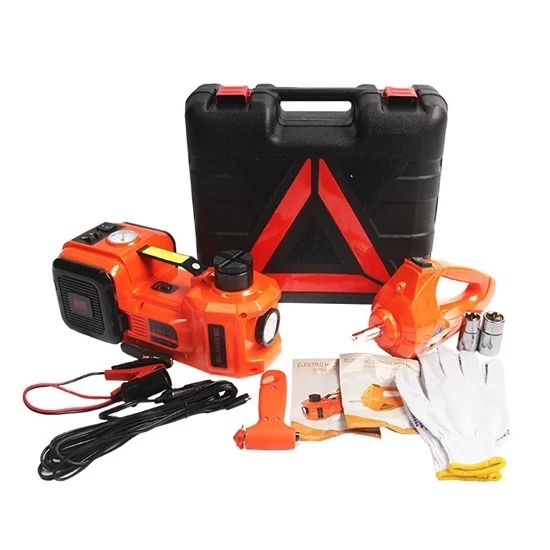
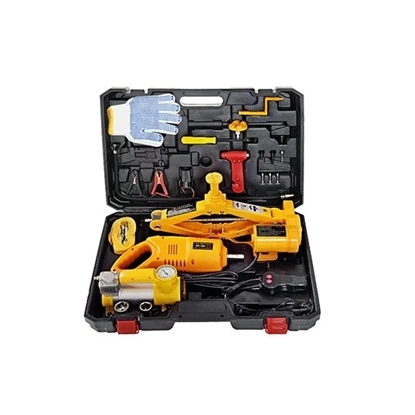
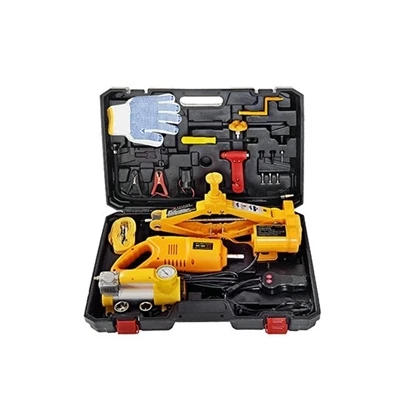
The ATO electric jack fits into this picture pretty well. It supports multiple load capacities, works directly off 12V power, and offers extras that actually make a difference — like LED lighting for low-light hookups and wired controls for more precise operation. The housing is compact but durable, and it comes in a carry case, which makes it easier to keep things organized. Whether you’re an occasional camper or on the road often, it’s the kind of tool you don’t regret bringing along.
Installation and Compatibility Tips
Before you buy, it’s worth checking the mounting hole layout on your trailer tongue. Most electric jacks follow standard patterns, but matching the plate and bolt pattern avoids unnecessary drilling. Also consider space — especially if you use sway bars or a weight distribution hitch — just to be sure the jack body won’t interfere with your setup.
Conclusion
Choosing the right electric tongue jack isn’t complicated, but getting the right one makes a big difference. A good jack means fewer hassles, smoother setups, and just a bit more peace of mind when you're on the road. If the ATO model checks the boxes for your needs, it might be worth a closer look — especially if you’re aiming for something that’s both practical and built to last.
























Sign in to leave a comment.