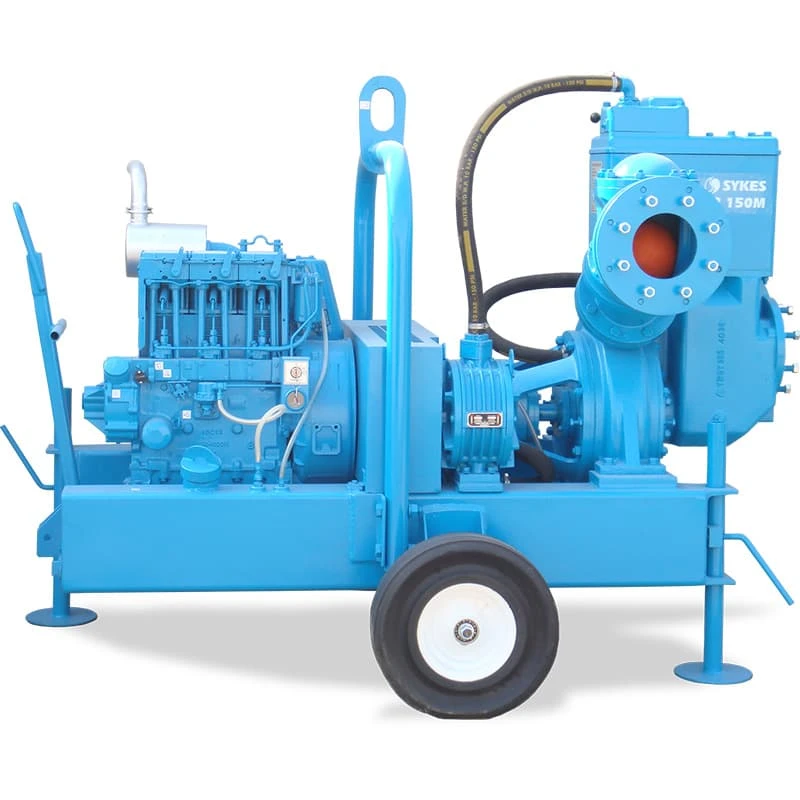

When embarking on construction projects, particularly in regions with high water tables, effective groundwater management becomes paramount. Two common methods for achieving this are deep well dewatering and wellpoint dewatering. Each approach has its own unique benefits and applications, making it essential for contractors to understand their options. This article provides a comprehensive guide on how to choose between deep well and wellpoint dewatering, emphasizing the importance of dewatering pump hire from reputable companies like Khansaheb Sykes.
Understanding the Basics of Dewatering
Before diving into the specifics of each method, it’s crucial to grasp what dewatering entails. Dewatering is the process of removing groundwater or surface water from a construction site to create a dry working environment. This is especially important in areas where excavation reaches below the water table, as it helps prevent delays, safety hazards, and other complications associated with water accumulation.
Real-Life Example: A Construction Project in Sharjah
In a recent project in Sharjah, a contractor faced significant challenges due to a high water table. By implementing a dewatering solution, they were able to maintain a dry site, ensuring that construction proceeded on schedule. This experience highlights the necessity of choosing the right dewatering method tailored to specific project needs.
Deep Well Dewatering: An Overview
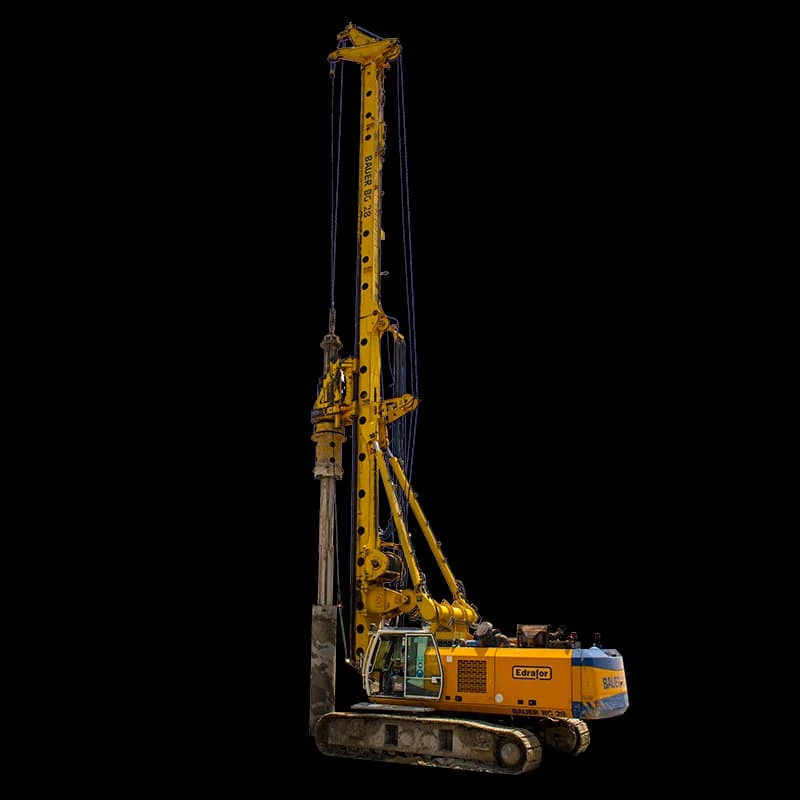
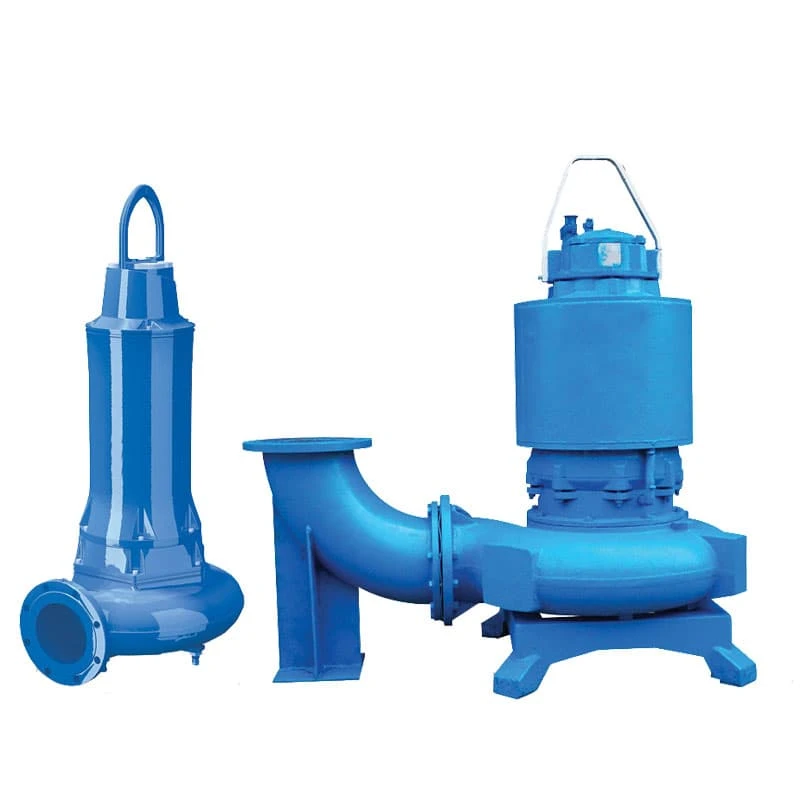
Deep well dewatering involves the installation of deep wells that are drilled into the ground to reach the water-bearing strata. A submersible pump is placed at the bottom of the well to extract groundwater efficiently. This method is particularly effective for lowering the groundwater table to considerable depths, making it suitable for larger and more complex excavation projects.
Technical Details of Deep Well Systems
Deep well systems typically consist of vertical or inclined bores, usually ranging from 200mm to 300mm in diameter. The water is removed through submersible pumps, which can handle significant volumes and are effective in a variety of soil conditions. The installation process involves placing a uPVC well casing in the borehole, ensuring structural integrity while allowing groundwater to flow into the well. To enhance performance, an adequate filter pack is installed around the casing to maximize yield and minimize the movement of fine particles.
Advantages of Deep Well Dewatering
One of the primary advantages of deep well dewatering is its capacity to lower water levels in extensive areas, making it ideal for large-scale construction projects such as power stations, tunnels, and industrial facilities. It is particularly beneficial in situations where the water table needs to be lowered significantly and maintained over an extended period.
Wellpoint Dewatering: An Overview
In contrast, wellpoint dewatering utilizes a series of shallow wells, known as wellpoints, installed around the perimeter of the excavation site. These wells are connected to a header pipe, which facilitates the extraction of groundwater. The water is pumped from these wellpoints, allowing for efficient lowering of the groundwater table, especially in areas with highly permeable soils.
Technical Details of Wellpoint Systems
Wellpoint systems are characterized by their flexibility and cost-effectiveness. The installation involves jetting wellpoints into the ground, spaced appropriately to achieve efficient drawdown. These wellpoints are connected to flexible hoses and a header pipeline, allowing for a stable and economical method of controlling groundwater. This system is particularly advantageous for projects requiring excavation depths of up to 7-9 meters.
Advantages of Wellpoint Dewatering
Wellpoint dewatering is often preferred for smaller, shorter-term projects or where excavation depths are less significant. It is also easier and quicker to install compared to deep well systems, making it a popular choice for construction sites with time constraints. Additionally, wellpoint systems can be adjusted on-the-fly, allowing for flexibility in project execution.
Choosing Between Deep Well and Wellpoint Dewatering
When deciding between deep well and wellpoint dewatering, several factors come into play. Understanding the specific requirements of the project, the site conditions, and the desired outcomes will inform the best choice.
Factors to Consider
- Project Size and Scope: For larger projects that require significant groundwater management over an extended period, deep well dewatering is often the better choice. Conversely, wellpoint dewatering may be more suitable for smaller projects or those with less demanding groundwater control needs.
- Excavation Depth: If the excavation will reach depths greater than nine meters, deep well dewatering is typically the preferred method. Wellpoint systems are more effective for shallower excavations.
- Soil Conditions: The type of soil present on the site can influence the effectiveness of each method. Deep well systems can handle a broader range of soil conditions, while wellpoint systems are particularly effective in highly permeable soils.
- Budget and Time Constraints: Consideration of project budgets and timelines can also guide the decision. Wellpoint systems generally involve lower initial costs and quicker setup times, making them appealing for projects with tight deadlines.
Real-Life Example: The Right Fit for the Job
In a recent construction endeavor in Abu Dhabi, a contractor opted for wellpoint dewatering due to the site’s sandy soil and the need for rapid installation. This decision enabled them to efficiently manage groundwater levels while staying within budget and schedule constraints. Conversely, another contractor working on a large-scale power plant utilized deep well dewatering to manage extensive groundwater issues, showcasing how different methods can be tailored to meet project needs.
The Importance of Dewatering Pump Hire
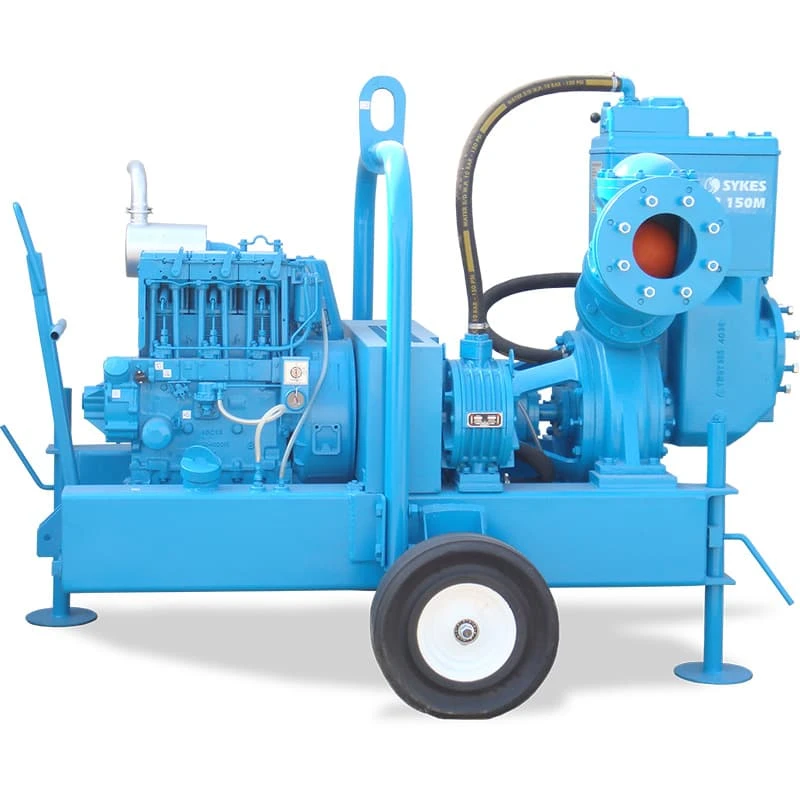
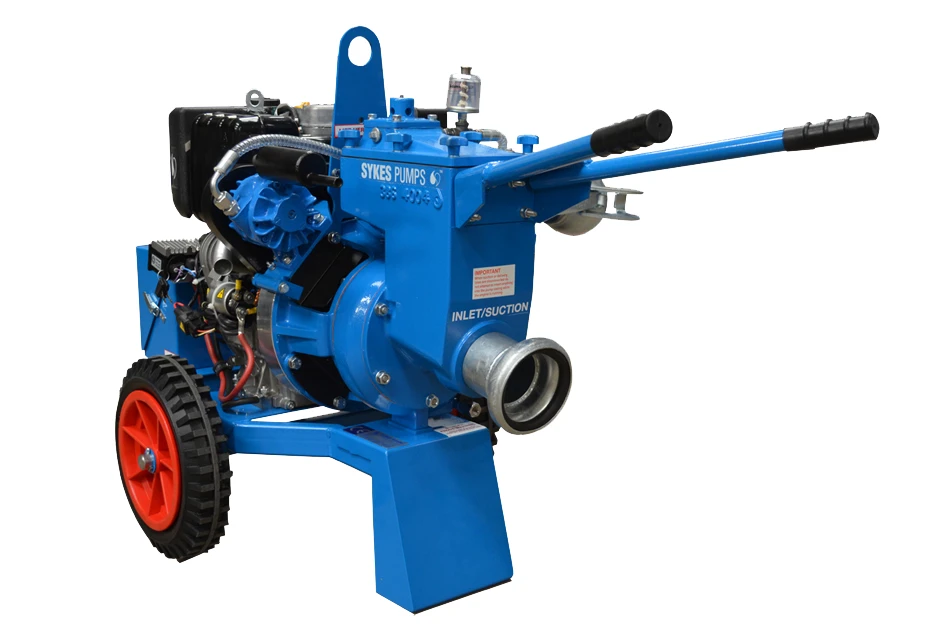
Regardless of the method chosen, accessing reliable equipment is vital for successful dewatering. Dewatering pump hire from reputable providers like Khansaheb Sykes ensures that contractors have the right tools for the job. With a diverse range of pumps available, including electric submersible and hydraulic submersible options, contractors can select equipment tailored to their project’s specific requirements.
Khansaheb Sykes also offers technical assistance in selecting the most efficient dewatering method, providing peace of mind that projects will run smoothly and efficiently.
Call to Action: Partner with Khansaheb Sykes for Your Dewatering Needs
When it comes to dewatering solutions, choosing the right method is crucial for project success. Contractors looking to navigate the complexities of groundwater management should consider partnering with Khansaheb Sykes. With their extensive range of dewatering pumps and expert guidance, they can help ensure that projects stay on track and within budget. For a comprehensive consultation on dewatering pump hire, reach out to Khansaheb Sykes today and take the first step towards effective groundwater management!

























Sign in to leave a comment.