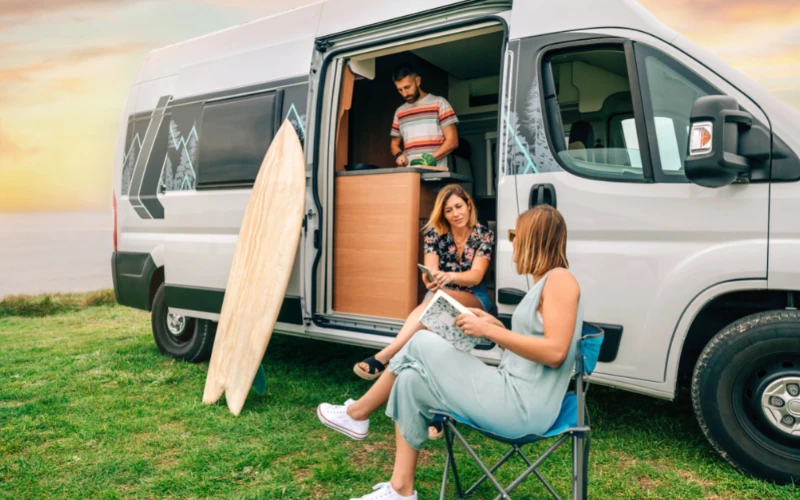

Traveling in an RV can be one of the most exciting ways to explore new places. Imagine hitting the open road with everything you need in one vehicle. You can sleep, cook, and relax wherever you go. But before you start your journey, you need to decide an important question: Should you rent or buy an RV? Both options have benefits and drawbacks, and the right choice depends on your lifestyle, budget, and travel goals. This guide will help you understand the key differences and make the best choice for your adventures.
Understanding the Basics: Renting vs Buying
Before we dive into the details, let’s define the two options:
- Renting an RV means you borrow an RV for a limited period. You pay for the rental, fuel, and any extra services like insurance. Once your trip is over, you return the RV. Renting is ideal for people who want to try RV travel or only travel occasionally.
- Buying an RV means you purchase your own vehicle. You can use it anytime you want, personalize it, and keep it for years. Buying is better for people who travel often or want a long-term investment in their travel lifestyle.
Knowing the difference is the first step to making the right decision. Let’s look at the factors you should consider.
1. How Often You Plan to Travel
The first question to ask yourself is how often you will use an RV.
- Occasional Travel: If you plan to travel once or twice a year, renting is usually better. Buying an RV can be expensive, and owning one you rarely use is not cost-effective. Renting allows you to enjoy the experience without the long-term commitment.
- Frequent Travel: If you travel frequently or plan to live on the road, buying an RV can be a smart investment. Owning your own vehicle gives you freedom to travel whenever you want without waiting for rentals or paying repeated rental fees.
Think about your travel goals. Are you taking a weekend trip, a month-long adventure, or traveling every season? This will help determine the best option for you.
2. Budget Considerations
Budget is a major factor when deciding between renting or buying. Both options come with costs, but they are different.
- Renting Costs: When you rent an RV, you pay a fee for each trip. This fee usually includes the RV, basic equipment, and sometimes insurance. You also pay for fuel, campground fees, and any optional add-ons. Renting allows you to avoid long-term costs like maintenance, storage, and registration.
- Buying Costs: Buying an RV requires a larger upfront investment. Prices can range from tens of thousands to over a hundred thousand dollars, depending on the size and type of RV. Owning an RV also comes with ongoing expenses like insurance, maintenance, repairs, storage, and fuel. However, if you travel often, these costs can be spread out over many trips, making ownership potentially more cost-effective over time.
It helps to calculate the total cost per year for both renting and buying based on your travel frequency and budget. This will give you a clear picture of which option is financially smarter.
3. Types of RVs
RVs come in many shapes and sizes, including motorhomes, camper vans, travel trailers, and fifth wheels. The type of RV you want may influence your decision.
- Renting Flexibility: Renting allows you to try different types of RVs. You can choose a small camper van for a weekend trip or a large motorhome for a family vacation. This flexibility helps you understand what you like before making a big purchase.
- Buying Commitment: Buying locks you into one RV style until you sell it. If you choose to buy, think about what size, layout, and features fit your long-term needs. Consider future trips, family size, and how comfortable you are with driving and parking larger vehicles.
Trying different types of RVs through rentals can help you make a more informed decision before investing in one.
4. Maintenance and Upkeep
Owning an RV comes with responsibilities that renting does not.
- Maintenance When Buying: RVs need regular maintenance, including engine care, tire checks, plumbing, and electrical systems. Repairs can be costly and time-consuming. You are also responsible for winterizing and storing the RV if you live in a cold climate.
- Maintenance When Renting: Rental companies handle maintenance for you. You simply return the RV in good condition, and any major repairs are the responsibility of the rental company. This makes renting hassle-free, especially for first-time RV travelers.
If you prefer stress-free travel and don’t want to deal with upkeep, renting is the easier choice. If you enjoy taking care of vehicles and want full control, buying may be worth it.
5. Insurance and Liability
Insurance is an important factor for both renting and buying.
- Renting Insurance: Most rental companies include basic insurance, but you may want extra coverage for accidents, roadside assistance, or personal items. Insurance is only required for the duration of the rental.
- Buying Insurance: When you own an RV, you need full-time insurance. Coverage options include liability, collision, comprehensive, and personal property protection. Annual insurance costs can be significant, so factor this into your budget when considering ownership.
Understanding insurance requirements helps you avoid surprises and ensures your trips are safe and worry-free.
6. Storage and Parking
Owning an RV requires space for storage when not in use. Not everyone has a driveway or garage large enough for an RV.
- Renting Storage-Free: When you rent, you do not need to worry about storing the vehicle. You pick it up from the rental location and return it after your trip.
- Buying Storage Needed: If you buy, you may need to rent a storage space or find a secure place at home. Storage fees can add up, and finding parking for a large motorhome can be challenging in some neighborhoods.
If you live in an area with limited parking or storage, renting may be the more practical option.
7. Customization and Comfort
Some travelers want to personalize their RV with special layouts, décor, or equipment.
- Buying Customization: When you own an RV, you can customize it to fit your exact needs. You can add appliances, furniture, and storage solutions to make it your home on wheels.
- Renting Standard: Rentals typically come as-is. While some rental companies allow add-ons like bike racks or camping gear, you cannot make permanent changes. However, this is usually not a problem for occasional travelers.
If customization is important for you, buying is the better choice. If you are happy with standard features, renting works well.
8. Travel Flexibility and Planning
Owning an RV gives you freedom to travel spontaneously. You can leave on short notice and stay wherever you want within RV-friendly areas. Rentals often require advance booking and may have restrictions on mileage, travel locations, or usage.
Consider your travel style:
- Do you like last-minute trips and exploring off-the-beaten-path locations? Buying gives you maximum flexibility.
- Do you prefer planned vacations and specific destinations? Renting works perfectly and removes the stress of ownership.
9. Trying Before Buying
If you are unsure about RV travel, renting is an excellent way to test the waters. You can experience driving, camping, and living in an RV before making a major financial commitment. Many first-time RV buyers start with rentals to understand what size and type suit their lifestyle.
Rental experiences can prevent buyer’s remorse and help you make a more informed decision when you are ready to purchase.
10. Resale Value
When buying an RV, it is important to think about resale value. RVs depreciate over time, similar to cars. Certain brands and models hold value better than others. If you plan to sell your RV later, research market trends and popular models.
Renting eliminates this concern. You don’t need to worry about depreciation, resale, or selling the RV in the future.
11. Environmental Considerations
RV travel has an environmental impact, including fuel consumption and emissions. Some rental companies offer newer, more eco-friendly models that are better for occasional use. If you buy an RV, you may want to consider fuel efficiency, solar panels, or hybrid models. Rentals allow you to choose more efficient options without long-term investment.
12. Personal Preferences and Lifestyle
Finally, your lifestyle and personal preferences play a major role in the decision. Consider the following questions:
- Do you enjoy adventure and the open road?
- Are you willing to manage maintenance and upkeep?
- Do you want a home-away-from-home experience or just a temporary travel option?
Your answers will guide you toward renting or buying. Remember, there is no one-size-fits-all solution. Each option suits different travelers.
How Popular RV Can Help
If you are still unsure about renting or buying an RV, Popular RV is a great place to start. Popular RV offers a wide selection of RVs and motorhomes for sale and rent. Whether you want to try an RV for a weekend getaway or invest in your own home-on-wheels, Popular RV has options to match your needs. Their marketplace makes it easy to explore different models, compare prices, and find the perfect RV for your next big trip.
Popular RV also provides helpful advice, tips, and customer support to guide you through your decision. They make RV travel simple, whether you are a first-timer or an experienced traveler.
Final Thoughts
Choosing between renting or buying an RV is an important decision. It depends on your travel frequency, budget, RV type, maintenance willingness, and lifestyle preferences.
If you want flexibility, low commitment, and the chance to try RV travel, renting is the best choice. If you plan to travel often, enjoy customization, and want long-term investment, buying is the way to go.
Remember, the goal is to enjoy your adventures. An RV can bring freedom, comfort, and unforgettable memories. By carefully weighing the pros and cons, you can make a choice that matches your travel style and ensures a fun and stress-free journey.
For a wide range of options and expert guidance, check out Popular RV and start planning your next big trip today.























Sign in to leave a comment.